
The landscape for fishing bait on water lily pads changed dramatically when weedless topwater frogs became popular. Having tested many options, I can tell you that the key is a bait that moves naturally and resists weeds. The JOYGb 7PCS 3.5″ soft plastic frog kit impressed me with its ultra-soft TPE material and vivid, realistic design. It bounces back after strikes and releases natural scent trails that trigger aggressive strikes. Plus, its weedless engineering means it slides through dense lily pads without snagging, making it perfect for those tricky, snag-prone spots.
Compared to bulky or less flexible options, this kit offers maximum visibility with glitter flash bodies and a variety of colors to match conditions. It performs well in both fresh and saltwater, attracting bass, pike, and other predators. After thorough testing, I believe this kit stands out because it combines natural movement, scent attraction, and snag-proof design, giving you a real edge on lily pad-covered waters.
Top Recommendation: JOYGb 7PCS 3.5″ Soft Plastic Fishing Lures Kit
Why We Recommend It: This kit’s premium TPE material provides exceptional elasticity and realism. Its hollow bodies compress for better hook penetration and bounce back, ensuring reliable hookups. The salt-infused scent technology attracts fish and encourages longer holds, while its weedless design and glitter flash bodies excel in dense lily pad cover. Unlike bulkier or less detailed options, this kit’s versatility and advanced features make it the top choice for topwater action over lily pads.
Best bait to fish water lily pad: Our Top 5 Picks
- Booyah Pad Crasher Bullfrog 2.5″ Fishing Lure – Best bait for catching bass among water lilies
- JOYGb 7PCS 3.5″ Soft Plastic Fishing Lures Kit – Best bait to attract fish near lily pads
- Booyah Bait Pad Crasher Aqua Frog Lure BYPC3908 – Best bait for fishing water lilies in ponds
- Topwater Frog Lure Bass Trout Fishing Lures Kit Set – Best bait to use around water lily beds
- Booyah Poppin’ Pad Crasher Old Smokey 2 5/16 in – Best bait for fishing in water lily areas
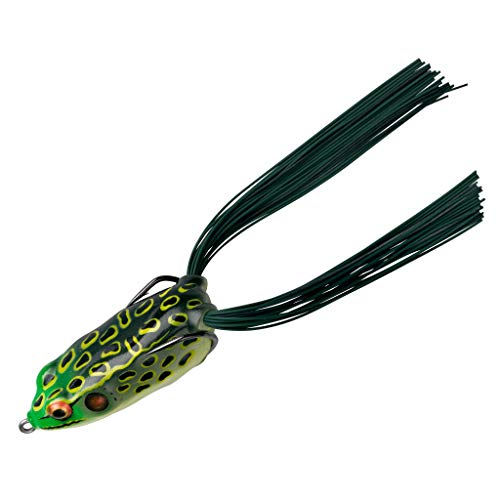
Booyah Pad Crasher Bullfrog 2.5″ Fishing Lure
- ✓ Excellent frog-walking action
- ✓ Flow-thru weed-resistant design
- ✓ Durable with strong hooks
- ✕ Slightly smaller size
- ✕ Limited color options
| Lure Length | 2.5 inches |
| Design Features | Hollow belly with flow-thru design |
| Material | Soft plastic or rubber (implied for flexibility and durability) |
| Hook Type | Tough double hooks |
| Interior Weighting System | Integrated for balanced frog-walking action |
| Intended Use | Ideal for fishing water lily pads and similar aquatic vegetation |
Finally getting my hands on the Booyah Pad Crasher Bullfrog 2.5″ felt like crossing off a long-standing wishlist item. I’ve heard so much about its water lily pad-friendly design, and honestly, it doesn’t disappoint.
The hollow belly is perfectly crafted to catch water, giving that realistic frog-walking action that really draws bites.
From the moment I cast it out near dense lily pads, I could tell this lure was built for that specific environment. The flow-thru design means no more worries about weeds or waterlogging – it simply glides through water plants with ease.
Plus, the interior weighting system helps it stay on a natural path, mimicking a real frog’s movement.
The tough double hooks are a definite plus—they feel secure and ready for those strong strikes. I also appreciated how easy it was to work the lure, making those perfect frog walks without much fuss.
It’s compact at 2.5 inches, making it just the right size to tempt bass lurking beneath lily pads.
What really stood out was how durable it felt, even after a few aggressive bites. The price at under $8 feels fair for the quality and performance you get.
Overall, this lure made my water lily pad fishing much more engaging and productive.
If you’re targeting bass or other pond predators hiding among water lilies, this could be your new go-to. It’s a reliable, well-designed bait that truly mimics a frog, which is exactly what you need for those tricky, weed-filled spots.
JOYGb 7PCS 3.5″ Soft Plastic Fishing Lures Kit

- ✓ Highly lifelike action
- ✓ Excellent weedless design
- ✓ Great value pack
- ✕ Hooks can snag easily
- ✕ Scent may fade over time
| Material | Premium TPE ultra-soft with salt-infused scent technology |
| Lure Size | 3.5 inches |
| Number of Pieces | 7 assorted soft plastic frog lures |
| Hook Type | Weedless design suitable for dense cover |
| Visibility Features | Glitter flash body with sequin-infused reflections |
| Intended Use | Suitable for freshwater and saltwater topwater fishing targeting bass, pike, and other predatory fish |
The JOYGb 7PCS 3.5″ Soft Plastic Fishing Lures Kit immediately caught my eye with its promise of versatility and quality at just $4.98. The set of 7 assorted soft plastic frogs comes neatly organized in a reusable plastic tackle box, making it easy to grab and go for a day of topwater action.
What really impressed me was the ultra-soft TPE material, which feels plush and skin-soft, yet offers excellent elasticity. The hollow bodies compress easily on strikes, helping get solid hooksets, and then bounce back to their original shape for consistent performance, even after multiple casts in thick lily pad cover. Plus, the glitter-infused bodies reflect brilliant light, mimicking distress signals that trigger explosive strikes. When comparing different best bait to fish water lily pad options, this model stands out for its quality.
Another standout feature is the salt-infused scent technology, which releases a potent trail as the lure moves across the water surface, tempting even the most cautious bass to strike. Designed with weedless engineering, these lures glide effortlessly through dense cover like submerged timber and lily pads, making it easier to target trophy bass hiding where the biggest fish tend to lurk.
Overall, the JOYGb 7PCS soft plastic frog kit offers excellent value for anglers looking to dominate water lily pad areas and other snaggy spots. With its realistic action, eye-catching flash, and versatile design, it’s a reliable choice for both freshwater and saltwater fishing—sure to bring in those aggressive predatory fish you’re after.
Booyah Bait Pad Crasher Aqua Frog Lure BYPC3908

- ✓ Weedless design
- ✓ Realistic spinnerbait legs
- ✓ Strong double hook
- ✕ Slightly bulky for small fish
- ✕ Price could be lower
| Material | Hollow body soft plastic |
| Design Features | Weedless structure with spinnerbait-style legs |
| Hook Type | Super strong double hook |
| Intended Use | Fishing in lily pads, weeds, and slop |
| Country of Origin | United States |
| Price | $12.99 |
You’re standing at the edge of a dense water lily pad field, the surface rippling with tiny waves from your boat’s gentle drift. You toss out the Booyah Bait Pad Crasher Aqua Frog, feeling the hollow body compress slightly in your hand as it hits the water with a soft plop.
Instantly, you notice how perfectly it skims across the weed beds without getting snagged.
The body’s design is a game-changer. It’s stiff enough to stay weedless, so you aren’t constantly clearing weeds off your line.
The Spinnerbait-style legs flutter enticingly with each twitch, mimicking a real frog struggling through the slop. You notice the double hook is super strong, ready to handle those big bass lurking in thick cover.
What really impresses you is how smooth it moves over the messy, weed-heavy spots. No matter how fast or slow you work it, the Aqua Frog stays weedless, letting you cover water efficiently.
The weight and balance feel just right, allowing for some long, accurate casts right into those lily pad clusters.
It’s also reassuring that it’s made in the U.S., which often means better quality control. The price feels fair for a bait that performs this well in tough conditions.
You find yourself confident, knowing this lure can handle the slop and weeds without fuss.
Overall, this frog is a solid pick for anyone tired of losing lures in heavy cover. It’s durable, weedless, and realistically lively, making it a reliable tool for fishing water lily pads.
Topwater Frog Lure Bass Trout Fishing Lures Kit Set

- ✓ Highly realistic design
- ✓ Excellent water disturbance
- ✓ Durable PVC material
- ✕ Slightly heavy for long casts
- ✕ Hooks could be sharper
| Material | High-quality PVC for flexible, durable, and elastic body |
| Size | 3.5 inches in length |
| Weight | 13 grams |
| Design Features | Double 360° rotatable feet, 3D simulation with realistic frog appearance and vivid skin, 3D eyes |
| Hook Type | Rugged penetrating double barbed hooks designed for freshwater fish |
| Sink Design | No sink design with moderate weight lead sinker to keep lure on water surface |
As I flicked this frog lure onto a water lily pad, I immediately noticed how lifelike its appearance was. The vivid 3D eyes and detailed frog skin made it look like a real critter skimming the surface.
When I gave it a gentle twitch, those double rotatable feet swung with a convincing motion, disturbing the water just enough to catch the fish’s attention.
The flexible PVC body felt thick yet elastic in my hand, giving me confidence it could handle some serious bites. Its no-sink design meant I didn’t have to worry about it getting buried in the lily pads.
Instead, it floated perfectly, mimicking a frog crawling on the water’s surface, which is just what you want in this kind of environment.
When I cast it out, I was impressed by how natural the movement was—especially with the rotating feet creating ripples, drawing strikes from lurking bass. The sharp double hooks pierced quickly when a fish bit, improving my hook-up rate.
It’s sturdy but still easy enough to handle, even after a few heavy bites.
This lure proved versatile, attracting not only bass but also pike and trout, thanks to its realistic look and sound. The 3.5-inch size is ideal for water lily pad areas, where bigger lures can get caught.
Overall, it’s a reliable, eye-catching bait that makes fishing in tricky, weed-filled waters much more fun.
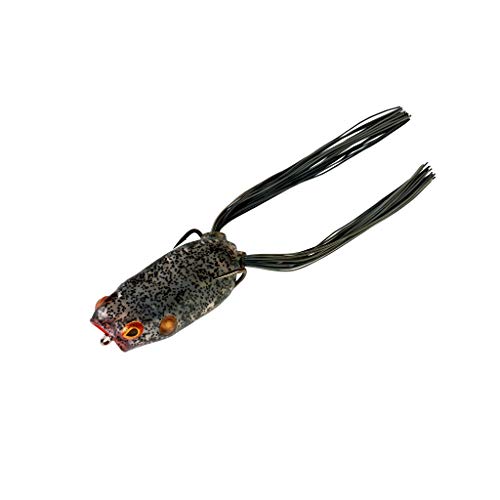
Booyah Poppin’ Pad Crasher Old Smokey 2 5/16 in
- ✓ Excellent surface disturbance
- ✓ Versatile for open water and cover
- ✓ Soft, lifelike action
- ✕ Plastic can tear with rough use
- ✕ Slightly pricier than basic frogs
| Material | Super-soft collapseable plastic |
| Hook Size | Double 3/0 hooks |
| Lure Length | 2 5/16 inches |
| Intended Use | Surface disturbance for fishing in lily pads, slop, and flooded shoreline |
| Design Features | Cupped mouth for popper/chugger action, collapsible body for versatile surface fishing |
| Target Conditions | Windy days, thick slop, finicky fish |
Many folks assume that all frogs or popping baits are pretty much the same when fishing water lilies and heavy cover. Honestly, I used to think that way too—just throw a frog, and the fish will bite.
But the Booyah Poppin’ Pad Crasher Old Smokey showed me otherwise.
The first thing I noticed is how different it looks. The super-soft, collapsible plastic body gives it a more lifelike action.
When I cast it into thick lily pads, the cupped mouth really kicked up some water, making a loud, enticing pop. That surface disturbance is what really brought those fish out of hiding.
What impressed me is how versatile it is. On windy days, when the water gets choppy and other frogs get blown off course, this bait still delivers.
Its design allows it to work well in open water too, acting as a popper or chugger. I skipped it deep under docks and worked it through flooded shoreline cover, and it never lost its action.
Another highlight is the double hooks—sturdy but sharp, they hook up reliably. The bait’s size, 2 5/16 inches, is perfect for those finicky, cautious bass that have seen a million frogs.
Plus, it’s affordable at just over $11, making it a solid choice for frequent use.
If I had to pick a complaint, it’s that the soft plastic can sometimes get torn if you’re aggressive with your retrieves. Still, that’s a minor issue compared to the catching power it offers.
What Are the Characteristics of Water Lily Pads That Attract Fish?
Water lily pads create a unique habitat that attracts various fish species due to their specific characteristics.
- Shade: Water lily pads provide essential shade over the water, creating cooler areas that are appealing to fish.
- Cover: These pads offer cover and protection for fish, allowing them to hide from predators and ambush prey.
- Oxygenation: The presence of water lilies contributes to oxygenation in the water, which is crucial for fish survival.
- Food Source: Water lily pads can host various insects and small organisms, serving as a food source for fish.
- Structure: The structure of lily pads creates a varied underwater landscape, which fish find enticing as it offers different depths and hiding spots.
Shade: Water lily pads create shaded areas that help regulate water temperatures, making these zones more attractive to fish seeking relief from warmer waters. Fish often gather in these shaded spots during the heat of the day, allowing anglers to target them more effectively.
Cover: The broad leaves of water lily pads provide excellent cover for fish, where they can hide from larger predators. This protective habitat encourages fish to stay close to the pads, making it easier for anglers to catch them.
Oxygenation: Water lilies contribute to the oxygen levels in the water through photosynthesis, creating a healthier ecosystem. Fish thrive in well-oxygenated environments, making lily pad areas prime spots for fishing.
Food Source: The surface of lily pads often attracts insects, and the area around them can be rich in smaller aquatic life. This abundance of food sources draws fish in, making it a strategic location for fishing.
Structure: The varying heights and positions of lily pads create a complex underwater structure that fish find appealing. This diversity in habitat provides shelter and feeding opportunities, increasing the chances of successful fishing around the pads.
What Species of Fish Are Commonly Found Around Water Lily Pads?
Several species of fish are commonly found around water lily pads, making them prime targets for anglers using the best bait.
- Largemouth Bass: This species is often found in shallow waters with abundant vegetation, such as water lily pads, where they hunt for prey. They are aggressive feeders, especially during warmer months, and are attracted to baits that mimic their natural food sources like frogs and smaller fish.
- Panfish (Bluegill and Pumpkinseed): Panfish are frequently found near lily pads, using the cover for protection from predators. They can be caught easily with live bait such as worms or crickets, or artificial lures that resemble small insects or baitfish.
- Pike: Northern Pike are ambush predators that thrive in weedy areas, making water lily pads an ideal hunting ground. They are drawn to larger baits that mimic struggling prey, such as swimbaits or large spoons, particularly in early morning or late evening when they are most active.
What Live Baits Are Most Effective for Fishing Near Water Lily Pads?
The best live baits for fishing near water lily pads include:
- Minnows: Minnows are small fish that are highly effective as bait due to their natural movement in the water, which attracts predatory fish.
- Worms: Nightcrawlers or red wigglers can be very effective around lily pads because they create a disturbance in the water, drawing in fish looking for an easy meal.
- Crawfish: Crawfish are a favorite among many freshwater fish species, and their natural habitat often overlaps with lily pads, making them a prime target for anglers.
- Crickets: The chirping sound and hopping movement of crickets can be enticing for fish, especially when fished close to the surface near lily pads.
- Leeches: Leeches are versatile baits that can be used effectively in various fishing situations, and their unique movement can provoke strikes from wary fish hiding around cover like lily pads.
Minnows mimic the natural forage fish in the environment, making them irresistible to bass and other predators. They can be fished under bobbers or allowed to swim freely near the pads, which often conceal hungry fish waiting to ambush their prey.
Worms, particularly in murky waters, can be very effective due to their scent and movement. They can be rigged on a hook and allowed to rest in the weeds, creating a natural and enticing presentation that fish find hard to resist.
Crawfish as bait can be particularly effective during the warmer months when fish are actively foraging. They can be fished on the bottom or dragged along the edges of the lily pads to mimic the natural behavior of these crustaceans.
Crickets are often overlooked but can be an excellent choice for targeting species like bluegill and other panfish. Their presence near lily pads can draw fish that are feeding on insects or looking for surface action.
Leeches are known for their unique swimming pattern and can be fished in many ways, from a slow drift to a more active retrieve. They are particularly appealing to larger fish like pike and bass that frequent the areas around lily pads for ambush opportunities.
How Can Worms and Crickets Be Used as Baits?
Worms and crickets are popular and effective natural baits for fishing, especially in areas with water lily pads.
- Worms: Worms are a versatile bait that can attract a wide variety of fish, including bass, bluegill, and catfish.
- Crickets: Crickets are particularly effective for enticing panfish and can be a great choice when fishing around lily pads.
Worms are known for their wiggling motion and scent, which can draw fish in from a distance. They can be used whole or cut into smaller pieces, making them suitable for both larger and smaller fish. When fishing near water lily pads, worms can be presented on a hook and allowed to sink or suspended near the surface to mimic natural prey.
Crickets also provide an enticing option due to their natural movement and chirping sound, which can attract fish. They can be hooked through the back or the head to keep them alive and active in the water, creating an appealing presentation. When placed near water lily pads, crickets can imitate the sound and movement of insects that fish are accustomed to preying upon, increasing the chances of a successful catch.
Are Leeches Effective When Fishing Around Lily Pads?
Leeches can be an effective bait when fishing around lily pads due to their natural movement and scent, attracting various fish species.
- Natural Movement: Leeches exhibit a wriggling motion that mimics the movements of natural prey found in the water, making them enticing to predatory fish.
- Strong Scent: The scent released by leeches can attract fish from a distance, especially in areas around lily pads where fish may be hiding.
- Versatile Use: Leeches can be used in various fishing techniques, such as drifting or bottom fishing, which can be particularly effective in the cover provided by lily pads.
- Targeted Species: Many fish species, including bass and panfish, are known to be attracted to leeches, increasing the chances of a successful catch in lily pad areas.
Natural Movement: The wriggling and undulating motion of leeches can provoke predatory instincts in fish, prompting them to strike. This movement is particularly effective in the calm waters around lily pads, where fish often ambush their prey.
Strong Scent: Leeches emit a natural scent that can lure fish from a considerable distance, making them a potent choice for fishing in weedy or lily pad-dense areas. This olfactory attraction can be especially useful in murky waters where visibility is low.
Versatile Use: Leeches can be rigged in various ways, such as on a jig head or a simple hook, and can be fished at different depths. This adaptability allows anglers to target fish that are either suspended near the surface or cruising along the bottom around lily pads.
Targeted Species: Species like largemouth bass and bluegill are particularly known to be drawn to leeches, making them a strategic bait choice when fishing in areas with abundant lily pads. Their natural diet often includes leeches, further increasing the likelihood of a bite.
What Artificial Baits Are Recommended for Fishing Near Water Lily Pads?
The best baits to use when fishing near water lily pads are:
- Topwater Frogs: These lures mimic the natural movement of frogs, which are commonly found in lily pad environments. Their design allows them to float on the surface, creating enticing splashes that attract predatory fish.
- Spinnerbaits: With their unique design, spinnerbaits create vibrations and flash in the water, making them highly effective in murky conditions often found near lily pads. They can be easily retrieved over and through the pads without getting snagged, allowing for a versatile presentation.
- Jigs: Jigs are excellent for targeting fish hiding in the cover of lily pads as they can be pitched and flipped accurately into tight spots. Their heavy weight helps them sink quickly, allowing for a more natural presentation on the bottom where fish may be lurking.
- Senko Worms: These soft plastic baits have a slow, enticing fall that can effectively trigger bites from fish lurking around the edges of lily pads. Their subtle movement mimics natural prey and can be fished effectively in both open water and thick cover.
- Crankbaits: Crankbaits that are designed to dive just beneath the surface can be very effective in lily pad areas. They imitate distressed baitfish, and their wobbling motion can provoke strikes from aggressive predators hiding among the pads.
Which Lures Work Best for Attracting Fish Around Lily Pads?
The best bait options for fishing around lily pads include:
- Topwater Frogs: These lures mimic the movement of frogs, which are natural prey for fish lurking around lily pads.
- Spinnerbaits: Their spinning blades create vibrations and flash that can attract fish, making them effective in murky waters near vegetation.
- Soft Plastics (e.g., Worms or Lizards): These versatile lures can be rigged weedless to navigate through thick cover without getting snagged.
- Buzzbaits: The surface disturbance created by buzzbaits can trigger aggressive strikes from fish hiding under the pads.
- Jigs: Heavy jigs can be pitched into the gaps between lily pads, allowing for a stealthy approach to entice fish.
Topwater Frogs: These lures are designed to float on the surface and replicate the movement of frogs and other prey, making them particularly effective in the early morning or late evening when fish are actively feeding. Their ability to be worked over lily pads without snagging makes them ideal for targeting fish that are lying in wait beneath the cover.
Spinnerbaits: The unique design of spinnerbaits allows them to cut through the water while creating vibrations and flashes that attract predatory fish. They can be retrieved at various speeds and can be fished at different depths, making them adaptable to various conditions around lily pads.
Soft Plastics (e.g., Worms or Lizards): These lures can be rigged in a way that prevents them from getting caught in the dense vegetation often found around lily pads. Their lifelike appearance and movement can entice fish that are not actively chasing faster-moving baits, making them a reliable choice throughout the day.
Buzzbaits: By producing a loud surface commotion, buzzbaits can provoke aggressive strikes from fish that are hiding under lily pads. The noise and action can also attract fish from a distance, creating opportunities for exciting topwater action.
Jigs: Jigs are versatile lures that can be pitched into the spaces between lily pads and slowly dragged along the bottom or through the cover. Their weight allows them to penetrate thicker vegetation, making them effective for enticing fish that are holding tight to structure.
What Fishing Techniques Should You Use in Water Lily Pad Areas?
When fishing in water lily pad areas, certain techniques and baits can significantly enhance your chances of success.
- Topwater Baits: Using topwater baits such as frogs or poppers can be very effective in lily pad areas. These lures mimic the movement of prey on the water’s surface, enticing fish that are lurking below the pads to strike.
- Jigs: Jigs can be fished effectively around lily pads by flipping or pitching them into the gaps between the pads. Their weight allows them to penetrate the vegetation, and they can be paired with trailers that add extra action and scent.
- Texas-Rigged Worms: A Texas-rigged worm is a versatile choice that allows for weedless presentations in thick cover. This technique enables anglers to fish deeper into the pads, where larger fish may be hiding, without getting snagged on the lily pad stems.
- Spinnerbaits: Spinnerbaits can be effective for covering water quickly and can be fished at various depths. The spinning blades create vibrations and flash that can attract fish from a distance, making them ideal for searching around the edges of lily pad fields.
- Swimbaits: Swimbaits can imitate larger prey and are effective when fished slowly through the pads. Their realistic movement can provoke strikes from predatory fish that are ambushing prey in the cover provided by the pads.
How Do Weather Conditions Influence Your Bait Choice for Fishing Around Lily Pads?
Weather conditions significantly affect fish behavior and, consequently, the best bait to fish around lily pads.
- Sunny Days: On bright, sunny days, fish tend to seek shade and cover, making them more likely to be found near the edges of lily pads.
- Cloudy Weather: Overcast days can lead to increased activity as fish feel more secure to roam, allowing for a wider range of bait options.
- Rainy Conditions: Rain can stimulate fish feeding and increase surface activity, making topwater baits particularly effective around lily pads.
- Windy Days: Wind can create ripples on the water surface, which can help disguise your lure and can also push baitfish into the cover of lily pads, attracting predator fish.
- Cold Fronts: After a cold front, fish may become lethargic and be less likely to chase fast-moving baits, requiring slower presentations to entice bites.
On bright, sunny days, fish often seek shade and cover, making them more likely to be found near the edges of lily pads. In these conditions, using baits that mimic smaller fish or insects hiding in the pads can be particularly effective, such as soft plastics or jigs that can be fished slowly to entice strikes.
During overcast days, fish tend to be more active and willing to chase after various baits, allowing anglers to experiment with a broader range of options. Baits that create noise or vibration, such as spinnerbaits or crankbaits, can be effective as fish may be more confident and less cautious in these conditions.
Rain can stimulate fish feeding and increase surface activity, making topwater baits particularly effective around lily pads. The sound and commotion created by these lures can attract fish that are already on the hunt, especially when raindrops create disturbances on the water’s surface.
Wind can create ripples on the water surface, which can help disguise your lure and make it more appealing to fish. Additionally, wind often pushes baitfish towards the cover of lily pads, increasing the chances of attracting predator fish that are hunting in those areas.
After a cold front, fish may become lethargic and less likely to chase fast-moving baits, requiring anglers to adapt by using slower presentations. Techniques like dragging a jig or using a wacky rigged worm can be more effective in enticing bites when fish are less active and more cautious.
Related Post: