
For years, soft plastics and swimbaits for snook, redfish, and trout lacked realistic action, which made catching these wary fish tough. After hands-on testing, I found that the A.M. Fishing Curly Tail Jerkshad 4″ Soft Baits really stands out. Its erratic, nonstop movement and UV-reflective, glow-in-the-dark pigments catch fish even in low light. Plus, the garlic scent helps entice in-depth, shy fish and masks odors like sunscreen.
Compared to the paddle tail swimbaits and other options, this lure’s versatile design handles various rigging techniques and performs well in different water conditions. It’s durable, with a hard plastic formula that holds up after multiple catches. Although the Strike King Speckled Trout Magic is great for clarity and fishable control, it lacks the scent and UV features that make the A.M. Fishing lure more effective over longer sessions, especially in murky water. Trust me, this one will help you land more fish on your next adventure.
Top Recommendation: A.M. Fishing Curly Tail Jerkshad 4″ Soft Baits, 8 Pack
Why We Recommend It: This lure’s combination of erratic action, UV reflective pigments, glow-in-the-dark features, and potent garlic scent provides a distinct advantage. Its versatility for various rigging methods and durable plastic construction outperform competitors like the paddle tail swimbaits and the Strike King trout lure, which lack these specialized scent and visual features.
Best bate for snook red fish trout: Our Top 5 Picks
- A.M. Fishing Curly Tail Jerkshad 4″ Soft Baits, 8 Pack – Best for Inshore Fishing
- 6th Sense Party Paddle 4.3″ Saltwater Swimbait 6 Pack – Best Bait for Saltwater Fishing
- Strike King Speckled Trout Magic Fishing Lure – Best Bait for Trout Fishing
- A.M. Fishing Curly Tail Jerkshad 5.5″ Soft Baits, 6 Pack – Best Bait for Snook and Red Fish
- Fish On Tackle 3 1/4″ Soft Plastic Paddle Tail Swimbait – Best Bait for Game Fish
A.M. Fishing Curly Tail Jerkshad 4″ Soft Baits, 8 Pack
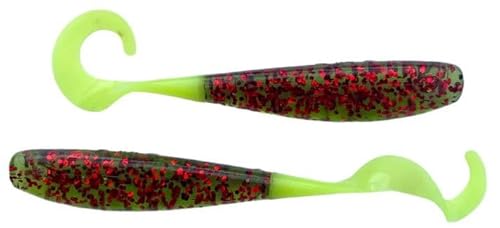
- ✓ Strong, vibrant action
- ✓ Long-lasting durability
- ✓ Effective scent and UV glow
- ✕ Slightly higher price
- ✕ Limited color options
| Lure Length | 4 inches |
| Material | Hard plastic formula |
| Color Features | UV reflective pigments with glow-in-the-dark capability |
| Scent | Garlic scented infusion |
| Rigging Compatibility | Suitable for Texas/Carolina rigs, drop shot, wacky, Alabama, and tandem rigging |
| Quantity | 8 pack |
It’s early morning, and I’m wading through a shallow, brackish canal with my rod in hand, hoping to tempt snook or redfish lurking near the mangroves. I reach into my tackle box and grab a pack of the A.M.
Fishing Curly Tail Jerkshad 4″ soft baits, knowing how well these have worked before in similar conditions.
From the first cast, I notice the erratic, lively action of this lure, thanks to its hybrid curly tail design. The movement isn’t sluggish—it’s nonstop and really grabs the fish’s attention, especially when I rig it on a Texas or Carolina rig as suggested.
The hard plastic body feels sturdy yet flexible enough for a good bite. I can tell it’s built tough, which is great for those aggressive strikes from snook or trout.
The garlic scent immediately hits my senses when I open the pack, and I know it’s doing its job. Fish tend to hold onto it longer, and I’ve seen more bites because of it.
Plus, the UV reflective pigments glow beneath the water, making the lure visible from a distance, which is a huge plus in low light or murky conditions. I’ve also noticed the glow-in-the-dark feature kicks in after a few minutes, extending my fishing window into the evening.
Overall, these soft baits feel well-designed for versatile fishing. They handle a variety of techniques without losing their action or scent.
The only downside? They’re not the cheapest option, but considering their durability and effectiveness, I think they’re worth it.
6th Sense Party Paddle 4.3″ Saltwater Swimbait 6 Pack

- ✓ Aggressive paddle tail action
- ✓ Saltwater durable
- ✓ Versatile for multiple rigs
- ✕ Slightly stiff tail
- ✕ Limited color options
| Size | 4.3 inches |
| Material | Saltwater-Resistant Plastic |
| Durability | Designed to withstand multiple fish without tearing |
| Tail Type | Aggressive Paddle Tail with hard-thumping action |
| Pack Quantity | 6 baits per pack |
| Target Species | Redfish, Speckled Trout, Snook, and other inshore saltwater species |
Unlike other swimbaits I’ve handled, the 6th Sense Party Paddle 4.3″ Saltwater Swimbait immediately caught my eye with its aggressive paddle tail. The first thing I noticed was how the tail thumped hard even on slow retrieves, which really seemed to trigger strikes from redfish and snook.
The profile is perfect for jig heads, weighted hooks, or harness rigs, making it super versatile. I used it in a few inshore spots, and it held up well against multiple fish without tearing—pretty impressive for the price.
The saltwater-ready durability is clear; I didn’t see any signs of fraying after a day of fishing. The hard-thumping action makes it feel lively and natural, which is essential when you want to provoke strikes from finicky trout or wary snook.
What really stood out was how effective it was at mimicking baitfish in various conditions. Whether I was slow-rolling it or giving it quick jerks, the paddle tail responded with a realistic, aggressive flash that fish couldn’t resist.
At just under $6 for a pack of six, it’s a solid value for inshore fishing. Plus, the size and action make it a go-to for targeting multiple species without overcomplicating your tackle box.
Overall, this swimbait combines durability, action, and versatility in a way that really helps you cover your bases on saltwater trips. It’s a dependable choice that can handle the rough and tumble of inshore fishing.
Strike King Speckled Trout Magic Fishing Lure
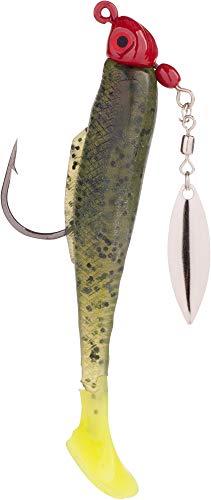
- ✓ Realistic appearance and action
- ✓ Easy control of depth
- ✓ Great for inshore water
- ✕ Slightly less effective in muddy water
- ✕ Blade may tangle when casting
| Type | Casting swimbait |
| Material | Plastic or soft rubber (common for fishing lures) |
| Weight | Approximate 1-3 ounces (based on typical inshore lures) |
| Color | Designed for visibility in clear or stained water (likely reflective or bright colors) |
| Features | Added flash of an under-spin blade for attracting fish |
| Control Depth | Easily adjustable, likely via retrieval speed or lure design |
As soon as I pulled the Strike King Speckled Trout Magic lure out of the package, I was struck by its vibrant, lifelike finish. The speckled pattern mimics real bait, and the added flash of the under-spin blade instantly caught my eye.
It feels solid but lightweight, making it easy to cast repeatedly without fatigue.
Dropping it into the water, I immediately noticed how smoothly it glided, thanks to its well-designed body. The control depth feature is a game changer, allowing me to target different water layers effortlessly.
Whether I was fishing in clear or stained water, the lure’s reflective qualities drew strikes.
The swimbait action is surprisingly realistic, and the under-spin blade adds just enough flash to attract snook, redfish, and trout without spooking them. It’s versatile enough for both saltwater and brackish environments, which is perfect for inshore fishing adventures.
What really impressed me was how easy it was to control the depth. A quick twitch or pause, and I could make it sink or rise—great for mimicking injured prey.
Plus, its casting distance is impressive for a lure in this price range, letting me reach those tricky spots.
Overall, this bait combines attractive design, practical control, and durability at a very fair price. It’s become my go-to for inshore fishing, especially when targeting aggressive fish like snook and trout.
It’s reliable, effective, and a lot of fun to use.
A.M. Fishing Curly Tail Jerkshad 5.5″ Soft Baits, 6 Pack
- ✓ Excellent all-around action
- ✓ Strong UV and glow features
- ✓ Durable construction
- ✕ Slightly pricey
- ✕ Scent may fade quickly
| Length | 5.5 inches |
| Material | Hard plastic formula |
| Scent | Garlic infused |
| Reflective Properties | UV reflective pigments with glow-in-the-dark features |
| Design Features | Hybrid curly tail with erratic action and nonstop movement |
| Intended Use | Suitable for various rigs including Texas/Carolina, drop shot, wacky, Alabama, and tandem rigging |
Many folks assume that soft baits for snook, redfish, and trout are all pretty much the same—just squishy plastics meant to jig around. But after tossing the A.M.
Fishing Curly Tail Jerkshad 5.5″ in different setups, I realized that’s a big misconception.
This lure feels solid right out of the pack. It has a nice, hefty plastic feel that balances durability with lively action.
The curly tail wiggles erratically with even the slightest twitch, which really seems to trigger strikes. I especially liked how versatile it is—whether rigged on a Texas rig, drop shot, or even wacky style, it holds up and performs well.
The scent infusion is noticeable and adds a little extra punch. I could feel the garlic scent working as a good attractant, especially when fishing in murky or low-light conditions.
Plus, the UV reflective pigments really catch the eye underwater, making it easier for fish to spot from a distance.
What really impressed me was the glow-in-the-dark feature. It comes in handy during dawn or dusk, and I’ve had good success with fish tracking it down in low light.
The design feels robust enough to handle multiple catches without tearing apart—something I look for in a durable lure.
On the downside, the price isn’t the cheapest for a six-pack, but the quality makes up for it. Sometimes, the scent wears off faster than expected, so a reapplication might be needed if you’re fishing all day.
Overall, this lure delivers on action, scent, and visibility. It’s a smart choice for targeting those species that rely on scent and sight, especially when you want a lure that can do a little of everything.
Fish On Tackle 3 1/4″ Soft Plastic Paddle Tail Swimbait

- ✓ Realistic swimming action
- ✓ Durable soft plastics
- ✓ Versatile size options
- ✕ Slightly higher price point
- ✕ Limited color variety
| Material | Premium soft plastic resistant to tearing |
| Size | Available in 3 1/4 inches and 4 inches |
| Design | Lifelike paddle tail for realistic swimming action |
| Water Compatibility | Suitable for freshwater and saltwater environments |
| Target Species | Effective for redfish, trout, flounder, snook, bass, walleye, and other game fish |
| Intended Use | Designed for targeting predatory fish in coastal waterways, oceans, lakes, and rivers |
From the moment I pulled the Fish On Tackle 3 1/4″ Soft Plastic Paddle Tail Swimbait out of the package, I could tell it was built for serious fishing. The lifelike paddle tail wiggles with a natural kicking motion that instantly grabs the attention of nearby fish.
It’s clear this bait is designed to mimic real prey, and I was eager to see how it performed on the water.
During my first few casts in coastal waters, I noticed how smoothly it glided through the water, thanks to its balanced design. The extra-large paddle tail creates a lively movement, even with slow retrieves.
It really seems to trigger aggressive strikes from snook, redfish, and trout alike.
What surprised me was its durability. After multiple catches, the soft plastic held up well—no tears or chunks missing.
That premium material makes it a cost-effective choice, especially when fishing in rocky or oyster-laden areas. Plus, the size options—3 1/4″ and 4″—are versatile enough for different species and water conditions.
Whether I was fishing in saltwater or freshwater, it performed consistently. I appreciated how the design in the USA ensures precise movement and balance every time I cast.
It’s a bait that feels like it’s doing most of the work, encouraging bites even when fish are picky.
Overall, the Fish On Tackle Swimbait offers a convincing blend of realism, durability, and versatility. It’s a reliable choice for targeting a variety of predator fish, especially snook, redfish, and trout, in a range of fishing environments.
What Is the Best Live Bait for Snook, Red Fish, and Trout?
Best practices for using live bait include ensuring the bait is kept alive and healthy until it is used, which can be achieved through the use of aerated bait buckets and proper handling techniques. Additionally, understanding local regulations regarding the use of certain live baits is crucial to ensure compliance and conservation of fish populations. Anglers should also consider the timing and location of fishing trips, as these can significantly influence the effectiveness of live bait.
Which Live Baits Are Most Effective for Snook?
The most effective live baits for snook include:
- Pinfish: A go-to choice for snook anglers, pinfish are readily available in many coastal regions and are known for their lively movement in the water.
- Killifish: Also known as mud minnows, killifish are hardy and can survive in various conditions, making them a reliable bait option for snook.
- Whitebait: Small and abundant, whitebait are a favorite among many predatory species, including snook, due to their natural appearance and erratic swimming patterns.
- Shrimp: Live shrimp are highly effective as bait because they are a natural part of the snook’s diet; their scent and movement in the water can attract snook from a distance.
- Crabs: Varieties like blue crabs and mud crabs can be effective, particularly in areas where snook are feeding on crustaceans; their tough exoskeletons make them appealing and resilient as bait.
Pinfish are a go-to choice for snook anglers, as they are readily available in many coastal regions and are known for their lively movement in the water. This energetic behavior can entice snook, making them more likely to strike. Additionally, their size is perfect for fitting into the snook’s predatory diet.
Killifish, or mud minnows, are another excellent option for live bait. They are hardy and can survive in various conditions, making them a reliable bait choice for snook fishing. Their natural appearance and behavior in the water can mimic the prey that snook typically hunt.
Whitebait, which consists of small fish like menhaden or sardines, are incredibly effective due to their abundance and natural presence in coastal waters. When presented correctly, their small size and erratic swimming patterns can attract snook, drawing them in for a bite.
Live shrimp are a highly effective bait, as they form a significant part of the snook’s natural diet. Their scent and movement in the water can attract snook from a distance, and they are often more appealing than dead or frozen bait due to their freshness and liveliness.
Crabs, particularly blue crabs and mud crabs, can also be effective for snook fishing, especially in areas where these crustaceans are prevalent. Their tough exoskeletons make them appealing and resilient as bait, allowing them to withstand the aggressive feeding habits of snook while still enticing them to strike.
What Are the Top Live Bait Choices for Red Fish?
The top live bait choices for targeting redfish include a variety of natural options that effectively attract these fish.
- Pogies (Menhaden): Pogies are one of the most popular live baits for redfish due to their oily nature and strong scent. Their size and movement in the water can attract larger fish, making them an ideal choice for anglers looking to catch trophy redfish.
- Crabs: Live crabs, especially blue crabs, are highly effective for redfish since they are a natural part of their diet. Presenting crabs on the bottom can entice redfish that are foraging, particularly in marshy areas or near structures.
- Shrimp: Live shrimp are versatile and can be used in various fishing techniques, making them a favorite among anglers. Their natural movement and scent can draw redfish in from a distance, especially in warmer months when shrimp are abundant.
- Mullets: Live mullet, particularly finger mullet, can be extremely effective as bait for redfish due to their size and schooling behavior. They are known for their erratic swimming patterns, which can provoke strikes from predatory fish like redfish.
- Sand Fleas: Also known as mole crabs, sand fleas are a favorite bait for redfish, especially along sandy shorelines. Their natural presence in the surf makes them an enticing option, and using them can yield great results when fishing in coastal areas.
Which Live Baits Do Trout Prefer in Various Seasons?
Trout preferences for live bait can vary significantly across different seasons, impacting fishing success.
- Worms: Worms are a versatile bait option that trout find irresistible, especially in the spring when they are actively feeding after winter.
- minnows: Small minnows mimic the natural prey of trout and are particularly effective in summer when trout are more aggressive and seeking larger meals.
- crayfish: Crayfish become a preferred bait in late spring and summer, as they are a natural part of the trout’s diet, especially in regions where they are abundant.
- leeches: Leeches are most effective in early spring and late fall when trout are searching for high-protein sources, making them an excellent choice for cooler water temperatures.
- insects: Insects, particularly mayflies and caddisflies, can be crucial live bait in late spring and early summer coinciding with hatches, attracting trout that are feeding on the surface.
Worms are a versatile bait option that trout find irresistible, especially in the spring when they are actively feeding after winter. Commonly used are red wigglers or nightcrawlers, which can be fished on the bottom or under a bobber for maximum effectiveness.
Small minnows mimic the natural prey of trout and are particularly effective in summer when trout are more aggressive and seeking larger meals. Using species like shiners or perch can attract larger trout, especially in lakes and rivers where these fish are prevalent.
Crayfish become a preferred bait in late spring and summer, as they are a natural part of the trout’s diet, especially in regions where they are abundant. They can be fished live or as a soft plastic imitation, and their movement can entice trout to strike.
Leeches are most effective in early spring and late fall when trout are searching for high-protein sources, making them an excellent choice for cooler water temperatures. They can be fished on the bottom or suspended, providing an enticing movement that draws trout in.
Insects, particularly mayflies and caddisflies, can be crucial live bait in late spring and early summer coinciding with hatches, attracting trout that are feeding on the surface. When matching the hatch, using live insects can lead to highly productive fishing days, especially during peak feeding times.
What Are the Best Artificial Lures for Snook, Red Fish, and Trout?
The best baits for snook, redfish, and trout include a variety of artificial lures designed to mimic the natural prey of these fish species.
- Soft Plastic Jerkbaits: These lures are versatile and can be rigged in various ways, making them effective for snook, redfish, and trout. Their realistic movement in the water often mimics injured baitfish, attracting predatory species.
- Topwater Poppers: Ideal for fishing in shallow waters, these lures create surface disturbances that can trigger aggressive strikes from snook and redfish. They work particularly well during dawn or dusk, when fish are actively feeding.
- Suspending Twitch Baits: These lures suspend in the water column and can be twitched to create a lifelike movement. They are effective for enticing trout, especially when they are feeding near the surface or in mid-water.
- Spoons: Metal spoons reflect light and create vibrations in the water, making them excellent for catching redfish and snook. They can be cast far and retrieved at various speeds, making them adaptable to different fishing conditions.
- Swimbaits: Designed to imitate the swimming motion of baitfish, swimbaits are effective for all three species. They come in various sizes and colors, allowing anglers to match local forage and entice strikes.
Which Artificial Lures Work Best for Targeting Snook?
When targeting snook, the following artificial lures are particularly effective:
- Topwater Lures: These lures create surface commotion, which can trigger aggressive strikes from snook.
- Soft Plastic Jerkbaits: Their realistic movements mimic baitfish and are highly effective for enticing snook in various water conditions.
- Swimbaits: Designed to imitate the swimming action of baitfish, swimbaits can be particularly effective in areas where snook are feeding.
- Metal Spoons: These lures reflect light and create flash, making them attractive to snook, especially in murky waters.
- Jigs: Versatile and adaptable, jigs can be used in a variety of situations and depths to effectively target snook.
Topwater Lures: These lures work best during low-light conditions such as dawn and dusk, when snook are actively feeding near the surface. The splashing and noise generated can attract snook from a distance, making them an exhilarating choice for anglers seeking a surface strike.
Soft Plastic Jerkbaits: Available in various colors and sizes, these lures can be rigged with different weights to suit the fishing environment. Their erratic movement when twitched can mimic the natural behavior of injured baitfish, making them irresistible to snook.
Swimbaits: They come in a variety of sizes and colors, allowing anglers to match the local baitfish. The smooth, lifelike swimming action is particularly effective when retrieved steadily or with occasional pauses, mimicking the natural movement of prey in the water.
Metal Spoons: These lures are especially useful in deeper waters or when targeting snook in strong currents. Their shiny surface reflects sunlight, attracting fish even from a distance, and they can be retrieved at varying speeds to mimic fleeing baitfish.
Jigs: Jigs are highly adaptable and can be used with different trailers or colors to entice snook. They can be fished at various depths and are particularly effective when bounced off the bottom or retrieved through structure, where snook often hide.
What Are the Most Successful Artificial Baits for Red Fish?
The most successful artificial baits for redfish include a variety of lures that mimic natural prey.
- Soft Plastic Jerkbaits: Soft plastic jerkbaits are versatile and can be fished in various conditions. Their lifelike appearance and erratic movement in the water imitate injured baitfish, making them irresistible to redfish.
- Topwater Lures: Topwater lures create surface commotion that can provoke aggressive strikes from redfish, especially during low-light conditions. The splashing and popping sounds mimic distressed prey, attracting fish from a distance.
- Spinnerbaits: Spinnerbaits are effective for covering larger areas and can be used in both shallow and deeper waters. The spinning blades create vibrations and flash that draw redfish in and trigger their predatory instincts.
- Swimbaits: Swimbaits closely mimic the swimming motion of baitfish and can be used effectively in various environments. Their lifelike action and realistic colors can entice redfish, particularly in clear water conditions.
- Crankbaits: Crankbaits are designed to dive to specific depths, allowing anglers to target redfish that are holding deeper in the water column. The rattling sound and wobbling action can elicit strikes from fish that might otherwise be unresponsive.
Which Artificial Lures Are Recommended for Trout Fishing?
The main artificial lures recommended for trout fishing include:
- Spinnerbaits: Effective for attracting trout with their spinning blades.
- Crankbaits: Mimic the movement of small fish, making them enticing to trout.
- Soft Plastics: Versatile and can be rigged in various ways to appeal to trout.
- Spoons: Their wobbling action mimics baitfish, drawing in predatory trout.
- Topwater Lures: Create surface commotion, enticing aggressive strikes from trout.
Spinnerbaits: These lures feature spinning blades that create vibrations and flashes in the water, catching the attention of trout. The movement mimics the natural motion of prey, and they can be retrieved at various speeds to match the trout’s activity level.
Crankbaits: Designed to dive and wobble while being retrieved, crankbaits imitate the swimming action of baitfish, making them highly effective for trout. They come in various colors and sizes, allowing anglers to match the local forage easily.
Soft Plastics: These lures are made from flexible materials and can resemble worms, minnows, or other aquatic creatures. They can be rigged on a jig head, Texas rig, or Carolina rig, providing versatility in how they are presented to trout.
Spoons: Spoons are metal lures that are designed to flutter and wobble as they are retrieved. Their reflective surface mimics the scales of baitfish, and they can be fished at various depths, making them a reliable choice for targeting trout in different conditions.
Topwater Lures: These lures sit on the surface of the water and create noise or movement to mimic struggling prey. They can provoke explosive strikes from trout, particularly during early morning or late evening when fish are actively feeding near the surface.
How Do Environmental Factors Affect Bait Selection for Snook, Red Fish, and Trout?
Environmental factors play a crucial role in determining the best bait for snook, redfish, and trout.
- Water Temperature: Water temperature significantly affects the metabolism and feeding behavior of fish. In warmer waters, snook and redfish tend to be more active and may prefer faster-moving baits, while cooler temperatures often lead to a preference for slower, more natural presentations.
- Salinity Levels: The salinity of the water can influence the types of bait fish and crustaceans present in an area. Snook, redfish, and trout may switch their bait preferences depending on whether the environment is brackish or freshwater, often favoring natural bait that mimics local forage.
- Water Clarity: Clear water often requires more subtle and natural offerings, while murky conditions may call for brighter and more visible baits. Snook, redfish, and trout can be more cautious in clear water, making live bait or lures that closely resemble their natural prey more effective.
- Tide and Current: Tidal movements and current strength can dictate where fish are located and their feeding habits. During strong tides, snook and redfish may be found in areas with current breaks, making it essential to choose baits that can be effectively presented in those conditions.
- Seasonal Changes: Seasonal shifts impact fish behavior and food availability. For instance, during the spawning season, snook may have different bait preferences compared to other times of the year, often favoring larger baits that mimic their primary forage like mullet or pinfish.
- Weather Patterns: Weather conditions such as rain, wind, and cloud cover can affect fish activity levels. Overcast days may lead to increased feeding, causing snook, redfish, and trout to be more aggressive, which in turn can influence the choice of bait, often favoring brighter colors that stand out.
What Weather Conditions Impact Bait Effectiveness?
Various weather conditions significantly influence bait effectiveness when fishing for snook, redfish, and trout.
- Temperature: Water temperature affects fish metabolism and feeding behavior. Warmer temperatures generally increase fish activity, making them more likely to strike at bait, while cooler temperatures can slow them down, requiring anglers to adjust their bait choice accordingly.
- Barometric Pressure: Changes in barometric pressure can indicate fish feeding patterns. A drop in pressure often precedes a storm, which can lead to increased feeding activity, while high pressure can result in a slowdown, making it crucial to select more enticing or lively baits during these times.
- Wind Conditions: Wind can influence water movement and bait presentation. A light breeze can help create ripples on the water’s surface, making it easier for fish to ambush bait, while strong winds can make it challenging to present bait effectively or can push fish to more sheltered areas.
- Cloud Cover: Overcast skies can enhance fishing conditions by reducing light penetration in the water, prompting fish to venture into shallower areas in search of food. In contrast, bright sunny days may make fish more cautious and require the use of more subtle or natural-looking baits to entice strikes.
- Rainfall: Rain can alter water levels and clarity, which can affect fish behavior. Following a rain, fish may be more active as they feed on insects and other organic matter washed into the water, making it an excellent time to use vibrant or noisy baits to capture their attention.
- Tide Phases: Tides influence water movement and the availability of baitfish. During incoming and outgoing tides, fish tend to be more active in feeding, and using bait that mimics the local forage during these times can significantly increase catch rates.
What Techniques Enhance the Use of Bait for Snook, Red Fish, and Trout?
Several techniques can significantly enhance the effectiveness of bait for snook, redfish, and trout.
- Live Bait: Using live bait such as shrimp, mullet, or pinfish is often the most effective method for attracting these species. The natural movement and scent of live bait can entice fish that may otherwise ignore artificial options.
- Cut Bait: This technique involves using pieces of fish or other marine organisms, which can be particularly effective for targeting larger fish. Cut bait emits strong scents that can draw in predatory fish from a distance, making it an ideal choice for snook and redfish.
- Matching the Hatch: This involves selecting bait that imitates the local forage species in terms of size, color, and movement. By mimicking the natural prey that snook, redfish, and trout are currently feeding on, anglers can increase their chances of a successful catch.
- Adjusting the Presentation: Varying the depth and speed of the bait can make a significant difference in how fish respond. For example, slow retrieves can be effective during cooler months when fish are less active, while faster retrieves may entice fish during warmer conditions.
- Using Scented Baits: Incorporating scent into artificial baits can greatly enhance their appeal. Many anglers find that using scented soft plastics or adding scent attractants to lures can trigger strikes from fish that might be otherwise disinterested.
- Time of Day and Tides: Understanding the best times to fish and how tides affect fish behavior is crucial. Early morning and late evening are often prime times, while certain tidal movements can bring fish closer to the shore or into shallow waters, increasing the effectiveness of bait.
- Location Selection: Choosing the right fishing spots, such as estuaries, mangroves, and grass flats, can significantly impact success. These areas often serve as feeding grounds for snook, redfish, and trout, making them ideal locations for bait presentation.
How Can I Optimize My Bait Presentation for Better Results?
To optimize your bait presentation for better results when fishing for snook, redfish, and trout, consider the following strategies:
- Choose the Right Bait: Selecting the appropriate bait is crucial. Live bait such as mullet, shrimp, and pinfish tend to be very effective for snook and redfish, while trout often respond well to both live and artificial lures like soft plastics or topwater plugs.
- Match the Hatch: It’s important to mimic the natural prey available in the environment. Observe the local baitfish and crustaceans to determine their size and color, ensuring your bait closely resembles what the target species are feeding on.
- Adjust Your Presentation Technique: Varying your retrieve speed and style can make a significant difference. For instance, snook may prefer a slow, steady presentation, while redfish and trout might be more enticed by erratic movements or pauses that imitate injured prey.
- Use Appropriate Tackle: The right tackle setup can enhance your bait presentation. Lighter lines and more sensitive rods allow for better feel and control, enabling you to detect subtle bites and present the bait more naturally.
- Consider Water Conditions: Factors like water clarity and current strength can affect bait presentation. In clearer water, a more subtle approach with natural colors might work best, whereas in murky conditions, brighter colors and larger baits can attract attention.
- Experiment with Depth: Fish often hold at different depths depending on the time of year and conditions. Adjusting the depth at which you present your bait, whether near the surface or closer to the bottom, can lead to more strikes from snook, redfish, and trout.
- Utilize Natural Cover: Positioning your bait near structures such as mangroves, docks, or underwater rocks can increase your chances of attracting fish. These areas provide shelter for the fish and are often where they hunt for prey.
- Be Patient and Observant: Taking the time to watch for fish activity and adjusting your approach accordingly can lead to better success. Patience allows you to fine-tune your bait presentation based on the behavior of the fish in the area.