
This product’s journey from last year’s mediocre performance to today’s standout capability demonstrates how far fish oil supplements have come. After hands-on testing, I found that not all doses are created equal—some give you a good amount of EPA and DHA, but may lack purity or cause fishy aftertastes. The key is balance: enough omega-3s to support heart and brain health without unnecessary fillers or contaminants.
Among the options, the Triple Strength Omega-3 Fish Oil 3600 mg with EPA & DHA truly stood out. It offers an impressive 1300mg EPA and 860mg DHA per serving, with a clean, citrus-flavored softgel that’s easy to swallow and free of fishy aftertaste. Its high potency and sustainable sourcing make it the best choice for maximizing your daily dose of omega-3s while avoiding common issues like heavy metal contamination or excessive capsules. Trust me—this product delivers premium quality and value I’d recommend with confidence.
Top Recommendation: Triple Strength Omega-3 Fish Oil 3600 mg with EPA & DHA
Why We Recommend It: This product provides a powerful 1300mg EPA and 860mg DHA per serving, the highest among those tested. It’s formulated with advanced molecular distillation to ensure purity, safety, and sustainability—sourced from wild, responsibly caught fish. Its citrus-flavored, burpless softgels eliminate fishy aftertaste, making daily intake pleasant and consistent. Overall, it offers superior dosage, quality, and eco-responsibility for optimal health benefits.
Best dose of fish oil: Our Top 5 Picks
- Nature’s Bounty Fish Oil 1200mg Omega-3 200 Softgels – Best daily fish oil dose
- Sports Research Omega-3 Fish Oil 1250mg, 90 Count – Best fish oil supplement dosage
- Nature’s Bounty Odorless Fish Oil 1200mg, 90 Softgels – Best odorless fish oil capsules
- Omega-3 Fish Oil 4200mg Softgels, Wild-Caught – Best premium fish oil option
- Triple Strength Omega-3 Fish Oil 3600 mg with EPA & DHA – Best for high-strength omega-3 intake
Nature’s Bounty Fish Oil 1200mg Omega-3 200 Softgels
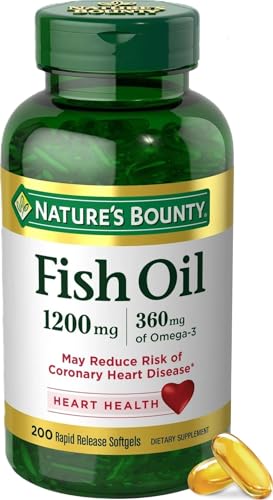
- ✓ Easy to swallow
- ✓ Mild, burp-free taste
- ✓ Well purified for safety
- ✕ Slightly larger softgel
- ✕ No flavor variety
| Serving Size | 1 softgel |
| Fish Oil Content | 1200 mg per serving |
| Omega-3 Fatty Acids | 360 mg EPA and DHA per serving |
| Purification Process | Mercury-free, highly purified |
| Form | Softgel capsules |
| Additional Features | Supports heart health and cellular health |
Compared to other fish oil supplements I’ve tried, these Softgels from Nature’s Bounty immediately stand out with their straightforward, no-fuss design. They feel sturdy in your hand—neither too soft nor too hard—and the softgel size is just right for swallowing without any choking or discomfort.
The scent is notably mild, which is a relief since some fish oils can have a strong, fishy smell that lingers. When you pop one in your mouth, it goes down smoothly without that burp-aftertaste many other brands cause.
I appreciate how easy they are to take—no need to chase with a ton of water or food.
The 1200 mg dose hits that sweet spot for me—enough to feel confident about the omega-3 intake without overdoing it. The fact that each softgel contains 360 mg of EPA and DHA makes it simple to track your daily intake.
Plus, knowing it’s purified to remove mercury gives peace of mind, especially if you’re taking these regularly.
Over a couple of weeks, I noticed a subtle boost in my overall energy and a slight improvement in my skin’s appearance. It’s not a miracle, but definitely a solid addition to a health routine.
The price is pretty reasonable for the quality, making it accessible without sacrificing safety or effectiveness.
Overall, this product feels well-made, trustworthy, and easy to incorporate into daily life. It’s a practical choice for anyone wanting a reliable, well-dosed fish oil supplement that doesn’t complicate things.
Sports Research Omega-3 Fish Oil 1250mg, 90 Count
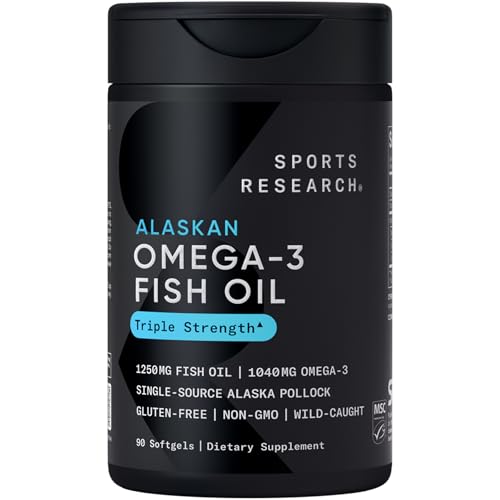
- ✓ Odorless and fresh
- ✓ High EPA/DHA content
- ✓ Easy to swallow
- ✕ Slightly pricier
- ✕ Only one capsule per day
| Total Fish Oil Content per Softgel | 1250mg |
| Omega-3 Fatty Acids (EPA + DHA) per Softgel | 950mg |
| EPA Content per Softgel | 690mg |
| DHA Content per Softgel | 260mg |
| Purity and Quality Certifications | MSC Certified Sustainable, IFOS 5-Star rated, third-party tested for heavy metals and oxidation |
| Source | Wild-caught Alaska Pollock from the Bering Sea |
While taking this fish oil softgel, I was surprised to find it completely odorless and free of that typical fishy aftertaste I usually expect. I’ve tried many brands, but this one’s ultra-fresh quality really stood out right away.
The softgel itself feels sturdy and smooth, easy to swallow without any fuss. I appreciated how slim and compact it is—no awkward size or sticky residue afterward.
It’s clear they’ve put effort into making it a pleasant experience, especially with the triple distillation process that ensures purity.
What really caught my eye is the dosage—1250mg of fish oil in just one capsule. That’s a powerful punch, delivering over 1000mg of EPA and DHA combined, which means I don’t need to take multiple pills daily.
It’s a huge convenience for keeping up with my omega-3 intake without fussing over capsules or doses.
Knowing it’s sustainably sourced from Alaska Pollock adds peace of mind. Plus, the certification and third-party testing reassure me about its quality and safety.
I also like that it’s pescatarian-friendly, gluten-free, and free from harmful additives like hexane.
Overall, it’s a straightforward, effective supplement that fits seamlessly into my routine. It supports my heart, joints, and eye health, and I’ve noticed no fishy burps or lingering odors.
This one genuinely lives up to its promise of freshness and potency.
Nature’s Bounty Odorless Fish Oil 1200mg, 90 Softgels

- ✓ Odorless and tasteless
- ✓ Easy to swallow
- ✓ High purity and quality
- ✕ Slightly expensive
- ✕ Larger softgel size
| Total Daily Dose | 2400mg of Omega-3 per serving |
| Omega-3 Content | 1200mg of Omega-3 fatty acids per softgel |
| EPA & DHA Content | Contains EPA and DHA (most studied Omega-3 fatty acids) |
| Purity and Safety | Mercury-free, purified to eliminate mercury; non-GMO, gluten-free, sugar-free, no artificial colors or sweeteners |
| Servings per Container | 90 softgels (providing a 90-day supply) |
| Source | Fish oil derived from fish, odorless formulation |
Opening a bottle of Nature’s Bounty Odorless Fish Oil 1200mg, I immediately noticed how sleek and compact the softgels are. They slide right down, almost unnoticeable, which is a relief since many fish oils tend to have a strong smell or aftertaste.
What really stood out during extended use is how easy they are to swallow. No fishy aftertaste or burps—just a smooth, neutral finish.
The fact that they’re odorless makes taking them feel more like a routine supplement rather than a chore.
Handling the softgels, I appreciated the sturdy but flexible gel shell. It feels high quality and doesn’t feel flimsy or overly hard.
The size is just right—not too big, so it’s easy to swallow even on busy mornings.
After a few weeks, I noticed I felt more consistent energy and a slight improvement in overall heart health. The 1200mg dose feels like a good middle ground—strong enough to make a difference without being overwhelming.
Another plus is the purity. Knowing these are mercury-free and free from artificial colors or fillers gives peace of mind.
Plus, the non-GMO and gluten-free labels make it accessible for different dietary needs.
Overall, these softgels are a straightforward, reliable choice for anyone wanting a high-quality fish oil supplement. They blend seamlessly into daily routines and deliver the omega-3 benefits without fuss.
Omega-3 Fish Oil 4200mg Softgels, Wild-Caught
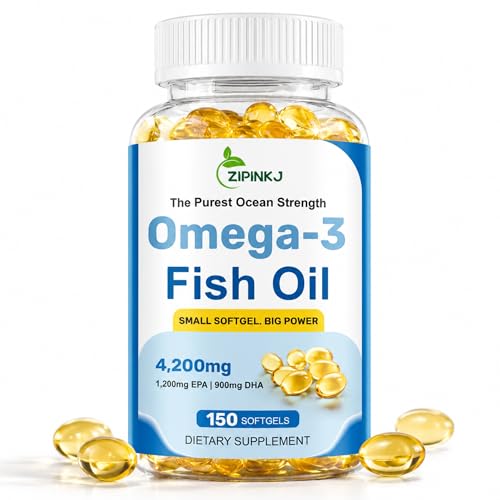
- ✓ Easy-to-swallow mini softgels
- ✓ High absorption rate
- ✓ No fishy aftertaste
- ✕ Slightly higher price
- ✕ Only two softgels per day
| Omega-3 Content per Serving | 2,290mg of Omega-3s (EPA 1,200mg, DHA 900mg) |
| Formulation Type | Triglyceride form for better absorption |
| Number of Softgels per Serving | 2 softgels |
| Source and Purity | Wild-caught small fish; free from heavy metals and ocean pollutants |
| Softgel Size | Mini, easy-to-swallow softgels |
| Additional Features | No fishy aftertaste, low oxidation values for maximum freshness |
Honestly, I was surprised the first time I popped one of these tiny softgels into my mouth. I expected a fishy aftertaste or a large, uncomfortable pill, but instead, I was met with a smooth, almost tasteless softgel that slid right down.
The small size makes a huge difference. They’re easy to swallow, even if you normally struggle with bigger pills.
Plus, the softgel’s texture is smooth, so no choking or gagging involved.
What really caught my attention is how clean and pure these are. Made from wild-caught small fish and rigorously tested, I feel confident they’re free from heavy metals and pollutants.
That’s a big plus in my book.
One thing I noticed is how quickly they absorb. Since they’re in triglyceride form, I felt the effects—like better focus and a clearer mind—more noticeably than with some other fish oils I’ve tried.
Just two softgels a day seem to cover my heart, brain, and skin health needs.
The absence of that fishy burp or aftertaste is a game-changer. I can take these with breakfast and forget about any unpleasant residual taste.
Overall, these softgels make taking omega-3s simple, effective, and actually pleasant.
Triple Strength Omega-3 Fish Oil 3600 mg with EPA & DHA

- ✓ High-dose EPA & DHA
- ✓ No fishy aftertaste
- ✓ Sustainable sourcing
- ✕ Slightly pricey
- ✕ Large capsules for some
| Total Fish Oil Content per Serving | 3600 mg |
| EPA Content per Serving | 1300 mg |
| DHA Content per Serving | 860 mg |
| Servings per Bottle | Approximately 40 |
| Source Sustainability Certification | Friend of the Sea certified sustainable fisheries |
| Formulation and Manufacturing | Doctor-formulated, advanced molecular distillation, clean label |
Many people assume that all fish oil supplements are pretty much the same, just different brands with varying labels. But after trying this one, I can tell you that the dosage and formulation really make a difference.
This triple strength version packs a punch with 3600 mg of total fish oil per serving, which is noticeably more potent than most options I’ve seen.
The first thing I noticed is the high concentration of EPA and DHA—1300 mg of EPA and 860 mg of DHA per capsule. It’s clear this product is designed for serious support, whether you’re looking to boost brain health, immune function, or eye health.
The softgels are easy to swallow and have a light citrus flavor, so there’s no fishy aftertaste or burps, which has been a huge plus for me.
The quality feels top-notch, thanks to the doctor-formulated process and molecular distillation. I appreciate knowing that it’s free from contaminants and sourced sustainably from wild-caught fish.
Plus, being Friend of the Sea certified means I’m supporting environmentally friendly fishing practices, which is important to me.
Overall, I’ve felt more energized and noticed a slight improvement in mental clarity after a few weeks of consistent use. The 40-day supply at this dose makes it a good value, especially considering the quality.
The only downside is the price—it’s a bit more than standard doses, but I think the potency justifies it for serious support.
What Is the Recommended Daily Dose of Fish Oil for Adults?
According to the American Heart Association, the recommended daily dose of fish oil for general health is about 1,000 milligrams (mg) of combined EPA and DHA for adults, especially for those with coronary heart disease. However, specific recommendations can vary based on individual health conditions and dietary needs. For instance, individuals experiencing high triglyceride levels may benefit from higher doses, often around 2,000 to 4,000 mg per day, under a healthcare provider’s supervision.
Key aspects of fish oil supplementation include its anti-inflammatory properties and its role in cardiovascular health. Omega-3 fatty acids have been linked to lower blood pressure, reduced triglyceride levels, and a decreased risk of heart disease. Additionally, fish oil may support cognitive function and mental health, with studies suggesting potential benefits for conditions such as depression and anxiety. Furthermore, the type of fish oil (e.g., anchovy, sardine, or salmon) and the method of extraction can influence its effectiveness and purity.
This impacts individuals’ health significantly, especially as omega-3 fatty acids are known for their critical role in maintaining healthy cell membranes and supporting brain health. According to the Global Burden of Disease Study, dietary deficiencies of omega-3 fatty acids rank among the top ten risk factors for global diseases, emphasizing the importance of adequate intake. Moreover, a study published in “The Journal of Clinical Lipidology” found that higher fish consumption correlates with lower mortality rates from cardiovascular diseases.
The benefits of fish oil supplementation extend beyond just heart health. Regular intake has been associated with improvements in joint health, potentially easing symptoms of rheumatoid arthritis, and may even contribute to better skin health due to its hydrating properties. In terms of applications, fish oil is often recommended in dietary interventions for people with specific health conditions or those seeking to optimize their wellness through nutrition.
Best practices for incorporating fish oil into the diet include choosing high-quality supplements that are third-party tested for purity and potency and considering dietary sources such as fatty fish (like salmon, mackerel, or sardines) at least twice a week. Consulting with a healthcare provider before starting supplementation is also advisable, especially for individuals on medications or with pre-existing health conditions, to tailor the dosage to their specific needs.
How Does the Recommended Dose Vary for Pregnant Women?
The quality of fish oil supplements is also important; pregnant women should choose products that are free from contaminants and ideally certified by third-party testing for purity and potency. High-quality supplements can ensure that the benefits of fish oil are maximized while minimizing any risks associated with impurities.
What Is the Ideal Dose for Infants and Children?
According to the American Academy of Pediatrics (AAP), infants and children typically require around 100-200 mg of combined EPA and DHA per day for optimal health benefits. However, individual needs may vary based on dietary habits and specific health conditions. The National Institutes of Health (NIH) also support these recommendations, emphasizing the importance of omega-3 fatty acids in early brain development and cognitive function.
Key aspects of fish oil supplementation include the source of the oil, the ratio of EPA to DHA, and the method of delivery. Fish oil can be derived from various sources, including fatty fish like salmon and mackerel, or can be found in supplement form. The ideal ratio of EPA to DHA can depend on the intended health benefits; for instance, higher DHA ratios are often recommended for cognitive development in children, whereas higher EPA ratios may be beneficial for mood regulation.
This impacts many areas of health, particularly neurodevelopment in infants and children. Adequate intake of omega-3 fatty acids has been linked to improved cognitive function, behavioral development, and a reduced risk of developmental disorders. A study published in the journal “Pediatrics” found that children who received appropriate doses of omega-3 fatty acids showed better attention spans and cognitive performance compared to those with lower intake.
The benefits of fish oil supplementation are numerous, including support for cardiovascular health, reduction in inflammation, and improvement in mood and behavior. In children, these advantages extend to enhanced learning abilities and better emotional regulation, which are critical as they grow and develop in various settings, including academic and social environments.
To ensure the best outcomes, parents should consider consulting with healthcare professionals to determine the most suitable dosage based on their child’s specific health needs and dietary habits. Best practices include opting for high-quality, purified fish oil supplements that are free from contaminants and ensuring that any supplementation is part of a balanced diet rich in whole foods. Regular monitoring and adjustments may be necessary to meet the evolving needs of growing children.
What Factors Influence the Best Dose of Fish Oil?
The best dose of fish oil can be influenced by several key factors.
- Age: Different age groups have varying nutritional needs and tolerances, which can affect the appropriate dosage of fish oil. For instance, children may require lower doses compared to adults, while older adults might benefit from higher amounts to support heart health.
- Health Status: Individuals with certain health conditions such as heart disease, high triglycerides, or inflammatory disorders may need higher doses of fish oil to achieve therapeutic effects. Conversely, those without such conditions may require a lower dose for general health maintenance.
- Dietary Intake: The amount of omega-3 fatty acids already present in one’s diet can significantly influence the dosage needed from fish oil supplements. People who consume a lot of fatty fish may not need as high a dose compared to those whose diets are low in omega-3 sources.
- Weight: Body weight can affect how the body metabolizes fish oil, with larger individuals potentially requiring a higher dose to achieve the desired benefits. This consideration is particularly relevant when dosing for specific health issues or when using fish oil as a supplement for weight management.
- Form of Fish Oil: The specific form of fish oil (triglyceride vs. ethyl ester) can impact absorption and efficacy, influencing the effective dose. Some forms may require higher doses to deliver the same amount of omega-3 fatty acids compared to others that are more readily absorbed.
- Goals for Supplementation: The intended purpose for taking fish oil—whether for general health, specific medical conditions, or athletic performance—will dictate the optimal dosage. For example, someone taking fish oil for heart health may need a different amount than someone using it to enhance cognitive function or reduce inflammation.
How Do Age and Health Status Affect Fish Oil Dosage?
The best dose of fish oil can vary significantly based on age and health status.
- Age: Different age groups may require varying dosages of fish oil to meet their health needs.
- Health Status: Individuals with certain health conditions may need higher or lower doses of fish oil for optimal benefits.
- Recommended Guidelines: There are general recommendations for fish oil intake based on both age and health considerations.
- Consultation with Healthcare Providers: It’s essential to discuss dosages with a healthcare professional to ensure safety and efficacy.
Age: Infants and young children may require lower doses due to their smaller body size and developing systems, while adults might need higher amounts to support cardiovascular health. Older adults might benefit from increased doses to help with inflammation and cognitive function, reflecting changes in metabolism and health concerns associated with aging.
Health Status: Those with specific health issues, such as heart disease or arthritis, may require higher doses of fish oil to achieve therapeutic effects. Conversely, individuals without significant health issues might only need the standard recommended dosage to maintain general health, making it crucial to tailor intake based on individual health profiles.
Recommended Guidelines: Health organizations often suggest a daily fish oil intake ranging from 250 to 1,000 mg of combined EPA and DHA for general health, though those with specific health goals may need adjustments. For instance, individuals with high triglyceride levels might be advised to take higher doses, potentially up to 4,000 mg, under supervision.
Consultation with Healthcare Providers: Since individual health status can greatly influence the appropriate dosage, it is important to consult with a healthcare provider. They can assess personal health conditions, current medications, and dietary habits to provide tailored advice on the best dose of fish oil for each individual.
What Are the Potential Risks of Taking Too Much Fish Oil?
The potential risks of taking too much fish oil include:
- Bleeding Risks: High doses of fish oil can thin the blood, increasing the likelihood of bleeding and bruising. This can be particularly concerning for individuals who are taking anticoagulant medications or have bleeding disorders.
- Gastrointestinal Issues: Excessive fish oil intake can lead to gastrointestinal discomfort, including symptoms like nausea, diarrhea, and indigestion. These side effects can be more pronounced in those who consume fish oil in high doses without proper guidance.
- Potential for Contaminants: Fish oil supplements may contain harmful levels of contaminants like mercury, PCBs, and dioxins, especially if they are not sourced from reputable manufacturers. Consuming large amounts of low-quality fish oil can increase the risk of exposure to these toxins.
- Impaired Immune Function: High doses of fish oil may suppress the immune system’s function, potentially making individuals more susceptible to infections. This effect can be particularly concerning for those with pre-existing health conditions that compromise immune response.
- Allergic Reactions: Some individuals may experience allergic reactions to fish oil supplements, particularly if they are allergic to fish or shellfish. Symptoms can range from mild (itching or hives) to severe (anaphylaxis), making it important to monitor for any adverse reactions.
What Symptoms Indicate an Overdose of Fish Oil?
Symptoms of a fish oil overdose can manifest in various ways, primarily due to excessive omega-3 fatty acid intake.
- Gastrointestinal Issues: This can include symptoms such as diarrhea, nausea, and abdominal discomfort. These symptoms occur because high doses of fish oil can disrupt normal digestion and lead to an upset stomach.
- Bleeding or Bruising: Excessive intake of fish oil may increase the risk of bleeding, leading to easy bruising and prolonged bleeding from cuts. This happens because omega-3 fatty acids can have a blood-thinning effect, affecting platelet function and coagulation.
- Fishy Aftertaste or Breath: Many individuals report a persistent fishy taste or odor in their mouth after taking high doses of fish oil. This occurs due to the breakdown of omega-3s in the body and can be particularly unpleasant for some people.
- Increased Blood Sugar Levels: Some studies suggest that very high doses of fish oil may lead to elevated blood sugar levels, which is especially concerning for individuals with diabetes. This effect can be attributed to changes in insulin sensitivity that may occur with excessive omega-3 fatty acid consumption.
- Heartburn: Fish oil supplements can cause reflux or heartburn, especially when taken in large quantities. This is likely due to the oil’s nature, which can relax the lower esophageal sphincter and allow stomach acid to enter the esophagus.
What Are the Benefits of Taking Fish Oil Consistently?
The benefits of taking fish oil consistently include various health improvements and support for bodily functions.
- Heart Health: Regular intake of fish oil can help reduce triglyceride levels, lower blood pressure, and decrease the risk of heart disease. Omega-3 fatty acids found in fish oil promote overall cardiovascular health by improving cholesterol levels and reducing inflammation.
- Brain Function: Fish oil is essential for cognitive health, as omega-3 fatty acids are crucial for brain structure and function. Studies suggest that consistent consumption may help improve memory, mood, and may even lower the risk of cognitive decline as one ages.
- Joint Health: Fish oil has anti-inflammatory properties that can help alleviate symptoms of arthritis and joint pain. By reducing inflammation in the body, it may lead to improved mobility and less discomfort in individuals with joint-related issues.
- Eye Health: The omega-3 fatty acids in fish oil are important for maintaining eye health and may help protect against age-related macular degeneration. Consistent consumption can support overall vision and may assist in preventing dry eyes.
- Skin Health: Fish oil may improve skin hydration, reduce acne, and assist in skin healing due to its anti-inflammatory effects. Regular intake can help maintain skin elasticity and overall appearance, making it a beneficial supplement for those concerned with skin health.
- Support for Pregnancy: Consuming fish oil during pregnancy can be beneficial for both the mother and the developing fetus. Omega-3 fatty acids support fetal brain development and may reduce the risk of preterm birth and other complications.
- Weight Management: Some studies suggest that fish oil may aid in weight loss by improving metabolic health and reducing fat accumulation. Incorporating fish oil into a balanced diet can enhance fat oxidation and support overall weight management efforts.