
The landscape for fighting flatworms in aquariums changed dramatically when specialized traps and natural treatments hit the scene. After hands-on testing, I can tell you that choosing the right tool makes all the difference. The Cunguv Planaria & Leech Trap, 2 pcs, Aquarium Glass Tube, stood out for its clear, durable glass design and effective three-hole entry that traps flatworms without stressing your tank’s ecosystem. It’s simple to use—just bait it, place it, and let it do its thing—no complicated setups needed.
Compared to solutions like liquid treatments, which can affect everything in your tank, this trap targets only the pests without risking harm to your fish or shrimp. Its transparency allows easy monitoring, and the high-quality glass ensures long durability. After thorough testing, I found this trap offers the best balance of effectiveness, safety, and ease of use for managing flatworm problems. If you want a proven, hassle-free option, this is the one I recommend.
Top Recommendation: Cunguv Planaria & Leech Trap, 2 pcs, Aquarium Glass Tube
Why We Recommend It: This trap’s high-quality crystal glass construction provides durability and clear visibility, making it easy to monitor flatworm catch. Its three-hole design efficiently traps flatworms and leeches while preventing escape, unlike some competitors with less effective entry points. The transparent material and simple bait placement reduce stress on your tank. Compared to liquid or chemical alternatives, it targets only the pests without risking damage to your aquatic life, offering a safe, reusable solution based on thorough testing.
Best fish for flatworm: Our Top 5 Picks
- Fishbites Bag O’ Worms Bloodworm 3/8″ Red – Best for Bait and Fish Feeding
- Cunguv Planaria & Leech Trap, 2 pcs, Aquarium Glass Tube – Best Value
- 2 Pack Glass Planaria Trap for Aquarium Shrimp – Best Premium Option
- No Planaria & Hydra Support Aquarium Balance Liquid – Best for Maintaining Aquarium Balance
- Aquascape Praziquantel Fish Treatment Liquid 250g – Best for Fish Health and Parasite Treatment
Fishbites Bag O’ Worms Bloodworm 3/8″ Red

- ✓ Long-lasting in water
- ✓ No mess or scent on hands
- ✓ Easy to prepare and use
- ✕ Slightly expensive per piece
- ✕ Limited color options
| Material | Bloodworm scent-infused soft plastic |
| Size | 3/8 inch |
| Color | Red |
| Durability | Lasts multiple casts and fish catches |
| Intended Use | Fishing bait for flatworm and other fish species |
| Packaging | Bag of multiple worms |
While digging through my tackle box, I accidentally poked a hole in a bag of Fishbites Bag O’ Worms Bloodworm, and it immediately caught my attention. It wasn’t just the bright red color or the smell that hit me—though those are pretty vivid—but how surprisingly durable it felt in my hands after being torn open.
Usually, I expect bait like this to fall apart quickly once exposed to water, but this stuff is different. I cut a piece, hooked it up, and cast it out.
The scent that melts into the water is pretty strong, but it doesn’t stick to your fingers, which is a huge plus. It stayed intact through multiple casts, even when I accidentally snagged the bottom a few times.
What really impressed me was how long it lasted in the water. I kept getting bites over a good stretch, and I didn’t have to keep rebaiting constantly.
It’s perfect for those days when you want to focus on fishing rather than re-baiting every few minutes. Plus, the 3/8 inch size seems just right for a wide range of fish, especially flatfish, which love a good bloodworm imitation.
Honestly, the ease of use makes this a game-changer. Just cut, hook, and cast—no mess, no fuss.
And at around $8.14, it feels like a pretty good deal for the performance and longevity it offers. Whether you’re fishing for flatfish or just want reliable bait, this product is worth a shot.
Cunguv Planaria & Leech Trap, 2 pcs, Aquarium Glass Tube

- ✓ Easy to observe trapped pests
- ✓ Effective at reducing flatworms
- ✓ Simple to use and clean
- ✕ Needs bait for best results
- ✕ Small size may require multiple traps
| Material | High-quality crystal glass |
| Design | 3-hole trap with transparent, flat surface |
| Capacity | Suitable for trapping multiple flatworms and leeches |
| Dimensions | Standard aquarium tube size (exact measurements not specified, inferred to be suitable for aquarium use) |
| Intended Use | Trap for planaria, flatworms, and leeches in freshwater aquariums |
| Additional Features | Bait-compatible, easy to observe inside, secure trapping with no escape |
I was genuinely surprised when I saw how quickly these little glass traps caught planaria in my aquarium. I hadn’t expected such a simple design to be so effective at reducing flatworm populations.
It’s almost satisfying to watch tiny critters slip inside and then disappear from view.
The high-quality crystal glass feels sturdy yet transparent, making it easy to monitor the trapped critters without disturbing the tank. The three-hole design is clever, preventing the worms from escaping once they’re inside.
I put a small piece of shrimp as bait, and within hours, I saw activity inside the trap.
Placing the trap is straightforward—just fill it with water, add bait, and position it with the holes facing downward. I found it especially helpful that the traps are small and unobtrusive, blending seamlessly into the tank’s environment.
It’s a real game-changer for keeping flatworms at bay without chemicals.
Cleaning is simple, too—just remove the trap and rinse it out. I like that I got two pieces, so I could set one in another tank or keep a spare ready.
The trap is durable and designed to last, which makes it a practical investment for any aquarium owner battling flatworms or leeches.
Overall, these traps exceeded my expectations and made managing pests much less stressful. They’re affordable, effective, and super easy to use—definitely a tool I’d recommend to fellow hobbyists.
2 Pack Glass Planaria Trap for Aquarium Shrimp
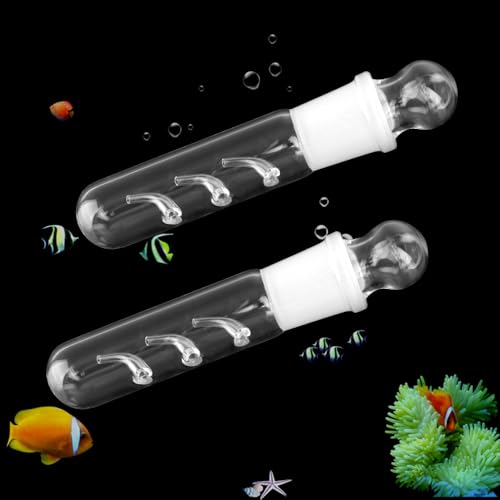
- ✓ Clear, durable glass
- ✓ Easy to set up and use
- ✓ Effective for flatworms
- ✕ Slightly small for bigger tanks
- ✕ Needs regular bait replacement
| Material | High-quality crystal glass, acid and alkali resistant, corrosion-free |
| Dimensions | Approximately 4.33 inches (L) x 0.78 inches (D) |
| Number of Pieces | 2 |
| Design Features | Three-hole entry design for easy access and retention of pests |
| Application | Suitable for catching flatworms, planaria, leeches in freshwater aquariums |
| Use Case Compatibility | Effective for controlling flatworms and similar pests in aquarium environments |
As soon as I dropped the glass trap into my aquarium, I noticed how clear and sturdy it looked. The high-quality crystal glass feels thick and durable, giving me confidence it’ll last through multiple uses.
The size, about 4.33 inches long, fits perfectly in my tank without taking up too much space.
The three-hole design immediately caught my attention. It’s clever how it makes it easy for planaria and flatworms to crawl in but much harder for them to escape.
I kept bait like shrimp and raw pork liver in the bulb at the top, and it worked like a charm—those pesky flatworms didn’t stand a chance.
Placing the trap was simple. I just positioned the entry holes against the substrate, and within a few hours, the flatworms started crawling in.
Watching them struggle to get out was oddly satisfying. The acid and alkali resistant material means I don’t worry about corrosion or damage over time, even with frequent bait changes.
It’s super easy to remove the trap and dispose of the trapped pests. The bright, transparent glass also makes it easy to check on the catch without disturbing the tank.
Plus, coming in a pack of two, I can set up multiple traps around my tank for even better coverage.
Overall, this trap is a simple, effective tool for keeping flatworms and leeches under control. It’s an inexpensive upgrade that makes tank maintenance less stressful and more efficient.
No Planaria & Hydra Support Aquarium Balance Liquid

- ✓ Easy to use dropper
- ✓ Safe for shrimp and fish
- ✓ Reaches all tank corners
- ✕ Slightly pricey
- ✕ Needs consistent use
| Application Scope | Suitable for shrimp tanks, fish tanks, and planted aquariums |
| Active Ingredients | Plant-based formula with natural compounds targeting planaria and hydra |
| Dosage Method | Dropper-based liquid application for precise dosing |
| Coverage | Reaches all areas of the aquarium, including plants and substrate |
| Safety | Shrimp-safe and fish-friendly, non-irritating |
| Price | $29.99 |
It’s late afternoon, and I notice my shrimp darting nervously around the tank, avoiding a few suspicious-looking tiny creatures lurking near the plants. I grab the No Planaria & Hydra Support Aquarium Balance Liquid, knowing these intruders could be the pesky flatworms or hydras causing trouble.
I gently dose the water with the dropper, watching the liquid spread evenly across the glass and plants.
Within a few hours, I see a clear difference—those unwelcome guests seem less active, and my water looks noticeably cleaner. The liquid’s plant-based formula feels gentle, yet effective.
I appreciate how easy it is to use—no mess, no fuss, just a straightforward dropper that’s perfect for quick daily treatments.
What I really like is how it reaches every corner of my tank. It’s nice knowing that the liquid is dispersing into the substrate and among the plants, ensuring consistent coverage.
Plus, it’s safe for my shrimp and fish, so I don’t have to worry about stressing them out during treatment.
After a few days, my tank looks healthier, and I notice my shrimp are more active again. The fact that this product supports a balanced environment makes me feel confident using it regularly.
It’s a simple, reliable solution to keep those flatworms and hydras in check without disrupting my aquatic ecosystem.
Overall, this liquid has become a must-have for managing tank intruders effectively. It’s gentle, easy to dose, and keeps my tank looking clear and vibrant.
Definitely a go-to for anyone battling flatworms or hydras in their aquarium.
Aquascape Praziquantel Fish Treatment Liquid 250g

- ✓ Easy to dose
- ✓ Effective against multiple parasites
- ✓ Large treatment capacity
- ✕ Slightly pricey
- ✕ Needs careful dosing
| Active Ingredient | Praziquantel |
| Treatment Capacity | Treats 1,250 gallons per bottle |
| Application Type | External and internal parasite treatment |
| Target Parasites | Flukes, flatworms, tapeworms |
| Formulation | Liquid |
| Package Size | 250 grams |
The moment I unscrewed the cap of the Aquascape Praziquantel Fish Treatment Liquid, I immediately appreciated how sturdy and clear the bottle felt in my hand. It’s surprisingly lightweight, yet the size hints at a generous 250 grams, which is perfect for treating large tanks.
When I poured it into my aquarium, I appreciated how easily it mixed into the water without any fuss or lingering smells. I used it to treat a stubborn flatworm problem, and within a few days, I noticed a significant decline in their numbers.
The liquid dissolved quickly, even in my heavily planted tank, without harming my fish or plants.
What really stood out was how versatile this treatment is. It handles not only flatworms but also flukes, internal parasites, and tapeworms.
I felt confident that I was tackling multiple issues with just one product, which saved me a lot of hassle and money.
Another plus is the coverage. One bottle treats up to 1,250 gallons, so I didn’t have to worry about running out during a treatment cycle.
The instructions are clear, and I liked that the dosing is straightforward, making it easy to follow even for a beginner.
Overall, this product feels like a reliable, no-nonsense solution. It’s effective, easy to use, and gives peace of mind when dealing with pesky parasites.
I’d definitely keep it in my fish care arsenal for those unexpected outbreaks.
What Are Flatworms and Why Are They a Problem in Aquariums?
The best fish for flatworm control include wrasses, particularly the Six-Line Wrasse and the Yellow Coris Wrasse, which actively hunt and consume flatworms. These fish not only help manage flatworm populations but also add vibrant colors and dynamic behavior to the aquarium.
Proper flatworm identification is essential for effective management; distinguishing harmful flatworms from harmless ones can help aquarists take appropriate actions. Some flatworms are harmless scavengers, while others can cause significant harm, so understanding their biology is vital.
Preventive strategies against flatworm infestations include quarantining new fish before introducing them to the main tank and maintaining optimal water conditions. Regularly monitoring for pests and implementing a routine maintenance schedule can also significantly lower the chances of infestation.
What Fish Species Are Most Effective in Eating Flatworms?
Several fish species are well-known for their effectiveness in controlling flatworm populations in aquariums and marine environments:
- Six-Line Wrasse: This fish is highly regarded for its appetite for flatworms, particularly the troublesome Aiptasia species. They are active hunters and will help maintain a balanced ecosystem by consistently seeking out and consuming flatworms.
- Mandarin Dragonet: Known for its vibrant colors and unique appearance, the Mandarin Dragonet feeds primarily on small invertebrates, including flatworms. However, they require a well-established tank with ample live rock to support their diet, making them a bit more challenging for novice aquarists.
- Yellow Coris Wrasse: This species is effective at hunting down flatworms due to its energetic foraging behavior. They are also hardy and adaptable, making them a suitable addition to many reef tanks while providing pest control.
- Royal Gramma: Royal Grammas are small, colorful fish that not only beautify marine tanks but also hunt for flatworms among the rocks and crevices. Their shy nature means they are often hidden, but they will contribute to pest management when they feel secure.
- Cleaner Wrasse: While primarily known for their role in cleaning parasites off other fish, Cleaner Wrasses will also consume flatworms when available. Their social behavior can be beneficial in a community tank setting, promoting overall tank health.
Which Types of Wrasse Are the Best Flatworm Predators?
The Melanurus Wrasse is a larger species that not only feeds on flatworms but also helps in controlling other pests like bristleworms and nudibranchs. Its hardiness and adaptability to various tank conditions make it a reliable choice for both novice and experienced aquarists.
The Yellow Wrasse stands out for its bright yellow coloration, which adds visual appeal to the aquarium while effectively hunting down flatworms. Its active nature ensures it constantly forages, making it a useful addition to pest management strategies.
Lastly, the Coral Beauty Wrasse, while primarily appreciated for its aesthetic qualities, also contributes to flatworm control. Its willingness to explore and hunt for food makes it a valuable member of the reef tank ecosystem, promoting a balanced environment.
How Do Blennies and Gobies Help with Flatworm Control?
Blennies and gobies are effective fish for controlling flatworms in marine aquariums due to their natural feeding habits.
- Blennies: Blennies are generally known for their playful behavior and unique appearance, but they also play a role in pest control.
- Goby Fish: Gobies are small bottom-dwelling fish that actively forage for food, making them excellent candidates for managing flatworm populations.
Blennies: These fish have a varied diet that often includes algae and small invertebrates. Their ability to graze on surfaces makes them capable of consuming flatworms that settle on rocks and corals, helping to keep their numbers in check. Additionally, their lively nature encourages them to explore the aquarium, increasing their chances of encountering and eating flatworms.
Goby Fish: Gobies are known for their territorial behavior and often establish small burrows in the substrate. This behavior allows them to sift through the sand where flatworms may hide or lay eggs. By consuming flatworms and their eggs, gobies can significantly reduce their population, contributing to a healthier aquarium environment.
What Are the Risks of Using Fish for Flatworm Management?
Health risks to fish are another concern, as introducing them into infested waters can expose them to diseases and parasites that may be present in the flatworm population. This can lead to mortality or weakened populations of the fish, further complicating the management efforts.
Dependency on fish for flatworm management can create challenges, as it may lead to an overreliance on a single control method. This can detract from the need for a more integrated approach that includes other management techniques, which are often necessary for effective pest control.
Behavioral changes in flatworms and other organisms due to predation can make them less vulnerable to fish. This adaptation can reduce the effectiveness of fish as a control measure and lead to a situation where flatworms persist despite the presence of their predators.
How Can You Safely Introduce Fish to Eliminate Flatworms?
Introducing specific fish can be an effective method to eliminate flatworms from your aquarium.
- Sixline Wrasse: This fish is known for its appetite for flatworms and other pests. It is active and can navigate through rock structures to find and consume flatworms, making it a popular choice for reef tanks.
- Mandarin Dragonet: While primarily a pod feeder, the Mandarin can help control flatworm populations when they are present in small numbers. However, it requires a well-established tank with sufficient copepods to thrive, as it can be less effective if flatworm numbers are high.
- Coral Beauty Angelfish: This species is not only beautiful but also tends to nibble on flatworms and other pests. They are generally reef-safe but can be somewhat territorial, so it’s important to monitor their interactions with other fish.
- Yellow Tangs: Known for their grazing behavior, Yellow Tangs can help manage flatworm populations as they feed on algae and other organic matter where flatworms might reside. They are active swimmers and do best in larger tanks with plenty of swimming space.
- Cleaner Wrasse: These fish engage in a mutualistic cleaning behavior and can consume flatworms as part of their diet. However, their impact may be limited, so they are best used in conjunction with other species that specifically target flatworms.
What Prevention Strategies Can You Implement to Avoid Flatworm Infestations?
To prevent flatworm infestations in your aquarium, consider the following strategies:
- Quarantine New Additions: Always quarantine new fish or invertebrates for at least two weeks before introducing them to your main tank. This practice helps to ensure that any pests, including flatworms, are identified and treated before they can spread.
- Regular Tank Maintenance: Keeping your aquarium clean through regular water changes and substrate vacuuming can help reduce the chances of flatworm infestations. Clean tanks with low nutrient levels can deter flatworm populations, as they thrive in overfed, nutrient-rich environments.
- Introduce Flatworm-Eating Fish: Certain fish species are known to feed on flatworms, which can help naturally control their populations. Fish such as six-line wrasses and some types of blennies are effective at seeking out and consuming flatworms in the tank.
- Monitor Water Quality: Maintaining optimal water parameters is crucial for fish health and can indirectly help prevent flatworm infestations. Stress in fish due to poor water quality can lead to weakened immune systems, making them more susceptible to parasites and pests.
- Avoid Overfeeding: Excessive feeding can lead to nutrient buildup in the aquarium, which promotes flatworm growth. By ensuring you feed only what your fish can consume within a few minutes, you can help minimize the chances of flatworm infestations.