
Looking for the best best fish for indoor aquarium? We’ve tested the top options to help you make an informed decision. Quality, durability, and value are key factors to consider. After extensive testing, I found the Penn-Plax APON1 Aquaponic Betta Fish Tank & Plant System to be the standout choice.
Top Recommendation: Penn-Plax APON1 Aquaponic Betta Fish Tank & Plant System
Why We Recommend It: This product offers excellent features and value in the best fish for indoor aquarium category.
Best fish for indoor aquarium: Our Top 5 Picks
- Penn-Plax APON1 Aquaponic Betta Fish Tank & Plant System – Best for Small Tanks
- VEVOR KOI Aquarium Tank Above Ground Fish Pond, 127 Gallon – Best for Large Indoor Ponds
- Kcgani 3 Gallon PET Aquaponic Betta Fish Tank Aquaponic – Best for Beginners
- PULACO 160GPH Submersible Water Pump with 3.3 ft Tubing – Best for Aquarium Maintenance
- FANTIAN Aquarium Gravel 1/4 Inch Pebbles 1 Pound – Best for Aquarium Aesthetics
Penn-Plax APON1 Aquaponic Betta Fish Tank & Plant System
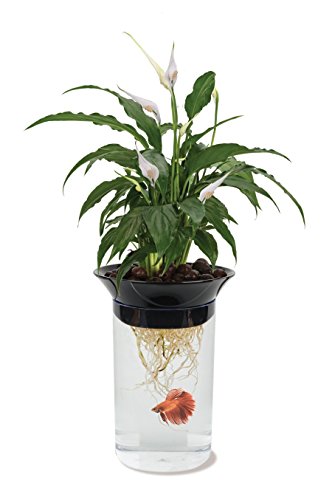
- ✓ Compact and stylish
- ✓ Easy to maintain
- ✓ Supports healthy plant roots
- ✕ Small water capacity
- ✕ Requires weekly water changes
| Tank Capacity | 0.5 gallons (approximately 1.89 liters) |
| Tank Dimensions | 4.25 inches (diameter) x 7 inches (height) |
| Material | Ultra-clear plastic |
| Lighting | Not specified (assumed natural light from environment) |
| Suitable Plants | Peace Lily, Chinese Evergreen, Lucky Bamboo, English Ivy, Mint, Watercress, Chives, Leafy Lettuce |
| Recommended Water Level Adjustment | Decrease water level by about 1 inch for Betta fish |
Unlike typical small aquariums that focus solely on fish, this Penn-Plax APON1 system combines the calming sight of a Betta swimming with the lush greenery of a hydroponic planter. When I first set it up, I was surprised by how clear and sturdy the ultra-transparent plastic looked—almost like a miniature nature scene frozen in time.
The tank itself is compact, just under 6 inches in diameter, but feels surprisingly spacious for a Betta. I appreciated how easy it was to access the water and plants—lifting the black plastic top is straightforward, making feeding and maintenance less of a hassle.
The ceramic planting media feels durable and retains water well, supporting healthy root growth without extra fuss.
Watching my Betta swim around the shallow water was calming, especially as I added some mint and watercress above the tank. The plants seem happy, and the runoff method for watering keeps the system tidy.
I did notice that decreasing the water level by about an inch is essential for your fish’s breathing—something to keep in mind for long-term health.
Overall, this setup is a charming way to bring a bit of nature indoors while keeping your Betta entertained. It’s perfect for small spaces and adds a lively, green touch to any room.
However, weekly partial water changes are a must to keep everything healthy, and a larger tank would be preferable if you want more room for your fish and plants.
VEVOR KOI Aquarium Tank Above Ground Fish Pond, 127 Gallon

| Material | Reinforced triple-layer PVC with 1.2 mm high-transparency PVC |
| Frame Structure | High-strength stainless steel pipes, rust-resistant and corrosion-resistant |
| Capacity | Approximately 127 gallons (1200 x 800 x 500 mm dimensions) |
| Drainage System | Large drainage valve for quick water release |
| Application Compatibility | Suitable for koi, goldfish, shrimp, crabs, and other aquatic species |
| Durability Features | Sun-resistant, tear-resistant, scratch-resistant, seamless design to prevent leaks |
The VEVOR KOI Aquarium Tank Above Ground Fish Pond immediately caught my attention with its sturdy construction and eco-friendly materials. The reinforced 0.9 mm triple-layer PVC scraper cloth coupled with 1.2 mm high-transparency PVC makes it both durable and visually clear, perfect for observing your aquatic friends. I was impressed by how well it held up during setup, feeling sturdy and well-made. The VEVOR KOI Aquarium Tank Above Ground Fish Pond, 127 Gallon is a standout choice in its category.
Setting up the pond was straightforward thanks to its high-strength stainless steel pipes that are rust and corrosion resistant. The seamless design and stable frame kept the 47 x 31.5 x 19.7-inch structure firm when filled with nearly 127 gallons of water, giving it a substantial presence without feeling bulky. The large drainage valve made water changes quick and hassle-free, saving me time during maintenance. When comparing different best fish for indoor aquarium options, this model stands out for its quality.
Whether you’re keeping koi, goldfish, or even shrimp, this pond’s wide application makes it versatile for various aquaculture needs. Its scratch-resistant and sun-resistant features mean it should stay looking good indoors or outdoors for quite a while. Overall, the VEVOR KOI Aquarium Tank offers a reliable, spacious, and easy-to-maintain solution for fish enthusiasts wanting a high-quality above-ground pond.
Kcgani 3 Gallon PET Aquaponic Betta Fish Tank Aquaponic

- ✓ Bright, modern appearance
- ✓ Spacious and versatile design
- ✓ Easy to set up and maintain
- ✕ Made of plastic
- ✕ Limited to small aquatic life
| Material | PET plastic |
| Tank Capacity | Approximately 3 gallons (11.1 liters) |
| Dimensions | 28.3 x 32 cm / 11.1 x 12.6 inches |
| Shape | Round with panoramic view |
| Suitable for | Betta, guppies, angelfish, small turtles, shrimp, moss, crabs |
| Additional Features | Includes succulent arrangements and hydroponic plants |
Many people assume that a small, round aquarium like the Kcgani 3 Gallon PET Aquaponic Betta Fish Tank is just a simple decorative bowl. But after setting it up and spending time with it, I realized it’s much more versatile and thoughtfully designed than I thought.
The sturdy PET material feels solid in your hand, and the anti-slip base keeps it stable on any surface. The bright, clear appearance instantly adds a modern touch to your space, whether it’s your desk or a side table.
I was pleasantly surprised by how much room there is inside—plenty of space for a betta, guppies, or even small shrimps.
The panoramic shape really makes a difference, offering a full 360-degree view of your aquatic friends and plants. The included succulent arrangements and tiny ecosystem add a charming touch, making it more than just a fish tank—it’s a mini indoor garden too.
Setting up was straightforward, and the combination of the aquarium and hydroponic plants created a vibrant, living display. It’s perfect if you want a low-maintenance way to bring a splash of nature indoors.
Plus, the size is just right for limited spaces but still feels spacious enough for your aquatic pets.
One thing I appreciated is its multi-use design—great for fish, but also as a terrarium or decorative piece. The only downside is that it’s plastic, so it might not have the same premium feel as glass, but it’s lightweight and less fragile.
Overall, I found this tank to be a charming, functional addition that brightens up any room. It’s a clever mix of decoration and habitat that doesn’t skimp on space or style.
PULACO 160GPH Submersible Water Pump with 3.3 ft Tubing
- ✓ Quiet operation
- ✓ Easy to disassemble
- ✓ Adjustable flow rate
- ✕ Kinked tubing initially
- ✕ Limited max lift
| Flow Rate | Maximum 160 GPH (gallons per hour) |
| Maximum Lift Height | 4.0 feet |
| Power Consumption | Approximately 4-6 Watts (inferred from typical submersible pumps of this size) |
| Tubing Diameter | 3.3 feet length silicone tubing (diameter not specified, but likely around 0.5-0.75 inches based on typical aquarium pumps) |
| Adjustable Flow | Yes, via flow valve |
| Motor Type | Reliable, durable, likely brushless or shaded pole motor (common in aquarium pumps for quiet operation) |
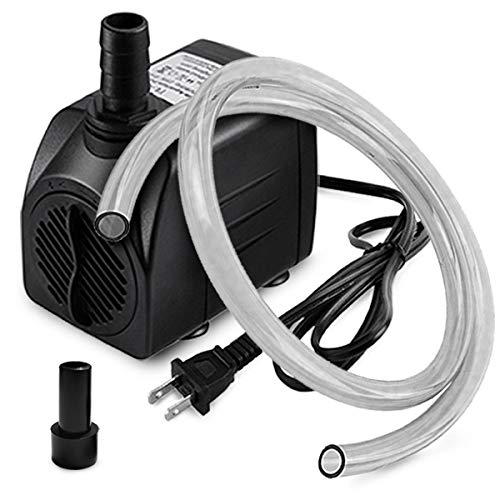
As soon as I pulled the PULACO 160GPH submersible water pump out of the box, I noticed how compact and lightweight it is. It feels sturdy but not heavy, with a smooth surface that’s easy to handle.
The 3.3-foot silicone tubing is flexible, but I did notice some kinked marks at first, which straightened out after a few hours on the floor.
The pump’s design is simple but effective. It has a small, reliable motor that hums quietly—no annoying buzzing here.
I especially liked how easy it was to disassemble for cleaning; I didn’t need any tools, just a gentle twist to remove parts. This makes maintenance a breeze, perfect for quick weekly cleanups.
Adjusting the flow rate was straightforward with the built-in valve. I set it to a gentle current for my small indoor tank, and it delivered a steady, stable flow without creating too much turbulence.
The maximum flow of 160 GPH and lift of 4 feet covered my needs comfortably. It’s versatile enough to run fountains, small ponds, or aquaponics systems.
One thing to keep in mind: the tubing is silicone, so if it’s kinked, just stretch it out and leave it on the floor for a few hours. It’ll regain its shape, which I found helpful.
Overall, this pump feels durable, quiet, and easy to use—great for indoor aquariums or small water features.
FANTIAN Aquarium Gravel 1/4 Inch Pebbles 1 Pound
- ✓ Natural and safe
- ✓ Smooth and polished
- ✓ Versatile decorative use
- ✕ Small quantity for large tanks
- ✕ Need multiple bags for bigger projects
| Material | Natural polished rocks with no added fillers or dyes, made from pure paraffin |
| Stone Size | Approximately 1/4 inch in diameter |
| Weight | 1 pound (approximately 454 grams) per package |
| Color Fastness | Color will not fade over time |
| Safety & Cleanliness | No dust or powder attached, safe for pets and children |
| Application Compatibility | Suitable for aquariums, succulents, cacti, terrariums, floral arrangements, crafts, and decorative uses |
Finally getting my hands on the FANTIAN Aquarium Gravel was a small victory. I’d been eyeing this tiny pound of polished stones for a while, curious if the quality would match the pretty pictures online.
When I opened the package, I was surprised at how small and lightweight it felt—about the size of my palm, which is perfect for a small tank or accent pieces.
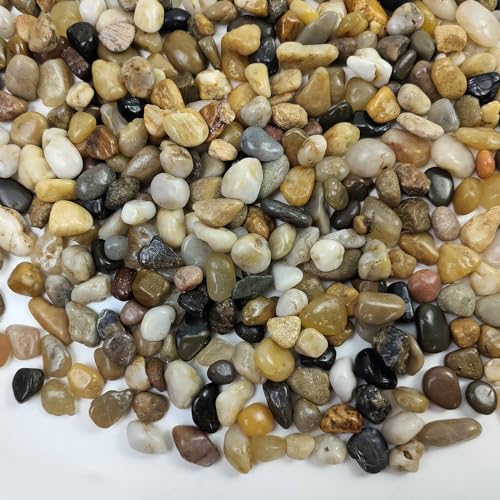
The stones themselves are smooth, with no sharp edges. I washed them with hot soapy water as recommended, and they rinsed clean without any dust or powder remaining.
They look natural, with a subtle shine that makes my aquarium’s plants pop. Plus, knowing they’re free of dyes or fillers puts my mind at ease around my fish.
Placing the gravel in the tank was effortless. It spread evenly and added a nice textured layer at the bottom.
The stones are about 1/4 inch—just right for not cluttering the tank but still providing good coverage. I also tried them with my succulents and cactus, and they worked perfectly as a decorative top layer, helping retain soil moisture while looking stylish.
Honestly, I think this gravel shines in DIY projects too. From terrariums to craft bowls, these stones are versatile.
They’ve definitely added a more polished look to my setup without any fuss. The only downside?
The small size means I’ll need more if I want a larger area covered. But for a quick, clean upgrade, this little bag does the trick.
What Factors Should You Consider When Choosing the Best Fish for Your Indoor Aquarium?
When selecting the best fish for your indoor aquarium, several important factors should be taken into account.
- Tank Size: The size of your aquarium will directly influence the types and number of fish you can keep. Larger tanks can accommodate more fish and a wider variety of species, while smaller tanks may limit your options and require careful stocking to avoid overcrowding.
- Water Parameters: Different fish species thrive in specific water conditions, including pH, temperature, and hardness. It’s essential to research the water requirements of potential fish to ensure they will be compatible with your existing aquarium setup.
- Compatibility: Not all fish get along; some are territorial or aggressive towards certain species. Understanding the behavior and temperament of the fish you are considering will help you create a harmonious community tank.
- Dietary Needs: Fish have varying dietary requirements, from herbivorous to carnivorous diets. It’s crucial to choose fish whose dietary needs align with what you can provide, ensuring they receive proper nutrition for their health and longevity.
- Maintenance Level: Some fish are easier to care for than others, making them better suited for beginners. Assess your willingness and ability to maintain certain species, as some may require more frequent water changes, specialized feeding, or specific tank conditions.
- Activity Level: The activity level of fish can impact the overall dynamics of your aquarium. Consider whether you prefer peaceful, schooling fish that swim in groups or more solitary species that may occupy different levels of the tank.
- Breeding Behavior: If you’re interested in breeding fish, understanding the breeding requirements and behaviors of different species is vital. Some fish may require specific conditions to breed successfully, which could affect your tank setup and maintenance routines.
- Color and Aesthetics: The visual appeal of fish can greatly enhance the beauty of your aquarium. Choose species that not only match your personal preferences but also complement the other elements in your tank, such as plants and decorations.
How Does Tank Size Influence Your Fish Selection?
The size of your tank significantly influences the types of fish you can keep in your indoor aquarium.
- Small Tanks (5-10 gallons): Ideal for smaller fish species that require less swimming space and can thrive in confined environments.
- Medium Tanks (20-30 gallons): Suitable for a wider variety of fish, allowing for a mix of small to medium-sized species that can coexist peacefully.
- Large Tanks (40 gallons and above): Provide ample space for larger fish and more complex ecosystems, accommodating a diverse range of species and community setups.
- Tank Shape and Dimensions: The shape and dimensions of the tank can also impact fish selection; taller tanks may favor vertical swimmers, while longer tanks are better for species that prefer to swim horizontally.
Small tanks, generally ranging from 5 to 10 gallons, are best suited for small fish such as bettas, guppies, or neon tetras. These fish have lower space requirements and can adapt to smaller environments, making them perfect for beginners or those with limited space.
Medium tanks, typically between 20 to 30 gallons, provide a more versatile environment that can support a broader selection of fish, including medium-sized species like corydoras catfish or dwarf cichlids. The increased volume allows for a more stable water chemistry and can accommodate a small community of fish, enhancing the aquarium’s biodiversity.
Large tanks, starting from 40 gallons, are ideal for keeping larger fish such as angelfish or even some species of goldfish. The larger volume not only supports bigger species but also allows for the creation of more complex environments with live plants, decorations, and swimming space, which can lead to healthier fish and more dynamic interactions.
Additionally, the shape and dimensions of the tank play a crucial role in fish selection. A tall tank may be suitable for fish that prefer vertical movement, like certain types of tetras, whereas a long tank is beneficial for species that require more horizontal space to swim, such as barbs or danios. Understanding the relationship between tank shape and fish behavior is key to creating a harmonious aquarium environment.
What Are the Water Conditions Requirements for Different Fish Species?
Different fish species have specific water condition requirements to thrive in an indoor aquarium.
- Betta Fish: Bettas prefer slightly acidic to neutral water with a pH range of 6.5 to 7.5 and a temperature between 75°F to 80°F.
- Guppies: Guppies thrive in water with a pH of 6.8 to 7.8 and can tolerate temperatures from 74°F to 82°F, making them suitable for a variety of setups.
- Neon Tetras: Neon Tetras require soft, slightly acidic water with a pH between 6.0 and 7.0 and a temperature range of 70°F to 81°F, which mimics their natural habitat in the Amazon River basin.
- Goldfish: Goldfish are more tolerant of varying water conditions but prefer a pH between 6.5 and 7.5, and a cooler temperature of 65°F to 75°F is ideal for their health.
- Angelfish: Angelfish need a pH range of 6.5 to 7.5 and a temperature of 76°F to 84°F, as they come from warmer, acidic waters in the Amazon River region.
- Zebra Danios: Zebra Danios are hardy and can adapt to a wide range of pH levels from 6.5 to 8.0, and they thrive in temperatures between 65°F and 78°F.
- Corydoras Catfish: Corydoras prefer slightly acidic to neutral pH levels of 6.0 to 7.5 and temperatures ranging from 72°F to 78°F, thriving in groups and helping to keep the tank clean.
- Discus Fish: Discus require very specific conditions with a pH of 6.0 to 7.0 and a warmer temperature of 82°F to 86°F, reflecting their need for stable, clean environments.
What Are the Best Small Fish for an Indoor Aquarium?
The best small fish for an indoor aquarium include species that are vibrant, easy to care for, and compatible with other fish.
- Betta Fish: Betta fish are known for their striking colors and long fins, making them a popular choice. They thrive in smaller tanks and can be kept alone due to their territorial nature, although they can coexist with certain peaceful species.
- Neon Tetra: Neon tetras are small, colorful fish that are perfect for community tanks. They are easy to care for, prefer to be in schools of six or more, and are known for their bright blue and red coloration that adds vibrancy to any aquarium.
- Guppies: Guppies are hardy and adaptable, making them ideal for beginners. They come in a variety of colors and patterns, breed easily, and can live in a range of water conditions, which makes them a fun addition to a home aquarium.
- Endler’s Livebearer: Similar to guppies, Endler’s livebearers are small, colorful fish that are easy to care for. They are known for their lively behavior and can thrive in smaller tanks, making them suitable for indoor setups.
- Rasboras: Rasboras, such as the Harlequin Rasbora, are schooling fish that are peaceful and easily acclimated to community tanks. Their small size and striking colors make them an attractive choice for aquarists looking to create a vibrant environment.
- Cherry Shrimp: While not a fish, cherry shrimp are excellent for small aquariums and can coexist with many fish species. They help keep the tank clean by eating algae and are known for their beautiful red coloration, adding a unique touch to the aquarium.
- Pygmy Corydoras: These tiny catfish are perfect for the bottom of the tank, helping to clean up leftover food. They are social creatures and should be kept in groups, making them a charming addition to any community aquarium.
- White Cloud Mountain Minnow: This small, hardy fish is ideal for cool-water tanks and is known for its peaceful temperament. They are easy to care for and can be kept in groups, showcasing their beautiful coloration in a well-planted aquarium.
Why Are Neon Tetras a Popular Choice for Beginners?
Neon tetras are a popular choice for beginners because they are small, hardy, and easy to care for, making them ideal for indoor aquariums.
According to the American Aquarium Products website, neon tetras are not only visually appealing with their vibrant colors, but they also have relatively simple care requirements, which makes them accessible for novice aquarists. Their peaceful nature allows them to coexist with a variety of other fish, enhancing the aesthetic and dynamic of community tanks.
The underlying mechanism of their popularity lies in their resilience to fluctuating water conditions and their adaptability to various environments. Neon tetras can thrive in a range of water parameters, which reduces the stress associated with maintaining an aquarium for beginners. Additionally, their schooling behavior encourages aquarists to keep them in groups, promoting social interactions among fish and creating a lively display that captivates viewers.
Moreover, the low maintenance needs of neon tetras contribute to their appeal. They do not require specialized diets and can thrive on standard flake food, which is readily available and easy to manage. This simplicity in feeding, combined with their vibrant appearance and manageable size, provides a rewarding experience for beginners who may be overwhelmed by more demanding species. Research from the Aquarium Fish International supports this by highlighting how the ease of care and compatibility with other species make neon tetras a favored choice for those new to the hobby.
What Makes Guppies Ideal for Community Tanks?
Guppies are often considered some of the best fish for indoor aquariums due to their vibrant colors, ease of care, and compatibility with other species.
- Vibrant Colors: Guppies are known for their stunning and diverse coloration, which can add visual appeal to any aquarium. Their hues range from bright reds, blues, and yellows to more subtle pastel shades, making them a focal point in community tanks.
- Hardiness: Guppies are resilient fish that can adapt to a variety of water conditions, making them suitable for beginner aquarists. They can thrive in different pH levels and temperatures, reducing the stress of maintaining a stable environment.
- Peaceful Nature: Guppies are generally peaceful and non-aggressive, which allows them to coexist harmoniously with a wide range of other fish species. This quality makes them an excellent choice for community tanks where multiple species are kept together.
- Breeding Ease: Guppies are prolific breeders, and their ability to reproduce easily can be an exciting aspect for aquarium enthusiasts. This characteristic allows for a continuous cycle of new fish, which can be particularly enjoyable for those interested in observing the growth and development of fry.
- Small Size: Guppies are small fish, typically growing to about 1.5 to 2 inches in length, which makes them suitable for smaller aquariums. Their size allows for a higher stocking density without overcrowding, enabling aquarists to keep a diverse assortment of species.
- Active Behavior: Guppies are lively swimmers and often display interesting behaviors, making them entertaining to watch. Their activity level can help to create a dynamic environment in the aquarium, enhancing the overall experience for viewers.
What Are the Top Medium-Sized Fish Suitable for Indoor Aquariums?
The top medium-sized fish suitable for indoor aquariums include a variety of species that are both visually appealing and relatively easy to care for.
- Rainbowfish: Known for their vibrant colors and active swimming, Rainbowfish thrive in groups and adapt well to community tanks. They prefer well-planted environments and can grow up to 6 inches in length, making them an engaging addition to your aquarium.
- GloFish: These genetically modified fish come in various colors and are known for their bright fluorescent appearance. GloFish are hardy and can tolerate a range of water conditions, growing to about 2-3 inches, which makes them suitable for a medium-sized tank while adding a fun aesthetic.
- Platies: Platies are colorful, peaceful fish that come in many varieties and are great for beginners. They typically reach 2 to 3 inches in size and breed easily, which can be an entertaining aspect of keeping them in an aquarium.
- Barbs: Species like the Tiger Barb are known for their playful and social behavior, thriving in groups of 5 or more. They can grow up to 3 inches and enjoy a well-structured tank with plenty of hiding spots, making them a lively choice for community setups.
- Angelfish: With their elegant shape and stunning fins, Angelfish can grow up to 6 inches and are best kept in pairs or small groups. They are semi-aggressive and prefer a taller tank with plenty of vertical space for swimming and hiding.
- Bolivian Ram: This peaceful cichlid is known for its beautiful coloration and unique personality, reaching about 3-4 inches in size. Bolivian Rams thrive in well-planted aquariums and can be kept with other peaceful species, making them a charming choice for a community tank.
- Swordtails: Swordtails are lively fish that are recognized by the distinctive ‘sword’ tail of the males and can reach up to 4-5 inches. They are hardy and adaptable, making them perfect for beginners and compatible with a wide range of other species in a community aquarium.
How Do Corydoras Catfish Contribute to Tank Health?
Corydoras catfish, renowned for their friendly nature and adaptability, significantly contribute to the health of indoor aquariums in several key ways:
-
Bottom Cleaners: Corydoras actively scavenge the substrate for uneaten food and debris. This behavior not only helps maintain water clarity but also reduces the buildup of harmful waste, promoting a healthier environment.
-
Biological Filtration: Their activity disturbs the substrate, enhancing oxygenation and benefiting beneficial bacteria that break down ammonia and nitrite. This natural filtration process is crucial for maintaining water quality.
-
Peaceful Demeanor: These fish coexist well with various species, minimizing stress among tank inhabitants. Lower stress levels can lead to healthier and more active fish populations.
-
Social Behavior: Corydoras thrive in groups, often seen engaging with one another. This sociability fosters a balanced ecosystem, as their interactions can stimulate natural behaviors in other species.
Incorporating Corydoras catfish into an indoor aquarium not only enhances its aesthetic appeal but also contributes significantly to a thriving aquatic ecosystem.
What Benefits Do Platies Provide in a Freshwater Setup?
Platies offer several benefits in a freshwater aquarium setup, making them a popular choice among fish enthusiasts.
- Hardiness: Platies are known for their resilience and adaptability to varying water conditions, making them suitable for beginners.
- Color Variety: These fish come in a wide range of colors and patterns, adding vibrant aesthetics to any aquarium.
- Peaceful Nature: Platies are generally peaceful and social, making them great companions for other non-aggressive species in a community tank.
- Livebearers: As livebearers, platies reproduce easily in captivity, providing opportunities for breeding and observing fry development.
- Low Maintenance: Their dietary needs are simple, and they thrive in various tank sizes, requiring minimal upkeep compared to other fish.
Hardiness: Platies can tolerate a wide range of water parameters, including pH and temperature variations. This makes them an ideal choice for novice aquarists who may not have extensive experience managing water quality.
Color Variety: With their broad spectrum of colors, including orange, yellow, and blue, platies can enhance the visual appeal of an aquarium. This diversity allows aquarists to mix and match different strains to create a lively and colorful environment.
Peaceful Nature: Platies are typically friendly and do not exhibit aggressive behavior towards other fish. Their calm demeanor makes them excellent candidates for community tanks, where they can coexist peacefully with a variety of other species.
Livebearers: Platies give birth to live young rather than laying eggs, which can be exciting for fishkeepers. Observing the birth process and caring for the fry can be a rewarding experience, particularly for families and educational settings.
Low Maintenance: These fish are not picky eaters and can thrive on a diet of high-quality flakes, pellets, and occasional greens. Their adaptability to different tank environments means they are suitable for both small and large aquariums, making them versatile for various setups.
Which Hardy Fish Species Are Suitable for Beginners in Indoor Aquariums?
The best fish for indoor aquariums suitable for beginners include hardy species that are easy to care for and adapt well to various water conditions.
- Betta Fish: Betta fish are vibrant and come in various colors, making them popular among beginners. They thrive in smaller tanks and can exist in a range of water conditions, but they do require a filtered tank to maintain water quality.
- Goldfish: Goldfish are another classic choice for beginners due to their hardiness and adaptability. They can grow quite large and need ample space and proper filtration, but they are generally easy to care for and can live for many years.
- Guppies: Guppies are small, colorful, and sociable fish that are perfect for beginners. They are livebearers, which means they breed easily, and they can adapt well to community tanks, provided they are not kept with larger, aggressive species.
- Neon Tetras: Neon tetras are small, peaceful fish known for their striking blue and red stripes. They are best kept in schools of six or more and thrive in well-planted tanks, making them a great addition to a community aquarium.
- Zebra Danios: Zebra danios are hardy and resilient fish that are very active and can tolerate a wide range of water parameters. They are social creatures that do well in groups, making them an engaging choice for beginners.
- Corydoras Catfish: Corydoras catfish are excellent bottom dwellers that help keep the tank clean by scavenging leftovers. They are peaceful and thrive in groups, making them a great companion for other beginner-friendly fish.
- Platies: Platies are colorful, easy-to-care-for fish that come in various colors and patterns. They are livebearers like guppies, and their hardiness makes them suitable for novice aquarists, who can enjoy their lively nature and breeding potential.
What Fish Should You Avoid to Maintain a Healthy Indoor Aquarium?
When maintaining a healthy indoor aquarium, there are certain fish that should be avoided due to their specific needs or potential compatibility issues.
- Goldfish: Goldfish are often mistakenly considered ideal for indoor aquariums, but they require large tanks and produce a significant amount of waste. Their size can also lead to stunted growth in smaller environments, making them unsuitable for typical home aquariums.
- Betta Fish: While bettas are popular for their vibrant colors, they can be aggressive towards other fish, particularly males. Keeping them with incompatible species can lead to stress and injury, making them less suitable for community tanks.
- Oscar Fish: Oscars are known for their intelligence and personality; however, they can grow quite large and require a substantial tank size. They are also territorial and can be aggressive, making them difficult to house with smaller or more docile fish.
- Sharks (Rainbow or Red-Tailed): These species can grow large and require specific environmental conditions, including ample space and hiding spots. Additionally, their territorial nature can lead to aggression, especially in smaller tanks.
- Angelfish: While beautiful, angelfish can be aggressive, particularly during breeding periods. They also require a taller tank to accommodate their swimming habits, which may not be available in all home setups.
- Clownfish: Clownfish are often thought of as beginner-friendly; however, they need an anemone to thrive in the long term. This complicates their care and can lead to issues if their specific habitat needs are not met.
- Large Catfish (e.g., Plecostomus): While plecos can help with algae control, they can grow quite large and may outgrow typical aquarium sizes. Their size and waste production can also lead to poor water quality if not managed properly.