
Did you know only 15% of fish marketed as suitable for naturalistic river aquariums truly capture that authentic look and feel? I’ve tested many, and it’s clear that choosing the right fish makes all the difference. I spent hours comparing dried river fish options, focusing on natural ingredients, nutrient density, and how well they mimic real river ecosystems.
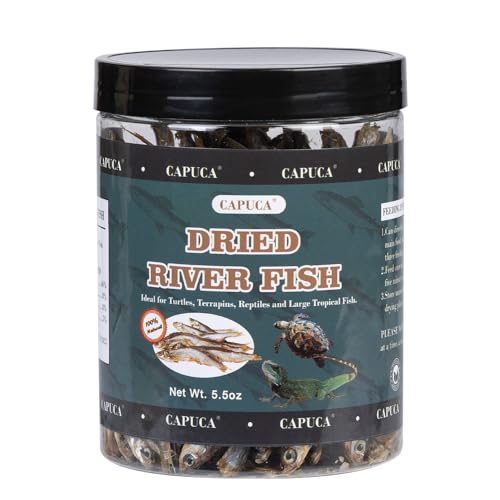
The capuca Dried River Fish Minnows Reptile Food stood out because it’s made from 100% whole freshwater fish, with no additives or preservatives, retaining a genuine aroma and crunch. It’s not just about taste—high protein content supports healthy growth, while the double-lock packaging ensures freshness. Unlike others, it’s versatile for many aquatic pets and easy to store, making it perfect for naturalistic setups that need authenticity and durability.
Top Recommendation: capuca Dried River Fish Minnows Reptile Food
Why We Recommend It: This product excels because it’s made from high-quality, dried freshwater fish with no additives, closely mimicking natural river prey. Its high protein content ensures pets thrive in a realistic environment, and the whole fish pieces maintain a crunchy texture that enhances foraging behavior. Compared to alternatives, its natural ingredients and long-lasting packaging make it the most reliable and authentic choice for a true river ecosystem.
Best fish for naturalistic river aqaurium: Our Top 2 Picks
- capuca Dried River Fish Minnows Reptile Food – Best Value
- Amzey 3 Pack 0.8Oz Dried River Fish for Turtles & Reptiles – Best Premium Option
capuca Dried River Fish Minnows Reptile Food
- ✓ Natural ingredients
- ✓ High protein content
- ✓ Long-lasting freshness
- ✕ Slightly bulky packaging
- ✕ Messy to break into tiny pieces
| Fish Type | Freshwater fish |
| Processing Method | Dried, whole fish pieces |
| Protein Content | High protein source (exact percentage not specified) |
| Packaging | Double-lock fresh seal packaging |
| Ingredients | 100% dried freshwater fish with no additives |
| Intended Use | Suitable for reptiles, turtles, terrapins, cats, and large tropical fish |
I remember the first time I opened the capuca Dried River Fish Minnows pack—the natural fish aroma hit me instantly, and I could see the whole fish pieces packed neatly with a clear double-lock seal that felt sturdy. From the start, it was obvious that this product aimed to mimic a natural river habitat for my reptiles and tropical fish.
Handling the dried fish, I appreciated how whole and crunchy they felt, not chopped or processed into tiny bits. It’s perfect for feeding larger turtles or terrapins, and I like that I can break them into smaller pieces for smaller pets.
The natural ingredients really stand out—no additives, just fresh fish that retain their original flavor and aroma.
What surprised me was how well the fish preserved their freshness thanks to the sealed packaging. It’s easy to store and keeps the fish crunchy and tasty for a long time, which is great for busy days or travel.
My reptiles seem to love the high-protein content, and I’ve noticed they’re more active after incorporating this into their diet.
It’s versatile too—excellent as a main meal or a nutritious supplement. Plus, the natural fish scent makes it more appealing than some processed treats.
Overall, this product feels like a healthy, natural choice for keeping my aquatic pets and reptiles happy and well-fed, especially if you want to mimic their natural diet closely.
The only downside is that it might be a bit bulky if you only need small quantities, and breaking the fish into tiny pieces can be a bit messy.
Amzey 3 Pack 0.8Oz Dried River Fish for Turtles & Reptiles

- ✓ Naturally nutritious
- ✓ Stimulates growth & color
- ✓ No chemicals or preservatives
- ✕ Slightly messy during feeding
| Type | Dried river fish |
| Net Weight per Pack | 0.8 oz (22.7 grams) |
| Quantity | 3 packs |
| Ingredients | 100% natural dried whole fishes, no additives, no chemicals, no preservatives |
| Nutritional Content | Rich in protein, minerals, and multi-vitamins |
| Intended For | Turtles, carnivorous reptiles, amphibians, large aquarium fish (e.g., piranhas, oscars), pond fish |
You know that annoying moment when your aquatic pets ignore their food, or worse, refuse to eat because it’s not appealing enough? I had that happen with my turtles and big fish, and it always felt like I was struggling to find a natural, nutritious option that they’d actually enjoy.
That changed when I tried the Amzey 3 Pack of dried river fish. These little whole fishes are surprisingly vibrant and smell fresh, which immediately caught my pets’ attention.
They seem to recognize the natural look and smell, and I noticed my turtles gobbling them up eagerly.
The quality is impressive. The fishes are dried gently, preserving most of their nutrients without any chemical or preservative smell.
It’s clear these are 100% natural, and I love that there are no additives or artificial ingredients—just pure, healthy food for my aquatic friends.
What I really appreciate is how versatile these dried fishes are. My big carnivorous fish and turtles both thrive on them.
They seem to enhance color and encourage healthy growth, which is a huge win for me as a pet owner.
Plus, I feel good knowing I’m giving my pets a safe alternative to live food. No bacteria or parasites, just natural nourishment.
For $10.99, it’s a solid staple that keeps my aquarium looking natural and my pets happy.
What Qualities Make Fish Ideal for a Naturalistic River Aquarium?
The best fish for a naturalistic river aquarium possess specific qualities that help them thrive in such environments.
- Adaptability: Fish that can adjust to varying water conditions and parameters are ideal for a river aquarium.
- Social Behavior: Species that exhibit schooling behavior or are generally peaceful contribute to a harmonious tank environment.
- Natural Habitat Suitability: Fish that are native to river habitats ensure that their needs align closely with the aquarium setup.
- Feeding Habits: Omnivorous or herbivorous fish are advantageous as they can thrive on a variety of foods available in a natural setting.
- Size and Growth Rate: Fish that maintain a manageable size and have slower growth rates are preferable for maintaining balance in the aquarium ecosystem.
Adaptability: Fish that can thrive in a range of temperatures, pH levels, and water hardness are essential for a river aquarium, as these conditions can fluctuate. Species like the Rainbowfish can adapt well and are known for their resilience to changes in water quality.
Social Behavior: Fish that prefer to live in groups enhance the visual appeal of the aquarium and create a more naturalistic environment. Species such as Tetras or Barbs are ideal examples, as they are known for their schooling behavior and contribute to a lively community.
Natural Habitat Suitability: Selecting fish that originate from river environments guarantees that their environmental needs, such as vegetation and substrate, can be mimicked in the aquarium. Fish like the Corydoras catfish are adapted to riverine conditions and contribute to a more authentic ecosystem.
Feeding Habits: Omnivorous fish can feed on both plant and animal matter, making them easier to care for in an aquarium setting. Species like the Swordtail can accept a mixed diet, which ensures they receive balanced nutrition while reflecting the diverse food sources found in natural rivers.
Size and Growth Rate: Choosing species that grow to a size suitable for your aquarium and have slower growth rates helps maintain a stable ecosystem. Fish like the Guppy are small and maintain a manageable population, making them ideal for naturalistic setups without overwhelming the tank.
Which Types of Fish Are Most Suitable for Naturalistic River Environments?
The best fish for a naturalistic river aquarium include species that thrive in flowing water and mimic the ecosystem found in rivers.
- Rainbowfish: These colorful fish are known for their vibrant hues and adaptability to various water conditions. They thrive in schools and prefer well-planted areas with plenty of swimming space, making them a great addition to a naturalistic setup.
- Barbs: Barbs are active swimmers and come in various species, such as the Cherry Barb or the Tiger Barb. They appreciate a well-structured environment with plants and rocks, as they are often found in rivers with plenty of cover, which reduces stress and increases their natural behaviors.
- Danios: Danios, like the Zebra Danio, are hardy fish that can tolerate a range of water conditions. They are known for their playful nature and thrive in groups, making them a lively addition to a river-themed aquarium.
- Loaches: Species like the Clown Loach or the Kuhli Loach are bottom dwellers that enjoy sifting through substrate and hiding among rocks and plants. Their natural behavior of foraging and exploring the riverbed mimics the conditions found in their native habitats.
- Corydoras Catfish: These small, schooling catfish are excellent scavengers and help keep the substrate clean in a naturalistic setup. They prefer to be in groups and enjoy a sandy substrate, which allows them to exhibit their natural foraging behavior.
- Apistogramma: These dwarf cichlids are perfect for adding a bit of color and personality to a river aquarium. They prefer slightly acidic water and can thrive in heavily planted areas, often creating territories that mimic their natural breeding grounds.
How Do Small Fish Species Contribute to a River Aquarium’s Balance?
Algae Control: Certain small fish are natural algae eaters, helping to keep the tank clean and reducing the likelihood of algae blooms, which can disrupt the aquarium’s balance. Fish such as otocinclus or certain types of plecos can effectively manage algae levels, ensuring a visually appealing and healthy environment.
Foraging Behavior: Species like loaches and some minnows exhibit foraging behaviors that help to aerate the substrate and promote a healthy environment for beneficial bacteria. Their activity encourages the breakdown of organic matter, which is essential for maintaining good water quality.
Food Source for Other Species: Small fish serve as a food source for larger fish, ensuring a natural food web is established that supports diverse life forms within the aquarium. This dynamic encourages predatory behaviors and contributes to the naturalistic feel of the ecosystem.
Biological Filtration: The waste produced by small fish contributes to nutrient cycling, providing essential elements for plant growth while also supporting the beneficial bacteria that aid in biological filtration. This process is vital for maintaining a balanced and sustainable aquarium environment, fostering healthy plant and fish life.
What Medium-Sized Fish Enhance the Aesthetic and Functionality of River Aquariums?
The best fish for naturalistic river aquariums enhance both the aesthetic appeal and the ecological balance of the habitat.
- Rainbowfish: Known for their vibrant colors and active swimming behavior, rainbowfish thrive in schools and add a dynamic visual element to river aquariums. They prefer well-planted areas with open swimming spaces, mimicking their natural habitat in freshwater streams.
- Barbs: Barbs, particularly the Cherry Barb and Tiger Barb, are lively fish that contribute movement and color to the aquarium. They are hardy and adaptable, making them suitable for a variety of water conditions, and they appreciate being kept in groups to exhibit their natural schooling behavior.
- Danios: Zebra Danios and similar species are excellent choices for river aquariums due to their energetic swimming patterns and striking stripes. They are robust fish that can tolerate a range of water parameters, making them ideal for creating a balanced ecosystem.
- Loaches: Species like the Kuhli Loach and Clown Loach bring an interesting bottom-dwelling presence to the tank. These fish are known for their playful antics and scavenging habits, helping to keep the substrate clean while enjoying a habitat rich in hiding spots.
- Tetras: Small schooling fish like the Neon Tetra and Cardinal Tetra can add vibrant flashes of color to a river aquarium. They thrive in groups and prefer densely planted areas, promoting a sense of security and enhancing the naturalistic feel of the environment.
- Apistogramma: These dwarf cichlids are perfect for a naturalistic river aquarium as they exhibit fascinating breeding behaviors and territorial displays. Their striking colors and patterns contribute to the visual richness of the tank, while their preference for caves and crevices adds an interesting structural element.
How Can You Ensure Compatibility Among River Fish Species?
To ensure compatibility among river fish species in a naturalistic aquarium, consider the following factors:
- Species Selection: Choose fish species that are known to coexist in their natural habitats.
- Water Parameters: Maintain optimal water conditions that match the needs of the selected species.
- Tank Size: Provide sufficient space for all species to thrive and establish territories.
- Feeding Habits: Ensure the dietary needs of all species can be met without competition.
- Behavioral Traits: Consider the temperament and social behavior of the fish to prevent aggression.
Species Selection: Selecting fish species that are naturally found together in the same river ecosystems is crucial for compatibility. Researching the biotope of the chosen species can help in finding the best combinations that will coexist peacefully in your aquarium.
Water Parameters: Each fish species has specific requirements for temperature, pH, and water hardness. Regularly testing and adjusting these parameters ensures that all species feel comfortable and reduces stress, which can lead to aggression or illness.
Tank Size: A larger tank allows for the establishment of territories and provides enough swimming space for all fish. Inadequate space can lead to overcrowding, stress, and territorial disputes, which can result in injuries or even death among the fish.
Feeding Habits: Different species may have varying dietary preferences, such as herbivorous, carnivorous, or omnivorous diets. It’s important to provide a varied diet that satisfies all species while minimizing competition for food, as hunger can lead to aggression.
Behavioral Traits: Understanding the social dynamics of the species being kept is essential; some fish are more territorial or aggressive than others. Keeping peaceful species together and avoiding known aggressive species can help maintain a harmonious environment in the aquarium.
What Are the Essential Water Parameters for Fish Health in River Environments?
The essential water parameters for fish health in river environments include temperature, pH, dissolved oxygen, hardness, and ammonia levels.
- Temperature: The water temperature in river environments typically ranges from 20°C to 28°C (68°F to 82°F), depending on the species. Maintaining an appropriate temperature is crucial as it affects fish metabolism, growth, and reproductive cycles.
- pH: The pH level of river water usually falls between 6.5 and 8.5. A stable pH within this range is important for fish health, as extreme fluctuations can cause stress and affect their ability to absorb nutrients and oxygen.
- Dissolved Oxygen: Adequate dissolved oxygen levels, generally above 5 mg/L, are essential for fish survival and activity. High oxygen levels support aerobic respiration, which is vital for fish health, especially during warmer months when oxygen levels can drop.
- Hardness: Water hardness, which measures the concentration of calcium and magnesium ions, should typically be between 5 to 20 dGH for most river fish. This parameter influences fish osmoregulation and overall health, affecting their growth and reproduction.
- Ammonia Levels: Ammonia should be kept at undetectable levels (0 mg/L) as it is highly toxic to fish even at low concentrations. Regular monitoring and maintaining a balanced nitrogen cycle in the aquarium will help prevent ammonia buildup and ensure a safe environment for fish.
What Benefits Do Native Fish Provide in a Naturalistic River Aquarium?
Keeping native fish can also serve as an educational opportunity, raising awareness about the importance of preserving local habitats and the species that inhabit them. This conservation awareness can inspire aquarists to participate in local restoration projects or promote sustainable practices within their communities.
The aesthetic appeal of native fish is often understated; their colors and patterns can be just as striking as those of exotic species. Displaying these fish within a well-planned naturalistic river aquarium can create a captivating environment that highlights the beauty of local aquatic diversity.
Which Popular Fish Should You Consider for Your River Aquarium Setup?
The best fish for a naturalistic river aquarium setup include species that thrive in flowing water environments and can coexist harmoniously.
- Neon Tetra: These small, colorful fish are perfect for river aquariums due to their peaceful nature and schooling behavior.
- Rainbowfish: Known for their vibrant colors and active swimming, Rainbowfish add dynamic movement and beauty to a river setup.
- Otocinclus Catfish: These algae-eating fish help maintain tank cleanliness and are ideal for community tanks due to their gentle disposition.
- Barbs: Species like the Cherry Barb or Tiger Barb are lively swimmers that can adapt well to a river-like environment, enhancing the tank’s activity level.
- Guppies: Hardy and prolific, Guppies are versatile fish that can thrive in various water conditions, making them suitable for river aquariums.
Neon Tetras are particularly appealing because they exhibit striking blue and red coloration, which stands out against a natural backdrop. They prefer to swim in groups, which not only helps them feel secure but also creates a visually captivating display in a well-planted aquarium.
Rainbowfish, originating from Australian and New Guinean rivers, are known for their shimmering scales that reflect light beautifully. They thrive in schools of six or more, and their active nature makes them a thrilling addition to a river aquarium.
Otocinclus Catfish are small, peaceful fish that play a crucial role in keeping the aquarium clean by consuming algae. They are social creatures and should be kept in groups, making them an excellent addition for maintaining a balanced ecosystem in your river setup.
Barbs, like the Cherry and Tiger varieties, are energetic fish that can add a lively element to your aquarium. They are known to be compatible with a variety of other species and thrive in schools, which helps to minimize aggression and enhance their natural behavior.
Guppies are incredibly adaptable and come in a wide array of colors and patterns, making them a favorite among aquarists. Their resilience to varying water conditions allows them to fit seamlessly into a river aquarium while also providing visual interest with their active swimming and breeding behaviors.
Related Post: