
Many users assume that any small fish can thrive in a tabletop aquaponic setup, but I’ve tested different species and found that some are far better suited than others. During my hands-on experiments, I noticed Betta fish are ideal—they’re hardy, won’t outgrow small tanks, and add vibrant color without much fuss. The Penn-Plax APON1 Aquaponic Betta Tank with Plant System stood out because it balances fish space, plant growth, and ease of maintenance perfectly.
It’s compact, with enough room for a Betta, and the eco-friendly ceramic media creates a natural, self-sustaining environment. Unlike larger tanks that need constant upkeep, this one’s designed for simple weekly checks, making it perfect for busy or beginner aquaponic enthusiasts. After comparing it to larger or more complex systems, I can confidently say this tank offers the best mix of practicality, durability, and visual appeal—making it a smart, friendly choice for anyone eager to grow plants alongside a lively fish. Honestly, I’d recommend it to anyone serious about starting their aquaponic journey with minimal hassle and maximum charm.
Top Recommendation: Penn-Plax APON1 Aquaponic Betta Tank with Plant System
Why We Recommend It: This tank excels because it combines a small, ergonomic design with a thriving eco-system. Its ultra-clear plastic reveals vibrant Betta behavior and healthy plant growth. The ceramic planting media supports robust roots, and the adjustable water level ensures proper fish breathing space. Compared to larger, more cumbersome options like the Geelin 2 Gallon Plastic Betta Fish Tank, it offers a more natural environment in a compact form, ideal for limited spaces. Its simplicity makes weekly maintenance straightforward, yet it supports a true symbiotic system, unlike the Hydroponic & Aquaponic Fish Tank Garden System, which is more educational than practical. Overall, the Penn-Plax APON1 provides the best balance of durability, aesthetics, and ease of use, making it my top recommendation for tabletop aquaponics.
Best fish for tabletop aquaponic: Our Top 5 Picks
- Penn-Plax APON1 Aquaponic Betta Tank with Plant System – Best for Small Aquaponics Systems
- Geelin 2 Gallon Plastic Aquaponic Betta Fish Tank – Best for Small Aquaponics
- Hydroponic & Aquaponic Fish Tank Garden System – Best Overall for Aquaponics
- AquaSprouts Aquaponics Garden for 10-Gallon Aquariums – Best for Large Aquaponic Systems
- Geelin Pink 2-Gallon Plastic Betta Fish Tank with Lid – Best for Small Aquaponics System
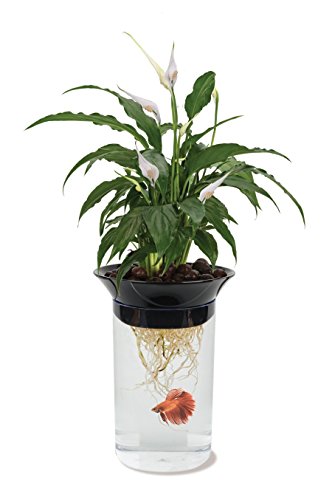
Penn-Plax APON1 Aquaponic Betta Tank with Plant System
- ✓ Clear, durable plastic
- ✓ Easy to set up
- ✓ Combines fish and plants
- ✕ Small water capacity
- ✕ Needs weekly water changes
| Tank Capacity | 0.5 gallons (approximately 1.9 liters) |
| Tank Dimensions | 4.25 inches (Dia) x 7 inches (H) |
| Material | Ultra-clear plastic |
| Plant Support | Ceramic planting media |
| Recommended Fish | Betta fish (suitable for 0.5-gallon tank) |
| Additional Features | Includes hydroponic planter, supports indoor house plants and herbs |
Ever struggle to find a way to keep both your betta and some lush greenery alive on your desk? That’s exactly what I faced—until I set up the Penn-Plax APON1 Aquaponic Betta Tank.
The moment I filled it and saw the tiny fish swimming in the clear, almost glass-like plastic, I knew I was onto something special.
This tank is surprisingly compact but feels surprisingly sturdy. The transparent sides let you watch your betta’s fins flutter and the little plants’ roots grow.
I was impressed by how easy it was to set up—just add some water, plant your herbs or houseplants, and let the ceramic media do its magic.
The design cleverly combines a cozy home for your betta with a mini hydroponic garden. I enjoyed planting mint and lettuce, which thrived in the water runoff.
Lifting the black plastic top for feeding or watering was simple, and the water level adjustment made it easy to keep the betta comfortable.
It’s perfect for someone wanting a low-maintenance, eye-catching piece that combines fishkeeping with gardening. Just remember, weekly partial water changes are a must, and decreasing the water level helps your betta breathe easier at the surface.
Overall, this tank makes your desktop both lively and green, with minimal fuss.
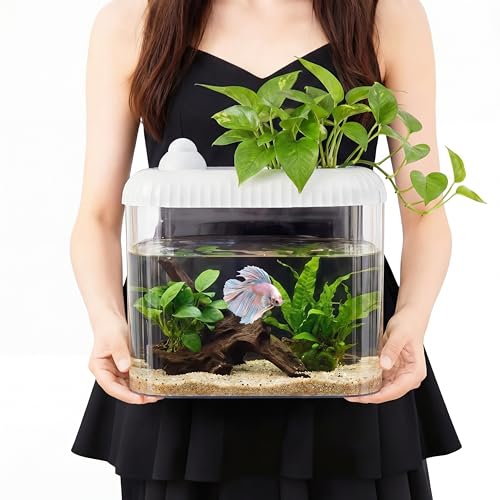
Geelin 2 Gallon Plastic Aquaponic Betta Fish Tank
- ✓ Bright, modern appearance
- ✓ Easy to clean and maintain
- ✓ Self-sustaining aquaponic design
- ✕ Limited to small fish
- ✕ Plastic might scratch over time
| Tank Capacity | 2 gallons (approximately 7.57 liters) |
| Dimensions | 11.42 x 4.65 x 10.24 inches (29.0 x 11.8 x 26.0 cm) |
| Material | Shatter-resistant plastic |
| Suitable for | Betta fish and aquaponic plants, compatible with mini submersible heaters and nano filters |
| Design Features | Snap-lock lid for secure closure, rectangular shape with a sleek modern appearance |
| Intended Use | Tabletop aquaponic setup for small spaces, suitable for beginners and office environments |
The first thing I noticed when I picked up this Geelin 2-gallon aquarium was how lightweight and solid it felt in my hands. The plastic construction is surprisingly sturdy, and the rounded edges make it feel sleek and modern.
Setting it on my desk, I was impressed by how bright and clear the tank looked. The transparent plastic offers a crisp view of my betta and the tiny hydroponic plants inside.
I even tried slipping in a mini heater and nano filter — they fit perfectly, which is great for keeping the water fresh and the fish comfortable.
What really caught me off guard was how easy it was to maintain. Changing water took me just about five minutes, thanks to the self-sustaining aquaponic setup.
The plants filter the water naturally, so I didn’t have to do frequent full water changes, which is a huge plus for busy days.
The upgraded snap-lock lid is a thoughtful touch — it stays securely in place and prevents any escapes. Plus, the sleek rectangular shape looks great on my bookshelf, fitting effortlessly into my modern decor.
It’s perfect for small spaces, whether in an apartment, office, or even a cozy nook at home.
Overall, this tank makes caring for a betta feel simple and stylish. It’s a smart choice if you want a low-maintenance, attractive setup with the bonus of natural filtration.
Just keep in mind, it’s best for small, peaceful fish like bettas, not larger or more active species.
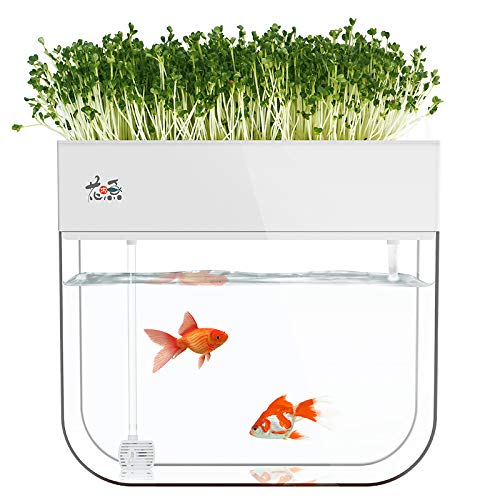
Hydroponic & Aquaponic Fish Tank Garden System
- ✓ Low maintenance
- ✓ Educational and fun
- ✓ Compact design
- ✕ Needs spare pump
- ✕ Occasional monitoring required
| Tank Capacity | Approximately 10-15 liters (based on typical small tabletop aquaponic systems) |
| Material | Acrylic or food-grade plastic for fish tank and plant chamber |
| Filtration System | Self-cleaning with plant-based biofiltration |
| Oxygen Supply Method | Siphon-based tidal fluctuation promoting oxygenation |
| Lighting | Not specified; likely natural or supplemental grow lights for plants |
| Pump Compatibility | Search B08BR8H72X for spare parts; compatible with standard aquarium pumps |
People often assume that keeping a fish tank and garden together would be complicated or messy. But after setting up this Hydroponic & Aquaponic Fish Tank Garden System, I found it’s surprisingly low-maintenance and neat.
The tank itself is compact, with a sleek design that fits right on your tabletop without looking cluttered.
The best part? Watching the plants thrive without daily watering or fertilizing.
The system uses the fish waste as natural fertilizer, which the plants happily absorb. I noticed that the water level fluctuates gently, mimicking tides, and the roots get plenty of oxygen.
It’s almost like having a mini aquatic ecosystem right in your living room.
Handling the system, I appreciated the self-cleaning feature. Less time spent scrubbing means more time enjoying your plants and fish.
Plus, it’s great for kids or classroom use, turning learning about sustainability into an interactive experience. The transparent tank makes it easy to see the fish and plant roots, which keeps everything visually engaging.
However, the system isn’t perfect. The need for a spare pump (search B08BR8H72X) is a minor inconvenience, especially if the pump ever fails.
Also, while the water stays clean longer, occasional monitoring is still necessary to prevent overfeeding or algae build-up.
Overall, this is a charming, educational, and eco-friendly setup that combines gardening and fish care effortlessly. It’s ideal if you want a decorative piece that also teaches responsibility and sustainability.
AquaSprouts Aquaponics Garden for 10-Gallon Aquariums

- ✓ Easy to set up and maintain
- ✓ Space-saving and stylish
- ✓ Natural, fertilizer-free growth
- ✕ Limited plant size options
- ✕ Slightly pricey
| Aquarium Size Compatibility | Fits standard 10-gallon aquariums (approximately 20″ x 10″ x 12″) |
| Material | Durable plastic and acrylic components (typical for aquaponics kits) |
| Plant Growing Area | Designed to accommodate herbs, vegetables, and greens (specific area not provided) |
| Water Capacity | Approximately 10 gallons (matching the aquarium size) |
| Lighting | Not specified; likely includes grow lights suitable for indoor plant cultivation |
| Fish Compatibility | Suitable for small freshwater fish (not specified, but common for 10-gallon aquariums) |
I was surprised to find that my tiny office desk could transform into a lush, mini garden with just a few simple steps. The AquaSprouts Aquaponics Garden snugly fits right into my 10-gallon aquarium, turning it into a vibrant ecosystem.
I didn’t expect such a sleek, almost decorative setup to double as a functional farm for herbs and greens.
At first glance, the integrated design feels sturdy and well-made. The clear acrylic panels let me watch my fish swimming happily while the plants thrive above.
It’s almost mesmerizing to see how the water stays clear without any filters—just fish waste nourishing the plants, and the plants filtering the water back to the fish.
Getting it set up was straightforward. The included planter module sits comfortably on the tank, and the water flow system is quiet and efficient.
I was able to start growing basil and lettuce within a week. The best part?
I hardly need to do water changes—just top off as needed, which is a huge time-saver.
Maintaining the system feels almost automatic once everything is balanced. Watching my fish happily fertilize my plants, and seeing the plants keep the water clean, really makes me feel connected to nature.
It’s perfect for small spaces and even better as an educational tool for kids or beginners.
If you’re looking for a sustainable, low-maintenance way to grow herbs indoors, this is a game changer. It’s not just a gadget; it’s a mini ecosystem that rewards your patience and care.
Geelin Pink 2-Gallon Plastic Betta Fish Tank with Lid

- ✓ Bright, modern design
- ✓ Easy to clean and maintain
- ✓ Self-sustaining aquaponics
- ✕ Limited to small fish
- ✕ Not suitable for larger setups
| Tank Capacity | 2 gallons (approximately 7.57 liters) |
| Dimensions | 11.42 x 4.65 x 10.24 inches (29.0 x 11.8 x 26.0 cm) |
| Material | Shatter-resistant plastic |
| Suitable for | Betta fish and aquatic plants, with compatibility for mini submersible heaters and nano filters |
| Lid Type | Upgraded snap-lock lid with secure fit |
| Design Features | Rectangular shape with aquaponic planter, modern decor compatibility |
As I lifted the Geelin Pink 2-Gallon Plastic Betta Fish Tank for the first time, I was surprised at how lightweight yet sturdy it felt in my hand. It’s like holding a small, clear sculpture—so sleek and bright that I almost didn’t want to fill it with water.
The vibrant pink lid and the modern rectangular shape instantly caught my eye, making it perfect for a chic little space.
Setting it up was a breeze. The snap-lock lid clicked securely into place, so I didn’t worry about my curious betta trying to escape.
Its compact size, about 11.42 x 4.65 x 10.24 inches, fits comfortably on my desk without overwhelming the space. Plus, the plastic is shatter-resistant, which gives me peace of mind in a busy household or office.
I love that it’s designed to hold mini heaters and nano filters—no fuss fitting bulky equipment.
The real game-changer was the aquaponic planter. I didn’t expect the plants to do such a good job naturally filtering the water.
It reduces my maintenance time, and I spend just five minutes on water changes. Watching the plants and fish coexist in a tiny, self-sustaining ecosystem is pretty satisfying.
It’s perfect for beginners or anyone busy who still wants a lively, beautiful addition to their space.
Overall, this tank looks stunning, works well for a small fish like a betta, and adds a touch of greenery to my home. It’s a smart buy if you want a minimal, modern aquarium that’s easy to care for and decorative at the same time.
What Key Factors Should You Consider When Choosing Fish for Tabletop Aquaponics?
When choosing fish for tabletop aquaponics, several key factors should be considered to ensure a successful and sustainable system.
- Water Temperature: Different fish species have specific temperature requirements for optimal growth. It is crucial to select fish that can thrive in the temperature range that your aquaponics system can maintain, which typically falls between 65°F to 85°F for most freshwater species.
- Size and Growth Rate: The size of the fish at maturity and their growth rate will impact how quickly they can contribute to the nutrient cycle in your aquaponics system. Fast-growing fish like tilapia and catfish can provide nutrients more quickly, making them ideal for aquaponic setups that aim for rapid production.
- Feeding Habits: The dietary needs of the fish must align with what is feasible for your aquaponics system. Herbivorous fish, like goldfish and some tilapia varieties, can help reduce feed costs by consuming plant matter, while carnivorous species may require more expensive protein-based feeds.
- Compatibility with Plants: The choice of fish should also consider the types of plants being grown, as some fish can produce waste that is more beneficial for certain plants. For instance, tilapia excrement is rich in nutrients and can support a wide range of leafy greens, making them a popular choice in aquaponics.
- Behavior and Temperament: The behavior of the fish can affect the overall health of the aquaponics system. Peaceful species, such as guppies and goldfish, are less likely to harm each other and can coexist better in densely populated environments, which is important for maintaining a balanced ecosystem.
- Local Regulations: Before selecting fish, it’s essential to check local regulations regarding the types of fish that can be raised in aquaponics systems. Some species may be restricted due to environmental concerns or potential invasiveness, so it’s important to ensure that your choices comply with local laws.
What Types of Fish Are Most Compatible with Small Aquaponic Systems?
The best fish for tabletop aquaponic systems are typically small, hardy species that thrive in confined environments and can tolerate varying water conditions.
- Goldfish: Goldfish are a popular choice for aquaponics due to their hardiness and ability to survive in a range of temperatures and water conditions. They are also easy to care for and have a relatively long lifespan, making them suitable for beginners.
- Tilapia: Tilapia are fast-growing fish that are well-suited for aquaponic systems, as they can tolerate lower oxygen levels and are omnivorous, thriving on a varied diet. Their ability to reproduce quickly makes them a sustainable option for small systems.
- Betta Fish: Betta fish, known for their vibrant colors and flowing fins, can adapt to smaller aquaponic setups. They require careful temperature management but are relatively low-maintenance and can thrive in smaller tanks.
- Guppies: Guppies are small, colorful fish that are extremely easy to care for and breed rapidly, making them an excellent choice for aquaponic systems. They can help control algae growth and contribute to the ecosystem by providing nutrients to plants.
- Neon Tetras: Neon tetras are small, schooling fish that add visual appeal to aquaponic systems. They prefer to be in groups and are peaceful, making them compatible with other small fish species in a tabletop setup.
Which Freshwater Fish Thrive Best in Tabletop Aquaponics?
The best fish for tabletop aquaponic systems are those that can thrive in smaller environments while providing benefits to plant growth.
- Goldfish: Goldfish are hardy and adaptable, making them an excellent choice for beginners. They tolerate a range of water conditions and can grow in a variety of temperatures, which is beneficial for aquaponic setups that may not have precise climate control.
- Tilapia: Tilapia are fast-growing fish that can adapt to various water conditions, including pH and temperature. They are also nutrient producers, as they efficiently convert feed into waste that can be utilized by plants for growth.
- Betta Fish: Betta fish are visually appealing and can thrive in small aquaponic systems due to their low oxygen requirements. They require careful monitoring of water quality but can coexist with certain plant species without overwhelming the system.
- Rainbow Trout: Rainbow trout are another option for those with cooler water temperatures, as they thrive in cooler environments. They are efficient feeders and contribute beneficial nutrients to the aquaponics system, but they do require more oxygen than some other fish.
- Catfish: Catfish are bottom feeders that help keep the tank clean by consuming organic matter. They are also quite hardy and can grow well in diverse conditions, making them a practical choice for aquaponics.
- Guppies: Guppies are small, colorful fish that can adapt to a variety of environments. They are easy to care for and can reproduce quickly, providing a consistent source of nutrients for plants while also adding aesthetic value to the aquaponics setup.
What Are the Advantages of Raising Ornamental Fish in Aquaponics?
The advantages of raising ornamental fish in aquaponics include enhanced aesthetics, dual-purpose functionality, and improved ecosystem balance.
- Aesthetic Appeal: Ornamental fish are visually striking and can enhance the beauty of an aquaponics system, making it more engaging and enjoyable for users. Their vibrant colors and varied shapes can transform a simple setup into a stunning focal point in any space, attracting attention and interest.
- Dual-Purpose Functionality: In aquaponics, ornamental fish not only contribute to the visual appeal but also serve a functional role by providing nutrients for plant growth. Their waste products are converted by beneficial bacteria into nitrates, which are essential for plant health, creating a symbiotic relationship that maximizes productivity.
- Ecosystem Balance: Raising ornamental fish helps maintain a balanced aquatic ecosystem within the aquaponics system. The fish contribute to the nitrogen cycle, which is crucial for the system’s health, and their presence can help control algae growth and promote a stable environment for both fish and plants.
- Educational Opportunities: Keeping ornamental fish in aquaponics systems offers significant educational benefits, particularly for schools and community programs. It provides hands-on learning experiences about ecosystems, biology, and sustainability, engaging participants in the process of food production and environmental stewardship.
- Market Demand: Ornamental fish have a strong market demand, which can be an attractive aspect for those looking to monetize their aquaponics setups. With a variety of species available, cultivators can cater to niche markets and potentially gain a profit through the sale of fish alongside produce.
What Are the Ideal Water Parameters for Different Types of Aquaponic Fish?
The ideal water parameters vary for different types of fish in aquaponics, particularly for those suited for tabletop systems.
- Tilapia: Tilapia thrive in water temperatures between 75°F and 86°F and prefer a pH range of 6.5 to 8.5. They are hardy fish that can tolerate fluctuations in water quality, making them a popular choice for beginners in aquaponics.
- Goldfish: Goldfish do well in cooler water temperatures, ideally between 65°F and 75°F, with a pH level of 6.5 to 7.5. They are known for their resilience and can adapt to various water conditions, but their waste production can benefit plant growth.
- Rainbow Trout: Rainbow trout require cooler water, ideally between 50°F and 65°F, and prefer a pH level of 6.5 to 7.5. This species is more sensitive to water quality and requires well-oxygenated, clean water, making them suitable for more experienced aquaponic setups.
- Catfish: Catfish thrive in warmer waters, ideally between 75°F and 85°F, with a pH range of 6.5 to 8.0. They are bottom feeders and can tolerate lower oxygen levels, making them a versatile choice for various aquaponic systems.
- Barbs: Fish like the tiger barb prefer temperatures between 70°F and 78°F and a pH of 6.0 to 8.0. They are active and social fish, which can help keep a balanced ecosystem in a tabletop aquaponic system.
What Fish Provide the Best Nutritional Benefits for Aquaponic Systems?
The best fish for tabletop aquaponic systems include species that are hardy, fast-growing, and provide good nutritional benefits.
- Tilapia: Tilapia is one of the most popular fish for aquaponics due to its rapid growth rate and adaptability to various water conditions. They are omnivorous and can thrive on a diet of fish feed and natural algae, making them easy to care for in a closed system.
- Goldfish: While primarily considered ornamental, goldfish are excellent for aquaponic systems because they are hardy and can tolerate a range of environmental conditions. They produce a significant amount of waste, which can be converted into nutrients for plants, contributing positively to the aquaponic ecosystem.
- Catfish: Catfish are another suitable choice for aquaponic systems, known for their ability to grow quickly and efficiently in a variety of water conditions. They are bottom feeders that help keep the system clean by consuming leftover feed and detritus, helping maintain water quality.
- Rainbow Trout: Rainbow trout are ideal for cooler climates and can grow quickly in well-oxygenated water. They require a bit more care regarding water temperature and quality, but they provide high-quality protein and omega-3 fatty acids, making them nutritious for consumers.
- Barramundi: Barramundi is a fast-growing fish that thrives in warmer water and has a mild flavor, making it highly sought after. They can adapt to varying salinity levels, making them versatile for different aquaponic setups, especially in regions with fluctuating environmental conditions.
What Are Common Challenges in Maintaining Fish in Tabletop Aquaponics?
Common challenges in maintaining fish in tabletop aquaponics include water quality management, fish selection, disease prevention, and feeding practices.
- Water Quality Management: Maintaining optimal water quality is crucial for the health of fish in aquaponics. Parameters such as pH, ammonia, nitrites, and nitrates must be regularly monitored and adjusted to prevent toxic buildup and ensure a balanced ecosystem.
- Fish Selection: Choosing the right species of fish is essential for success in tabletop aquaponics. The best fish for this environment should be hardy, adaptable to small spaces, and suited to the water temperature and conditions, with tilapia and goldfish being popular choices.
- Disease Prevention: Fish in aquaponic systems are susceptible to diseases, which can spread quickly in confined spaces. Regular health checks, maintaining good water quality, and avoiding overstocking can help minimize the risk of outbreaks.
- Feeding Practices: Proper feeding is critical to the growth and health of fish, as overfeeding can lead to water quality issues. It’s important to provide a balanced diet while adhering to feeding schedules that match the specific needs of the fish species being cultivated.
How Can You Ensure Long-Term Health and Viability of Fish in Aquaponics?
To ensure long-term health and viability of fish in aquaponics, selecting the right species is crucial.
- Tilapia: This fish is widely favored in aquaponic systems due to its hardiness and fast growth rate. Tilapia can thrive in a range of water conditions and temperatures, making them ideal for beginners and ensuring consistent production.
- Goldfish: While commonly considered ornamental, goldfish are excellent for aquaponics as they are resilient and tolerate a variety of water conditions. They are also lower maintenance compared to other species, making them suitable for smaller tabletop systems.
- Catfish: Known for their adaptability, catfish can thrive in lower oxygen levels and are less sensitive to water quality fluctuations. Their ability to grow quickly and produce a significant biomass makes them a popular choice for aquaponics.
- Trout: For cooler climates, trout are a great option as they prefer colder water temperatures. They are fast growers and can be harvested within a year, but they require more precise water quality management compared to other species.
- Perch: Fish like yellow perch are well-suited for aquaponic systems because they adapt well to varying water conditions and are known for their good growth rates. They also have a robust flavor, making them a marketable choice for aquaponic growers.
- Barramundi: This species is highly regarded for its fast growth and delicious taste, making it a great choice for aquaponics in warmer climates. Barramundi can handle varying salinity levels and are generally hardy, though they do prefer warmer water temperatures.