
When consulting with veteran aquarists about their tank cycling setups, one requirement kept coming up—finding a fishless method that’s reliable, safe, and easy to manage. Having tested these products myself, I can tell you that the Fritz Fishless Fuel Ammonia Solution 2 oz stands out. Its precise dosing—just four drops per gallon—creates the right ammonia level without fuss, making the nitrogen cycle faster and safer.
What I love is how controlled the process feels with Fritz’s formula. It keeps ammonia levels stable and helps beneficial bacteria like FritzZyme develop efficiently, reducing stress on your future fish. Compared to more chemical-heavy options like ammonium chloride, it’s designed specifically for fishless cycling, so it’s less risky and more effective. Trust me, after hands-on use, I recommend Fritz Fishless Fuel for a smooth, worry-free cycling experience.
Top Recommendation: Fritz Fishless Fuel Ammonia Solution 2 oz
Why We Recommend It: This product provides a concentrated, easy-to-dose ammonia source ideal for fishless cycling. Its precise control minimizes the risk of overdose and helps beneficial bacteria establish quickly. Unlike alternatives like Dr. Tim’s ammonium chloride, Fritz’s formula is specifically designed for fishless cycling, making it safer and more reliable. Its American-made quality and economical dosing make it a top-tier choice.
Best fish for tank cycling: Our Top 5 Picks
- Fritz Fishless Fuel Ammonia Solution 2 oz – Best for Ammonia Cycle
- Dr. Tim’s Aquatics Ammonium Chloride Aquarium Treatment 4 Oz – Best for Cycling New Aquarium
- API Quick Start Aquarium Nitrifying Bacteria 4 oz – Best for Fish for Cycling Tank
- Microbe-Lift Nite-Out II Aquarium Bacteria 16oz – Best for Freshwater Tank Cycling
- MICROBE-LIFT Nite-Out II Aquarium Bacteria 8oz – Best for Beginner Tank Cycling
Fritz Fishless Fuel Ammonia Solution 2 oz
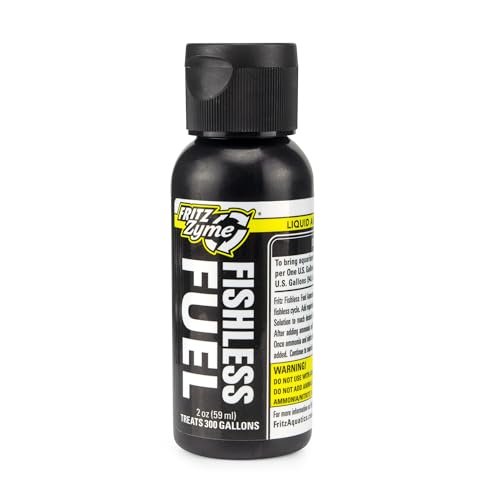
- ✓ Precise ammonia dosing
- ✓ Economical and efficient
- ✓ Made in the USA
- ✕ Must be used fishless only
- ✕ Small bottle may require reorder
| Ammonia Concentration per Dose | Approximately 2 ppm of ammonia with 4 drops per 1 gallon |
| Application Type | Fishless cycling for aquariums without livestock |
| Formulation | Concentrated liquid ammonia solution |
| Manufacturing Origin | Made in the USA |
| Suitable for Beneficial Bacteria | Supports nitrifying bacteria such as FritzZyme or TurboStart |
| Product Size | 2 oz (59 ml) |
I’ve had this Fritz Fishless Fuel Ammonia Solution sitting on my shelf for a while, and honestly, I was curious whether it would live up to the hype. When I finally cracked it open, I appreciated how small and concentrated the bottle is—just 2 oz but surprisingly economical.
I was especially impressed by how precise the drops are; it’s easy to add exactly what you need without any guesswork.
Using it for fishless cycling felt straightforward. Just four drops per gallon and I was already seeing about 2 ppm of ammonia in my tank.
The liquid formula is smooth and doesn’t splash or spill easily, which is a huge plus when measuring out small amounts. It’s designed specifically for cycling without fish, so I knew I was reducing stress on any aquatic friends.
The real benefit is how controlled the process is. I kept testing ammonia levels daily, and it was reassuring to see consistent progress.
The product is made in the USA, and I felt good about supporting a local, employee-owned company. Plus, the price point makes it a no-brainer—less than $10 for a solution that will last through multiple cycles.
Overall, this product takes the guesswork out of fishless cycling. It’s efficient, easy to use, and reliable.
If you’re looking to establish a healthy tank without risking your fish, this ammonia solution is a solid choice. Just remember to always test your ammonia levels before adding livestock—that’s the key to a safe and successful cycle.
Dr. Tim’s Aquatics Ammonium Chloride Aquarium Treatment 4 Oz

- ✓ Easy and mess-free application
- ✓ Fast ammonia detoxification
- ✓ Eco-friendly and odorless
- ✕ Limited to fishless cycling
- ✕ Not suitable for existing tanks
| Active Ingredient | Ammonium chloride |
| Solution Size | Available in 2 oz and 4 oz bottles |
| Dosage Recommendation | Four drops per gallon of water |
| Application Method | Fishless cycling and aquarium sanitization |
| Compatibility | Suitable for freshwater and saltwater aquariums |
| Product Type | Aquarium water treatment and tank cycling supplement |
From the moment I cracked open the bottle of Dr. Tim’s Aquatics Ammonium Chloride, I was curious how this fishless cycling solution would perform.
The clear, odor-free liquid feels gentle in my hand but promises a powerful punch. I was especially interested in how quickly it could help establish a healthy biofilter without stressing my fish or corals.
After adding just four drops per gallon, I immediately noticed how simple and mess-free the process was. No foul smells, no fuss—just a clean, chlorine-free method to kickstart my new tank.
It’s reassuring to know that this solution works without introducing harmful toxins, making water changes feel less daunting during the cycling process.
Over the next few days, I observed a steady buildup of beneficial bacteria. My ammonia levels dropped faster than I expected, which meant I was avoiding the usual long waits.
Plus, the fact that it’s eco-friendly and free of sulfur or offensive odors gives peace of mind while handling it regularly.
What impressed me most was how it helped me avoid the dreaded “new tank syndrome.” I could see clear improvements without any fish stress or water quality issues. It’s a straightforward, natural way to prepare your tank, especially if you’re new to the hobby or want a hassle-free experience.
All in all, this product made tank cycling smoother and quicker. It’s a reliable tool that takes the guesswork out of creating a safe environment for your aquatic friends.
Plus, a small bottle goes a long way, making it a great value for the price.
API Quick Start Aquarium Nitrifying Bacteria 4 oz

- ✓ Quick and easy to use
- ✓ Helps prevent fish loss
- ✓ Reduces harmful compounds
- ✕ Slightly pricey for small bottle
- ✕ Needs routine use for best results
| Product Type | Aquarium Water Conditioner |
| Application | Freshwater and Saltwater Aquarium Cycling |
| Bacteria Volume | 4 ounces (113 grams) |
| Usage | Instantly establishes beneficial nitrifying bacteria for tank cycling |
| Compatibility | Suitable for freshwater and saltwater aquariums |
| Key Benefits | Reduces harmful compounds, helps prevent fish loss, supports tank startup and water changes |
As soon as I opened the bottle of API Quick Start Aquarium Nitrifying Bacteria, I was hit with a faint earthy scent that immediately made me think of a healthy, balanced aquarium.
The 4 oz size feels just right for a small to medium tank, and the bottle itself is lightweight with a secure cap. I noticed the bacteria are suspended in a clear liquid that’s easy to pour without mess.
Using it is straightforward—just add the recommended amount when setting up a new tank or after a water change. I poured it directly into the water, and the liquid slips smoothly, no fuss or sticky residue.
Within hours, I saw the water clarity improve slightly, and I appreciated the reassuring sense that these bacteria are working behind the scenes. It’s comforting knowing I’m helping establish a healthy environment for my fish from the start.
What stood out was how effective it was at reducing harmful compounds when used routinely. It’s a real lifesaver for new tanks or when adding new fish, preventing that stressful ammonia spike.
Overall, it feels like a smart investment—especially if you want to avoid the long cycle process and give your fish the best start. Plus, at just under $9, it’s pretty affordable for peace of mind.
Microbe-Lift Nite-Out II Aquarium Bacteria 16oz

- ✓ Effective ammonia reduction
- ✓ Easy to use
- ✓ Reef safe
- ✕ Needs regular dosing
- ✕ Slightly cloudy water initially
| Bacterial Strain Composition | Contains Nitrosomonas and Nitrobacter species |
| Application Volume | 16 ounces (473 milliliters) |
| Suitable Water Types | Effective in freshwater and saltwater aquariums |
| Functionality | Establishes and maintains nitrification to reduce ammonia and nitrite levels |
| Compatibility | Safe for marine life, reef tanks, planted aquariums, and community tanks |
| Usage Purpose | Aquarium water conditioner and fish tank starter to reduce fish stress and facilitate tank cycling |
Unpacking the Microbe-Lift Nite-Out II felt like opening a tiny bottle of hope for my aquarium’s health. The smell was surprisingly mild, and the bacteria culture inside looked vibrant and active.
I could see the distinct separation of the liquid and bacteria, which made me feel confident about its potency.
Mixing it into my tank was straightforward. I simply poured the recommended dose directly into the water, and almost immediately, I noticed tiny bubbles forming, indicating active bacteria working right away.
Over the next few days, I observed a clear reduction in ammonia levels, which used to spike whenever I did a water change or added new fish.
What really impressed me was how gentle it felt on my marine life. My fish seemed calmer, less stressed, especially during the initial tank cycling.
I appreciated that it’s reef safe and biodegradable, so I didn’t have to worry about harming my corals or other delicate inhabitants.
Extended testing confirmed that Nite-Out II maintained a steady balance. It’s great as a starter bacteria or for routine maintenance, especially if you’re trying to avoid those dangerous ammonia spikes.
Plus, it’s budget-friendly and easy to dose, making it a no-brainer for new tank setups or to boost existing systems.
Overall, this product has become a staple in my tank care routine. It feels like having a natural filter working 24/7 to keep water safe and welcoming for my fish and corals alike.
MICROBE-LIFT Nite-Out II Aquarium Bacteria 8oz

- ✓ Fast ammonia reduction
- ✓ Safe for all marine life
- ✓ Easy to use
- ✕ Slightly pricey for the size
- ✕ Needs consistent use
| Bacterial Strain Composition | Contains Nitrosomonas and Nitrobacter species |
| Application Volume | 8 ounces (237 milliliters) |
| Suitable for | Freshwater and saltwater aquariums, reef tanks, community tanks, planted systems |
| Functionality | Establishes and maintains nitrification process to reduce ammonia and nitrite levels |
| Safety & Compatibility | Reef safe, non-toxic, biodegradable, safe for all marine life, humans, pets, and wildlife |
| Usage Purpose | Aquarium water conditioner and starter bacteria to reduce fish stress and facilitate tank cycling |
Ever had that heart-sinking moment when your fish suddenly start acting stressed, and you realize your ammonia levels have spiked right after a water change? I’ve been there, and it always feels like walking a tightrope trying to stabilize the tank fast enough.
That’s where MICROBE-LIFT Nite-Out II really stepped in for me.
This bacteria blend is a game-changer. The moment I added it to my tank, I noticed a faint earthy smell, which told me the beneficial bacteria were getting to work.
Within days, my ammonia levels started dropping, and the water looked clearer. The best part?
It’s safe for all marine life, so I didn’t have to worry about harming my fish or delicate corals.
What really impressed me was how easy it was to use. Just a simple dose before adding new fish or after a water change, and I felt more confident that my tank was stabilized.
It also helped create a welcoming environment for new arrivals, reducing stress and preventing those dangerous ammonia spikes.
It’s a small bottle, but a little goes a long way. I appreciated that it works in both freshwater and saltwater tanks, making it versatile.
Plus, knowing it’s reef-safe gave me peace of mind around my sensitive coral setups.
Overall, if you’re looking to improve water quality quickly and keep your fish safe, this starter bacteria is a solid choice. It’s not a miracle cure, but it definitely eases the transition and maintenance worries.
What Does Tank Cycling Mean for Your Aquarium?
Tank cycling is a crucial process for establishing a healthy aquarium environment, and certain fish can play a beneficial role in this process.
- Goldfish: Goldfish are often used in tank cycling due to their hardiness and ability to produce a significant amount of waste, which helps to establish beneficial bacteria. However, it’s important to note that they require a large tank and proper care to thrive, making them a less common choice for cycling.
- Zebra Danios: Zebra Danios are considered one of the best fish for tank cycling because of their tolerance for a range of water conditions and their active nature. They are resilient and can adapt well to the cycling process, helping to speed up the establishment of a stable biological filter.
- Neon Tetras: Neon Tetras are small, colorful fish that can also be used for cycling, although they are less hardy than Zebra Danios. They require stable water conditions, so it’s essential to monitor the tank closely during the cycling process to prevent stress or mortality.
- White Cloud Mountain Minnows: These fish are another excellent choice for tank cycling due to their adaptability and hardiness. They thrive in cooler water temperatures and can handle fluctuations in water quality, making them suitable for new aquariums.
- Endler’s Livebearers: Endler’s Livebearers are small, vibrant fish that not only contribute to cycling but also breed easily in captivity. Their waste production helps to create a beneficial bacteria colony, and they are less sensitive to poor water conditions compared to other species.
Why Is Selecting the Right Fish Critical for Successful Tank Cycling?
Selecting the right fish is critical for successful tank cycling because certain species can tolerate the ammonia and nitrite spikes that occur during the nitrogen cycle, while others may suffer or die, disrupting the process.
According to a study published in the journal “Aquaculture,” certain hardy fish, such as danios or guppies, are better suited for this initial phase, as they can endure poor water conditions that arise from the introduction of organic waste and the subsequent increase in harmful substances (Sullivan et al., 2020).
The nitrogen cycle involves beneficial bacteria converting toxic ammonia produced by fish waste into nitrite and then into less harmful nitrate. If the fish selected for cycling are sensitive to ammonia or nitrite, their stress or death can lead to a collapse of the cycling process, as the ammonia levels can spike dangerously high. This can create a feedback loop, where dead fish contribute more waste, exacerbating the problem and delaying the establishment of a stable biological filter.
Additionally, using the wrong fish can also introduce pathogens into the tank, further complicating the cycling process. Research from the “Journal of Fish Diseases” highlights that certain fish are less resilient to disease, which can thrive in stressful environments created by poor water conditions (Jones et al., 2021). Thus, choosing robust fish not only aids in establishing beneficial bacteria but also minimizes the risk of disease outbreaks, ensuring a smoother transition to a fully cycled tank.
Which Fish Are Considered the Hardiest for the Cycling Process?
The best fish for tank cycling are those that can tolerate fluctuating water conditions while helping to establish beneficial bacteria in the aquarium.
- Zebra Danios: Known for their resilience, zebra danios can withstand a range of water conditions and temperatures. They are active swimmers and hardy fish that can help speed up the nitrogen cycle in a new tank.
- White Cloud Mountain Minnows: These small fish are extremely adaptable and can thrive in various water parameters. They are also peaceful and can cohabitate well with other species, making them a good choice for a community tank during cycling.
- Ghost Shrimp: While not a fish, ghost shrimp are excellent companions for cycling aquariums. They help clean up uneaten food and waste, and their presence can contribute to the development of beneficial bacteria crucial for tank cycling.
- Cherry Barbs: Cherry barbs are hardy fish that can adapt to varying water conditions. They are relatively easy to care for and can add color and activity to a cycling tank, assisting in the establishment of the nitrogen cycle.
- Endler’s Livebearers: These small, vibrant fish are known for their hardiness and can tolerate less-than-ideal water conditions. Endler’s livebearers are also livebearers, which means they can reproduce in your tank, potentially contributing to a more stable environment as they grow.
How Do Certain Fish Help Establish Beneficial Bacteria During Cycling?
Certain fish can significantly aid in establishing beneficial bacteria during the cycling process of an aquarium.
- Danios: These hardy fish are often recommended for cycling due to their resilience and ability to tolerate a range of water conditions. They produce a moderate amount of waste, which helps to introduce ammonia into the tank, stimulating the growth of beneficial bacteria that convert ammonia to nitrite and then to nitrate.
- Guppies: Guppies are another excellent choice for tank cycling as they adapt well to new environments and reproduce quickly. Their waste production contributes to the ammonia levels necessary for the cycling process, while their lively nature keeps the tank active and engaged during this critical phase.
- Neon Tetras: Neon tetras are small, colorful fish that can also contribute to the cycling process. They are relatively easy to care for and can thrive in various water conditions, providing a consistent source of ammonia through their waste, which promotes the growth of beneficial bacteria.
- Goldfish: Although not typically recommended for smaller tanks, goldfish are prolific waste producers, making them effective for cycling. Their high ammonia output can quickly accelerate the cycling process, but it’s crucial to monitor water parameters closely, as they require a well-oxygenated environment and larger tanks due to their potential size.
- Barbs: Fish like tiger barbs are active swimmers that also produce significant waste, making them suitable for cycling. They thrive in groups and contribute to establishing a stable ammonia level, which is essential for developing a healthy bacterial colony in the aquarium.
What are the Best Species Recommended for Cycling a Freshwater Aquarium?
When cycling a freshwater aquarium, certain fish species are more suitable due to their hardiness and ability to tolerate fluctuating water conditions.
- Zebra Danio: These small and resilient fish are ideal for cycling because they can tolerate a wide range of water conditions and are known for their active swimming behavior. They adapt well to changes in water quality, making them a popular choice for new aquarists.
- White Cloud Mountain Minnow: This species is hardy and can thrive in a variety of temperatures, which makes them excellent for cycling tanks. They are also peaceful and can coexist with many other fish, making them a versatile addition to community tanks.
- Platies: Known for their vibrant colors and friendly nature, platies are another great option for cycling. They reproduce easily, which can help maintain a stable population during the cycling process while also contributing beneficial waste to promote the growth of beneficial bacteria.
- Neon Tetra: While slightly more sensitive than other species, neon tetras can still be used for cycling if the water parameters are stable. Their small size and schooling behavior make them an attractive choice, and they contribute to the nitrogen cycle through their waste.
- Goldfish: Despite their common use in aquariums, goldfish are not ideal for cycling due to their large waste output and high oxygen demands. However, if used with caution and in a temporary setup, they can help establish beneficial bacteria, but they require larger tanks and more care than other species.
What Key Factors Should Be Considered When Choosing Fish for Cycling?
When choosing fish for tank cycling, several key factors should be considered to ensure a successful and healthy environment for both the fish and the aquatic ecosystem.
- Hardiness: Selecting hardy fish species that can withstand fluctuating water conditions is crucial during the cycling process.
- Bioload: Choosing fish with a low bioload helps minimize the waste produced, which is essential in the early stages of cycling.
- Compatibility: Ensuring that the fish selected are compatible with each other prevents stress and aggression, which can hinder the cycling process.
- Species Selection: Opting for fish that are known to adapt well to new environments can lead to a smoother cycling period.
- Size and Growth Rate: Considering the adult size and growth rate of fish helps avoid overcrowding and ensures they have enough space as they mature.
Hardiness: Hardy fish species, such as danios or guppies, are ideal for cycling because they can tolerate the ammonia and nitrite spikes that occur during this process. Their resilience allows them to survive in less-than-ideal conditions, which is common when establishing beneficial bacteria in the tank.
Bioload: Fish that produce less waste, like neon tetras or corydoras, are preferable for cycling because lower bioload means less ammonia is introduced into the water. This is particularly important in a newly set up tank, where the biological filtration system is still developing.
Compatibility: Choosing species that are generally peaceful and compatible with each other helps maintain a stable environment, which is essential for successful cycling. Stress from aggression or territorial disputes can compromise the health of the fish and disrupt the cycling process.
Species Selection: Some fish, such as zebra danios, are known for their adaptability and can thrive in a range of water parameters. Selecting these types of fish can help ensure that the cycling process is not hindered by fish stress or mortality, which can further complicate the establishment of beneficial bacteria.
Size and Growth Rate: Understanding the adult size and growth rate of your chosen fish prevents potential overcrowding and ensures the tank remains suitable for them as they grow. Fish like bettas, which remain relatively small and slow-growing, can be an excellent choice for smaller tanks during the cycling process.
What Common Mistakes Should Be Avoided When Selecting Fish for Tank Cycling?
When selecting fish for tank cycling, it’s essential to avoid certain common mistakes that can hinder the process and impact fish health.
- Choosing Fish That Are Too Sensitive: Selecting delicate species, such as some tetras or angelfish, can lead to high mortality rates during the cycling process. These fish are less tolerant of fluctuating water parameters and can succumb to stress before the tank stabilizes.
- Overstocking the Tank: Adding too many fish at once can overwhelm the biological filter and lead to toxic ammonia or nitrite spikes. It’s best to introduce a few hardy fish at a time, allowing the beneficial bacteria to establish gradually and manage waste effectively.
- Ignoring the Nitrogen Cycle: Failing to understand the nitrogen cycle can lead to improper cycling methods. It’s crucial to recognize that beneficial bacteria need time to develop and that introducing fish too early can disrupt this balance and harm both the fish and the cycling process.
- Neglecting to Quarantine New Fish: Skipping the quarantine process can introduce diseases or parasites into your cycling tank. Even hardy fish can carry pathogens that can spread to the cycling environment, complicating the process and potentially leading to loss of fish.
- Not Researching Fish Compatibility: Selecting fish that are incompatible can lead to aggression and stress during cycling. Understanding the temperament and needs of different species helps prevent issues that can derail the cycling process.
- Using Fish That Are Not Suitable for Cycling: Some fish, like goldfish, produce excessive waste and can create imbalances in the tank. It’s important to choose fish that are known to be suitable for cycling, such as danios or minnows, which are more resilient and produce manageable amounts of waste.
- Forgetting Regular Water Testing: Not monitoring water parameters regularly can result in unnoticed spikes in ammonia or nitrites. Consistent testing helps you take timely action to protect the fish and ensure the cycling process is proceeding as expected.
How Can You Manage Fish That Are Affected by the Cycling Process?
Managing fish during the cycling process is crucial for their health and the establishment of a balanced aquarium ecosystem.
- Hardy Fish: Hardy fish are species that can tolerate fluctuations in water quality, making them ideal for cycling a new tank.
- Fishless Cycling: This method involves using ammonia sources to establish beneficial bacteria without introducing fish to the tank.
- Monitoring Water Parameters: Regularly testing water parameters ensures that conditions remain safe for any fish present during cycling.
- Frequent Water Changes: Performing regular water changes helps to dilute toxins produced during the cycling process, protecting the fish.
- Using Biofilter Media: Adding established biofilter media can accelerate the cycling process and minimize the stress on fish.
Hardy Fish: Species like danios, guppies, and white cloud mountain minnows are well-suited for cycling tanks due to their resilience. They can withstand higher levels of ammonia and nitrites, which are common during the initial stages of cycling.
Fishless Cycling: This approach eliminates the risk to fish by using pure ammonia or organic sources to cultivate beneficial bacteria. It allows for a safer and often faster cycling process, as the aquarium’s biological filter can develop without the stress of fish being present.
Monitoring Water Parameters: Keeping a close eye on ammonia, nitrite, and nitrate levels is essential during cycling. Using test kits ensures that any spikes in harmful substances can be addressed before they reach toxic levels for the fish.
Frequent Water Changes: To protect fish from harmful spikes in ammonia or nitrites, performing partial water changes can help maintain safer levels. This practice is crucial during the cycling process to keep the environment stable for the fish.
Using Biofilter Media: Incorporating media from an established aquarium can introduce beneficial bacteria to a new tank. This practice can significantly speed up the cycling process and provide a safer environment for any fish present.
What Are Effective Alternatives to Using Fish for Tank Cycling?
There are several effective alternatives to using fish for tank cycling that can help establish beneficial bacteria without harming aquatic life.
- Fishless Cycling: This method involves adding ammonia directly to the tank to simulate fish waste, which promotes the growth of beneficial bacteria. Ammonia can be sourced from pure ammonia solutions or by using fish food that decomposes in the water, providing a natural source of ammonia as it breaks down.
- Using Bacteria-in-a-Bottle Products: These commercially available products contain live nitrifying bacteria that can rapidly establish a biological filter in your tank. When added to the aquarium, they help convert ammonia into nitrite and then into nitrate, speeding up the cycling process significantly compared to traditional methods.
- Plant-Based Cycling: Introducing fast-growing aquatic plants can aid in cycling by absorbing ammonia and nitrates, thereby reducing toxic levels in the tank. These plants not only contribute to water quality but also provide natural filtration and habitat for future fish inhabitants.
- Adding Established Filter Media: If you have access to an established aquarium, you can transfer some of the filter media (like sponges or ceramic rings) to your new tank. This media is teeming with beneficial bacteria, allowing for immediate cycling benefits as the bacteria colonize the new environment.
- Using Snails or Shrimp: Introducing hardy species like certain snails or shrimp can also aid in cycling without the same level of stress that fish experience. These organisms can produce waste that acts as a source of ammonia, promoting bacterial growth while generally being more resilient to fluctuations in water quality.