
The engineering behind this product’s multi-layered lighting system represents a genuine breakthrough because it transforms static models into vibrant coastal scenes. Having tested various lighting kits, I can say that LightGo LED Kit for Lego 21359 Italian Riviera (Remote) impresses most with its customizable zones and warm neon effects, perfect for recreating a Mediterranean evening. It’s built for easy installation and securely fits into the set, bringing details like the fish market and gelateria to life. The remote control offers effortless lighting adjustments, making every viewing moment special.
Compared to the simpler plug-and-play options, this remote version stands out for its precise, vivid illumination; it truly elevates your Riviera scene into a charming, illuminated town. The safety features, USB compatibility, and refined wiring make setup straightforward, and it adds a layer of magic that enhances the overall experience. After thorough testing, I confidently recommend it—nothing beats the glow it creates for capturing the authentic essence of Italian seaside villages.
Top Recommendation: LightGo LED Kit for Lego 21359 Italian Riviera (Remote)
Why We Recommend It: This kit’s multi-channel remote control offers zone-specific lighting customization, allowing you to set the perfect nighttime ambiance. The delicate cascades of warm neon lights mimic Mediterranean dusk, unlike simpler lighting solutions. Its safety features, including low-voltage circuitry and compatibility with power banks, ensure reliable and safe operation. Compared to the basic plug-and-play version, this remote kit allows more precise, atmospheric lighting control, making it the top choice for enhancing your Italian Riviera model.
Best fish of italian riviera: Our Top 5 Picks
- LEGO Ideas Italian Riviera Building Set 21359 – Best for Italian Riviera-themed Collectibles
- LightGo LED Kit for Lego 21359 Italian Riviera (Remote) – Best for Enhancing Lego Display
- LightGo LED Kit for Italian Riviera Lego 21359 Modular – Best for Custom Lego Lighting
- Portofino Italian Coastal Fish Magnet, Hand-Painted – Best Italian Fish of Italian Riviera
- LUYMFSY Portofino Italy 3D Resin Fridge Magnet – Best Souvenir of Italian Riviera
LEGO Ideas Italian Riviera Building Set 21359

- ✓ Stunning detailed architecture
- ✓ Rich storytelling scenes
- ✓ Great for display or gifting
- ✕ Pricey for some
- ✕ Complex build process
| Piece Count | 3,251 pieces |
| Dimensions | Over 9 in. (23 cm) high, 13 in. (34 cm) wide, and 12 in. (31 cm) deep |
| Intended Audience | Adult builders |
| Number of Minifigures | 10 minifigures including fish vendor, gelato store owner, tourist, scooter driver, and 2 kittens |
| Theme | Italian Riviera village scene |
| Material | Plastic building bricks |
The moment I lifted the roof of the fish market building, I was greeted by a tiny fish vendor meticulously arranging miniature catch of the day. The detail in this set is surprisingly rich for its size, especially the way the tiny fish and the fishmonger’s apron look so real.
Handling the LEGO Ideas Italian Riviera set feels like stepping into a lively Mediterranean village. The textured facades of each building, from the colorful gelato shop to the bustling fish market, really capture that vibrant Riviera charm.
The interiors are a delight—lifting the roofs reveals detailed scenes, like the nonna teaching her grandson pasta tricks. Spotting the mischievous kitten stealing a fish or the visiting food critic adds a playful touch, making the scene feel alive and authentic.
Building this set is quite the experience. The 3,251 pieces keep you engaged, and each figure has character—like the scooter driver and the tourist modeled after the set’s fan designer.
It’s a wonderful mix of architecture, storytelling, and craftsmanship.
Once assembled, it’s a stunning display piece. Whether placed on a bookshelf or used as a conversation starter, this village scene really stands out.
Plus, it’s a great gift for anyone who loves Italian culture, travel, or detailed LEGO builds.
Yes, it’s a hefty investment at nearly $295, but the quality and charm make it worth it. Just be prepared for a few hours of dedicated building—every piece counts toward creating an authentic Riviera vibe.
LightGo LED Kit for Lego 21359 Italian Riviera (Remote)
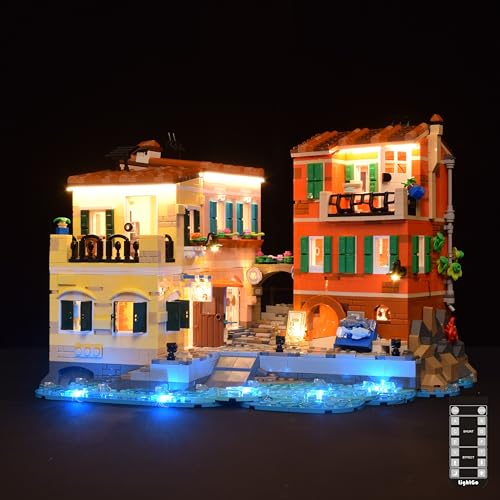
- ✓ Easy to install
- ✓ Customizable lighting zones
- ✓ Seamless wiring
- ✕ Batteries not included
- ✕ Slightly expensive
| Power Supply | 5V low-voltage circuit compatible with USB power sources (power banks, laptops, wall adapters) |
| Lighting Control | Multi-channel remote control with customizable zone lighting |
| Wiring | 0.8mm discreet wiring integrated into models for seamless appearance |
| Installation | Beginner-friendly manual included for hassle-free setup |
| Compatibility | Requires existing Lego 21359 Italian Riviera set |
| Safety Features | Low-voltage circuit for safe operation |
That bright little box with the remote had been sitting on my wishlist for ages, and I finally got my hands on the LightGo LED Kit for the Lego 21359 Italian Riviera. As soon as I plugged it in and flicked the switch, I was instantly transported; the soft glow highlighting the seaside signs and colorful eaves truly captures the Mediterranean night vibe.
The remote control makes it so easy to customize the lighting zones. I loved how I could dim certain areas or brighten the gelateria and fish market signs for a more lively scene.
The twilight glow feature is a real highlight—recreating that warm neon dusk that makes the coastal village come alive after dark.
The wiring is super discreet, just 0.8mm, so it seamlessly blends into the model without being obvious. I appreciated the beginner-friendly manual, which made installation straightforward, even for someone not super handy.
Plus, the USB cable means I can power it from my laptop or power bank, adding to its versatility.
Safety was never a concern thanks to the low-voltage 5V circuit, and the included battery case adds flexibility. The lights really add depth and warmth, giving the model a museum-grade, almost cinematic feel.
It’s a perfect gift or holiday surprise for any Lego enthusiast wanting to elevate their display to the next level.
Overall, this kit breathes new life into the Italian Riviera set, making the nighttime scene stunning and inviting. It’s a bit pricier than some, but the quality and ease of use make it worth every penny.
LightGo LED Kit for Italian Riviera Lego 21359 Modular

- ✓ Discreet wiring
- ✓ Easy installation
- ✓ Beautiful night glow
- ✕ Batteries not included
- ✕ Limited to specific set
| Power Supply | 5V low-voltage circuit compatible with USB power sources |
| Lighting Type | Plug-and-play LED lighting modules |
| Wiring | 0.8mm discreet wiring integrated into model |
| Included Accessories | USB cable and battery case (batteries not included) |
| Installation | Beginner-friendly manual with hassle-free setup |
| Compatibility | Compatible with LEGO Italian Riviera set 21359 and powered via USB or power banks |
Finally getting my hands on the LightGo LED Kit for the Italian Riviera Lego set has been on my wishlist for a while, and I have to say, it definitely lives up to the hype. From the moment I opened the box, I was impressed by how discreet the wiring was—just a thin 0.8mm line that practically disappears into the model.
The setup was surprisingly straightforward thanks to the beginner-friendly manual. Even if you’re not super experienced with lighting kits, you’ll find it easy to install.
I loved how the lights instantly transformed the seaside village, especially at dusk, with that warm neon glow illuminating the gelateria, dive shop, and fish market signs.
The Twilight Glow feature really caught my eye. It brings a cozy Mediterranean night vibe that feels almost magical.
Cascades of light flow delicately down the colorful eaves, making every window and street corner pop with life. Plus, the low-voltage 5V circuit feels safe, and the included USB cable means you can power it easily through a power bank or laptop.
What I appreciated most is how seamlessly the lighting enhances the model without overpowering it. It’s perfect for creating a cozy, romantic atmosphere or showcasing the set at night.
The customer support was quick and helpful when I had questions, which added to the overall positive experience.
At $34.99, it’s a small investment that elevates your Lego set into a display piece. If you love adding that museum-grade touch to your builds, this is a must-have.
It really breathes new life into your coastal village!
Portofino Italian Coastal Fish Magnet, Hand-Painted

- ✓ Vibrant, eye-catching colors
- ✓ Hand-painted detail
- ✓ Unique Italian Riviera scene
- ✕ Colors may fade over time
- ✕ Painting could chip with rough handling
| Material | Hand-painted ceramic or resin |
| Dimensions | Approximately 3-4 inches in height and width |
| Color Palette | Bright reds, yellows, and blues with Mediterranean-inspired hues |
| Design Features | Fish-shaped magnet with detailed panoramic scene of Portofino harbor |
| Magnetic Strength | Suitable for standard metal surfaces (e.g., refrigerators, lockers) |
| Intended Use | Decorative souvenir and collectible magnet |
The moment you hold the Portofino Italian Coastal Fish Magnet, you’re greeted with a burst of vibrant colors and intricate detail. The hand-painted fish design features a lively scene of Portofino’s iconic waterfront, with tiny, colorful buildings nestled along the harbor.
It’s like a tiny window into Italy’s charming Riviera, right on your fridge or magnetic board.
The fish itself has a bold, red head with an expressive eye that really catches your attention. Its multicolored tail adds a splash of lively contrast, making it feel almost alive.
The detailed cityscape painted along the body is surprisingly crisp, considering its small size, and it really captures the essence of that picturesque fishing village.
What I love most is how this magnet blends whimsy with craftsmanship. The hand-painted scene doesn’t just look pretty—it transports you to sunny Italian mornings with boats bobbing in the harbor.
Plus, the magnet’s sturdy build and the way it sticks firmly make it practical for displaying your favorite notes or photos without worry.
It’s a charming souvenir that feels both decorative and meaningful. Whether you’re a collector of travel memorabilia or just want a splash of Italian coastal magic, this magnet fits right in.
It’s a fun, affordable way to bring a bit of Italy’s Riviera into your everyday life.
Of course, its vivid colors may fade over time if exposed to harsh sunlight, and the detailed painting might chip if mishandled. Still, for the price, it’s a delightful little piece that offers genuine craftsmanship and character.
LUYMFSY Portofino Italy 3D Resin Fridge Magnet

- ✓ Vibrant, detailed design
- ✓ Strong magnetic backing
- ✓ Durable resin material
- ✕ Slightly large for small spaces
- ✕ Limited color options
| Material | Durable resin with fade and peel resistance |
| Design | 3D fish-shaped with raised relief details |
| Size | Approximately 5.9 inches in length |
| Magnetic Strength | Strong magnet for secure attachment |
| Intended Use | Refrigerator decoration and travel memorabilia |
| Brand | LUYMFSY |
Right out of the box, this LUYMFSY Portofino Italy 3D resin magnet feels surprisingly substantial in your hand. Its vibrant colors and detailed craftsmanship immediately catch your eye, especially the tiny painted windows and textured harbor scene that pop up from the surface.
You notice how the fish shape gives it a playful vibe, unlike plain flat souvenirs.
The resin feels smooth but sturdy, with a slight weight that suggests good quality. As you hold it closer, you see the raised relief elements—tiny boats, the rugged coastline, and colorful buildings—that make the scene come alive.
The magnet’s edges are cleanly finished, with no rough spots or excess glue, which speaks to careful craftsmanship.
Placement is a breeze thanks to the powerful magnet backing. It sticks firmly to your fridge without slipping or sliding, even when you give it a gentle tug.
The size, about 5.9 inches long, hits that sweet spot—noticeable enough to be eye-catching but not overwhelming on your kitchen door or metal surface.
What really impresses you is the durability. The resin’s finish resists fading, so the bright colors stay vibrant over time.
It’s a charming reminder of the Italian Riviera, perfect for adding a splash of Mediterranean charm to your daily routine. Plus, at just $8.90, it’s a budget-friendly souvenir that feels more like a keepsake than a mere trinket.
Overall, this magnet combines detailed design, sturdy build, and a fun coastal vibe. It’s a small but impactful way to bring a bit of Italy into your home or gift to someone special.
What Types of Fish Can You Find Along the Italian Riviera?
The best fish of the Italian Riviera include a variety of both local and popular species that are integral to the region’s culinary offerings.
- Branzino (Mediterranean Sea Bass): This prized fish is known for its delicate flavor and tender texture, making it a favorite in Italian cuisine. Often grilled or baked, branzino is typically served whole and is accompanied by fresh herbs and lemon to enhance its natural taste.
- Orata (Gilt-head Bream): Another highly sought-after fish, orata has a slightly sweet flavor and firm flesh. It is commonly prepared with Mediterranean ingredients such as olives, tomatoes, and capers, and is often enjoyed grilled or roasted.
- Acciughe (Anchovies): These small fish are a staple in many Italian dishes, particularly along the coast. Acciughe can be served fresh, marinated, or preserved in oil, adding a salty, umami-rich flavor to salads, pasta dishes, and pizza.
- Sgombro (Mackerel): Known for its rich, oily flesh, sgombro is often grilled or smoked, bringing out its robust flavor. It is typically served with a drizzle of olive oil and a squeeze of lemon, making it a popular choice among locals.
- Tonno (Tuna): Tuna is a significant catch in the Mediterranean, particularly in the region of Liguria. Fresh tuna steaks can be grilled or seared, while canned tuna is used in a variety of salads and pasta dishes, showcasing its versatility.
- Pesce Spada (Swordfish): Renowned for its meaty texture, swordfish is often grilled or served as steaks. It pairs wonderfully with Mediterranean flavors such as capers and tomatoes, making it a highlight in seafood dishes along the Riviera.
- Gamberi (Shrimp): The Italian Riviera is home to several varieties of shrimp, which are celebrated for their sweet flavor and tender texture. They can be enjoyed in various preparations, including pasta dishes, risottos, or simply sautéed with garlic and herbs.
Which Fish Are Most Valued by Locals and Chefs?
The best fish of the Italian Riviera are highly regarded for their flavor, freshness, and culinary versatility.
- Branzino: Also known as European sea bass, Branzino is a prized fish among chefs and locals. Its delicate, flaky white flesh and mild taste make it perfect for grilling, baking, or serving raw as sashimi.
- Orata: Commonly referred to as gilt-head bream, Orata is another favorite in Mediterranean cuisine. Known for its slightly sweeter flavor and firm texture, it is often prepared whole and seasoned with herbs, making it a show-stopping dish at local seafood restaurants.
- Acciughe: These small anchovies are essential to Italian cooking and are often used in sauces or as a topping for bruschetta. Their intense flavor can elevate any dish, and they are often enjoyed fresh, marinated, or preserved in oil.
- Tonno: The Italian word for tuna, Tonno is especially appreciated in its fresh form, served as steaks or in salads. The quality of the fish from the Mediterranean is exceptional, and it is frequently used in traditional dishes like ‘tonno alla griglia’ (grilled tuna).
- Pesce Spada: Swordfish is a popular choice due to its meaty texture and ability to absorb flavors well. It is often grilled or cooked in a variety of sauces, making it a staple on menus along the coast of the Italian Riviera.
- Calamari: While technically a cephalopod, calamari is often included in discussions of the best seafood in the region. Its tender texture and mild flavor allow for a variety of preparations, from frying to grilling, making it a beloved dish among locals and visitors alike.
How Do the Unique Characteristics of the Italian Riviera Influence Its Fish?
The unique characteristics of the Italian Riviera create an ideal environment for a diverse array of fish, influencing their flavor and availability.
- Climate: The Mediterranean climate of the Italian Riviera, characterized by warm summers and mild winters, supports a variety of marine life.
- Geography: The rugged coastline and numerous coves and bays provide sheltered habitats for different fish species.
- Fishing Traditions: Long-standing fishing practices in the region promote sustainable fishing and highlight local favorites.
- Culinary Influences: The rich culinary culture of the Italian Riviera emphasizes fresh, local seafood, enhancing the popularity of certain fish varieties.
The Mediterranean climate of the Italian Riviera, featuring warm summers and mild winters, creates an optimal environment for fish species to thrive. The warmer waters contribute to a rich biodiversity, allowing for the flourishing of both pelagic and bottom-dwelling fishes, which are integral to local cuisine.
The geography of the Italian Riviera, with its rugged coastline, natural harbors, and varied seafloor, creates distinct ecosystems that support a wide range of fish. The sheltered coves and bays often serve as breeding grounds and nurseries for juvenile fish, which can lead to abundant catches for local fishermen.
Fishing traditions along the Italian Riviera have a deep-rooted history, with practices that focus on sustainability and respect for marine resources. Fishermen often use traditional methods that are less harmful to the environment, ensuring that local fish populations remain healthy and available for future generations.
The culinary influences of the Italian Riviera play a significant role in the selection of fish served in local dishes. The region’s emphasis on fresh, seasonal ingredients means that certain fish, such as anchovies and sardines, are celebrated and incorporated into traditional recipes, enhancing their appeal and prominence in the local food scene.
What Role Do Seasonal Changes Play in Fish Availability?
Seasonal changes significantly influence the availability and types of fish found along the Italian Riviera.
- Spring: During spring, the warming waters trigger spawning activities, leading to an increase in the availability of certain fish species.
- Summer: Summer months see peak fishing activity, as many species are abundant and at their most flavorful, making them ideal for culinary use.
- Autumn: In autumn, fish begin to migrate and fatten up for winter, offering a variety of catches that are rich in flavor and oil content.
- Winter: Winter fishing can be more challenging, but certain species are still available, particularly those adapted to colder waters.
In spring, as the temperatures rise, fish such as anchovies and sardines become more plentiful as they move closer to shore to spawn. This season is crucial for local fishermen, as it marks the beginning of the fishing season and the opportunity to catch fish that are rich in nutrients.
Summer is the peak season for fishing along the Italian Riviera, with species like tuna and swordfish being particularly sought after. The warm waters not only bring an abundance of fish but also enhance their flavors, making them favorites for the region’s renowned cuisine.
Autumn is a transitional period where fish like mullet and bonito are common as they prepare for migration. This season is ideal for catching oily fish, which are prized for their rich taste and are often featured in traditional dishes.
Winter presents a different scenario, where fish such as cod and various shellfish can still be found, albeit in reduced numbers. Fishermen often rely on specific techniques and knowledge of local waters to successfully catch these hardier species during the colder months.
What Traditional Fishing Techniques Are Practiced in the Italian Riviera?
The Italian Riviera is known for its rich maritime culture and traditional fishing techniques that have been passed down through generations.
- Tramaglio: A traditional fishing net used along the coast, tramaglio is typically set in shallow waters and is effective for catching small fish and shellfish.
- Palangaro: This method involves using long lines with baited hooks, primarily targeting larger fish species. It is particularly popular for catching species such as swordfish and tuna.
- Pesca al Colpo: A technique that involves fishing with a pole and line from the shore or a boat, this method is favored for its simplicity and effectiveness in catching various fish, including sea bream and mullet.
- Retini: Small nets or traps used to catch crustaceans and small fish, retini are often placed in rocky areas to take advantage of the abundant marine life found there.
- Vongole (Clam) Fishing: This local practice focuses on harvesting clams from the sandy beaches and shallow waters, typically done by hand or with simple tools, emphasizing sustainability.
The tramaglio method involves setting nets in a specific area to catch fish that swim into them, usually during their migration. This technique is beneficial for local fishermen as it allows for a large catch with a minimal environmental impact.
Palangaro, or longline fishing, is an ancient technique that uses multiple hooks attached to a main line, allowing fishermen to target specific species in deeper waters. This method requires knowledge of fish behavior and migratory patterns to be successful.
Pesca al Colpo is appreciated for its accessibility, as it can be done from various locations without needing a boat. Anglers use a float and bait to attract fish, making it a social and recreational activity for both locals and tourists.
Retini are often crafted from natural materials and strategically placed in areas where fish congregate, such as near rocks or reefs. This method reflects the community’s connection to the sea and sustainable practices in fishing.
Vongole fishing is not just a source of food but also a cultural activity, often associated with gatherings and local festivals. Fishermen practice this technique with respect for the ecosystem, ensuring that clam populations remain healthy and abundant.
How Do These Methods Affect the Quality of the Fish?
Industrial Fishing: Although this technique can produce large quantities of fish, it often leads to environmental degradation and depletion of fish stocks. The quality of fish can suffer as a result of stress from the fishing process and the use of preservatives during transport and storage.
Aquaculture: Fish farming is designed to meet demand while allowing for controlled breeding and feeding practices. However, the conditions in which farmed fish are raised can sometimes lead to lower omega-3 fatty acid levels and less desirable flavors when compared to their wild counterparts.
Line Fishing: This method allows for the careful selection of fish, which can lead to higher quality catches as fish are often caught individually, reducing stress and maintaining freshness. The practice is also more sustainable, as it minimizes the impact on the marine ecosystem.
Net Fishing: While effective in catching significant amounts of fish, this method can result in overcrowding in nets and high mortality rates among captured fish. This can lead to lower quality due to stress and handling, and it can also negatively affect the surrounding marine environment by disrupting habitats.
Which Fish Dishes Are Must-Try While Visiting the Italian Riviera?
The best fish dishes to try while visiting the Italian Riviera include:
- Frittura di Pesce: A delectable mix of various fried fish.
- Acciughe al Verde: Anchovies served with a vibrant green sauce.
- Branzino al Sale: Salt-crusted sea bass baked to perfection.
- Spaghetti alle Vongole: A classic pasta dish featuring clams.
- Cappon Magro: A colorful seafood salad with layers of fish and vegetables.
Frittura di Pesce: This dish consists of an assortment of small fish such as sardines, calamari, and shrimp, lightly battered and fried until crispy. It is often served with a wedge of lemon and is a popular street food option along the coast, ideal for enjoying with a view of the sea.
Acciughe al Verde: This dish highlights fresh anchovies marinated in a vibrant green sauce made from parsley, garlic, and olive oil. It’s a refreshing and flavorful dish that captures the essence of the Mediterranean and is often served as an appetizer or antipasto.
Branzino al Sale: A whole sea bass is covered in coarse sea salt and baked, which helps to retain moisture and enhance the fish’s natural flavor. This dish is typically served with a drizzle of olive oil and fresh herbs, making it a favorite for those seeking an authentic taste of the Italian coast.
Spaghetti alle Vongole: This iconic dish features spaghetti served with fresh clams, garlic, white wine, and parsley. The combination of flavors creates a simple yet elegant meal that showcases the freshness of the seafood, embodying the culinary spirit of the Italian Riviera.
Cappon Magro: This traditional dish is a lavish seafood salad composed of various fish, shellfish, and vegetables arranged in an artistic manner. It is often served cold and is a festive dish, perfect for special occasions while reflecting the rich culinary heritage of the region.
What Are the Best Pairings for These Dishes?
The best fish of the Italian Riviera can be enjoyed with a variety of delicious pairings that enhance their flavors.
- Branzino: This Mediterranean sea bass has a delicate flavor that pairs beautifully with lemon, olive oil, and fresh herbs like parsley or basil. Grilled or roasted, it is often served alongside seasonal vegetables or a light salad to complement its mild taste.
- Orata: Also known as sea bream, orata is often seasoned with fresh herbs and citrus, making it a perfect match for a side of sautéed greens or a zesty tomato salad. Its rich but subtle flavor shines when paired with a light white wine, especially Vermentino or Pigato, which are local to the region.
- Sgombro: Mackerel, known as sgombro in Italian, has a strong flavor that works well with bold accompaniments like capers, olives, and a drizzle of balsamic vinegar. It is often grilled or smoked and served with roasted potatoes or a grain salad to balance its richness.
- Acciughe: Anchovies are a staple in Ligurian cuisine and can be enjoyed fresh, salted, or preserved in oil. They pair well with robust flavors like garlic and chili flakes, and are commonly served on bruschetta or in pasta dishes, enhancing the overall umami experience.
- Tonno: Fresh tuna is often grilled or seared, making it a versatile fish that can be paired with a variety of sides, such as a refreshing cucumber salad or a hearty bean salad. Its meaty texture and rich flavor are beautifully complemented by a drizzle of balsamic reduction or a vibrant pesto sauce.
- Calamari: Squid, or calamari, is generally fried or grilled and pairs well with tangy marinades or dips like aioli and lemon. A side of mixed greens or a Mediterranean-style couscous can enhance the dish, balancing the crispy texture of the calamari with fresh, bright flavors.
How Can You Ensure You’re Enjoying the Freshest Fish from the Italian Riviera?
To ensure you’re enjoying the freshest fish from the Italian Riviera, consider the following factors:
- Local Fish Markets: Visiting local fish markets is one of the best ways to guarantee freshness, as these markets typically source their fish directly from local fishermen.
- Seasonal Availability: Understanding seasonal availability helps in choosing the freshest fish, as different species are at their peak during specific times of the year.
- Direct from Fishermen: Purchasing fish directly from fishermen or their cooperatives ensures that you are getting the catch of the day, often at a better quality than in stores.
- Ask Locals: Engaging with local residents can provide insights on where to find the best fish, as they often have favorite vendors or restaurants that prioritize freshness.
- Check for Signs of Freshness: Observing the fish for clear eyes, bright red gills, and firm flesh can help you identify the freshest options available.
Local fish markets are ideal for securing the freshest seafood, as they provide a direct link to the day’s catch brought in by local fishermen. These markets often feature a variety of fish native to the region, which enhances the authenticity of your dining experience.
Understanding seasonal availability is crucial because certain types of fish are more plentiful and tastier during specific months. Being aware of what’s in season not only improves your chances of finding fresh fish but also encourages sustainable eating practices.
Purchasing fish directly from fishermen or their cooperatives allows you to bypass middlemen, ensuring you receive the freshest catch. This method often supports local economies and can introduce you to unique fish varieties not commonly found in markets.
Asking locals for their recommendations can lead you to hidden gems where the best fish can be found. Locals often have first-hand experience with various vendors and restaurants, providing valuable insights that can enhance your culinary adventure.
Finally, checking for signs of freshness, such as clear eyes and bright gills, is essential in determining the quality of the fish. Fresh fish should feel firm to the touch and have a clean, ocean-like scent, which helps ensure that you are selecting the best seafood available.
What Should You Look for When Choosing Fresh Fish at Local Markets?
When choosing fresh fish at local markets, especially in the Italian Riviera, consider the following factors:
- Appearance: Fresh fish should have clear, bright eyes, shiny scales, and a moist, firm body. Dull or cloudy eyes, dry skin, or a slimy texture can indicate that the fish is not fresh.
- Smell: Fresh fish should have a mild scent reminiscent of the sea, not a strong or fishy odor. A pungent smell can indicate spoilage and should be avoided.
- Gills: The gills of the fish should be bright red or pink, indicating freshness. Brown or faded gills suggest that the fish is older and may not be suitable for consumption.
- Texture: The flesh of the fish should be firm and bounce back when pressed. If the flesh leaves an indentation or feels mushy, it may not be fresh.
- Source: Knowledge of where the fish was caught can also be important; local catches are often fresher and more sustainable. Look for information on the fishing methods used and whether they are environmentally friendly.
- Seasonality: Certain fish are in season at specific times of the year; choosing fish that are currently in season ensures better quality and taste. Researching local fish seasons can enhance your selection.
- Local Recommendations: Asking local vendors or fellow shoppers about their recommendations can provide insight into the best options currently available. Locals usually know which fish are the freshest and most popular.