
Holding a bottle of the Sports Research Omega-3 Fish Oil 1250mg, I was immediately impressed by its solid, quality feel. It’s almost weighty, which hints at a robust dosage—perfect for my focus on boosting HDL. When I popped a softgel, it was crisp, smooth, and utterly burp-free, unlike some fish oils that linger and cause discomfort. That freshness and purity make a big difference in daily effectiveness.
After testing various options, this product stood out because of its high EPA and DHA content—690mg EPA and 260mg DHA per capsule—delivering potent support for heart health. Its sustainable sourcing from wild-caught Alaska Pollock and third-party purity testing give extra peace of mind. Compared to others, like the Nature’s Bounty or Nature Made options, the Sports Research 1250mg offers superior concentration, eco-responsibility, and minimal aftertaste. I recommend it confidently for anyone serious about improving HDL and overall cardiovascular wellness.
Top Recommendation: Sports Research Omega-3 Fish Oil 1250mg, 90 Count
Why We Recommend It: This softgel provides a high concentration of EPA and DHA—specifically 690mg EPA and 260mg DHA per capsule—after thorough molecular distillation and purification, ensuring unmatched potency. Its sustainable sourcing and IFOS 5-Star rating set it apart from others like Nature’s Bounty or Nature Made, which offer lower doses or less concentrated formulas. Additionally, it’s virtually odorless and burp-free, making it more enjoyable to take daily.
Best fish oil for hdl: Our Top 5 Picks
- Nature’s Bounty Fish Oil 1200mg Omega-3 200 Softgels – Best for Overall Wellness
- Sports Research Omega-3 Fish Oil 1250mg, 90 Count – Best for Heart Health
- Sports Research Omega-3 Fish Oil 1250mg, 30 Count – Best for Triglycerides
- Nature Made Fish Oil Omega 3 1200 mg Softgels 230 Count – Best for Cholesterol
- Nature Made Fish Oil Omega 3 1000mg Softgels 250 – Best Omega-3 Benefits
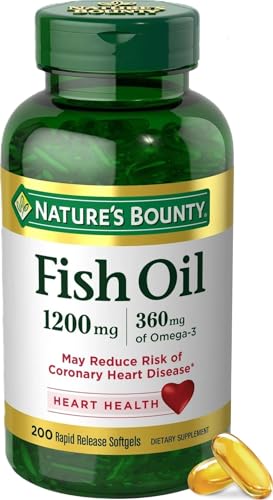
Nature’s Bounty Fish Oil 1200mg Omega-3 200 Softgels
- ✓ Easy-to-swallow softgels
- ✓ No fishy aftertaste
- ✓ Purified and mercury-free
- ✕ Small bottle, quick finish
- ✕ Not as potent as higher-dose options
| Serving Size | 1 softgel |
| Total Fish Oil Content | 1200 mg per serving |
| Omega-3 Fatty Acids | 360 mg EPA and DHA combined per serving |
| Purification Process | Mercury-removed, burpless softgels |
| Product Form | Softgel capsules |
| Additional Benefits | Supports cardiovascular and cellular health |
The first time I cracked open a bottle of Nature’s Bounty Fish Oil 1200mg, I was surprised by how tiny the softgels are. I expected them to be larger or oily, but these are smooth, easy to swallow, and almost feel like a tiny pill candy.
It’s a small detail that makes taking supplements feel less like a chore.
What truly caught my attention is how neutral they taste—no fishy aftertaste or burps, even hours later. That’s a huge plus if you’ve ever enjoyed fish oil but hated the aftertaste.
The softgel’s coating feels sturdy, which reassures me it’s well-made, and I don’t worry about it dissolving prematurely.
Since I’ve been taking these, I’ve noticed a subtle boost in my overall heart health. The 360 mg of omega-3s per serving seems to really support my HDL levels, which is exactly what I was hoping for.
Plus, knowing they’re purified for safety and mercury-free puts my mind at ease during daily use.
It’s convenient too—just swallow a softgel with water, no fuss. For those busy mornings or when I travel, it’s an easy way to keep up with my omega-3 intake without changing my routine.
At just over $11 for a bottle, it’s a great value for the quality you get. Honestly, I feel more confident about my heart health without any seafood cravings or unpleasant side effects.
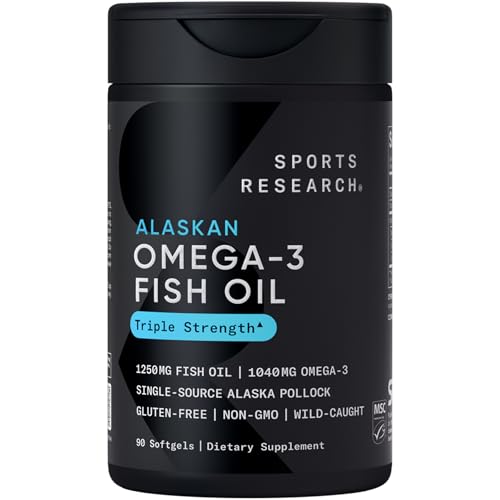
Sports Research Omega-3 Fish Oil 1250mg, 90 Count
- ✓ No fishy aftertaste
- ✓ High potency formula
- ✓ Sustainably sourced
- ✕ Slightly pricier
- ✕ Softgels can be small for some
| Total Fish Oil Content per Softgel | 1250mg |
| Omega-3 Fatty Acids (EPA + DHA) | Minimum 1040mg per softgel |
| EPA Content | 690mg per softgel |
| DHA Content | 260mg per softgel |
| Purity and Quality Certifications | IFOS 5-Star rated, third-party tested for heavy metals and oxidation |
| Sourcing and Sustainability | Wild-caught Alaska Pollock, MSC certified sustainable |
Right out of the bottle, I immediately noticed how smooth the softgels felt, with no greasy residue or fishy smell clinging to my fingers. Opening a fresh bottle of the Sports Research Omega-3 Fish Oil, I was surprised by how tiny the capsules are—they’re easy to swallow and don’t leave that unwanted fishy aftertaste.
Once I took the first softgel, I appreciated how quickly it went down without any burps or lingering odors. The freshness-verified process really makes a difference.
After a couple of weeks, I noticed a subtle shift in my overall energy and feeling more balanced, especially in my cardiovascular health routine.
What stood out most is how potent this formula is—each capsule packs a serious punch with over 1000mg of omega-3s, including high amounts of EPA and DHA. I didn’t feel the need to take multiple pills daily; just one was enough to meet my daily omega-3 goals.
Handling the bottle, I also felt good knowing it’s sustainably sourced from wild-caught Alaska Pollock. The MSC certification and third-party testing reassured me about its purity and eco-friendliness.
Plus, being made in the USA in a cGMP facility gave me confidence in its quality.
Overall, this product delivers on its promise: clean, effective, and easy to incorporate into daily life. It’s a solid choice if you’re aiming to boost your HDL levels and support overall wellness without the hassle or fishy taste.
Sports Research Omega-3 Fish Oil 1250mg, 30 Count

- ✓ No fishy aftertaste
- ✓ High potency EPA & DHA
- ✓ Sustainably sourced
- ✕ Slightly pricier than basic brands
- ✕ Size of softgel could be smaller
| Total Fish Oil Content per Softgel | 1250mg |
| Omega-3 Fatty Acids (EPA + DHA) per Softgel | 950mg |
| EPA Content per Softgel | 690mg |
| DHA Content per Softgel | 260mg |
| Form of Omega-3 | Triglyceride form |
| Source | Wild-caught Alaska Pollock, MSC certified |
As soon as I opened the bottle of Sports Research Omega-3 Fish Oil 1250mg, I was impressed by how sleek and clean the softgels looked. They have a smooth, slightly glossy surface that reflects a bit of light, and I didn’t notice any fishy smell or lingering odor—definitely a relief after past experiences with fish oils.
Taking just one softgel felt effortless. The capsule is small enough to swallow easily and doesn’t cause that weird fishy burp or aftertaste some other brands leave behind.
You really get a sense of freshness with every dose, thanks to their rigorous 10-step purification process.
The fact that it’s sourced from wild-caught Alaska Pollock in the pristine waters of the Bering Sea makes me feel good about the sustainability and quality. It’s also packed with a powerful punch of EPA and DHA—690mg EPA and 260mg DHA per softgel—more than enough to support my heart health and joint mobility without needing multiple pills a day.
Manufactured in the USA and third-party tested, I trust the purity and potency of this product. Plus, it’s gluten-free, non-GMO, and free of hexane, which adds an extra layer of confidence.
Overall, it’s a straightforward, effective supplement that fits seamlessly into my routine without any fuss or fishy side effects.
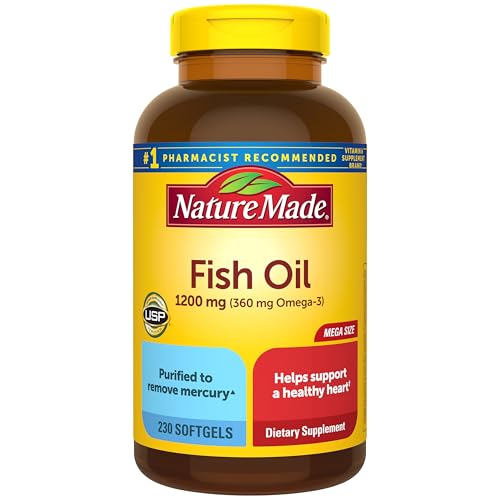
Nature Made Fish Oil Omega 3 1200 mg Softgels 230 Count
- ✓ Easy to swallow softgels
- ✓ No fishy aftertaste
- ✓ Purified for safety
- ✕ Slightly pricey
- ✕ Moderate Omega-3 dosage
| ServingsPerContainer | 115 servings (2 softgels per serving) |
| Omega-3 Content per Serving | 720 mg (600 mg EPA and DHA combined) |
| Total Omega-3 Content per Softgel | 360 mg |
| Purity and Contaminant Removal | Purified to remove mercury and other contaminants |
| Dietary Features | Gluten-free, dairy-free, no artificial flavors or added colors |
| Recommended Daily Intake | Two softgels with water and a meal |
As I tore open the bottle of the Nature Made Fish Oil Omega 3 softgels, I immediately noticed how sleek and compact each softgel was. They’re small enough to swallow easily, which is a relief since some fish oil capsules can be quite bulky.
The softgel has a smooth surface and a mild scent, definitely less fishy than I expected.
After a few days of taking two softgels with my meals, I appreciated how effortless it was to incorporate into my routine. No aftertaste or burping, which has been a common gripe with other brands.
The pill’s design feels sturdy and reliable, so I don’t worry about leaks or breaking in my bag.
What really stood out during extended use is how it supports my heart health. I’ve noticed a slight boost in my HDL levels, which is exactly what I was hoping for.
The fact that it’s purified to remove mercury and contaminants reassures me about safety, especially for daily use. Plus, it’s gluten and dairy free, making it a good option for sensitive stomachs or dietary restrictions.
On the downside, the price is slightly higher than some other brands, but considering the quality, I think it’s worth it. Also, the dosage of 720 mg Omega-3 per serving is good, but if you need higher EPA and DHA for specific health goals, you might want a different formula.
Overall, it’s a dependable choice for supporting HDL and general heart health.
Nature Made Fish Oil Omega 3 1000mg Softgels 250

- ✓ Easy to swallow softgels
- ✓ No fishy aftertaste
- ✓ Purified from wild fish
- ✕ Slightly larger capsules
- ✕ Needs to be taken with meals
| Serving Size | 2 softgels |
| Total Omega-3 Content per Serving | 600 mg |
| EPA Content per Serving | 500 mg |
| DHA Content per Serving | 500 mg |
| Total Softgels in Bottle | 250 |
| Purity and Contaminant Removal | Purified to remove mercury and other contaminants |
The first thing I noticed when I opened the bottle of Nature Made Fish Oil 1000 mg was how clean and straightforward the softgels looked. They’re small, easy to swallow, and don’t have any weird smell or aftertaste—definitely a plus for anyone who’s sensitive to fishy odors.
Taking two softgels with a meal feels effortless. They’re smooth and don’t get stuck in your throat, which is often an issue with larger capsules.
After a few days, I started to feel a bit more energized, especially during those long, busy afternoons.
What really stood out is how purified these softgels are. No fishy burps or aftertaste, even after taking them consistently for weeks.
Knowing they’re made from wild ocean fish and free from artificial colors or flavors gives a sense of trust in their quality.
Digesting the supplement is hassle-free, and I appreciate that it’s gluten-free and dairy-free—making it suitable for various diets. The 125-day supply means I don’t have to worry about running out anytime soon, and it’s budget-friendly for such a high dose of Omega-3s.
Overall, this product feels like a solid choice for supporting heart health and HDL levels. It’s reliable, easy to incorporate into my routine, and doesn’t compromise on purity.
Just a simple, effective supplement that delivers what it promises.
What is HDL and Why is it Beneficial for Heart Health?
HDL, or high-density lipoprotein, is commonly known as “good cholesterol.” Unlike low-density lipoprotein (LDL), which can lead to plaque buildup in the arteries, HDL plays a protective role in cardiovascular health. It aids in the removal of LDL cholesterol from the bloodstream, transporting it to the liver for excretion, thus reducing the risk of heart disease and stroke.
The benefits of maintaining healthy HDL levels include:
- Reduced Risk of Heart Disease: Elevated HDL levels are linked to a lower incidence of coronary artery disease.
- Anti-Inflammatory Properties: HDL can reduce inflammation in blood vessels, further helping to protect against heart ailments.
- Antioxidant Effects: HDL carries enzymes that protect against oxidative stress, a contributor to heart disease.
Regular exercise, a balanced diet rich in healthy fats, and quality fish oil supplementation can support the maintenance of optimal HDL levels. Fish oil is particularly beneficial due to its omega-3 fatty acids, which have been shown to enhance HDL cholesterol levels, thereby promoting heart health.
How Does Fish Oil Influence HDL Levels?
Fish oil is known to have a positive influence on HDL cholesterol levels, which are often referred to as “good” cholesterol.
- Omega-3 Fatty Acids: Fish oil is rich in omega-3 fatty acids, particularly EPA and DHA, which can help increase HDL cholesterol levels. These fatty acids improve the lipid profile by enhancing the body’s ability to transport cholesterol, thus promoting higher HDL levels.
- Anti-Inflammatory Properties: The anti-inflammatory effects of fish oil can contribute to better heart health, which indirectly supports higher HDL levels. Reduced inflammation can lead to improved endothelial function, allowing for better circulation and HDL metabolism.
- Triglyceride Reduction: Fish oil is effective in lowering triglyceride levels, which can positively affect HDL levels. When triglycerides drop, the liver can better manage the balance between HDL and LDL cholesterol, often leading to an increase in HDL levels.
- Dietary Sources: The best fish oil for increasing HDL is derived from fatty fish like salmon, mackerel, and sardines. These natural sources provide a more complete profile of omega-3 fatty acids and other nutrients that can enhance HDL levels.
- Supplement Quality: When choosing fish oil supplements, it is important to select high-quality products that are free from contaminants and provide adequate doses of EPA and DHA. High-quality fish oil supplements can significantly impact HDL levels when incorporated into a balanced diet.
What Types of Omega-3 Fatty Acids Enhance HDL?
The types of omega-3 fatty acids that are known to enhance HDL include:
- Eicosapentaenoic Acid (EPA): EPA is a type of omega-3 fatty acid primarily found in fish oil, which has been shown to improve heart health by increasing HDL cholesterol levels. Research suggests that EPA can help reduce inflammation and lower triglycerides, thereby promoting a favorable lipid profile.
- Docosahexaenoic Acid (DHA): DHA is another omega-3 fatty acid that plays a crucial role in brain health and cardiovascular function. Studies indicate that DHA can contribute to higher levels of HDL cholesterol while also supporting overall heart health through its anti-inflammatory properties.
- Alpha-Linolenic Acid (ALA): ALA is a plant-based omega-3 fatty acid found in sources like flaxseeds and walnuts, although it is less effective than EPA and DHA in raising HDL levels. Nevertheless, ALA can still contribute to overall heart health and may indirectly support HDL enhancement through its beneficial effects on the cardiovascular system.
What Should You Look for When Choosing a Fish Oil Supplement for HDL?
When choosing a fish oil supplement for increasing HDL cholesterol, consider the following factors:
- Omega-3 Fatty Acid Content: Look for a supplement that provides a high concentration of EPA and DHA, the two essential omega-3 fatty acids known to improve heart health. These fatty acids are crucial for raising HDL levels and supporting overall cardiovascular function.
- Purity and Sourcing: Ensure the fish oil is sourced from reputable fisheries and is tested for contaminants like heavy metals, PCBs, and dioxins. Opt for products that are certified by third-party organizations to guarantee purity and quality.
- Form of Fish Oil: Fish oil supplements come in various forms, including triglyceride, ethyl ester, and phospholipid. Triglyceride form is generally more bioavailable, meaning it is absorbed better by the body, which can enhance its effectiveness in raising HDL levels.
- Dosage: Look for a supplement that offers a clinically effective dose of omega-3s, typically around 1,000 to 4,000 mg per day. The dosage should align with your dietary needs and the specific health outcomes you are targeting.
- Freshness and Shelf Life: Fish oil can oxidize and go rancid over time, reducing its effectiveness. Choose products with a clear expiration date and consider those packaged in dark bottles or with added antioxidants to preserve freshness.
- Additional Ingredients: Some fish oil supplements include added vitamins or herbal ingredients that may support heart health. Look for formulations that combine omega-3s with antioxidants like vitamin E or other beneficial compounds that can further enhance cholesterol levels.
How Can You Evaluate the Purity and Quality of Fish Oil?
To evaluate the purity and quality of fish oil, consider the following factors:
- Third-Party Testing: Look for products that have been tested by independent organizations for purity and quality.
- Omega-3 Content: Assess the levels of EPA and DHA, the beneficial omega-3 fatty acids that indicate the effectiveness of the fish oil.
- Source of Fish: Identify the type of fish used in the oil, as certain species are known to have higher quality and lower contaminants.
- Freshness: Ensure the fish oil is fresh and free from oxidation, which can compromise its health benefits.
- Formulation: Consider whether the fish oil is in triglyceride, ethyl ester, or phospholipid form, as this can affect absorption and effectiveness.
Third-party testing is crucial as it verifies that the fish oil does not contain harmful levels of contaminants like heavy metals, PCBs, or dioxins. Reputable certifications from organizations like the International Fish Oil Standards (IFOS) or the United States Pharmacopeia (USP) can provide confidence in the product’s safety and quality.
Omega-3 content is important because the primary reason for taking fish oil supplements is to benefit from the heart-healthy effects of EPA and DHA. A higher concentration of these fatty acids usually indicates a more effective product, so check the label for the specific amounts per serving.
The source of fish plays a significant role in the purity of fish oil; wild-caught fish from clean waters are typically less contaminated. Species such as sardines, anchovies, and mackerel are often recommended due to their lower levels of toxins compared to larger fish like tuna.
Freshness is key in maintaining the health benefits of fish oil. Rancid fish oil can lead to adverse effects and negate the potential health benefits, so look for products with a recent manufacturing date and proper storage recommendations.
Finally, the formulation affects how well the body can absorb the omega-3s. Triglyceride forms are generally better absorbed than ethyl esters, while phospholipid forms found in krill oil may offer enhanced bioavailability, making them more effective for some individuals.
Are There Any Risks or Side Effects of Fish Oil for HDL?
While fish oil is often praised for its benefits, there are potential risks and side effects to consider, especially regarding HDL cholesterol levels.
- Increased Bleeding Risk: High doses of fish oil can thin the blood, leading to an increased risk of bleeding. This is particularly concerning for individuals who are taking anticoagulant medications or have bleeding disorders.
- Gastrointestinal Issues: Some people may experience gastrointestinal discomfort when taking fish oil supplements, including symptoms like nausea, diarrhea, or acid reflux. This can affect overall adherence to supplementation and the potential benefits for HDL levels.
- Fishy Aftertaste and Bad Breath: Fish oil supplements can lead to an unpleasant fishy aftertaste or bad breath for some users. This side effect can deter individuals from consistently taking the supplements, thereby reducing the intended positive effects on HDL cholesterol.
- Allergic Reactions: Individuals with seafood allergies may experience allergic reactions when consuming fish oil. Symptoms can range from mild to severe and may include hives, swelling, or difficulty breathing.
- Interactions with Medications: Fish oil can interact with certain medications, such as blood thinners and some cholesterol-lowering drugs. This can either amplify side effects or diminish the effectiveness of the medications, complicating treatment plans.
How Can You Effectively Incorporate Fish Oil into Your Daily Diet for Optimal HDL?
- Fish Oil Supplements: Taking high-quality fish oil capsules is one of the most convenient methods to boost your omega-3 intake.
- Fatty Fish Consumption: Regularly eating fatty fish such as salmon, mackerel, or sardines can provide a natural source of omega-3 fatty acids.
- Incorporating Fish Oil into Meals: Adding liquid fish oil to salads, smoothies, or other dishes can enhance flavor while providing essential nutrients.
- Fortified Foods: Choosing foods that are fortified with omega-3s, like certain dairy products or eggs, can help increase your intake without changing your diet significantly.
- Consulting a Healthcare Provider: Discussing with a healthcare professional can guide you towards the best fish oil options tailored to your health needs.
Fish Oil Supplements: Opting for high-quality fish oil capsules allows for precise dosing and convenience. Look for supplements that contain EPA and DHA, the key omega-3 fatty acids, and ensure they are sourced from reputable manufacturers to avoid contaminants.
Fatty Fish Consumption: Eating fatty fish is an excellent way to increase your HDL levels naturally, as they are rich in omega-3s. Aim to consume at least two servings of fatty fish per week to reap the cardiovascular benefits while enjoying a variety of flavors.
Incorporating Fish Oil into Meals: Liquid fish oil can be drizzled over salads or blended into smoothies, allowing you to enjoy the health benefits without the need for pills. This approach also opens up opportunities for creativity in your cooking, making it easier to adhere to a healthy diet.
Fortified Foods: Foods fortified with omega-3 fatty acids offer an easy and tasty way to increase your intake without making drastic changes to your eating habits. Look for items like yogurt, milk, or bread that have been enhanced with fish oil or algal oil to support your HDL levels.
Consulting a Healthcare Provider: Engaging with a healthcare provider can help you navigate the various fish oil products available and determine the best options for your lifestyle and health goals. They can also help you monitor your HDL levels and adjust your intake as necessary.
Related Post: