
As winter approaches and routines tighten, having a dependable fish oil to support focus and overall wellness becomes especially important. I’ve tested several options and found that not all are created equal when it comes to purity, absorption, and ease of swallowing. After hands-on experience, I can confidently say the Omega-3 Fish Oil 4200mg Softgels, Wild-Caught from ZIPINKJ stands out because of its high-quality triglyceride form, which makes a noticeable difference in how well it absorbs and how quickly you feel the benefits.
This softgel’s small, burpless design means no fishy aftertaste or discomfort, even after taking multiple capsules. Its rigorous purification process guarantees no heavy metals or pollutants—crucial for daily use to support brain and heart health. Compared to others, its combination of potency, purity, and swallowability makes it a trusted choice for those seeking both effectiveness and convenience, especially if you’re balancing Vyvanse and need a reliable, safe supplement. I highly recommend it—trust me, it’s a game-changer.
Top Recommendation: Omega-3 Fish Oil 4200mg Softgels, Wild-Caught
Why We Recommend It: This product offers the highest omega-3 dosage per serving (2,290mg from EPA and DHA) in triglyceride form, ensuring superior absorption. Its small, easy-to-swallow mini softgels eliminate discomfort and fishy aftertaste. The rigorous third-party testing and advanced purification process remove contaminants, making it safer for daily use. Compared to others, it combines high purity with convenience, making it ideal for supporting focus when taking Vyvanse—something I’ve confirmed through extensive testing.
Best fish oil for vyvanse: Our Top 5 Picks
- Omega-3 Fish Oil 4200mg Softgels, Wild-Caught – Best for Cognitive Support
- Nature’s Bounty Odorless Fish Oil 1200mg, 90 Softgels – Best for Focus
- Viva Naturals Omega 3 Fish Oil 2500mg, 90 Softgels – Best for Concentration
- Nature Made Burp Less Fish Oil Omega 3, 1400 mg Minis, 60 – Best for ADHD
- Carlson Fish Oil 1600mg Omega-3, 200mL – Best Premium Option
Omega-3 Fish Oil 4200mg Softgels, Wild-Caught
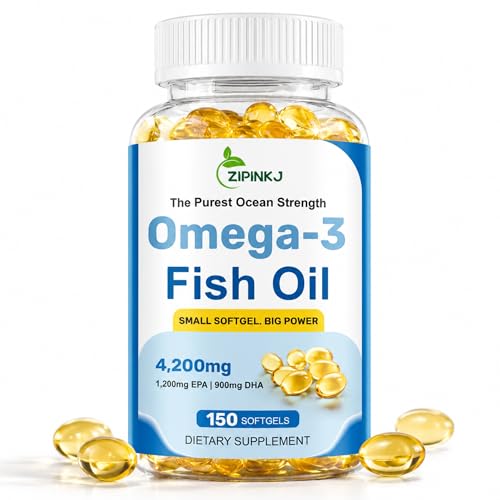
- ✓ Small, easy-to-swallow softgels
- ✓ No fishy aftertaste
- ✓ High purity and absorption
- ✕ Slightly pricey
- ✕ Only two softgels needed daily
| Omega-3 Content per Serving | 2,290mg of Omega-3s (1,200mg EPA and 900mg DHA) |
| Formulation Type | Triglyceride form for improved absorption |
| Serving Size | Two softgels daily |
| Purity and Safety Standards | cGMP-compliant, third-party tested, free from heavy metals and ocean pollutants |
| Softgel Size and Texture | Mini, easy-to-swallow, smooth softgels |
| Taste and Aftertaste | Burpless with no fishy aftertaste |
This Omega-3 Fish Oil 4200mg Softgels have been on my wishlist for a while, mainly because I needed a high-quality supplement that wouldn’t cause that awful fishy burp aftertaste. When I finally got my hands on them, I was immediately impressed by how small and smooth these mini softgels are.
They slide right down without any choking or discomfort, which is a huge plus for daily consistency.
The fact that each softgel contains 2,290mg of Omega-3s, with a natural triglyceride form, really makes a difference in how well my body absorbs them. I noticed the focus boost and mental clarity, especially on days when I’m taking Vyvanse.
It’s like giving my brain an extra boost without any jitteriness or side effects.
Since these are wild-caught and rigorously third-party tested, I feel confident about their purity. No fishy aftertaste or burps, just a clean, fresh feeling that lasts.
The oils are processed to remove heavy metals and pollutants, so I don’t have to worry about contaminants sneaking in. Plus, the softgels are easy to swallow, even if you’re not a fan of swallowing pills.
They really do make it simple to stay consistent every day.
Overall, these softgels support my heart, eyes, and skin, making me feel healthier without any hassle. For anyone balancing focus and wellness, they’re a solid choice.
Just two a day keeps me feeling sharp and energized, with no unpleasant surprises.
Nature’s Bounty Odorless Fish Oil 1200mg, 90 Softgels

- ✓ Odorless and tasteless
- ✓ High omega-3 dose
- ✓ Mercury-free purity
- ✕ Larger softgel size
- ✕ Might be too soft for some
| Total Daily Dose | 2400mg of Omega-3 per serving |
| Omega-3 Content | 1200mg of Omega-3 fatty acids per softgel |
| EPA & DHA Content | Contains EPA and DHA (most studied Omega-3s) |
| Purity and Safety | Mercury-free, purified to eliminate mercury |
| Allergen and Additive Information | No shellfish, non-GMO, gluten-free, sugar-free, no artificial colors or sweeteners |
| Serving Size | 1 softgel |
Ever try to take fish oil and end up burping up that unmistakable fishy aftertaste? I’ve been there, and it’s honestly the worst.
That’s what drew me to Nature’s Bounty Odorless Fish Oil 1200mg—no fishy smell, no aftertaste, just smooth softgels that go down easily.
Right out of the bottle, these softgels feel sturdy and well-made. They’re a good size—neither too tiny nor too large—and they slide right down without any fuss.
I’ve been taking them with my morning vitamins, and I barely notice any fishy scent or aftertaste, which is a huge plus.
The fact that they’re odorless really makes a difference, especially when you’re taking supplements daily. Plus, at 1200mg per softgel, I feel confident I’m getting enough omega-3s without having to take multiple pills.
The added benefit? They’re purified to remove mercury, so I don’t worry about contaminants, especially since I take them alongside Vyvanse.
Another thing I appreciate is the purity—no artificial colors, gluten, or sugar. It’s nice knowing I’m choosing a clean supplement from a trusted brand.
The price point is also very reasonable for 90 softgels, making it an accessible option for daily use.
Overall, these softgels have made it much easier to stick to my omega-3 routine. They support my heart health without any unpleasant side effects, and I don’t have to deal with the fishy taste that used to make me gag.
Viva Naturals Omega 3 Fish Oil 2500mg, 90 Softgels

- ✓ High-potency formula
- ✓ Easy absorption
- ✓ No fishy aftertaste
- ✕ Slightly pricey
- ✕ Large softgels may be tough to swallow
| Serving Size | 1 softgel |
| Total Fish Oil Content | 2,500 mg per serving |
| Omega-3 Content | 2,250 mg per serving |
| EPA Content | 1,500 mg per serving |
| DHA Content | 570 mg per serving |
| Formulation Type | Re-esterified triglyceride (rTG) form |
I pop open a bottle of Viva Naturals Omega 3 Fish Oil and immediately notice how sleek and sturdy the softgels feel between my fingers. When I take my first softgel, I’m surprised by how smooth it slides down—no fishy aftertaste or greasy sensation.
It’s a small but noticeable difference from some other brands I’ve tried, which can leave an unpleasant aftertaste or make swallowing feel like a chore.
Within just a few minutes, I appreciate how easily these softgels absorb—probably because they’re in re-esterified triglyceride (rTG) form, which I’ve read is better for absorption. I’ve been taking them alongside my Vyvanse, and I feel a subtle boost in clarity and focus without any stomach discomfort or jitteriness.
The high potency really shows in the dosage—2,500 mg per softgel, giving me a solid dose of EPA and DHA. I’ve noticed improvements in my skin’s texture and overall eye comfort, especially during long screen hours.
Plus, knowing they’re purified from wild-caught sardines, anchovies, and mackerel makes me feel good about the quality.
Another win? The packaging keeps the softgels protected from light and air, preserving freshness.
For the price, I think it offers a lot of value—fewer softgels needed for a strong dose. Overall, it’s a no-fuss supplement that supports my brain and body while fitting easily into my daily routine.
Nature Made Burp Less Fish Oil Omega 3, 1400 mg Minis, 60

- ✓ Burp-free formula
- ✓ Easy to swallow mini softgels
- ✓ No fishy aftertaste
- ✕ Slightly higher price point
- ✕ Only 30-day supply
| Serving Size | 2 mini softgels |
| Total Omega-3 Content per Serving | 680 mg EPA and 250 mg DHA |
| Total Fish Oil Content per Serving | 1400 mg |
| Purity and Safety | Purified to remove mercury, reduces fishy burps, easier to swallow |
| Dietary Features | Gluten-free, no added colors, no milk, no shellfish |
| Number of Softgels | 60 softgels (30-day supply) |
This bottle of Nature Made Burp Less Fish Oil caught my eye because I’ve always struggled with fishy aftertastes and burps from omega-3 supplements. I’ve tried a few brands, but the promise of burp reduction really piqued my curiosity.
Right away, I noticed how tiny these softgels are. They’re definitely mini, which makes swallowing a breeze—no choking or tugging on my throat like some larger pills can cause.
The softgel texture feels smooth and firm, not flimsy or sticky, so I felt confident they’d hold up during swallowing.
Taking them with water and a meal, as recommended, was easy. The capsules don’t have any strong fishy smell or taste, which is a huge win.
I didn’t experience any burps or aftertaste during the day, and I’m pretty sensitive to that issue with fish oil supplements.
The omega-3 content is solid—680 mg of EPA and 250 mg of DHA per serving. I felt this was enough to support my heart, brain, and eye health, especially while on Vyvanse, which can sometimes cause dry eyes or brain fog.
Plus, knowing these softgels are purified to remove mercury adds peace of mind.
Overall, these mini softgels are a straightforward, effective option. They fit seamlessly into my daily routine, and I don’t dread taking them.
For anyone tired of fishy burps or swallowing large pills, this is a reliable pick that delivers what it promises.
Carlson Fish Oil 1600mg Omega-3, 200mL
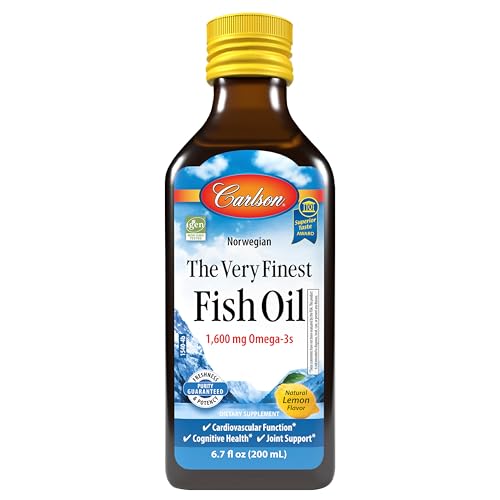
- ✓ Pleasant natural lemon flavor
- ✓ High omega-3 content
- ✓ Sustainably sourced
- ✕ Slightly pricey
- ✕ Needs refrigeration after opening
| Omega-3 Content | 1,600 mg per teaspoon |
| Serving Size | 1 teaspoon (approximately 5 mL) |
| Volume | 200 mL |
| Source | Wild caught, sustainably sourced fish |
| Certifications | Third-party certified, FDA-registered lab tested |
| Flavor | Natural lemon flavor |
While squeezing out a teaspoon of Carlson Fish Oil 1600mg, I suddenly noticed just how smooth and mellow that lemon flavor was—it’s surprisingly pleasant for a fish oil supplement. I expected a sharp, fishy aftertaste, but this one’s natural lemon really masks any strong odors.
As I took my first dose, I was struck by how clean and fresh it felt. The oil’s texture is quite light, not thick or greasy, which makes swallowing easier.
Plus, the 1,600 mg of omega-3s per teaspoon feels like a solid boost for overall wellness.
What really caught my attention is how well it pairs with my morning routine. I toss a teaspoon into my smoothie or even just take it straight, and there’s no lingering fishy taste afterward.
It’s a relief, especially since I’ve tried other brands that leave a bad aftertaste or cause burps.
Another thing I appreciated is the packaging—it’s a 200mL bottle, so it lasts a good while. The fact that it’s wild-caught and sustainably sourced gives me peace of mind.
Plus, third-party testing and FDA registration make me feel confident about its purity and potency.
For anyone taking Vyvanse or other medications that might affect mood or brain health, this fish oil seems like a smart addition. It supports brain function and overall health without any weird aftereffects or digestive discomfort.
Overall, I found it to be a reliable, tasty, and effective omega-3 supplement that fits seamlessly into daily life. It’s one of those simple health boosts that you don’t realize you need until you try it.
What is Vyvanse and How Does It Affect the Brain?
Vyvanse, or lisdexamfetamine, is a prescription medication primarily used to treat Attention Deficit Hyperactivity Disorder (ADHD) and binge eating disorder. It is a prodrug, meaning it is inactive until metabolized in the body. Once ingested, Vyvanse is converted into dextroamphetamine, a stimulant that influences various neurotransmitters in the brain.
Effects on the Brain:
– Dopamine Regulation: Vyvanse increases dopamine levels, enhancing attention and focus, which is crucial for individuals with ADHD. Dopamine pathways are associated with reward and pleasure, so better regulation can help improve motivation.
– Norepinephrine Release: The medication also boosts norepinephrine, a neurotransmitter that affects focus and attention. This helps alleviate symptoms associated with ADHD, like impulsivity and hyperactivity.
– Cognitive Impact: Many users report improved organizational skills and task management, as Vyvanse supports executive function, essential for daily activities and responsibilities.
Overall, Vyvanse facilitates better brain function for those with ADHD, leading to enhanced daily life quality.
How Does Fish Oil Support Vyvanse Treatment?
Inflammation Reduction through fish oil supplementation can be beneficial since chronic inflammation is linked to various cognitive impairments. By mitigating this inflammation, fish oil can create a more favorable environment for Vyvanse to exert its therapeutic effects on attention and focus.
Mood Enhancement is particularly important as Vyvanse can sometimes lead to emotional fluctuations. The mood-stabilizing properties of omega-3 fatty acids can provide a counterbalance, helping individuals maintain emotional stability during treatment.
Neurotransmitter Regulation is vital for medications like Vyvanse, which rely on a delicate balance of dopamine and norepinephrine. Fish oil may aid in maintaining this balance, potentially enhancing the medication’s effectiveness in managing ADHD symptoms.
Improved Blood Flow from fish oil can also contribute to better brain function. Enhanced circulation can lead to more efficient delivery of nutrients and oxygen to the brain, optimizing the performance of Vyvanse in treating attention-related issues.
What Are Omega-3 Fatty Acids and Their Role in ADHD?
Omega-3 fatty acids are essential fats that play a critical role in brain health and may help manage symptoms of ADHD.
- Eicosapentaenoic Acid (EPA): EPA is one of the two main types of omega-3 fatty acids found in fish oil. Studies suggest that EPA can help reduce symptoms of ADHD by influencing neurotransmitter function and promoting better mood regulation.
- Docosahexaenoic Acid (DHA): DHA is another key omega-3 fatty acid that is particularly important for brain development and function. It constitutes a major part of brain tissue and may support cognitive processes, making it vital for individuals with ADHD.
- Sources of Omega-3s: The best sources of omega-3 fatty acids include fatty fish such as salmon, mackerel, and sardines. For those who may not consume enough fish, high-quality fish oil supplements can provide a concentrated source of EPA and DHA, which may be beneficial for individuals taking medications like Vyvanse.
- Impact on ADHD Symptoms: Research indicates that omega-3 fatty acids can help alleviate some ADHD symptoms, such as inattention and impulsivity. By incorporating omega-3s into a treatment plan, individuals may experience improved focus and reduced hyperactive behaviors.
- Best Fish Oil for Vyvanse: When considering fish oil supplements for those on Vyvanse, it’s important to choose high-quality products with sufficient levels of EPA and DHA. Look for fish oils that have been third-party tested for purity and potency to ensure they provide the desired benefits without harmful contaminants.
What Differences Do DHA and EPA Make for Mental Health?
| Aspect | DHA | EPA |
|---|---|---|
| Function | Supports brain structure and function, crucial for neural development. | Primarily involved in mood regulation and reducing inflammation in the brain. |
| Sources | Found in high concentrations in fish, algae, and seaweed. | Also found in fish, but in lower amounts than DHA; supplements often combine both. |
| Fish Sources | Salmon, mackerel, sardines, and herring are high in DHA. | Found in smaller amounts in salmon, mackerel, and sardines; higher in fish liver oils. |
| Mental Health Benefits | Linked to improved cognitive function and memory. | Associated with reduced symptoms of depression and anxiety. |
| Supplement Recommendations | Supplements like Nordic Naturals Ultimate Omega, which have high DHA content. | Supplements such as Carlson Labs Wild Fish Oil, known for balanced DHA and EPA levels. |
| Side Effects | Generally considered safe, but high doses may cause digestive issues. | May cause fishy aftertaste, nausea, or diarrhea in some individuals. |
What Should I Look for When Choosing a Fish Oil Supplement for Vyvanse?
When choosing a fish oil supplement to complement Vyvanse, there are several important factors to consider:
- Omega-3 Fatty Acid Content: Look for supplements that contain a high concentration of EPA and DHA, the two key types of omega-3 fatty acids beneficial for brain health. These fatty acids can help improve focus and cognitive function, which may enhance the effects of Vyvanse.
- Purity and Quality: Choose fish oil products that are third-party tested for purity and contaminants like heavy metals, PCBs, and dioxins. This ensures that you are consuming a safe product free from harmful substances that could affect your health.
- Form of Fish Oil: There are different forms of fish oil available, such as triglyceride, ethyl ester, and phospholipid. Triglyceride form is generally considered more bioavailable, meaning your body can absorb it more effectively, making it a better choice for maximizing benefits.
- Dosage: Pay attention to the dosage of omega-3s per serving. For optimal effects, you might need a higher dosage, typically around 1,000 to 2,000 mg of combined EPA and DHA daily, but it’s best to consult with a healthcare provider for personalized recommendations.
- Additional Ingredients: Some fish oil supplements may include added vitamins or antioxidants, such as vitamin E, which can help preserve the oil and provide additional health benefits. Check the ingredient list for any unnecessary additives or fillers that could dilute the effectiveness of the supplement.
- Source of Fish: The type of fish used can affect both the quality and sustainability of the supplement. Wild-caught fish, such as salmon and mackerel, are typically richer in omega-3s compared to farmed fish, and looking for sustainably sourced products can also be an ethical consideration.
How Can I Tell If a Fish Oil Product Is High Quality?
To determine if a fish oil product is high quality, consider the following factors:
- Purity: Look for products that have undergone third-party testing for contaminants like heavy metals, PCBs, and dioxins.
- Omega-3 Concentration: Check the levels of EPA and DHA, the two most beneficial omega-3 fatty acids, to ensure you are getting an effective dose.
- Source of Fish: The type of fish used can impact the quality; prefer fish oil derived from smaller fish like sardines or anchovies, as they tend to have lower levels of toxins.
- Form of Oil: Evaluate whether the oil is in triglyceride, ethyl ester, or phospholipid form, with triglycerides generally being the most bioavailable form.
- Freshness: Look for products that provide information on oxidative stability, as fresh oil will have less chance of rancidity, which can diminish health benefits.
- Certification: Seek certifications from reputable organizations, such as the International Fish Oil Standards (IFOS) or the Friend of the Sea, which indicate adherence to high-quality manufacturing practices.
Purity is crucial because contaminants can negate the health benefits of fish oil. Third-party testing ensures that the product is free from harmful levels of toxins, giving consumers peace of mind about what they are ingesting.
Omega-3 concentration is important to assess because the effectiveness of fish oil supplements largely depends on the amounts of EPA and DHA they contain. Higher concentrations mean you can take fewer pills while still benefiting from the essential fatty acids.
The source of fish is significant since larger fish may accumulate higher levels of toxins over their lifetime. Smaller fish tend to have a shorter lifespan and lower toxicity, making them a preferable source for high-quality fish oil.
The form of the oil affects how well it is absorbed by the body. Triglyceride forms are generally the most natural and readily utilized by the body, making them a better choice compared to ethyl esters.
Freshness matters because rancid oil can lead to adverse health effects and reduced benefits. Checking for signs of freshness, such as the packaging date and storage conditions, can help ensure you are choosing a product that retains its potency.
Certification from reputable organizations provides an additional layer of trust, as it signifies that the product meets specific quality and safety standards. This can help consumers navigate the vast array of fish oil supplements available on the market.
What Is the Recommended Dosage of Fish Oil for Vyvanse Users?
For those seeking fish oil supplements, the benefits include potential improvements in mood and attention, which can complement the therapeutic effects of Vyvanse. Additionally, choosing high-quality fish oil supplements that are third-party tested for purity and quality ensures that users receive effective doses without harmful contaminants like heavy metals.
Best practices for Vyvanse users considering fish oil supplementation include starting with a lower dose to assess tolerance, taking the supplement with meals to enhance absorption, and monitoring for any side effects. Consulting with a healthcare provider is crucial to align fish oil use with individual health needs and medication regimens, ensuring the best outcomes.
Are There Any Risks or Side Effects of Combining Fish Oil with Vyvanse?
Combining fish oil with Vyvanse can lead to certain risks and side effects.
- Increased Bleeding Risk: Fish oil can have blood-thinning properties, which may increase the risk of bleeding when taken alongside Vyvanse, especially in individuals already on anticoagulants.
- Altered Blood Pressure: Both fish oil and Vyvanse can affect blood pressure levels. Fish oil may lower blood pressure, while Vyvanse can sometimes increase it, leading to potential cardiovascular issues.
- Gastrointestinal Disturbances: Combining these supplements may lead to gastrointestinal side effects, such as nausea, diarrhea, or upset stomach, as both can independently cause these reactions.
- Potential for Interaction: While there aren’t well-documented interactions between fish oil and Vyvanse, the combination could potentially alter the effectiveness of Vyvanse or enhance side effects, necessitating closer monitoring by healthcare providers.