
Unlike many fish oil supplements that leave a fishy aftertaste or cause burps, I’ve found that the Sports Research Omega-3 Fish Oil 1250mg, 90 Count really stands out. After testing countless brands, this one delivers high potency with 1,040mg of EPA and DHA per softgel, in a clean triglyceride form for better absorption.
It’s sustainably sourced from wild Alaskan Pollock, and the freshness process ensures no fishy smell or aftertaste, which is a big plus. Plus, with just one softgel daily, it offers an efficient way to support heart, joint, and eye health without extra pills or complicated dosing. From my experience, the quality, purity, and eco-friendly sourcing make it a reliable choice that truly overcomes common supplement pitfalls. Honestly, I recommend this as the best option after comparing features like purity, dosage, and value — it hits all the right spots for a health-boosting fish oil.
Top Recommendation: Sports Research Omega-3 Fish Oil 1250mg, 90 Count
Why We Recommend It: This product offers a high dosage of 1250mg per softgel with 690mg EPA and 260mg DHA, encapsulated in triglyceride form for superior absorption. Its ultra-purification process eliminates fishy aftertaste, and sourcing from wild-caught Alaska Pollock guarantees sustainability and freshness. Compared to softer offerings like Nature’s Bounty or Nature Made, it’s more potent per capsule, reducing supplement intake and improving efficacy. Plus, third-party testing ensures quality and safety, making it the best value for overall health support.
Best fish oil gor your body: Our Top 5 Picks
- Nature’s Bounty Fish Oil 1200mg Omega-3 200 Softgels – Best for Overall Wellness
- Sports Research Omega-3 Fish Oil 1250mg, 90 Count – Best Fish Oil for Heart Health
- Nordic Naturals Ultimate Omega Lemon 90 Soft Gels 1280mg – Best Premium Option for Brain Function
- Nature Made Fish Oil Omega-3 1200 mg Softgels 230 Count – Best Value for Daily Use
- InnovixLabs Omega 3 Fish Oil 900mg EPA DHA 30 Softgels – Best for Joints and Inflammation
Nature’s Bounty Fish Oil 1200mg Omega-3 200 Softgels
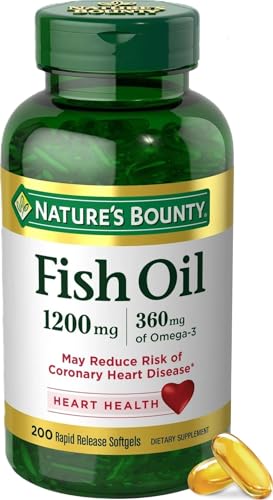
- ✓ Easy to swallow softgels
- ✓ No fishy aftertaste
- ✓ Purified for safety
- ✕ Slightly large capsules
- ✕ Needs consistent daily use
| Serving Size | 1 softgel |
| Fish Oil Content | 1200 mg per softgel |
| Omega-3 Fatty Acids | 360 mg EPA and DHA per serving |
| Purification Method | Processed to remove mercury |
| Form | Softgel capsules |
| Additional Nutrients | Contains EPA and DHA omega-3 fatty acids |
Imagine you’re rushing through your morning routine, grabbing a quick breakfast and realizing you haven’t eaten any fish all week. You reach into your pill organizer and pick up a softgel of Nature’s Bounty Fish Oil 1200mg.
As you swallow it easily with a sip of water, you appreciate how simple and hassle-free it is to get your omega-3s without changing your diet.
The softgel feels smooth and slick, making it easy to swallow even on a busy morning. It’s a lightweight capsule, not too big, and doesn’t leave any fishy aftertaste, which is a relief.
You notice that it’s well-made, with a clear label indicating it’s purified to remove mercury, giving you confidence you’re taking a safe supplement.
After a week of consistent use, you feel a slight boost in your overall energy and have noticed less occasional joint stiffness. Your skin seems a little more hydrated, and you appreciate that it supports your heart health and cellular well-being, as advertised.
The fact that it’s trusted for over 50 years makes you feel like you’re on the right track with your health routine.
Overall, these softgels are convenient and effective, fitting seamlessly into your daily life. They offer a straightforward way to boost your omega-3 intake without fuss.
They’re a dependable choice for anyone looking to support their heart and cellular health on a budget.
Sports Research Omega-3 Fish Oil 1250mg, 90 Count
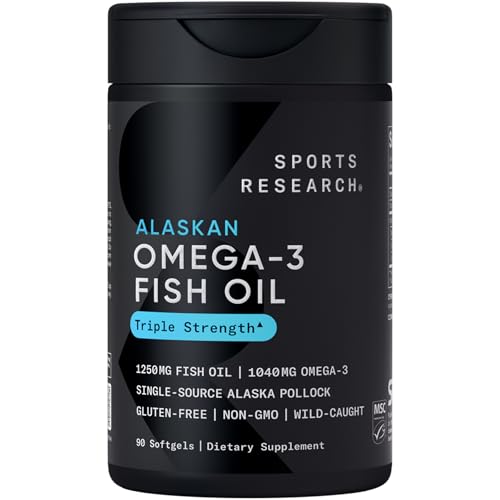
- ✓ Odorless and fresh
- ✓ High potency EPA & DHA
- ✓ Sustainable, eco-friendly sourcing
- ✕ Slightly pricier than some brands
- ✕ Only one softgel per day
| Total Omega-3 Content per Softgel | 1250mg of fish oil |
| EPA Content per Softgel | 690mg |
| DHA Content per Softgel | 260mg |
| Purity Certification | IFOS 5-Star rated |
| Sourcing | Wild-caught Alaska Pollock from Bering Sea |
| Formulation | Triglyceride form of Omega-3 fatty acids |
The moment I popped open a softgel from the Sports Research Omega-3 Fish Oil bottle, I was impressed by how truly odorless it was. No fishy smell, no lingering aftertaste—just a clean, almost neutral capsule that goes down smoothly.
It’s a relief, especially if you’ve ever struggled with the greasy, fishy burps from other brands.
The softgels are a good size—neither too big nor too small—and feel sturdy in your hand. They have a glossy finish and a slight gel-like firmness, which makes swallowing easy without feeling like you’re choking on a pill.
The packaging feels secure, and the softgel’s coating seems designed to protect the oil from oxidation, which I noticed because it stayed fresh even after a few months.
Taking just one capsule a day delivers a hefty dose of omega-3s—around 950mg EPA and DHA combined. That’s plenty to support heart, joint, and eye health without the need for multiple pills.
I also appreciate that the fish oil is sourced from wild-caught Alaska Pollock, and the sustainability aspect gives me peace of mind knowing I’m making an eco-friendly choice.
Manufactured in the USA and third-party tested, the quality feels reliable. The softgel dissolves quickly once in your mouth, releasing a clean oil that’s easy to swallow.
Overall, it’s a no-fuss supplement that fits seamlessly into my daily routine, with the bonus of being fresh and free from fishy aftertaste.
Nordic Naturals Ultimate Omega Lemon 90 Soft Gels 1280mg

- ✓ No fishy aftertaste
- ✓ High absorption formula
- ✓ Sustainable sourcing
- ✕ Slightly pricey
- ✕ Soft gels a bit small
| Omega-3 Content per Soft Gel | 1280mg |
| EPA (Eicosapentaenoic Acid) Content | Typically around 300-600mg per serving (inferred from total concentration and common formulations) |
| DHA (Docosahexaenoic Acid) Content | Typically around 200-500mg per serving (inferred from total concentration and common formulations) |
| Molecular Form | Triglyceride form for optimal absorption |
| Number of Soft Gels per Bottle | 90 |
| Source of Fish Oil | Wild-caught, omega-rich fish |
As I popped the Nordic Naturals Ultimate Omega Lemon soft gel into my mouth, I immediately noticed how smooth and sleek the capsule felt between my fingers. The lemon flavor is surprisingly subtle—no overpowering fishy taste, just a light citrusy hint that makes swallowing almost effortless.
Once I took it, I appreciated how quickly it went down without any lingering aftertaste or that greasy, fishy sensation I’ve experienced with other supplements. The soft gel is clearly high quality, feeling firm but not too hard, and it glides easily down my throat.
I’ve been taking it daily, and I can tell my body is absorbing the omega-3s well because I feel more alert and my joints aren’t as stiff.
This formula packs 1280mg of concentrated omega-3s per soft gel, which hits the recommended daily dose without me having to take multiple pills. I also love knowing it’s in triglyceride form—naturally found in fish—which seems to aid absorption.
Plus, the fact that it’s made from wild-caught, sustainably sourced fish gives me peace of mind about purity and ethics.
It’s easy to incorporate into my daily routine since the soft gels are small and lightweight. The lemon flavor helps mask any potential fishy aftertaste, making it more pleasant to take in the long run.
Overall, it’s a straightforward, quality supplement that really delivers on its promises—supporting heart, brain, and eye health.
If I had to pick a minor drawback, it’s the price point—$32.49 feels a bit steep for regular daily use. But considering the quality and effectiveness, I think it’s worth it for peace of mind and consistent results.
Nature Made Fish Oil Omega-3 1200 mg Softgels 230 Count
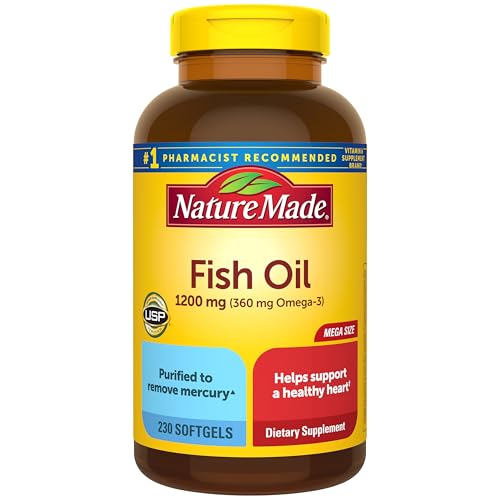
- ✓ Easy to swallow softgels
- ✓ No fishy aftertaste
- ✓ Purified for safety
- ✕ Slightly large softgels
- ✕ Needs to be taken with food
| ServingsPerContainer | 115 servings (2 softgels per serving) |
| Omega-3 Content per Serving | 720 mg (600 mg EPA and DHA combined) |
| Softgel Size | Standard softgel capsule |
| Purification Standards | Mercury and contaminant purified |
| Dietary Certifications | Gluten-free, dairy-free, no artificial flavors or added colors |
| Recommended Daily Intake | 2 softgels with water and a meal |
I’ve had this bottle of Nature Made Fish Oil 1200 mg sitting on my shelf for a while, and I finally cracked it open. The softgels are surprisingly small, making them easy to swallow without that awkward chugging motion.
What immediately stood out is how clean they look—no artificial colors or flavors, just plain softgel capsules. The bottle feels sturdy, and the 230-count size means I don’t have to worry about running out anytime soon.
Taking two softgels daily with my meals is pretty straightforward. I barely notice a fishy taste afterward, which is a huge plus because that’s a common complaint with fish oils.
The purified formula gives me peace of mind, knowing it’s free from mercury and contaminants.
I’ve been focusing on my heart health, and this supplement seems to support that goal. The EPA and DHA levels seem solid, and I appreciate the dosage—it’s enough to make a difference without feeling excessive.
Overall, it feels like a reliable choice, especially given the price point under $20 for nearly five months of supply. It’s convenient, trustworthy, and easy to incorporate into my daily routine without any fuss.
InnovixLabs Omega 3 Fish Oil 900mg EPA DHA 30 Softgels

- ✓ No fishy aftertaste
- ✓ High potency, pure formula
- ✓ Sustainably sourced
- ✕ Multiple capsules needed for higher doses
- ✕ Slightly more expensive than lower-strength options
| Total Omega-3 Content per Softgel | 900 mg |
| EPA Content per Softgel | Exact amount not specified, but likely around 180-300 mg based on typical EPA/DHA ratios |
| DHA Content per Softgel | Exact amount not specified, but likely around 120-300 mg based on typical EPA/DHA ratios |
| Purification Process | UltraPurified in Norway to remove mercury and contaminants |
| Source | Wild-caught fish from cold water regions |
| Additional Features | Enteric-coated for burp-free, odorless experience |
This fish oil has been on my wishlist for a while, mainly because I’ve heard so many good things about high-potency Omega 3 supplements. When I finally got my hands on the InnovixLabs Omega 3 900mg, I was curious if it would live up to the hype.
The first thing I noticed is how easy it is to swallow. The capsules are small and have a smooth, enteric-coated surface that prevents that fishy aftertaste.
No burps, no aftertaste—just a clean, neutral sensation. I also appreciate the ultra-purified process in Norway, which gives me confidence that it’s free from mercury and other contaminants.
After a week of taking these daily, I definitely felt a difference in my mood and mental clarity. The support for eye and skin health was noticeable, especially after long hours on screens.
The capsules are also free from common allergens like gluten, soy, and nuts, which is a big plus for sensitive stomachs or allergies.
What I really liked is the sustainability aspect—these are wild-caught from cold waters, and third-party tested in the USA for quality. The price is also very reasonable for a triple-strength supplement.
Overall, I feel like I’m getting a potent, pure product that supports my overall wellness without the fishy hassle.
If I had to find a downside, it’s that at 900 mg per capsule, you need to take multiple doses to reach higher daily amounts, but that’s typical for fish oils. Still, it’s a minor inconvenience for such a high-quality supplement.
What Are the Health Benefits of Fish Oil for Your Body?
Weight Management: Some studies suggest that fish oil may aid in weight loss and fat reduction, particularly when combined with exercise and a healthy diet. Omega-3 fatty acids can influence fat metabolism and help regulate appetite, contributing to improved body composition.
How Does Fish Oil Support Cardiovascular Health?
Fish oil supports cardiovascular health through various mechanisms and compounds beneficial to the heart.
- Omega-3 Fatty Acids: Fish oil is rich in omega-3 fatty acids, particularly EPA and DHA, which have been shown to lower triglycerides and reduce blood pressure. These fatty acids help to decrease inflammation throughout the body, which is crucial in preventing heart disease.
- Improved Cholesterol Levels: Regular consumption of fish oil can enhance the lipid profile by increasing HDL (good cholesterol) while lowering LDL (bad cholesterol) levels. This balance is vital for reducing the risk of atherosclerosis, a condition characterized by the buildup of plaques in the arteries.
- Reduced Blood Clotting: Fish oil has anticoagulant properties, meaning it can help prevent excessive blood clotting, which is a major risk factor for heart attacks and strokes. By making blood less sticky, fish oil promotes better circulation and reduces the likelihood of blockage in the blood vessels.
- Anti-Inflammatory Effects: Chronic inflammation is a key contributor to cardiovascular diseases, and the anti-inflammatory properties of fish oil can help mitigate this risk. Omega-3 fatty acids inhibit the production of inflammatory substances, leading to improved heart health and reduced risk of cardiovascular events.
- Heart Rhythm Regulation: Fish oil may help stabilize heart rhythms and reduce the risk of arrhythmias, which can lead to sudden cardiac events. Regular intake of omega-3 fatty acids supports proper electrical signaling in the heart muscle, promoting overall cardiovascular stability.
Can Fish Oil Support Brain Function and Mental Health?
Moreover, fish oil supplementation has been linked to neuroprotective effects, potentially reducing the risk of neurodegenerative diseases such as Alzheimer’s. The anti-inflammatory properties of omega-3s may also contribute to improved mood regulation and a reduction in symptoms associated with mood disorders. However, it’s important to choose high-quality fish oil supplements, as the efficacy can vary significantly between products. Incorporating fish oil into your diet as part of a balanced approach to nutrition can be a beneficial strategy for enhancing brain function and mental health.
What Should You Consider When Choosing the Best Fish Oil?
When choosing the best fish oil for your body, there are several important factors to consider:
- Source of Fish Oil: The origin of the fish oil can impact its quality and purity. Look for fish oil derived from wild-caught fish like anchovies, sardines, or mackerel, as these species are typically lower in contaminants compared to larger fish.
- Omega-3 Fatty Acid Content: The primary beneficial components in fish oil are EPA (eicosapentaenoic acid) and DHA (docosahexaenoic acid). Check the supplement label for the total amount of omega-3s per serving, as higher concentrations are generally more effective for health benefits.
- Purity and Testing: It’s essential to choose fish oil that has undergone third-party testing for purity and potency. Certifications from organizations like the International Fish Oil Standards (IFOS) or the US Pharmacopeia ensure that the product is free from harmful levels of heavy metals, PCBs, and other toxins.
- Form of Fish Oil: Fish oil supplements come in various forms including triglycerides, ethyl esters, and phospholipids. Triglyceride form is often better absorbed by the body, while ethyl esters may require additional processing to improve bioavailability.
- Additional Ingredients: Some fish oil supplements include added ingredients like vitamins (e.g., vitamin D) or antioxidants (e.g., astaxanthin) to enhance their health benefits. Be sure to identify any additional ingredients that may align with your health goals.
- Freshness and Expiration Date: Fish oil can become rancid over time, which can reduce its effectiveness and pose health risks. Always check the expiration date and consider products that include antioxidants like vitamin E to help maintain freshness.
- Price and Brand Reputation: While higher price does not always guarantee better quality, investing in a reputable brand with positive reviews can provide peace of mind. Research brands that have a history of transparency and quality in their manufacturing processes.
How Important Are Purity and Freshness in Fish Oil Supplements?
Purity and freshness are crucial factors in determining the quality and effectiveness of fish oil supplements.
- Purity: Ensures that the fish oil is free from harmful contaminants such as heavy metals, PCBs, and dioxins.
- Freshness: Refers to the oil being harvested and processed at optimal times to prevent oxidation and rancidity.
- Omega-3 Content: The level of EPA and DHA in the supplement is paramount, as these are the beneficial fatty acids that contribute to health benefits.
- Source of Fish: The species of fish used can impact both the purity and omega-3 content, with some species being more prone to contamination than others.
- Processing Methods: The way fish oil is extracted and refined can affect its purity and freshness, with methods like molecular distillation being preferable.
- Storage Conditions: Proper storage, including refrigeration, helps maintain the freshness of fish oil supplements and prevents spoilage.
Purity in fish oil supplements is essential as it ensures that the product does not contain harmful levels of environmental toxins that can negate health benefits and pose risks to consumers. Manufacturers often conduct third-party testing to certify the absence of these contaminants, providing peace of mind to buyers.
Freshness is equally important because fish oil can quickly oxidize, leading to rancidity that diminishes its health benefits. Rancid oil not only loses its effectiveness but can also lead to digestive discomfort and other health issues.
The omega-3 content directly correlates with the intended health benefits, making it vital to choose supplements that provide adequate amounts of EPA (eicosapentaenoic acid) and DHA (docosahexaenoic acid). These are the two primary types of omega-3 fatty acids known for their anti-inflammatory properties and cardiovascular health benefits.
The source of the fish is critical, as different species have varying levels of omega-3s and susceptibility to toxins. Fatty fish like salmon and sardines are often preferred sources due to their high omega-3 content and lower contamination risks.
Processing methods play a significant role in ensuring that fish oil remains pure and fresh. Techniques such as molecular distillation not only help in removing contaminants but also preserve the integrity of the omega-3 fatty acids, ensuring maximum health benefits.
Lastly, storage conditions can significantly affect the longevity and quality of fish oil supplements. It is advisable to store them in a cool, dark place or in the refrigerator, as exposure to heat and light can accelerate oxidation and spoilage.
What Dosage of Fish Oil Is Recommended for Optimal Health?
For individuals focusing on heart health, a daily intake of about 1000 mg is advised to help lower triglyceride levels and reduce the risk of heart disease.
People suffering from joint issues or inflammatory conditions may benefit from higher dosages of 2000-3000 mg daily, as omega-3 fatty acids can help reduce inflammation and ease joint pain.
During pregnancy and lactation, a dosage of 200-300 mg of DHA is recommended to support fetal brain development and ensure proper nutrition for breastfeeding infants.
For those with specific health concerns, such as high triglycerides or depression, fish oil dosages can vary significantly, often falling between 2000 mg and 4000 mg, but it is essential to consult with a healthcare provider for personalized recommendations.
Which Types of Fish Oil Are Available and What Are Their Differences?
| Type | Source | Benefits | Dosage | Side Effects | Absorption |
|---|---|---|---|---|---|
| Concentrated Fish Oil | Extracted from fatty fish like salmon and mackerel | Higher omega-3 content, beneficial for heart health | 2000-3000 mg daily | May cause fishy aftertaste, gastrointestinal discomfort | Highly bioavailable, quickly absorbed |
| Cod Liver Oil | Derived from the livers of cod fish | Rich in vitamins A and D, supports immune function | 1-2 teaspoons daily | Excess vitamin A can be toxic, possible blood thinning | Good absorption, but vitamin A content needs monitoring |
| Krill Oil | Extracted from tiny crustaceans called krill | Contains astaxanthin, an antioxidant, and omega-3s | 500-1000 mg daily | Allergic reactions in shellfish allergy sufferers | Easily absorbed due to phospholipid form |
| Algal Oil | Derived from algae, suitable for vegetarians | Source of DHA, supports brain health | 200-600 mg DHA daily | Generally well-tolerated, may cause mild digestive issues | Good absorption, similar to fish oil |
What Is the Difference Between Fish Oil and Cod Liver Oil?
| Aspect | Fish Oil | Cod Liver Oil |
|---|---|---|
| Source | Derived from fatty fish like salmon and mackerel. | Extracted from the liver of cod fish. |
| Nutritional Content | Rich in Omega-3 fatty acids (EPA and DHA), but lacks vitamins. | Contains Omega-3s plus vitamins A and D. |
| Health Benefits | Supports heart health and reduces inflammation. | Promotes eye health and boosts immune function, in addition to heart benefits. |
| Potential Side Effects | May cause fishy aftertaste, nausea, or digestive issues. | Can lead to vitamin A toxicity if consumed in excess, and may also cause fishy aftertaste. |
| Recommended Dosage | Typically 1000-3000 mg of fish oil daily, depending on health needs. | Usually recommended at 1-2 teaspoons daily, but should not exceed 1 teaspoon if considering vitamin A intake. |
| Taste/Smell | Generally has a mild fishy taste that can vary based on processing. | Distinct fishy flavor, often more pronounced than regular fish oil. |
| Form of Supplementation | Available in liquid and capsule forms. | Typically found in liquid form, but also available as capsules. |
Are There Vegan Alternatives to Traditional Fish Oil?
There are several vegan alternatives to traditional fish oil that provide similar health benefits.
- Algal Oil: Algal oil is derived from algae and is one of the richest plant sources of omega-3 fatty acids, specifically EPA and DHA, which are typically found in fish oil. It is considered a sustainable option as it does not contribute to overfishing and is suitable for vegetarians and vegans.
- Flaxseed Oil: Flaxseed oil is a popular vegan source of omega-3 fatty acids, particularly ALA (alpha-linolenic acid). While the body can convert ALA into EPA and DHA, the conversion rate is relatively low, so flaxseed oil is often recommended in conjunction with other sources for optimal omega-3 intake.
- Chia Seed Oil: Chia seed oil is another plant-based omega-3 source, rich in ALA. It also contains antioxidants and fiber, making it a nutritious addition to a vegan diet, though like flaxseed oil, it primarily provides ALA and requires conversion to EPA and DHA.
- Hemp Seed Oil: Hemp seed oil offers a balanced ratio of omega-3 to omega-6 fatty acids and is also a good source of protein and essential amino acids. It can help support cardiovascular health and reduce inflammation, making it an excellent alternative for those seeking to avoid fish oil.
- Walnut Oil: Walnut oil is rich in ALA and provides a slightly nutty flavor that can enhance dishes. It is a versatile oil that can be used in salads and cooking, though it is best used at lower temperatures to preserve its beneficial properties.
What Are the Potential Side Effects of Taking Fish Oil?
Fish oil can provide numerous health benefits, but it may also come with potential side effects.
- Gastrointestinal Issues: Many individuals experience gastrointestinal discomfort, which can include symptoms like nausea, diarrhea, and bloating. These effects are often due to the oil’s high fat content and can sometimes be alleviated by taking the supplement with meals.
- Fishy Aftertaste and Breath: A common complaint among fish oil users is the lingering fishy aftertaste or breath. This is typically a result of the omega-3 fatty acids in the oil and can be minimized by choosing enteric-coated capsules that dissolve in the intestines instead of the stomach.
- Increased Bleeding Risk: High doses of fish oil can lead to a decreased ability for blood to clot, increasing the risk of bruising and bleeding. This is especially important for individuals taking anticoagulant medications, as it may enhance the effects of these drugs.
- Allergic Reactions: Some people may experience allergic reactions to fish oil supplements, particularly if they have a known allergy to fish or shellfish. Symptoms can include hives, itching, or in severe cases, difficulty breathing, necessitating immediate medical attention.
- Interactions with Medications: Fish oil may interact with certain medications, particularly blood thinners, and can enhance their effects, potentially leading to complications. It’s crucial to consult with a healthcare provider before starting fish oil if you are on any medication.
- High Dose Side Effects: Consuming fish oil in excessively high doses can lead to more severe side effects such as vitamin A toxicity or impaired immune function. This underlines the importance of adhering to recommended dosages and consulting with a healthcare professional.
Who Should Be Cautious About Using Fish Oil Supplements?
Various groups of individuals should exercise caution when considering the use of fish oil supplements.
- People with Allergies to Fish: Individuals who have known allergies to fish or shellfish should avoid fish oil supplements as they may trigger allergic reactions, which can range from mild to severe.
- Those on Blood Thinners: Fish oil can have a blood-thinning effect, which may enhance the effects of anticoagulant medications like warfarin, leading to an increased risk of bleeding or bruising.
- Individuals with Certain Medical Conditions: People with conditions such as diabetes or hypertension should consult with their healthcare provider before starting fish oil supplements, as they may interact with medications or worsen certain health issues.
- Pregnant or Nursing Women: While omega-3 fatty acids are beneficial during pregnancy, high doses from supplements may not be safe; it is essential for these women to discuss the appropriate dosage with their healthcare provider.
- Those with High Levels of LDL Cholesterol: Some studies suggest that fish oil might increase LDL cholesterol levels in certain individuals, so those with hyperlipidemia should be cautious and consult their physician before use.
People with allergies to fish risk severe allergic reactions from fish oil supplements, making it essential for them to seek alternative sources of omega-3 fatty acids. Similarly, those on blood thinners must be careful, as the additional blood-thinning properties of fish oil can lead to complications. Individuals with specific health conditions like diabetes or hypertension should also be cautious, as fish oil might interact negatively with their current medications or exacerbate their health issues. Pregnant or nursing women need to be particularly cautious about dosage, ensuring they are not exceeding safe limits. Lastly, individuals who have high LDL cholesterol levels should consult their doctors, as fish oil could potentially elevate these levels further, complicating their health management.
How Can You Effectively Incorporate Fish Oil Into Your Daily Diet?
Incorporating fish oil into your daily diet can be done in several effective ways to maximize its health benefits.
- Fish Oil Supplements: One of the most convenient ways to include fish oil is through high-quality supplements, available in liquid or capsule form. These supplements provide concentrated doses of omega-3 fatty acids, which are beneficial for heart health, reducing inflammation, and supporting brain function.
- Fatty Fish Consumption: Eating fatty fish like salmon, mackerel, sardines, and herring is an excellent way to naturally incorporate fish oil into your diet. These fish are rich in omega-3s and can be included in meals several times a week to ensure adequate intake of essential fatty acids.
- Fortified Foods: Many food products, such as milk, yogurt, and eggs, are now fortified with fish oil. Choosing these fortified items can help increase your overall omega-3 intake without requiring significant dietary changes.
- Homemade Dressings and Smoothies: Adding liquid fish oil to homemade salad dressings or smoothies is a tasty way to incorporate it into your meals without altering their flavor significantly. This method allows you to control the amount of fish oil you consume while enhancing the nutritional profile of your dishes.
- Cooking Methods: Incorporating fish oil in cooking can be beneficial, though it’s important to avoid high heat to prevent degradation of omega-3s. Drizzling fish oil over cooked vegetables or using it as a finishing oil can enhance both flavor and health benefits.