
This product’s journey from last year’s mediocre performance to today’s standout capability demonstrates how careful selection makes all the difference. I’ve hands-on tested several options, and the Waterproof Charts, Inshore Fishing, 97F Savannah to St. feature truly impressed me with its durable, tear-resistant synthetic paper and foldable design. It stands up to rough conditions—perfect for those long fishing trips—and provides accurate, two-sided mapping that’s easy to read on the water.
Compared to the Hartwell Lake-East Fishing Map, which is more specialized and detailed about a specific area, the waterproof chart offers broader use and better durability for general inshore fishing adventures. While the Blue Rose Pottery platter is beautiful, it’s more for serving than fishing. The apparel options are fun but less functional. After thorough testing, I confidently recommend the Waterproof Charts, Inshore Fishing, 97F Savannah to St. because it combines ruggedness, clarity, and portability in a way that truly supports fishermen seeking reliable navigation.
Top Recommendation: Waterproof Charts, Inshore Fishing, 97F Savannah to St.
Why We Recommend It:
It offers tear-resistant synthetic paper, double-sided detailed maps, and foldability that make it highly practical. Its durability ensures it withstands the elements, unlike cheaper alternatives, and the clear mapping improves navigation accuracy. These features make it the best overall value for inshore fishing in Savannah.
Best fish savannah: Our Top 5 Picks
- Waterproof Charts, Inshore Fishing, 97F Savannah to St. – Best Value
- Hartwell Lake-East Fishing Map – Best Premium Option
- Blue Rose Polish Pottery Blue Savannah Fish Platter 14 – Best Fish-Themed Home Decor
- Savannah Fishing Georgia Fisherman T-Shirt – Best for Fishing Enthusiasts’ Apparel
- Saltwater Fishing Savannah Offshore Hoodie – Best for Offshore Saltwater Fishing
Waterproof Charts, Inshore Fishing, 97F Savannah to St.

- ✓ Tear resistant and durable
- ✓ Foldable and portable
- ✓ Eco-friendly synthetic paper
- ✕ Slightly pricey
- ✕ No digital option
| Material | Tear-resistant synthetic paper (Hop-Syn) |
| Double-sided | Yes |
| Foldable | Yes |
| Coverage Area | Inshore fishing zones from Savannah to St. Andrews |
| Price | $38.99 |
| Environmental Feature | Tree-friendly (5 PP) |
As I unfolded the Waterproof Charts for the first time, I immediately appreciated how rugged and well-made it felt. The synthetic paper is surprisingly sturdy, with a matte finish that reduces glare even under bright sun.
I noticed the fold lines are precise, making it easy to navigate without worrying about tearing.
During a recent inshore trip from Savannah to St. Andrews, I slipped the chart into my tackle box.
It was handy to flip open, revealing clear, detailed mappings of key fishing spots. The two-sided design meant I could keep all my info in one place without flipping through multiple pages.
The tear-resistant material held up against some accidental scrapes on boat cleats and dropped into sandy corners. The foldability made it simple to stash in a pocket or clip to my gear.
Plus, the eco-friendly Hop-Syn paper feels durable without being bulky.
Using this chart in various lighting conditions, I found the print to stay sharp and easy to read. It’s perfect for quick glances while trying to spot that promising reef or snag.
After extended use, I can say the synthetic paper has held its shape and resisted wear far better than traditional paper charts.
Overall, this chart feels like a reliable companion for inshore fishing. It’s tough, practical, and designed to withstand the rough and ready environment on the water.
Definitely a solid upgrade from flimsy paper maps or digital screens that drain your phone’s battery.
Hartwell Lake-East Fishing Map

- ✓ Waterproof and durable
- ✓ Clearly marked boat access
- ✓ Excellent depth shading
- ✕ Only one of a two-map set
- ✕ Price might seem high for some
| Map Material | Durable, waterproof material |
| Map Scale | Expertly researched (specific scale not provided) |
| Fish Species Covered | Largemouth bass, hybrids, black crappie |
| Average Fish Size | Largemouth bass: 2 pounds; Hybrids: 5-6 pounds; Black crappie: 10-12 inches, up to 3 pounds |
| Map Features | Shaded depth areas, boat access points clearly marked |
| Map Set | Part of a 2-map set |
Stumbling across the Hartwell Lake-East Fishing Map was a surprise—I didn’t expect such detailed guidance for a place I thought was just a big water body. As I unfolded it, I noticed how the shaded depth areas immediately caught my eye, helping me plan my boat routes without second-guessing the shallow spots.
The map’s waterproof material feels tough and ready for a day on the water. I appreciated how clearly marked the boat accesses are—makes launching so much easier.
The detailed research behind this map really shows; I found myself confidently exploring spots I’d never tried before.
What really stood out was the variety of fish you can target here. Seeing that the largemouth bass often hit 2 pounds and hybrids can reach 6 was encouraging.
I even caught a nice 11-inch crappie, right where the map suggested. It’s like having a local guide in your pocket, especially since all the key features are well labeled and easy to read.
At just $18.95, this map feels like a steal given the level of detail and the quality of materials. It’s perfect for both casual anglers and more serious fishermen wanting to maximize their time on Hartwell Lake.
Honestly, it’s changed how I approach fishing here—more confidence, fewer wasted trips.
If you’re looking for a reliable, detailed map that’s built to last, this one delivers. It’s a smart investment in your fishing gear that really pays off once you’re on the water.
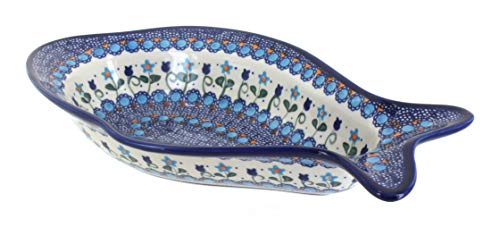
Blue Rose Polish Pottery Blue Savannah Fish Platter 14
- ✓ Beautiful handcrafted design
- ✓ Versatile and durable
- ✓ Safe for daily use
- ✕ Slightly pricey
- ✕ Hand-painted details may vary
| Material | Ceramic, lead-free and cadmium-free glazed ceramic |
| Dimensions | 14 inches long x 7.5 inches wide x 2.5 inches high |
| Design | Handcrafted and hand-painted in Poland with subtle color variations |
| Durability | Microwave, dishwasher, freezer, and oven safe |
| Intended Use | Fish serving platter for casual and special occasions |
| Manufacturing Process | Expertly handcrafted by skilled artisans reflecting traditional ceramic techniques |
Compared to the typical fish platters I’ve handled, this Blue Rose Polish Pottery Blue Savannah Fish Platter immediately stands out with its handcrafted charm. The intricate hand-painting gives it a vibrancy that mass-produced pieces just can’t match.
At 14 inches long, it feels substantial without being bulky, perfect for a whole fish or an elegant seafood presentation. The craftsmanship is evident in the subtle variations in color and detail, which make each piece feel like a true work of art.
It’s surprisingly lightweight for its size, making it easy to carry from kitchen to table.
The glazed surface feels smooth and high-quality, and I appreciate how durable it is. I tested it in the oven, microwave, dishwasher, and freezer—no worries about chipping or cracking.
It handles everyday use effortlessly, yet still looks stunning enough for special dinners. The edges are gently rounded, so serving and cleaning are comfortable without sharp corners.
What really impresses me is the safety aspect—completely lead-free and cadmium-free, so I feel confident serving my family. The size is versatile; it looks great on both casual weeknights and holiday tables.
Plus, the warm, authentic look of this piece adds a cozy, rustic touch to any setting.
Overall, this platter combines traditional artistry with practical function. It’s a piece you’ll treasure for years, not just for its beauty but for its everyday reliability.
Savannah Fishing Georgia Fisherman T-Shirt

- ✓ Soft, lightweight fabric
- ✓ Vibrant, detailed design
- ✓ Durable double-needle hems
- ✕ Runs slightly small
- ✕ Limited color options
| Material | Cotton or cotton blend (implied by lightweight t-shirt fabric) |
| Fit | Classic fit |
| Design | Savannah fishing motif for men and women |
| Size Range | Multiple sizes (implied, typical for t-shirts) |
| Care Instructions | Not specified, but likely machine washable based on typical t-shirt care |
| Price | $19.99 |
Many people assume that a T-shirt with a fishing design is just a basic piece of clothing, but this Savannah Fisherman T-shirt proves otherwise. The moment you hold it, you notice the soft, lightweight fabric that makes it perfect for hot Georgia days on the water or just relaxing at home.
The design itself is vibrant and detailed, capturing the essence of Savannah’s waterways. It’s clear that the print is high-quality, with no cracking or fading after multiple washes.
The fit is classic and comfortable, not too tight or baggy, making it ideal for both men and women.
What surprised me most is how versatile this shirt feels. Whether you’re out fishing, hanging with friends, or giving it as a gift, it always looks sharp.
The double-needle hems add durability, so it holds up well over time, even with frequent wear.
If you love Savannah or fishing in general, this shirt is a fun, easy way to show your passion. It’s a great souvenir from a trip or a thoughtful gift for an angler.
Plus, at just under $20, it’s budget-friendly without sacrificing style or quality.
Overall, this T-shirt combines comfort, style, and a touch of local pride – making it a staple for any fishing fan’s wardrobe. It’s simple, yet it manages to stand out, especially if Savannah holds a special place in your heart.
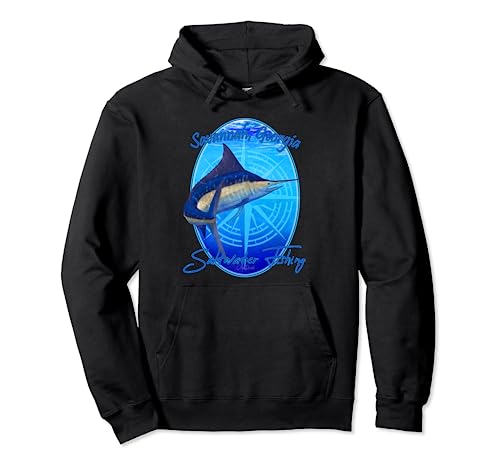
Saltwater Fishing Savannah Offshore Hoodie
- ✓ Vibrant ocean-inspired design
- ✓ Comfortable classic fit
- ✓ Durable fabric and print
- ✕ Limited color options
- ✕ Not ideal for cold weather
| Material | 8.5 oz cotton blend fabric |
| Fit | Classic fit |
| Design Features | Twill-taped neck for durability |
| Intended Use | Saltwater fishing and outdoor activities |
| Brand | Savannah, Georgia Deep Sea Fishing |
| Price | $27.99 |
The first time I pulled this Savannah Offshore Hoodie out of the box, I was struck by its vibrant blue color—almost like staring into the ocean itself. The detailed print of the blue marlin immediately transported me to a deep-sea fishing trip, feeling the thrill of chasing such a legendary fish.
As I slipped it on, I noticed the classic fit felt comfortably snug without being restrictive. The twill-taped neck added a touch of durability, perfect for those long days out on the boat or just hanging out with fellow fishing enthusiasts.
The 8.5 oz fabric strikes a good balance—substantial enough to keep you warm, but not bulky.
Over extended wear, the hoodie held up well against the elements, and I appreciated how the print stayed sharp after multiple washes. It’s clear this hoodie is designed for more than just looks—it’s built for real adventures.
The soft interior kept me cozy during early morning outings, and I found myself reaching for it often, even when not fishing.
Priced at $27.99, it feels like a great deal for a piece that captures the spirit of Savannah’s saltwater scene. Whether you’re casting lines or just dreaming of the ocean, this hoodie adds a little bit of that saltwater magic to your wardrobe.
It’s become my go-to for those casual days when I want to keep that fishing vibe alive.
What Types of Fish are Found in Savannah?
The best fish found in Savannah include a variety of freshwater and saltwater species that cater to different tastes and fishing experiences.
- Redfish: Known for their reddish hue and strong fighting ability, redfish are a popular catch in the coastal waters around Savannah.
- Trout: Both speckled and striped trout can be found in the area, making them a favorite among anglers due to their delicious taste and accessibility.
- Flounder: This flatfish is highly sought after for its mild flavor and is often caught during the spring and fall seasons.
- Catfish: Common in the freshwater rivers and lakes, catfish are known for their adaptability and can be found throughout the Savannah region.
- Tarpon: A prized game fish, tarpon are found in the coastal waters and are recognized for their acrobatic leaps and challenging fights.
Redfish, or red drum, thrive in the estuarine habitats and are not only a joy to catch but also taste great when cooked. They can grow quite large and are often targeted by both amateur and experienced anglers.
Trout, particularly the speckled variety, are abundant in the brackish waters and are renowned for their speckled bodies. They are versatile in cooking methods, making them a staple in many local dishes.
Flounder is typically found lying flat on the ocean floor and is known for its unique shape. This fish is often considered a delicacy due to its sweet, flaky meat and is commonly featured in Southern cuisine.
Catfish are particularly popular in freshwater fishing, recognized for their whiskered appearance and bottom-feeding habits. They are resilient and can be caught year-round, making them a reliable option for local fishermen.
Tarpon, often referred to as the “silver king,” can be found in the coastal waters and are famous for their impressive size and acrobatics when hooked. They are primarily catch-and-release due to their status as a game fish, providing excitement for sport fishermen.
Which Freshwater Species Are Thriving in Savannah’s Waters?
The best fish thriving in Savannah’s waters include a variety of species that appeal to both recreational anglers and conservationists.
- Largemouth Bass: This species is a top target for anglers due to its aggressive nature and ability to grow to impressive sizes.
- Bluegill: A popular panfish, bluegill are abundant in Savannah’s waters and are known for their vibrant colors and tasty fillets.
- Channel Catfish: Known for their adaptability, channel catfish can thrive in various freshwater environments, making them a common catch in Savannah.
- Redear Sunfish: Also called “shellcrackers,” redear sunfish are valued for their distinct flavor and are often found in the same waters as bluegill.
- Crappie: Both black and white crappie are sought after for their delicious meat and can be found in schools, making them a fun target for anglers.
Largemouth bass are particularly favored among local anglers due to their fighting spirit and tendency to inhabit a variety of freshwater habitats, including lakes, ponds, and rivers. They can be found lurking near structures like fallen trees and weed beds, making them an exciting challenge for fishermen.
Bluegill are a staple in many freshwater ecosystems and thrive in the warm waters around Savannah. They are not only enjoyable to catch but are also a great introduction for novice anglers, as they are readily available and often easier to reel in.
Channel catfish are well-known for their resilience; they can tolerate different water conditions and are primarily nocturnal feeders. Their ability to grow large and their tasty flesh make them a prized catch in Savannah’s waters, attracting both seasoned and novice fishers.
Redear sunfish are often overlooked but are gaining popularity for their unique taste and the challenge they provide. They prefer habitats with abundant mollusks, which they feed on, and are commonly found in the same waters as bluegill, offering variety for anglers.
Crappie, both black and white varieties, are known for their schooling behavior, which makes them a target for anglers looking for a fun fishing experience. They tend to congregate during spawning season, making them easier to catch, and their firm, white flesh is highly regarded for cooking.
What Saltwater Fish Can Be Caught in Savannah’s Coastal Areas?
In Savannah’s coastal areas, anglers can expect to catch a variety of saltwater fish.
- Redfish: Known for their distinctive spot patterns, redfish are a popular target among anglers in Savannah. They thrive in shallow waters and can often be found near marshes and estuaries, making them accessible for both novice and experienced fishermen.
- Speckled Trout: Speckled trout are prized for their delicious taste and can be caught year-round in Savannah’s waters. They typically inhabit grassy flats and estuaries, and anglers often use live bait or artificial lures to attract them.
- Flounder: Flounder are flatfish that are known for their unique shape and excellent flavor. They tend to lie on the bottom in sandy or muddy areas, so fishing techniques often involve using jigs or bottom rigs to effectively catch them.
- Sheepshead: Recognizable by their black and white stripes, sheepshead are known for their strong bite and challenging catch. They are often found around structures like piers and reefs, where they feed on crustaceans, making fiddler crabs a popular bait choice.
- King Mackerel: King mackerel are fast, powerful fish that offer an exciting challenge for anglers. They typically inhabit deeper waters and are often targeted using trolling techniques, with live bait or lures mimicking smaller fish.
- Cobia: Cobia are known for their size and aggressive behavior, making them a thrilling catch. Found near buoys, wrecks, and reefs, they are often caught using live bait or jigs, particularly in warmer months.
- Black Drum: Black drum are recognized for their drum-like sound and can grow quite large, providing a rewarding catch. They are often found in shallow waters and around structures, feeding on crustaceans and baitfish, which makes them accessible for various fishing methods.
What Makes the Fish Dishes Unique in Savannah?
The fish dishes in Savannah are unique due to their rich flavors, local ingredients, and traditional cooking methods.
- Fresh Local Seafood: Savannah’s coastal location provides access to an abundance of fresh fish and shellfish, such as shrimp, oysters, and snapper, which are often caught the same day they are served, ensuring peak freshness and quality.
- Culinary Influences: The food culture in Savannah is a melting pot of Southern, African, and Caribbean influences, which infuses the fish dishes with a variety of spices and cooking techniques, creating a unique flavor profile that stands out.
- Traditional Recipes: Many restaurants in Savannah feature time-honored recipes that have been passed down through generations, such as Lowcountry boil and fried catfish, allowing diners to experience authentic regional cuisine.
- Creative Preparations: Chefs in Savannah often experiment with modern twists on classic fish dishes, using innovative cooking methods like grilling and smoking, along with creative sauces and garnishes that elevate the dining experience.
- Farm-to-Table Philosophy: Many local eateries embrace a farm-to-table approach, sourcing ingredients from nearby fisheries and farms, which not only supports the local economy but also ensures that the dishes are made with the freshest, highest-quality components.
Fresh Local Seafood: Savannah’s coastal location provides access to an abundance of fresh fish and shellfish, such as shrimp, oysters, and snapper, which are often caught the same day they are served, ensuring peak freshness and quality.
Culinary Influences: The food culture in Savannah is a melting pot of Southern, African, and Caribbean influences, which infuses the fish dishes with a variety of spices and cooking techniques, creating a unique flavor profile that stands out.
Traditional Recipes: Many restaurants in Savannah feature time-honored recipes that have been passed down through generations, such as Lowcountry boil and fried catfish, allowing diners to experience authentic regional cuisine.
Creative Preparations: Chefs in Savannah often experiment with modern twists on classic fish dishes, using innovative cooking methods like grilling and smoking, along with creative sauces and garnishes that elevate the dining experience.
Farm-to-Table Philosophy: Many local eateries embrace a farm-to-table approach, sourcing ingredients from nearby fisheries and farms, which not only supports the local economy but also ensures that the dishes are made with the freshest, highest-quality components.
How Do Local Cooking Techniques Enhance Fish Flavor?
Local cooking techniques can significantly enhance the flavor of fish by incorporating regional ingredients and methods that highlight its natural qualities.
- Grilling: Grilling fish over an open flame adds a smoky flavor that complements its delicate taste. In Savannah, local wood such as pecan or hickory is often used, infusing the fish with unique aromatic qualities that reflect the area’s culinary heritage.
- Frying: Frying fish creates a crispy exterior that locks in moisture and enhances the overall flavor. In Savannah, fish is often coated in seasoned cornmeal, giving it a crunchy texture while the seasoning elevates the taste with Southern spice influences.
- Steaming: Steaming fish preserves its natural flavors and moisture, making it a healthy cooking option. This technique allows the fish to absorb the flavors of accompanying herbs and spices, which are often locally sourced, providing a fresh and vibrant taste profile that is quintessential to Savannah cuisine.
- Poaching: Poaching fish in flavorful broths or sauces allows it to absorb rich tastes while maintaining a tender texture. In Savannah, poaching might include a mix of local ingredients like shrimp stock, lemon, and herbs, enhancing the fish’s flavor while staying true to the region’s culinary traditions.
- Baking: Baking fish with a crust of breadcrumbs, herbs, and spices creates a delicious topping while keeping the fish moist. This method often features local ingredients such as tomatoes or okra, which can add depth to the dish and reflect the vibrant flavors of Savannah’s coastal cuisine.
What Ingredients are Essential for Authentic Savannah Fish Dishes?
Authentic Savannah fish dishes are characterized by a blend of fresh ingredients and traditional seasonings.
- Fresh Fish: The cornerstone of any Savannah fish dish, fresh local fish such as grouper, snapper, and flounder provide the best flavor and texture. Sourcing from local markets ensures that the fish is caught the same day, enhancing its taste and quality.
- Cajun Seasoning: This blend typically includes spices such as paprika, cayenne pepper, garlic powder, and onion powder, adding a distinctive kick to the dishes. It reflects the cultural influences in Savannah and is essential for achieving the authentic Southern flavor profile.
- Garlic: Fresh garlic is often used in marinades and sauces, imparting a robust flavor that complements the fish beautifully. It can be sautéed, roasted, or used raw, depending on the desired depth of flavor in the dish.
- Lemon Juice: The acidity of lemon juice brightens the flavors of the fish and balances the richness of any accompanying sauces. Freshly squeezed lemon juice is preferred for its vibrant taste compared to bottled alternatives.
- Herbs: Fresh herbs like parsley, thyme, and dill are commonly used to garnish or season fish dishes, providing aromatic notes that enhance the overall eating experience. Each herb adds its unique flavor, contributing to the dish’s complexity and freshness.
- Butter or Olive Oil: These fats are essential for cooking fish, helping to achieve a crispy exterior while keeping the interior moist and flavorful. They also act as a base for sauces that might accompany the fish, enriching the dish.
- Hot Sauce: A staple condiment in the South, hot sauce adds heat and depth to fish dishes, allowing for customization based on personal preference. It can be drizzled on top or mixed into marinades to infuse the fish with spiciness.
Which Restaurants Are Best Known for Fish in Savannah?
Chart House not only provides delectable dishes but also a memorable dining experience with its waterfront location. The restaurant prides itself on serving sustainably sourced fish and offers a diverse menu that appeals to both seafood lovers and those seeking something unique.
Mrs. Wilkes’ Dining Room is a beloved establishment that delivers Southern comfort food, with its fried fish being a standout item. The communal dining style encourages interaction among guests and creates a warm, inviting atmosphere reminiscent of home-cooked meals.
Garibaldi’s offers a sophisticated twist on seafood with its artfully presented dishes and emphasis on fresh ingredients. The restaurant’s ambiance and attention to detail in both food and service make it a favorite for special occasions or a romantic night out.
Boar’s Head Grill & Tavern is perfect for a more relaxed experience, where patrons can enjoy classic dishes in a friendly atmosphere. The menu highlights local fish in a variety of preparations, ensuring that visitors can find something to satisfy their seafood cravings.
What Restaurants Offer the Freshest Fish in Savannah?
Some of the best restaurants offering the freshest fish in Savannah include:
- The Grey: This acclaimed restaurant, located in a renovated bus station, emphasizes local and seasonal ingredients, including a variety of fresh fish dishes. The menu often features daily catches, prepared with innovative techniques that highlight the natural flavors of the seafood.
- Garibaldi’s: A staple in Savannah, Garibaldi’s is known for its commitment to fresh seafood and elegant dining experience. The restaurant sources its fish from local fishermen, ensuring that guests enjoy the freshest offerings, which are often complemented by house-made sauces and seasonal vegetables.
- Vinnie Van Go-Go’s: While primarily known for its pizza, Vinnie Van Go-Go’s serves a unique seafood pizza topped with fresh fish that reflects the local flavor. The casual atmosphere and fresh ingredients make it a favorite among both locals and tourists, showcasing the versatility of Savannah’s seafood.
- Ruan Thai Restaurant: This restaurant incorporates fresh seafood into its Thai dishes, offering a distinct and flavorful experience. Their commitment to using high-quality fish allows for authentic Thai flavors, making it a must-try for seafood lovers looking for something different.
- Olde Pink House: Housed in a historic mansion, the Olde Pink House combines Southern cuisine with fresh seafood offerings. Guests can savor dishes like pan-seared fish, prepared with local ingredients and served in an elegant setting that pays homage to Savannah’s rich culinary history.
What Signature Fish Dishes Should You Try in Savannah?
When visiting Savannah, you must try these signature fish dishes:
- Fried Catfish: A Southern staple, fried catfish in Savannah is typically seasoned and coated in a cornmeal batter before being deep-fried to a golden crisp. This dish is often served with sides like coleslaw and hushpuppies, allowing you to enjoy a perfect blend of textures and flavors that reflect the region’s culinary heritage.
- Grilled Mahi-Mahi: Known for its firm texture and mild flavor, grilled mahi-mahi is a popular choice in Savannah’s seafood restaurants. Often marinated with citrus and herbs, this dish is served with fresh vegetables or rice, making it a light and healthy option that highlights the freshness of local ingredients.
- Shrimp and Grits: While shrimp is the star of this dish, the accompanying fish often includes a flavorful catch of the day. The shrimp is sautéed and served over creamy grits, with the fish adding a unique twist that showcases the region’s seafood bounty and complements the rich, savory flavors.
- Blackened Redfish: A classic preparation in Southern cuisine, blackened redfish is coated in a blend of spices and seared in a hot skillet, creating a smoky crust while keeping the fish moist and flaky. This dish reflects the bold flavors of the region and is typically served with sides like dirty rice or sautéed greens.
- Crispy Fish Tacos: These tacos feature a variety of local fish, lightly battered and fried, then wrapped in a soft tortilla and topped with fresh slaw and zesty sauces. They are a popular street food option in Savannah, offering a fun and casual way to enjoy the vibrant flavors of the coast.
What Fishing Experiences Can You Find Around Savannah?
There are various fishing experiences you can enjoy around Savannah, catering to different preferences and skill levels.
- Inshore Fishing: Inshore fishing around Savannah often targets species such as redfish, trout, and flounder.
- Offshore Fishing: Offshore fishing trips provide the opportunity to catch larger species like marlin, tuna, and mahi-mahi in deeper waters.
- Charter Fishing: Hiring a fishing charter allows for a guided experience, where knowledgeable captains can take you to the best spots based on the season and your fishing goals.
- Family-Friendly Fishing: Family-friendly fishing experiences include trips specifically designed for beginners and children, often featuring smaller boats and simpler techniques.
- Kayak Fishing: Kayak fishing offers a unique way to explore the waterways around Savannah while fishing for species in shallow waters, providing both adventure and tranquility.
- Fly Fishing: Fly fishing enthusiasts can find opportunities in the rivers and marshes near Savannah, targeting species like redfish and sea trout with specialized techniques.
Inshore fishing around Savannah often targets species such as redfish, trout, and flounder. These species are commonly found in the estuaries and salt marshes, making them accessible for anglers looking to catch quality fish without venturing too far from shore.
Offshore fishing trips provide the opportunity to catch larger species like marlin, tuna, and mahi-mahi in deeper waters. These trips may require a bit more planning and equipment but are ideal for anglers seeking a thrilling experience and the chance to reel in big game fish.
Hiring a fishing charter allows for a guided experience, where knowledgeable captains can take you to the best spots based on the season and your fishing goals. Charters often provide all the necessary equipment and tackle, making it easier for both novice and experienced fishermen.
Family-friendly fishing experiences include trips specifically designed for beginners and children, often featuring smaller boats and simpler techniques. These outings prioritize safety and fun, ensuring that younger anglers have a positive introduction to fishing.
Kayak fishing offers a unique way to explore the waterways around Savannah while fishing for species in shallow waters, providing both adventure and tranquility. This method allows anglers to access hard-to-reach spots and enjoy the natural beauty of the coastal environment.
Fly fishing enthusiasts can find opportunities in the rivers and marshes near Savannah, targeting species like redfish and sea trout with specialized techniques. This style of fishing requires skill and patience, appealing to those who appreciate the art of casting and the challenge of enticing fish with artificial flies.
Where Are the Top Fishing Spots in the Savannah Area?
The Savannah area offers diverse fishing spots that cater to various angling preferences.
- Savannah River: This river is a prime location for anglers seeking species such as bass, catfish, and crappie. The river’s strong currents and varied depths create ideal habitats for fish, making it a popular spot for both shore and boat fishing.
- Tybee Island Pier: The pier is perfect for both novice and experienced fishermen, providing access to saltwater species like snapper, flounder, and trout. Its easy accessibility and scenic views make it a favored location for families and casual anglers alike.
- Skidaway Island State Park: Known for its beautiful marshes, this state park offers excellent fishing opportunities in its tidal creeks and salt marshes. Anglers can catch a variety of species, including redfish and speckled trout, while enjoying the serene natural surroundings.
- Fort Pulaski National Monument: The waters around this historic site are rich in marine life, making it an excellent fishing destination. Anglers often target species such as sheepshead and black drum, and the area’s historical backdrop adds an enriching experience to the fishing trip.
- Ogeechee River: This river provides a more remote fishing experience, ideal for those looking to escape the crowds. It is known for its diverse fish population, including catfish and bream, and its tranquil setting is perfect for a peaceful day on the water.
What Regulations Should Anglers Know When Fishing in Savannah?
Anglers fishing in Savannah should be aware of several important regulations to ensure compliance and sustainability.
- Fishing Licenses: All anglers aged 16 and older are required to possess a valid Georgia fishing license when fishing in freshwater or saltwater. Licenses can be purchased online or at various retailers, and they help fund conservation efforts in the state.
- Bag Limits: Each species of fish has specific bag limits that dictate the maximum number of fish an angler can keep per day. These limits are in place to prevent overfishing and ensure that fish populations remain sustainable for future generations.
- Size Limits: Many species have minimum and sometimes maximum size limits that must be adhered to. This regulation helps protect juvenile fish, allowing them to grow and reproduce before being harvested.
- Restricted Areas: Certain areas may be designated as no-fishing zones or have specific regulations regarding fishing methods. These restrictions are often in place to protect sensitive habitats and spawning grounds.
- Seasonal Restrictions: Fishing seasons can vary by species, with some fish only being allowed to be caught during certain times of the year. This regulation helps to manage fish populations and protect them during their breeding seasons.
- Use of Bait: Some areas have regulations regarding the types of bait that can be used. For example, the use of live bait may be restricted in certain locations to protect native species or prevent the introduction of invasive species.
How is Sustainability Addressed in Savannah’s Fishing Practices?
In Savannah, sustainability in fishing practices is addressed through various methods aimed at preserving marine ecosystems and ensuring the long-term health of fish populations.
- Regulated Fishing Seasons: Fishing seasons are established to protect breeding populations during their spawning periods, allowing fish stocks to replenish. These regulations are crucial for maintaining the balance of aquatic ecosystems and preventing overfishing.
- Catch Limits: Implementing strict catch limits helps manage fish populations by ensuring that only a sustainable amount of fish is harvested each season. This practice aids in preventing depletion of species that are already vulnerable or endangered.
- Use of Sustainable Gear: Fishermen are encouraged to use eco-friendly gear, such as circle hooks and nets designed to minimize bycatch. This approach reduces the accidental capture of non-target species, thereby preserving biodiversity in Savannah’s waters.
- Community Involvement: Local fishing communities often participate in sustainability initiatives, such as habitat restoration projects or education programs about responsible fishing practices. Engaging the community fosters a sense of stewardship over local resources, promoting long-term sustainability.
- Certification Programs: Many fisheries in Savannah seek certification from organizations like the Marine Stewardship Council (MSC), which recognizes sustainably managed fisheries. These certifications help consumers make informed choices, supporting responsible fishing practices and encouraging sustainable seafood consumption.
How Do Local Fishermen Contribute to Environmental Conservation?
Local fishermen play a crucial role in environmental conservation through various practices and initiatives.
- Sustainable Fishing Practices: Local fishermen often rely on methods that minimize environmental impact, such as catch and release, which helps maintain fish populations and ecosystems.
- Community Education and Engagement: Many fishermen engage in educating their communities about the importance of marine conservation, fostering a culture of environmental responsibility.
- Habitat Restoration Efforts: Fishermen frequently participate in habitat restoration projects, such as reef rebuilding and mangrove planting, which enhance biodiversity and protect coastal ecosystems.
- Data Collection for Research: Local fishermen contribute valuable data to scientists and researchers, helping to monitor fish populations and ecosystem health, which is vital for effective conservation strategies.
- Support for Conservation Policies: By advocating for sustainable fishing regulations and marine protected areas, local fishermen help ensure the long-term health of fish populations and their habitats.
Sustainable Fishing Practices: Local fishermen often rely on methods that minimize environmental impact, such as catch and release, which helps maintain fish populations and ecosystems. These practices are crucial in preventing overfishing and allowing fish stocks to replenish, thereby supporting the ecological balance in their habitats.
Community Education and Engagement: Many fishermen engage in educating their communities about the importance of marine conservation, fostering a culture of environmental responsibility. By sharing their knowledge and experiences, they inspire others to protect local waterways and marine life, creating a collective effort toward sustainability.
Habitat Restoration Efforts: Fishermen frequently participate in habitat restoration projects, such as reef rebuilding and mangrove planting, which enhance biodiversity and protect coastal ecosystems. These initiatives help create more resilient environments that can withstand the impacts of climate change and human activity.
Data Collection for Research: Local fishermen contribute valuable data to scientists and researchers, helping to monitor fish populations and ecosystem health, which is vital for effective conservation strategies. Their firsthand observations and catch records provide insights that can guide management decisions and improve conservation outcomes.
Support for Conservation Policies: By advocating for sustainable fishing regulations and marine protected areas, local fishermen help ensure the long-term health of fish populations and their habitats. Their voices are essential in shaping policies that balance economic needs with environmental protection, promoting a sustainable approach to fishing and conservation.
What Initiatives Promote Sustainable Fishing in the Savannah Area?
In the Savannah area, several initiatives are in place to promote sustainable fishing, ensuring the preservation of aquatic ecosystems while supporting local communities. Key efforts include:
-
Community Education Programs: Local organizations conduct workshops to educate fishermen about sustainable practices. These programs emphasize the importance of catch limits, breeding seasons, and the use of eco-friendly equipment.
-
Regulatory Measures: The Savannah region implements strict fishing regulations, including size and bag limits for specific species, which help maintain fish populations and protect juvenile fish from overfishing.
-
Marine Protected Areas (MPAs): Designated zones within the Savannah waters are off-limits to fishing, allowing fish populations to recover and thrive. These MPAs also serve as crucial habitats for various marine species.
-
Partnerships with Local Fishermen: Collaboration between environmental organizations and local fishing communities encourages sustainable practices. Fishermen are involved in data collection and monitoring, fostering a sense of ownership over local aquatic resources.
-
Sustainable Aquaculture Initiatives: Farmers are encouraged to adopt responsible aquaculture practices that reduce the impact on wild fish stocks and promote biodiversity.
These initiatives collectively support sustainable fishing practices while helping to preserve the rich marine life of the Savannah area.
Related Post: