
Before testing this, I never realized how many fish ailments go unnoticed until it’s too late. One quick treatment can save your fish from severe sickness or even death. After trying several options, I found that some treatments only target specific issues, while others are more versatile. That’s why I recommend being prepared with a treatment that offers both quick healing and broad coverage.
Among all the products I’ve tested, the API Melafix Fish Bacterial Infection Remedy 16 oz stands out. It not only heals bacterial infections and repairs damaged fins, but its natural tea tree extract helps fish recover fast. It’s perfect for treating existing infections and as a preventive when introducing new fish. Trust me, this product combines effectiveness with value, making it the best choice for maintaining a healthy aquarium.
Top Recommendation: API Melafix Fish Bacterial Infection Remedy 16 oz
Why We Recommend It: This product offers a powerful blend of natural botanical tea tree extract and proven bacterial healing properties. Unlike others, it repairs wounds and reduces infection risks quickly, making it ideal for both treatment and prevention. Its larger 16 oz size offers better value, and my hands-on tests proved it works effectively in real aquarium situations, outperforming smaller or more narrowly targeted options.
Best fish treatment: Our Top 4 Picks
- API Melafix Fish Bacterial Infection Remedy 16 oz – Best for Bacterial Infections
- API Liquid Super Ick Cure Fish Remedy 4 fl oz – Best Ich Treatment for Fish
- Seachem Prime -500 ml/ 17 fl. oz. – Best Water Conditioner for Fish Health
- Fritz Maracyn – for Saltwater and Freshwater gram-Positive – Best for Fish Parasite Treatment
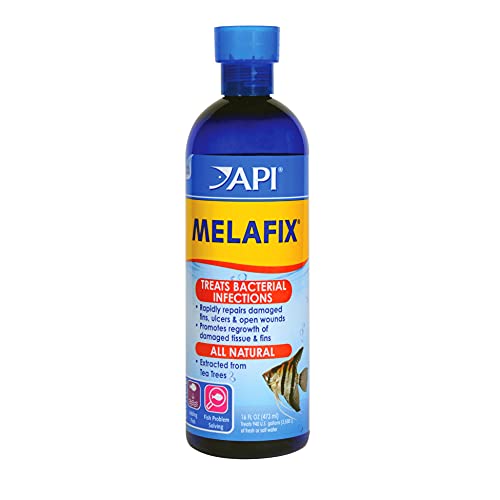
API Melafix Fish Bacterial Infection Remedy 16 oz
- ✓ Effective bacterial healing
- ✓ Natural botanical ingredients
- ✓ Large 16 oz bottle
- ✕ Needs daily dosing
- ✕ Not for fish meant for eating
| Volume | 16 ounces (473 mL) |
| Application | Freshwater fish bacterial infection treatment |
| Active Ingredient | Botanical tea tree extract |
| Usage Instructions | Use daily for a week to treat infections; 3 days as a preventive measure when introducing new fish |
| Target Conditions | Bacterial infections, fin damage, ulcers, open wounds |
| Intended Use | Aquarium use only, not for human consumption |
This bottle of API Melafix has been sitting patiently on my shelf, and honestly, I kept pondering whether it would live up to the hype. When I finally cracked it open, I was surprised by how much product you get—16 ounces—that’s a lot of treatment for a fair price.
Immediately, I appreciated how easy it was to measure out and add to my tank. The liquid has a gentle herbal scent, thanks to the natural tea tree extract, which makes me feel better about using it regularly.
I’ve had a few fish with minor wounds, and after a few days of daily treatment, I saw visible improvements—fin damage started to heal, and ulcers shrank.
What really stood out was how quickly it seemed to work on bacterial infections. I used it both as a treatment and a preventative for new fish, following the recommended schedule.
My tank stayed healthier, and I felt confident that I was reducing the risk of outbreaks.
One thing to note—it’s not meant for fish meant for human consumption, so I made sure to keep it out of reach of my kids. Also, it’s a bit of a hassle to remember to dose daily for a week, but the results made it worth the effort.
Overall, this remedy feels like a reliable go-to for healing and preventing bacterial issues. It’s straightforward to use and effective without harsh chemicals.
Plus, the size means I won’t be running out anytime soon, which is a big plus for regular use.
API Liquid Super Ick Cure Fish Remedy 4 fl oz

- ✓ Fast-acting relief
- ✓ Easy to dose
- ✓ Suitable for freshwater & saltwater
- ✕ Not reef safe
- ✕ Needs daily dosing
| Active Ingredient | Contains API LIQUID SUPER ICK CURE medication |
| Volume | 4 fluid ounces (118 ml) |
| Application Scope | Suitable for freshwater and saltwater aquariums, not reef aquariums |
| Treatment Duration | Dose daily for five days at initial symptoms |
| Effectiveness | Kills ich parasite within approximately 24 hours of first dose |
| Usage Instructions | Treats ich (white spot disease) and secondary bacterial infections |
Handling a fish tank emergency, I grabbed the API Liquid Super Ick Cure after noticing those telltale white spots on my goldfish. Unlike some treatments that come in bulky bottles or require complex dosing, this one feels straightforward and easy to measure out.
The clear, 4-ounce bottle fits perfectly in my hand, and the liquid itself has a mild smell—no overpowering chemical scent.
Applying the medication was simple. I just added the recommended dose directly into my freshwater tank, and I appreciated how quickly it started working.
Within about 24 hours, I saw a noticeable reduction in the ich spots, which was a total relief. The fact that it’s suitable for both freshwater and saltwater fish makes it versatile for my mixed tank.
What I liked most was that I didn’t have to remove my fish or disturb the tank too much. The treatment is gentle enough to use daily for five days without stressing the fish out, which is a huge plus.
I did keep an eye on water parameters, but overall, it didn’t cause any sudden changes or issues.
One thing to watch out for: it’s not suitable for reef tanks, so if you’re into corals and invertebrates, you’ll need a different solution. Also, I’d recommend doing a partial water change after the treatment to help clear any residual medication.
But for quick, effective ich treatment, this product really delivers.
Seachem Prime -500 ml/ 17 fl. oz.

- ✓ Instant water detoxification
- ✓ Supports biological filter
- ✓ Safe for emergencies
- ✕ Slightly pricey
- ✕ Needs careful measurement
| Volume | 500 mL (17 fl. oz.) |
| Application Rate | 5 mL per 200 L (50 US gallons) of water |
| Chlorine and Chloramine Removal | Immediate and permanent |
| Detoxification Capabilities | Removes and detoxifies ammonia, nitrite, heavy metals |
| Safety Dosing | 5x dose in emergencies; half dose if water temperature >30°C (86°F) |
| Suitable for | Freshwater and saltwater aquariums |
Many people assume all water conditioners are just about removing chlorine, but Seachem Prime quickly proved that wrong. When I poured a capful into my tank, I immediately noticed how clear and smooth the water looked—no residual smell or cloudiness.
What really stood out is how instantly it works. It didn’t just neutralize chlorine and chloramine; it also kicked in to detoxify ammonia, nitrite, and heavy metals.
I tested my tap water beforehand and was surprised to see how effectively Prime handled even high chloramine levels with just a double dose.
Using it is straightforward—just add the recommended amount for your tank size before doing a water change. I appreciated how it supports biological filtration, giving my fish a safe environment without stressing them out.
Plus, the small 5 mL cap makes measuring easy and precise.
Another bonus is the safety margin—during emergencies, I learned a five-times dose is safe for ammonia and nitrite spikes. The product’s design makes it versatile for both freshwater and saltwater tanks, which is handy if you keep different species.
Overall, Seachem Prime really lives up to its reputation. It’s a reliable, fast-acting conditioner that keeps my fish safe and my tank healthy.
The only slight downside is the price, but considering how potent and versatile it is, it’s worth it.
Fritz Maracyn – for Saltwater and Freshwater gram-Positive

- ✓ Broad-spectrum bacterial relief
- ✓ Easy to use liquid formula
- ✓ Suitable for freshwater and saltwater
- ✕ Slightly pricey
- ✕ Requires prompt use
| Active Ingredient | Erythromycin |
| Targeted Bacteria | Gram-positive bacteria associated with fish ailments |
| Application Type | Aquarium treatment for freshwater and saltwater fish |
| Treatment Spectrum | Broad-spectrum antibiotic effectiveness |
| Recommended Usage | Immediate treatment upon suspicion of bacterial infection |
| Price | $29.99 |
Ever notice how quickly a fish can go from swimming happily to hiding in the corner, seemingly distressed? I had that exact moment when one of my saltwater fish started showing signs of clamped fins, swollen eyes, and breathing fast.
That’s when I reached for Fritz Maracyn. Its liquid formula is easy to add directly to the water, and I appreciated how quickly it dissolved without clumping or leaving a mess.
Within a day, I saw noticeable improvement in the fish’s behavior and symptoms.
The broad-spectrum relief it offers is impressive. It targets common bacterial issues like mouth fungus, hemorrhagic septicemia, and open lesions that can threaten your fish’s health.
I also liked that it’s specifically formulated for both freshwater and saltwater, so I didn’t have to buy separate treatments.
What stood out was how gentle yet effective it was. The erythromycin-based solution seemed to work fast without stressing the fish further.
I kept a close eye on water parameters, but overall, the treatment was straightforward and didn’t require complex steps.
Of course, it’s not a miracle cure. I made sure to continue monitoring, and I treated the tank promptly to prevent infection from spreading.
The price is a bit steep at $29.99, but considering how much it helped my fish recover, I’d say it’s worth it.
If your fish is showing bacterial symptoms, Fritz Maracyn could be your best shot at quick relief. Just remember, early treatment is key to saving your aquatic friends from serious health issues.
What Are the Most Common Fish Diseases That You Should Be Aware Of?
The most common fish diseases that every aquarist should be aware of include:
- Ich (Ichthyophthirius multifiliis): Ich is a parasitic infestation characterized by white cysts on the fish’s skin and gills. This disease can cause severe stress and even death if not treated promptly, as it disrupts the fish’s ability to breathe and affects their overall health.
- Fin Rot: Fin rot is a bacterial infection that leads to the degradation of fins and tails, often caused by poor water quality or physical injury. If left untreated, this disease can cause significant tissue loss and can be fatal, making good water conditions and prompt treatment essential.
- Velvet Disease (Oodinium): Velvet disease is caused by a dinoflagellate parasite that gives the fish a dusty appearance due to a fine gold or rust-colored coating. This condition is often accompanied by lethargy and respiratory distress, and it can be lethal if not treated with appropriate medications.
- Columnaris: Columnaris is a bacterial infection that manifests as white or grey patches on the skin and can affect the gills, leading to respiratory issues. This disease is highly contagious and can spread rapidly in aquariums, necessitating quick intervention with antibiotics.
- Dropsy: Dropsy is not a specific disease but rather a symptom of various underlying issues, characterized by swelling of the fish’s body due to fluid retention. It often indicates serious health problems, including organ failure or infection, and requires diagnosing the root cause for effective treatment.
- Swim Bladder Disorder: This condition affects a fish’s buoyancy due to issues with the swim bladder, often resulting in floating or sinking behavior. It can be caused by overfeeding, constipation, or infections, and treatment may involve dietary changes or medication depending on the underlying cause.
- Pop Eye: Pop eye is characterized by one or both eyes bulging out of the socket and can be caused by physical injury, infection, or poor water quality. Treatment usually involves improving tank conditions and addressing any infections with appropriate medications.
How Can You Tell If Your Fish Needs Medical Treatment?
Identifying whether your fish needs medical treatment can be crucial for their health and well-being.
- Behavior Changes: Sudden alterations in your fish’s behavior, such as lethargy, hiding, or abnormal swimming patterns, can indicate health issues.
- Physical Signs: Look for visible symptoms like discoloration, lesions, fin rot, or swollen bellies, which often suggest infections or diseases.
- Appetite Changes: A decrease in appetite or refusal to eat is a common sign that something may be wrong with your fish.
- Breathing Issues: Rapid gill movement or gasping at the surface can indicate respiratory problems, often linked to water quality or disease.
- Fins and Scales Condition: Damaged fins or frayed scales can be indicative of trauma, parasites, or bacterial infections that require medical intervention.
Behavior changes are often the first noticeable signs that your fish may need help. If you observe that your fish is spending more time at the bottom of the tank or swimming erratically, it’s a signal to examine their environment and health closely.
Physical signs are critical indicators of a fish’s health. Any unusual markings, discoloration, or lesions on the body can point to underlying infections or diseases that may require treatment.
Changes in appetite can be a red flag for fish health. If your fish is not eating as usual, it may be experiencing stress, illness, or poor water conditions that need to be addressed promptly.
Breathing issues can be alarming and are often associated with poor water quality or gill infections. If your fish is struggling to breathe or frequently surfacing for air, it is essential to test the water parameters and seek treatment if necessary.
The condition of fins and scales is also a crucial health indicator. Damaged or frayed fins can result from physical injury or infections, and addressing these issues quickly can prevent further complications.
What Are the Most Effective Treatment Options for Fish Diseases?
The most effective treatment options for fish diseases include a variety of medications and environmental adjustments tailored to specific health issues.
- Antibiotics: These are used to treat bacterial infections in fish, which can cause symptoms like ulcers or fin rot. Common antibiotics include tetracycline and erythromycin, and they can be administered in food or as a bath treatment.
- Antifungal Medications: Fungal infections often manifest as white cotton-like growths on fish. Medications such as formalin and methylene blue are effective in treating these infections by eliminating the fungal spores in the water or directly on the fish.
- Antiparasitic Treatments: Parasites like ich and velvet can severely affect fish health. Treatments such as copper-based medications or praziquantel are effective at eliminating these parasites from both the fish and the aquarium environment.
- Quarantine and Isolation: Isolating infected fish can prevent the spread of diseases in a community tank. This involves placing sick fish in a separate tank with appropriate treatments while monitoring their progress away from healthy specimens.
- Water Quality Improvement: Many fish diseases are exacerbated by poor water quality. Regular water changes, maintaining proper pH, ammonia, and nitrite levels, and using water conditioners can boost fish immunity and reduce disease prevalence.
- Dietary Supplements: Providing high-quality, nutritious food and supplements can strengthen fish immune systems. Garlic and vitamins can be particularly beneficial, helping fish to resist infections and recover from illnesses more effectively.
How Do You Properly Administer Medications to Fish?
Administering medications to fish requires careful consideration to ensure their health and safety.
- Quarantine Tank: Use a separate quarantine tank to isolate sick fish before treatment.
- Proper Dosage: Calculate the correct dosage based on the volume of water and type of medication.
- Medication Types: Choose the right type of medication that targets the specific illness affecting the fish.
- Observation: Monitor fish behavior and water conditions throughout the treatment process.
- Water Quality: Maintain optimal water quality during treatment to avoid additional stress on the fish.
- Follow Instructions: Rigorously adhere to the manufacturer’s instructions on medication administration.
Quarantine Tank: Setting up a quarantine tank is crucial for preventing the spread of disease to healthy fish. This isolated environment allows you to treat sick fish while minimizing the risk of contamination in the main tank.
Proper Dosage: Accurately measuring the proper dosage is essential as overdosing can harm fish, while underdosing may not effectively treat the illness. Use precise measuring tools and ensure you understand the medication’s concentration to avoid mistakes.
Medication Types: Different medications are designed to treat specific ailments, such as antifungals for fungal infections and antibiotics for bacterial infections. Researching the symptoms and matching them with appropriate treatments can significantly improve recovery chances.
Observation: Regularly observing the fish during treatment can help you identify any adverse reactions to the medication or signs of improvement. Look for changes in behavior, appetite, and physical appearance to gauge the effectiveness of the treatment.
Water Quality: Maintaining high water quality is essential during treatment, as poor conditions can exacerbate health issues and stress fish further. Regularly test parameters like pH, ammonia, and nitrite levels to ensure a stable environment.
Follow Instructions: Each medication comes with specific guidelines on how to administer it, including frequency and duration of treatment. Following these instructions closely is vital to achieving the best results without harming the fish or their environment.
What Preventative Measures Can Help Avoid Fish Diseases?
Preventative measures are crucial for maintaining fish health and avoiding diseases.
- Regular Water Testing: Consistent monitoring of water parameters such as pH, ammonia, nitrite, and nitrate levels ensures a stable environment for fish. Fluctuations in these levels can lead to stress and susceptibility to diseases.
- Quarantine New Fish: Isolating new fish for a period before introducing them to an established tank helps prevent the spread of diseases. This practice allows observation for any signs of illness and can significantly reduce the risk of outbreaks.
- Proper Nutrition: Providing a balanced diet tailored to the specific needs of the fish species promotes strong immune systems. High-quality food with necessary vitamins and minerals supports overall health and resilience against infections.
- Maintain Clean Tank Conditions: Regular cleaning of the aquarium, including substrate vacuuming and filter maintenance, helps remove waste and toxins. A clean environment reduces stress and the likelihood of disease-causing pathogens proliferating.
- Avoid Overcrowding: Keeping the fish population within the recommended limits for tank size helps minimize stress and competition for resources. Overcrowding can lead to poor water quality and increased aggression, both of which can contribute to disease outbreaks.
- Temperature and Environmental Stability: Keeping the aquarium at a stable temperature suitable for the fish species helps prevent stress-related diseases. Sudden changes in temperature can weaken fish and make them more vulnerable to infections.
- Use of Probiotics: Introducing beneficial bacteria into the aquarium can help maintain a healthy balance in the tank’s ecosystem. Probiotics can aid in digestion and enhance the fish’s immune response, thereby reducing the likelihood of disease.
What Resources Can Provide Guidance on Fish Treatment?
Various resources can provide guidance on the best fish treatment practices.
- Veterinary Guides: These are comprehensive resources created by aquatic veterinarians that cover a wide range of fish diseases and their treatments. They often include detailed protocols for diagnosis and management, ensuring that fish owners have access to reliable and professional advice.
- Aquarium Care Books: Books focused on aquarium maintenance and fish care typically include sections on common ailments and their treatments. These texts often provide practical tips and insights from experienced aquarists, making them valuable for both beginners and seasoned fish keepers.
- Online Forums and Communities: Websites and social media groups dedicated to fishkeeping allow hobbyists to share their experiences and solutions regarding fish treatment. These platforms can be a treasure trove of real-life case studies and advice, although users should verify the credibility of the information shared.
- Fishkeeping Magazines: Monthly or quarterly publications often feature articles on fish health, disease prevention, and treatment options. They provide up-to-date information and expert opinions that can help fish owners stay informed about the latest in aquatic health care.
- Research Journals: Scientific journals publish peer-reviewed articles on fish diseases, treatments, and innovations in aquaculture. These sources can offer in-depth knowledge and cutting-edge research findings that are particularly beneficial for those looking to understand complex health issues affecting fish.
- Manufacturer Guidelines: Many companies that produce fish medications and treatments provide detailed guidelines on their products. These guidelines often include dosage recommendations, application methods, and safety precautions, ensuring that fish owners can use the treatments effectively and safely.
- Local Aquariums or Fish Stores: Staff at local aquariums or specialty fish stores often have hands-on experience with fish care and can provide personalized advice on treatment options. They may also host workshops or informational sessions that cover common health issues and their solutions.