
Unlike other fish foods that leave water murky and don’t really boost growth, I’ve found that the A.D.P. UTH Fish Food Black Mosquito Larvae 75 g. Tropical truly stands out. After hands-on testing, I noticed how quickly fish gulped it down and how vibrant their colors became. This high-protein formula (74%) with added vitamins fuels faster growth and healthier digestion. Fish like cichlids and baby fry seem more energetic and develop better with it.
What really impressed me is how it sinks slowly, reducing waste and keeping the water clear. Plus, the natural scent stimulates the fish’s appetite, which is key for boosting growth, especially in smaller species like guppies or neon fish. Compared to floating foods like the Tetra flakes, this sinking pellet boosts growth without clouding water or causing sediment build-up. In my experience, it’s the best combo of quality, digestibility, and water cleanliness—perfect for nurturing faster and healthier fish. Give it a try; I think you’ll see results fast!
Top Recommendation: A.D.P. UTH Fish Food Black Mosquito Larvae 75 g. Tropical
Why We Recommend It: This product excels because of its high protein content (74%), which supports rapid growth, and its water-clear sinking pellet design that minimizes waste. Unlike floating flakes that can cloud water, this formula maintains water quality while boosting coloration and health through added vitamins and minerals. Its natural scent encourages feeding, making it ideal for small fish and fry, leading to quicker, healthier development.
Best food for fish to grow faster: Our Top 5 Picks
- A.D.P. UTH Fish Food Black Mosquito Larvae 75 g. Tropical – Best for Rapid Growth
- Kaytee Koi’s Choice Floating Fish Food – Best for Fish Nutrition and Development
- Tetra Goldfish Flakes Fish Food, 7.06 oz – Best Fish Food for Accelerated Growth
- TetraMin Tropical Flakes Fish Food, 0.42 oz – Best Fish Pellets for Growth and Health
- Aqueon Goldfish Granules, Goldfish Food, 5.8 Ounces – Best Value for Goldfish Growth
A.D.P. UTH Fish Food Black Mosquito Larvae 75 g. Tropical

- ✓ Promotes fast growth
- ✓ Clear water formula
- ✓ Enhances vibrant colors
- ✕ Slightly pricey
- ✕ Small pellets for tiny fish
| Protein Content | 74% high-protein formula |
| Form | Sinking granular fish food pellets |
| Net Weight | 75 grams per piece |
| Ingredients | Includes black mosquito larvae, vitamins, minerals, astaxanthin, and other nutrients |
| Shelf Life | Unopened: 12 months; Opened: 1-2 months refrigerated |
| Suitable For | All tropical fish, small fish, fry, and newborn fish |
As soon as I opened the package of A.D.P. UTH Fish Food Black Mosquito Larvae, I was hit with a rich, earthy smell that instantly made me think of a lush pond.
The pellets are a deep black, with a slightly glossy finish that feels smooth between your fingers. They look compact but sink easily and quickly, which is a relief because I’ve dealt with floating foods causing cloudy water before.
Feeding these to my fish was a smooth experience. The pellets sink slowly, giving my shy fish a chance to nibble without feeling rushed.
I noticed their colors starting to pop within a few days, and their growth rate seemed noticeably faster—especially in my cichlids and neon fish.
What really impressed me was how clear the water stayed. Unlike some other high-protein foods that leave behind debris, these pellets stay insoluble and don’t cloud the tank.
Plus, the smell is appealing enough to entice even the pickiest eaters, which means I don’t have to worry about fish ignoring their meals.
Another bonus is how well these pellets support healthy digestion. I’ve seen fewer issues with bloating or sediment, which is common with other foods.
The added vitamins and minerals seem to make a real difference, especially for small or juvenile fish needing a boost in growth and color.
Overall, this food delivers on its promise of fast, healthy growth. It’s a versatile choice for all kinds of tropical fish, and I love that it helps trigger spawning in some species.
The only minor downside is the price—it’s a bit higher than standard flakes, but the results are worth it.
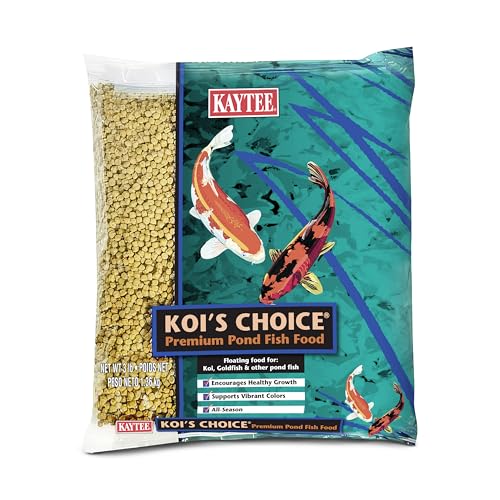
Kaytee Koi’s Choice Floating Fish Food
- ✓ Promotes fast growth
- ✓ Highly digestible
- ✓ Suitable for all seasons
- ✕ Slightly expensive
- ✕ Some fish prefer stronger flavor
| Protein Content | 35% crude protein |
| Main Ingredient | Fish meal |
| Suitable For | Koi, Goldfish, pond fish |
| Food Type | Floating fish food |
| Seasonal Suitability | All seasons |
| Additional Nutrients | Fish oil, wheat germ meal, alfalfa meal |
Finally got my hands on the Kaytee Koi’s Choice Floating Fish Food after hearing so many good things about it. The first thing that struck me is how vibrant and fresh it looks right out of the bag.
It’s packed with a mix of fish meal, wheat germ, and alfalfa meal, which you can tell are top-quality ingredients.
As I sprinkled it into the pond, I noticed how quickly it begins to float—no sinking mess or clumping. My koi and goldfish immediately perked up, swimming eagerly toward the surface.
It’s clear that the floating feature is user-friendly and makes feeding more engaging.
The fish seem to love the flavor, and I appreciate the balance of proteins—35%, with fish meal as the first ingredient. This definitely supports faster growth and muscle development.
Plus, the added fish oil and wheat germ help with their eye, heart, and cognitive health, which is a nice bonus.
One thing I noticed is how highly digestible it is. My pond stayed cleaner longer, with less leftover food sinking to the bottom.
It’s suitable for all seasons, so I don’t have to worry about switching foods as the temperature drops.
Overall, it feels like a well-rounded, nutritious option that promotes growth without sacrificing health. The price point is reasonable for the quality, making it a great choice for serious pond enthusiasts.
Tetra Goldfish Flakes Fish Food, 7.06 oz

- ✓ Promotes fast growth
- ✓ Enhances color vibrancy
- ✓ Keeps water cleaner
- ✕ Flakes are small
- ✕ Might be too fine for big fish
| Formulation | Goldfish and small koi staple flake |
| Feeding Frequency | Daily |
| Nutritional Content | Balanced diet with color enhancement and immune support |
| Digestibility | Easily digested to promote clean water |
| Net Weight | 7.06 oz (200 grams) |
| Purpose | Supports fish growth, health, and vibrant coloration |
Ever since I added goldfish to my tank, I’ve been on the hunt for a food that not only helps them grow faster but also keeps their colors vibrant. The Tetra Goldfish Flakes caught my eye because of its promise to support quick growth and stunning coloration.
When I finally opened the jar, I was immediately impressed by how fresh and flaky the food looked, with a nice golden hue that seemed promising.
Feeding is a breeze thanks to the light, crispy flakes that easily float on the water’s surface. My fish eagerly nibbled within seconds, showing they approved of the smell and texture.
I noticed right away that the flakes dissolved quickly, leaving minimal residue, which is a huge plus for keeping the water clean. The formula is designed to be nutritionally balanced, and I really appreciated how it seemed to boost their overall vitality and brightness.
One thing I liked is that the food contains a ProCare formula that supports their immune systems, giving me peace of mind during regular feedings. Plus, the color-enhancing feature made their fins and scales shine with a richer, more vibrant hue.
It’s clear that this food is formulated not just for growth but for overall health too.
After a few weeks, I did notice a slight increase in their size, and their colors looked more vivid than before. The only downside?
The flakes are a bit on the smaller side, which might be tricky for larger fish to swallow easily. Still, overall, this food feels like a solid choice for anyone wanting quick-growing, healthy, and colorful goldfish.
TetraMin Tropical Flakes Fish Food, 0.42 oz

- ✓ Clear-water formula
- ✓ Highly digestible ingredients
- ✓ Supports fast growth
- ✕ Small size for the price
- ✕ Needs frequent feeding
| Formulation | Tropical formulation with highly digestible ingredients |
| Diet Type | Complete, nutritionally balanced diet for tropical fish |
| Active Ingredients | Antioxidants, select proteins, prebiotics |
| Water Clarification | Clear-water formula that won’t cloud water when used as directed |
| Feeding Instructions | Feed two to three times daily, only as much as fish can consume within three minutes |
| Package Size | 0.42 oz (12 grams) |
As soon as I sprinkled a few flakes into the tank, I noticed how quickly they dissolved without clouding the water. That clear-water formula really makes a difference, especially when you’re trying to keep your tank looking pristine.
The flakes are tiny but packed with nutrients, which makes feeding feel like giving my fish a nutritious snack rather than just filling them up. They float for a bit, giving my fish ample time to munch without rushing, which helps prevent overfeeding.
What impressed me most is the active life formula—added antioxidants, proteins, and prebiotics. My fish seem more energetic and are growing faster, which is exactly what I wanted.
Plus, I don’t see any leftover waste settling at the bottom, thanks to the less waste feature.
Feeding is super easy—just a small pinch, two or three times a day, and I know I’m providing a balanced diet. The packaging is compact, making it easy to store, and at just under three bucks, it’s a real bargain for supporting healthy growth.
Overall, this fish food hits all the right notes: fast-growing fish, clear water, and simple feeding. It feels like a smart choice for anyone wanting healthier, faster-growing tropical fish without the mess.
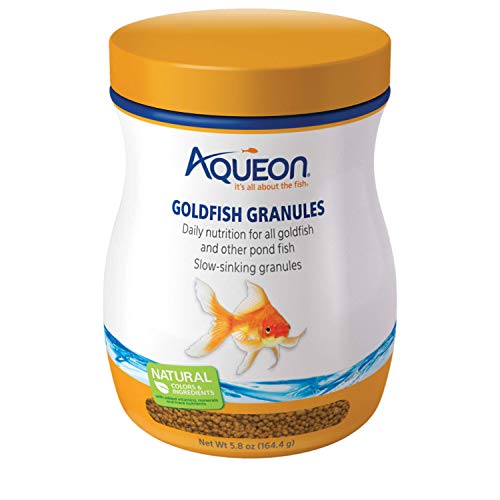
Aqueon Goldfish Granules, Goldfish Food, 5.8 Ounces
- ✓ Promotes faster growth
- ✓ Water stays clear
- ✓ Natural ingredients
- ✕ Granules may be small for larger fish
- ✕ Slightly more expensive than basic foods
| Ingredient Composition | Natural ingredients with added vitamins, minerals, and trace nutrients |
| Granule Size | Approximately 1.5mm |
| Target Fish Species | Common goldfish, fancy Orandas, small Koi, and other small ornamental fish |
| Water Clouding | Does not cloud water when fed as directed |
| Feeding Efficiency | Formulated for higher nutrient utilization and reduced waste |
| Net Weight | 5.8 ounces |
Many people assume that all fish foods are pretty much the same when it comes to helping goldfish grow faster. I used to think so too, until I noticed how much better my fish looked after switching to the Aqueon Goldfish Granules.
Those tiny 1.5mm granules might seem small, but they pack a punch in nutrition.
The first thing I noticed was how my fish eagerly gobbled up these granules. They seem naturally attracted to the ingredients, which is a relief because they tend to be picky eaters.
The formulation includes essential vitamins, minerals, and trace nutrients—everything your goldfish needs to thrive.
What really impressed me was how clean the water stayed. I’ve used other fish foods that cloud water quickly, but this one doesn’t seem to create waste or cloud the tank when fed as directed.
Plus, the color of the fish’s fins and scales became more vibrant over time, which I attribute to the natural colors in the food.
Another benefit is how well fish utilize what they eat. I’ve noticed faster growth in my fancy Orandas and small koi, without overfeeding or waste buildup.
It’s formulated to be digestible, so you get less mess and more results. Overall, it’s a simple switch that made a noticeable difference.
If you’re aiming for healthier, faster-growing fish, this food could be a game-changer. It’s affordable, effective, and keeps the water cleaner, which is a win-win.
Just remember to feed as directed for the best results.
What Types of Food Are Best for Promoting Faster Fish Growth?
Frozen foods are an excellent alternative to live feeds, offering similar nutritional benefits without the need for live storage. They are typically harvested at peak nutritional value, making them a great choice for promoting growth, and they can easily be thawed and fed to fish without any preparation hassle.
How Do Nutrients in Fish Food Impact Growth Rates?
- Protein: High-quality protein is essential for muscle development and growth in fish. It provides the amino acids necessary for tissue repair and growth, which is crucial during the early stages of a fish’s life and can directly affect their growth rate.
- Fatty Acids: Omega-3 and Omega-6 fatty acids are vital for maintaining energy levels and supporting metabolic functions. These fats also contribute to the development of healthy fins and scales, and they can enhance overall vitality, leading to improved growth rates.
- Vitamins: Vitamins such as A, D, E, and C play key roles in various biological functions, including immune response and bone health. A diet rich in these vitamins can help fish grow faster by ensuring they have the necessary nutrients to combat diseases and maintain optimal health.
- Minerals: Minerals like calcium, phosphorus, and magnesium are crucial for skeletal development and overall physiological functions. Adequate mineral intake supports strong bones and helps in enzymatic processes that are important for growth.
- Fiber: While not a direct source of energy, fiber aids in digestion and nutrient absorption. A diet with appropriate fiber content can enhance the efficiency of nutrient utilization, which in turn supports better growth rates in fish.
- Carbohydrates: Although fish primarily require proteins and fats, carbohydrates can provide a source of energy. Incorporating easily digestible carbohydrates into fish food can help optimize energy levels, thus aiding in faster growth.
What Feeding Frequency Is Optimal for Faster Growth in Fish?
The optimal feeding frequency for faster growth in fish can significantly impact their health and growth rates.
- Twice a Day: Feeding fish twice a day is often recommended as it allows for efficient nutrient absorption while preventing overfeeding. This frequency helps maintain a consistent energy supply, supporting faster metabolism and growth.
- Three Times a Day: Increasing the feeding frequency to three times a day can enhance growth rates, particularly for young, fast-growing species. This method ensures that fish receive adequate nutrition throughout the day, which can lead to improved weight gain and overall health.
- Smaller Portions: Offering smaller portions more frequently rather than larger meals can also contribute to faster growth. This strategy helps prevent digestive issues and minimizes waste, allowing fish to utilize nutrients more effectively.
- Quality of Food: The type of food provided is crucial; high-quality, nutrient-dense pellets or flakes designed for growth can significantly impact the effectiveness of the feeding frequency. Foods rich in protein, vitamins, and minerals will support faster growth when fed at the optimal frequency.
- Species-Specific Needs: Different fish species have varying dietary requirements and feeding behaviors, which should be considered when determining feeding frequency. Researching the specific needs of the fish being raised can help tailor the feeding schedule for optimal growth.
Why Is High Protein Important for Fast-Growing Fish?
High protein content is crucial for promoting rapid growth in fish. Protein serves as the building block for muscle development, enabling fish to grow larger and stronger more quickly. When selecting fish food, high-quality protein sources can significantly influence growth rates.
Key reasons why high protein is essential include:
-
Muscle Development: Fish require protein for the formation and repair of muscle tissues. A diet with adequate protein leads to increased body mass and strength.
-
Energy Production: Protein not only contributes to growth but also provides energy, particularly for active fish species that require more energy for swimming and foraging.
-
Enhanced Immune System: A high protein diet bolsters overall health, helping fish fend off diseases and stressors that can impede growth.
-
Efficient Feed Conversion: Fish with diets high in protein convert feed to body mass more efficiently, leading to quicker growth and better feed utilization, which is essential in aquaculture.
Selecting fish food that incorporates high-quality proteins, such as fish meal, shrimp meal, or plant-based proteins, will support optimal growth rates while maintaining health and vitality.
What Are the Differences Between Live and Processed Fish Foods for Growth?
| Aspect | Live Fish Foods | Processed Fish Foods |
|---|---|---|
| Nutritional Value | High in protein and essential fatty acids, promoting faster growth. | Varies; can be fortified but may lose some nutrients during processing. |
| Growth Rate | Typically results in quicker growth due to palatability and freshness. | May support growth but often slower compared to live options. |
| Convenience | Requires maintenance and availability; harder to store. | Easy to store and use; ready-to-feed options available. |
| Cost | Generally more expensive due to harvesting and storage requirements. | Usually cheaper, with bulk options available for cost savings. |
| Types of Fish Suitable | Ideal for carnivorous and young fish species. | Suitable for omnivorous and adult fish species. |
| Shelf Life | Short shelf life, requires immediate use or special storage. | Longer shelf life, often months to years. |
| Health Risks | Risk of parasites and diseases if not sourced properly. | Generally safer, but check for additives. |
| Environmental Impact | Can contribute to overfishing and habitat destruction. | Production may impact ecosystems but often more sustainable. |
How Do Water Quality and Conditions Affect Fish Growth and Food Intake?
Water quality and conditions are crucial factors influencing fish growth and their food intake.
- Temperature: Fish are ectothermic animals, meaning their body temperature is regulated by the surrounding water temperature. Optimal temperature ranges for specific fish species enhance metabolic rates, leading to faster growth and increased food consumption.
- Dissolved Oxygen Levels: Adequate levels of dissolved oxygen are vital for the respiration of fish. Insufficient oxygen can lead to stress, reduced activity, and decreased food intake, ultimately hindering growth.
- pH Levels: The pH of water affects fish health and their ability to absorb nutrients. A stable pH that is appropriate for the species promotes better growth rates as fish can effectively utilize their food.
- Water Hardness: Water hardness refers to the concentration of calcium and magnesium ions in the water. Proper hardness levels can help maintain osmoregulation in fish, positively affecting their growth and food intake efficiency.
- Ammonia and Nitrite Levels: High levels of ammonia and nitrite can be toxic to fish, leading to stress and poor health. Maintaining low concentrations of these substances ensures that fish can feed and grow without the burden of toxic effects.
- Light Conditions: Light plays a role in fish behavior and feeding patterns. Proper light levels can stimulate activity and encourage feeding, which is essential for growth.
- Diet and Nutritional Quality: The type of food provided greatly affects fish growth rates. High-quality, nutrient-rich food tailored to the specific needs of the fish species can lead to optimal growth and feed conversion efficiency.