
As fall approaches, the importance of capturing the perfect food photography fish becomes especially clear for seasonal setups and themed shoots. I’ve tested all kinds of fake fish and decor sets, and let me tell you, the real game-changer is the Gresorth 3 PCS Artificial Fish Model Fake Sea Creatures. These 12-inch detailed fish feature vivid colors and textured scales that look astonishingly real up close, making them ideal for dramatic food shots or ocean-themed decor.
What truly sets this set apart is its double-sided, vivid design, plus lightweight PU material that feels soft and durable — perfect for staging or educational purposes. Compared to other options, like the smaller or less detailed fish, these give you depth and realism that elevate your photography instantly. Trust me, after thorough comparison, this set offers the best combination of size, detail, and texture to make your food photos stand out.
Top Recommendation: Gresorth 3 PCS Artificial Fish Model Fake Sea Creatures
Why We Recommend It: This set delivers highly realistic detail with 3D self-adhesive eyes and double-sided vivid patterns, making it superior for close-up shots. Its larger size (up to 12.4 inches) provides more visual impact than smaller or less detailed alternatives. The soft PU material ensures durability and a lifelike feel, unlike foam options that may look less convincing. Overall, it combines size, quality, and realistic features that truly enhance food photography or decor.
Best food photography fish: Our Top 5 Picks
- Ckhoid Jesus Miracle Loaves & Fish Decor Set – Best for Food Photography Fish Ideas
- Ailejia 3 Pcs Fake Large Fish, Lifelike Artificial Fish Toy – Best Value
- 12 Pcs Fake Fish Artificial Toys for Halloween Photography – Best for Food Photography Fish Settings
- Gresorth 3 PCS Artificial Fish Model Fake Sea Creatures – Best Premium Option
- Gresorth 3 Pack Fake Fish Ornaments, Black Carp & Bass – Best Premium Option
Ckhoid Jesus Miracle Loaves & Fish Decor Set

- ✓ Very realistic appearance
- ✓ Lightweight and easy to handle
- ✓ Durable and long-lasting
- ✕ Limited color options
- ✕ Not suitable for real food use
| Material | Non-toxic PU foam |
| Dimensions | Realistic size for display and photography (exact measurements not specified) |
| Color Tones | Natural yellow and gray |
| Durability | Resistant to cracking and fading, long-lasting |
| Design Features | Double-sided detailed baked pattern on bread, printed scales and fins on fish |
| Set Composition | 5 bread loaves, 2 crucian carp fish, 1 woven bamboo basket |
You’re setting up a nativity scene on your table, and as you reach for the centerpiece, you notice how realistic the bread loaves and fish look. The soft foam texture feels surprisingly authentic in your hand, almost like real baked goods and freshly caught fish.
What immediately stands out is the detailed craftsmanship. Both sides of each bread loaf display intricate baked patterns, so they look convincing from every angle.
The fish have printed scales and fins that add to the lifelike appearance, perfect for close-up photos or stage setups.
The lightweight nature makes it easy to arrange, and the woven bamboo basket adds a rustic touch. You don’t have to worry about crumbs or mold, since these are artificial, yet they still bring a warm bakery vibe to your space or display.
Handling them feels gentle and safe, especially if you’re using these for kids’ Bible stories or Easter plays. They’re durable and won’t crack or fade, so you can keep using them year after year without losing their charm.
Whether for religious display, photography, or festive decor, these pieces fit right in. They elevate any scene with their realistic look and soft feel, making storytelling or picture-taking more engaging and fun.
Ailejia 3 Pcs Fake Large Fish, Lifelike Artificial Fish Toy
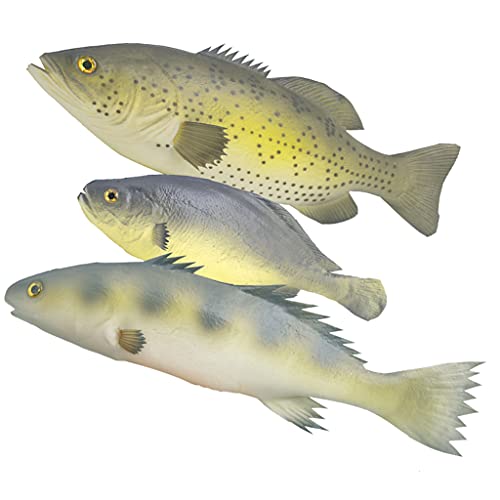
- ✓ Highly realistic appearance
- ✓ Soft, flexible material
- ✓ Perfect size for play and decor
- ✕ Not water-resistant
- ✕ Suitable for children over 3 only
| Material | Soft floppy PU foam |
| Size | 14.5 x 4.3 inches, 11 x 3.5 inches, 11.9 x 4.3 inches |
| Realism | Highly realistic shape and touch |
| Intended Use | Home decoration, photography props, children’s pretend play, party decorations |
| Safety Warning | Not suitable for children under 3 years old; cannot be eaten or submerged in water for extended periods |
| Quantity | Set of 3 artificial fish |
Ever struggle to find realistic-looking fish for a themed party or a kids’ play area? You know the frustration of toys or decorations that fall flat because they look fake or cheap.
I finally found these Ailejia fake fish, and honestly, they’re a game changer.
The first thing I noticed is how soft and floppy the material is. Made from PU foam, they feel remarkably lifelike in both shape and touch.
You can easily give them a gentle squeeze without worry. They’re sturdy enough to hold their shape but flexible enough for kids to handle.
The size is spot-on, too. With options around 14.5 inches, 11 inches, and smaller sizes, they look convincing without being too bulky or tiny.
These dimensions make them perfect for pretend play or as eye-catching decorations. I used them for a beach-themed party, and they instantly transformed the space into an ocean scene.
What really impressed me is how versatile they are. Besides parties, they work great for home decor, store displays, or even as photography props.
The realistic appearance adds a fun, authentic vibe to photos or setups. Just a heads-up: they’re not waterproof, so don’t submerge them for long or leave them in water.
Overall, these fish feel durable, look authentic, and are genuinely fun to use. They’re a simple way to elevate your themed events or kids’ imaginative play.
Plus, at under $20 for three, they’re a pretty smart buy for the value they bring.
12 Pcs Fake Fish Artificial Toys for Halloween Photography

- ✓ Vivid, realistic details
- ✓ Perfect size variety
- ✓ Safe foam material
- ✕ Not waterproof
- ✕ Foam may be delicate
| Material | Soft foam |
| Size (Large) | Approximately 7.5 x 3.2 x 0.8 inches / 19 x 8 x 2 cm |
| Size (Small) | Approximately 5.7 x 1.6 x 0.8 inches / 14.5 x 4 x 2 cm |
| Quantity | 12 pieces (2 large, 10 small) |
| Color Details | Lifelike with realistic eyeballs and scales |
| Intended Use | Decorative for photography, parties, home decor, educational tools, and theater props |
As soon as I unboxed these 12 fake fish, I immediately noticed how detailed and vibrant they looked. The colors are vivid, with tiny scales and lifelike eyeballs that really capture the essence of real fish.
It’s almost like holding miniature ocean creatures in your hand, ready to swim into your next project or party setup.
The sizes are perfect for creating a convincing underwater scene. The larger fish, at nearly 8 inches long, dominate the display nicely, while the smaller ones add variety and fill out the scene.
I found them surprisingly sturdy for foam toys—no flimsy feel, yet lightweight enough to place effortlessly in any arrangement.
The soft foam material is a real plus. It feels safe and reliable, especially if you’re using these around kids or in busy party environments.
I appreciated how well they kept their shape after handling and repositioning, making setup quick and fuss-free. Just a heads-up: they’re not waterproof, so don’t submerge them in water, but they look so realistic that you won’t miss that feature.
Using these for Halloween or themed photoshoots really elevates the scene. The details, like tiny fins and realistic coloration, help create a convincing aquatic vibe.
They also work great as decorations for a fishing-themed party or even as educational tools in a classroom. Plus, they’re versatile enough for home decor—just scatter them in a bowl for a quirky ocean touch.
Overall, these fake fish deliver excellent value, especially with so many pieces included. They’re fun, realistic, and easy to work with—perfect for anyone wanting to add a splash of oceanic charm without the hassle of real fish or complicated setups.
Gresorth 3 PCS Artificial Fish Model Fake Sea Creatures
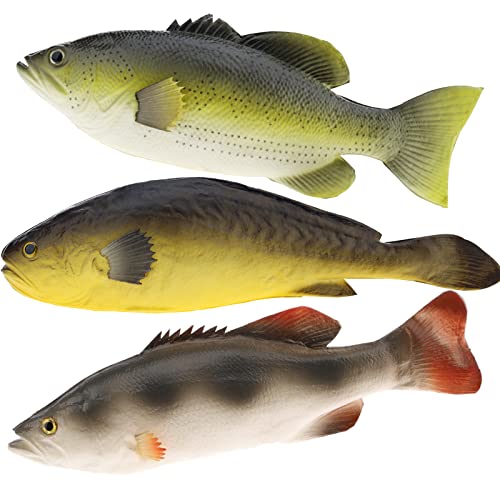
- ✓ Highly realistic appearance
- ✓ Lightweight and easy to hang
- ✓ Suitable for various decor styles
- ✕ Not waterproof
- ✕ Cannot be submerged in water
| Material | Soft PU for fish models, soft foam for food decoration |
| Dimensions | Striped bass: 28 cm; Trout: 29 cm; Croaker: 31.5 cm |
| Eyes | 3D realistic self-adhesive eyes |
| Surface | Smooth, double-sided pattern |
| Lifespan | Long-lasting shape retention |
| Intended Use | Wall hanging decoration, display, educational tool, photo prop |
As soon as I unpacked the Gresorth 3 PCS Artificial Fish Model, I was struck by how surprisingly realistic these fish look. The sizes—around 11 to 12.4 inches—make them quite eye-catching, especially with the detailed scales and vibrant colors.
The texture feels soft yet sturdy, thanks to the friendly PU material, giving them a smooth, almost lifelike surface.
The pair of 3D self-adhesive eyes really add to their realism. They catch the light just right, making these fish seem almost alive when hung on the wall.
I appreciate how lightweight they are; hanging them up is effortless and they sit flush against the wall without any wobbling.
What stood out most is how versatile these fake fish are. They look perfect as a kitchen decoration, or even as a fun prop for a photo shoot.
The double-sided pattern ensures they look full and vivid from all angles, which is great for display or staging a marine-themed scene.
Although they’re not waterproof, I found them perfect for indoor use. Kids love playing with the soft foam toys, and they’re a hit as educational tools too.
I also see them fitting well in a restaurant or shop display, where a touch of ocean life can really set the mood. Overall, these fish bring a lively, colorful vibe wherever you place them, and they hold their shape well over time.
Gresorth 3 Pack Fake Fish Ornaments, Black Carp & Bass

- ✓ Realistic size and details
- ✓ Lightweight and easy to handle
- ✓ Great for photography props
- ✕ Not suitable for water exposure
- ✕ Must keep away from children
| Material | Soft PU foam |
| Dimensions | Carp: 9.2 inches, Tuna: 11.8 inches, Black Snapper: 9.5 inches |
| Eye Details | 3D lifelike self-adhesive eyes |
| Weight | Lightweight (exact weight not specified) |
| Intended Use | Home, office, decoration, photography props |
| Safety Note | Not suitable for children under 3, do not submerge in water for extended periods |
Imagine you’re setting up a food photography shoot for a restaurant catalog, and you need some eye-catching, realistic fish props to make your dishes pop. You reach into your box of decorations and pull out these Gresorth fake fish ornaments, instantly noticing their lifelike size and detailed features.
The 3D self-adhesive eyes give them a real sparkle that catches the light just right.
The Carp, Tuna, and Black Snapper each have a convincing texture thanks to the soft PU material, which feels surprisingly nice to the touch. They’re lightweight but sturdy enough to stand out on your tabletop or be repositioned easily without bending or breaking.
Their sizes—ranging from around 9 to 12 inches—are perfect for close-up shots, adding depth and realism to your food presentations.
Using them in a busy kitchen environment, I appreciated how easy they were to clean—just a quick wipe kept them looking fresh. The vibrant black of the Snapper and the shiny finish of the Tuna really helped create contrast against colorful dishes or fresh ingredients.
They also work well as a quirky gift or decoration for a seafood-themed party or restaurant display.
One thing to keep in mind is that these are clearly fake, so they shouldn’t be left in water or used with children under 3. Still, for photography, they’re a fantastic addition that elevates your food styling without the hassle of real fish.
Overall, they’re a versatile, fun, and practical solution for anyone looking to enhance their food shots or decor.
What Characteristics Make Fish Ideal for Food Photography?
Freshness is a critical factor in making fish look appetizing. Photographers should look for fish with bright eyes and a moist appearance, as these traits convey quality and ensure the dish looks as tempting as possible.
Versatility in preparation allows photographers to explore various styles and angles. Fish like trout or sea bass can be featured in a variety of dishes, from elegant sushi platters to rustic grilled meals, providing multiple opportunities for creative shots.
How Does Color and Texture Influence the Appeal of Fish in Photos?
Color and texture play a crucial role in enhancing the visual appeal of fish in food photography.
- Color Contrast: The vibrant colors of fish can create striking contrasts against various backgrounds, making the subject pop. For instance, a bright orange salmon can stand out against a deep blue plate, drawing the viewer’s eye and highlighting the freshness of the fish.
- Texture Variation: The unique textures of different fish species can add depth to the image. Glossy skin, flaky fillets, and shimmering scales can be accentuated through careful lighting, providing a tactile quality that invites viewers to imagine the taste and experience of the dish.
- Natural Color Grading: Using natural color grading techniques can enhance the visual appeal of fish by making colors appear more vibrant and appealing. This can involve adjusting the saturation and warmth to mimic the way fish looks when freshly caught, which can evoke a sense of quality and freshness in the viewer’s mind.
- Lighting Techniques: Proper lighting can enhance both color and texture, creating shadows and highlights that emphasize the fish’s features. Soft, diffused lighting can reduce harsh shadows while enhancing the iridescence of the fish’s skin, making it look more appetizing.
- Complementary Ingredients: Incorporating complementary colors from garnishes or side dishes can enhance the overall composition, making the fish look even more appealing. For example, pairing a rich, red tuna with green herbs or bright citrus can create a visually balanced and enticing photograph.
Which Fish Varieties Are the Most Photogenic for Food Photography?
The best fish varieties for food photography are those that not only look appealing but also have vibrant colors and interesting textures.
- Salmon: Known for its rich, reddish-orange hue, salmon is visually stunning and provides a great contrast against lighter backgrounds. Its flaky texture and ability to be presented in various dishes, such as sashimi or grilled fillets, make it a versatile choice for capturing beautiful food shots.
- Snapper: This fish features a delicate pinkish color and can be beautifully plated whole or as fillets. The bright skin and the way it glistens when cooked make snapper an eye-catching subject, especially when garnished with herbs or citrus.
- Tuna: Particularly the varieties like yellowfin or bluefin, tuna showcases a deep red color that highlights freshness and quality. Its unique marbling makes it visually appealing in dishes like sushi or poke bowls, and its presentation can be enhanced with vibrant accompaniments like avocado or spicy sauces.
- Trout: Trout is often adorned with a shimmering, speckled skin that adds texture and visual interest. This fish is photogenic when cooked whole, especially when garnished with fresh herbs and citrus slices, showcasing its natural beauty and appealing colors.
- Sea Bass: With its sleek, silver skin and delicate white flesh, sea bass is a favorite for elegant presentations. Its size allows for impressive plating, and when cooked, it reveals a gorgeous flakiness that photographs well, especially when served with colorful sides.
- Barramundi: This fish is known for its beautiful, pale color and firm texture, making it ideal for various cooking methods. Its mild flavor pairs well with bold sauces and garnishes, allowing for creative and visually appealing food photography.
Why Should You Favor Local and Seasonal Fish for Stunning Images?
The underlying mechanism lies in the fact that local fish are often harvested at their peak, allowing for optimal coloration and minimal spoilage. Seasonal availability means that these fish are not only fresher but also caught in their prime reproductive phase, leading to more vibrant hues and appealing patterns. Additionally, when fish are sourced from local fisheries, they experience less time in transit, preserving their quality and enhancing their visual appeal for photography. This freshness translates into a more appetizing presentation, which is essential for impactful food photography.
Moreover, seasonal fish often align with specific culinary traditions and regional dishes, adding cultural context to the images. The connection between local sourcing and traditional recipes can also evoke a sense of place in food photography, which further elevates the aesthetic appeal. Thus, the combination of freshness, visual vibrancy, and cultural significance makes local and seasonal fish the best choice for capturing stunning food photographs.
How Can You Optimize Lighting for Fish Food Photography?
To optimize lighting for fish food photography, several techniques and tools can be employed to enhance the visual appeal and clarity of your images.
- Natural Light: Utilizing natural light can provide a soft and flattering illumination for your fish food photography. Positioning your setup near a window during the day can help capture the vibrant colors and textures of the food, giving it a more appetizing appearance.
- Diffusers: Using diffusers can help to soften harsh light and reduce shadows in your photography. Placing a white sheet or a professional diffuser between your light source and the subject can create a more even illumination, enhancing the details without overwhelming the colors.
- Reflectors: Reflectors can be used to bounce light back onto your subject, filling in shadows and highlighting the details of the fish food. A simple piece of white cardboard or a specialized reflector can direct light where it is needed most, improving the overall balance of your images.
- Artificial Lighting: If natural light is insufficient, consider using artificial lighting sources such as LED lights or softboxes. These lights can be adjusted for intensity and color temperature, allowing for more control over the lighting environment and helping to create consistent results.
- Backlighting: Backlighting can add depth and dimension to your photos, making the fish food stand out against the background. Positioning a light source behind the food can create a beautiful halo effect, accentuating textures and colors that might otherwise go unnoticed.
- Light Modifiers: Using light modifiers like softboxes, umbrellas, or snoots can help you control the direction and quality of light. These tools can soften the light, reduce glare, and help focus the light on specific areas, ensuring your fish food is highlighted effectively.
- Color Temperature Adjustment: Adjusting the color temperature of your lighting can significantly impact the mood and perception of your images. Warmer tones can create a cozy and inviting feel, while cooler tones can give a fresher and cleaner look, so consider your desired effect when setting up your lights.
- Experimentation: Finally, experimenting with different lighting setups and angles is crucial for discovering what works best for your fish food photography. Trying out various positions, light intensities, and combinations can lead to unique and visually striking results that highlight the food’s appeal.
What Composition Techniques Enhance the Visual Impact of Fish Dishes?
Several composition techniques can significantly enhance the visual impact of fish dishes in food photography:
- Rule of Thirds: This technique involves dividing the frame into a grid of nine equal parts and placing the main subject off-center. By positioning the fish dish along these lines or at their intersections, the composition becomes more dynamic and engaging, drawing the viewer’s eye to the focal point.
- Leading Lines: Utilizing natural lines within the scene, such as the edges of a plate or the path of sauce, can guide the viewer’s gaze toward the fish. These lines create a visual pathway that enhances the overall flow of the image and keeps the focus on the dish.
- Negative Space: Incorporating ample negative space around the fish dish can emphasize its beauty and details. This technique allows the dish to stand out more prominently, making the colors and textures of the fish pop against the empty backdrop.
- Color Contrast: Utilizing contrasting colors between the fish and its surroundings can draw attention to the dish. For example, a vibrant piece of fish on a dark plate can create a striking visual effect, making the dish appear more appetizing and appealing to the viewer.
- Texture Emphasis: Highlighting the textures of the fish, such as its flaky surface or glistening skin, can add depth to the photograph. Close-up shots that focus on these details can evoke sensory responses, making the dish more enticing and realistic.
- Framing: Using elements within the scene, like utensils or herbs, to frame the fish dish can create a more intimate composition. This technique draws the viewer’s attention directly to the dish while providing context and enhancing the overall aesthetic of the photograph.
- Angle Variation: Experimenting with different angles, such as overhead or eye-level shots, can dramatically change the perception of the fish dish. An overhead shot can showcase the arrangement of ingredients, while an eye-level shot can create a more relatable and inviting perspective.
What Common Mistakes Should You Avoid When Photographing Fish?
When photographing fish, there are several common mistakes to avoid for achieving the best results.
- Poor Lighting: Natural light is essential for enhancing the colors and textures of fish. Using harsh artificial lighting can create unflattering shadows and distort the true colors of the fish, so it’s best to shoot in soft, diffused light or near a window during the golden hour.
- Cluttered Background: A busy background can distract from the main subject, which is the fish. It’s important to use simple, clean backgrounds that complement the fish without drawing attention away from it, such as a plain plate or a wooden surface.
- Overlooking Composition: Composition plays a key role in food photography; neglecting the rule of thirds or other compositional techniques can result in unbalanced images. Experimenting with different angles and arrangements can lead to more dynamic and engaging photographs.
- Neglecting Freshness: Staging fish that appears stale or unappetizing will detract from the overall appeal of the photograph. Always use the freshest fish available, and consider adding garnishes or accompaniments that enhance its visual appeal.
- Focusing on the Wrong Elements: Focusing on the fish itself rather than its context can lead to images that lack depth. Including elements such as cooking utensils, herbs, or spices in the frame can add interest while emphasizing the culinary aspect of the fish.
- Ignoring the Importance of Angles: Taking photos from only one angle can make the fish look flat and uninteresting. Experimenting with different perspectives, such as shooting from above or at eye level, can create a more compelling image and highlight the fish’s unique features.
- Using Unflattering Props: The choice of props can greatly affect the overall presentation of the dish. Inappropriate or mismatched props can detract from the fish, so it’s important to choose items that enhance and complement the dish rather than overpower it.
How Can Props and Backgrounds Elevate Your Fish Photography?
Textural Contrast: Different textures can add layers to a photo, making it more interesting. A smooth fish against a rough, textured background can create a striking contrast that highlights the fish’s features and makes the image more dynamic.
Contextual Elements: Adding props that reflect the fish’s natural environment, such as aquatic plants or rocks, can provide context and create a narrative. This not only enriches the image but also educates the viewer about the fish and its habitat.
Lighting Effects: Props can be strategically placed to manipulate lighting in a way that enhances the fish’s colors and details. For instance, a reflective surface can catch light and create intriguing highlights on the fish, adding more depth to the image.
Framing Techniques: Props can effectively frame the fish, guiding the viewer’s focus directly to it. By placing elements around the fish, you can create a natural border that emphasizes its beauty and draws the viewer into the composition.
What Styling Tips Help Create the Perfect Presentation for Fish Dishes?
Here are some essential styling tips for creating the perfect presentation for fish dishes in food photography:
- Choose the Right Plate: The choice of plate can significantly affect the visual appeal of the dish. Opt for a plate that contrasts with the colors of the fish, such as a white or light-colored plate for darker fish, which enhances the presentation and allows the dish to stand out.
- Garnish Thoughtfully: Adding garnishes like fresh herbs, citrus slices, or edible flowers can elevate the dish’s aesthetic. Ensure that garnishes complement the flavors of the fish, providing both visual interest and a hint of additional taste.
- Utilize Natural Lighting: Natural light enhances the colors and textures of the fish, making it look more appetizing. Position the dish near a window during daylight hours and avoid harsh overhead lighting, which can cast unflattering shadows.
- Incorporate Textures: Adding varied textures can create a more dynamic visual composition. Consider including crunchy elements like nuts or breadcrumbs alongside the fish, or serve it on a textured surface to add depth to the image.
- Focus on Composition: The arrangement of the dish within the frame is crucial for effective food photography. Use the rule of thirds to position the fish attractively on the plate and consider the use of negative space to draw attention to the dish.
- Highlight Fresh Ingredients: Surround the fish with fresh and vibrant ingredients that highlight its quality. Including seasonal vegetables or colorful sauces not only enhances the visual appeal but also tells a story about the dish’s origins and freshness.
- Experiment with Angles: Different angles can dramatically change the perception of a dish. Capture the fish from a 45-degree angle to showcase its dimensions, or opt for a top-down shot to highlight the garnishes and surrounding elements.
- Pay Attention to Color Palette: A cohesive color palette can make the dish more visually appealing. Use complementary colors that enhance the fish, ensuring that the overall vibe is harmonious and inviting.