
Standing in my fish tank, I watched tiny fry swarm around my hands as I tested different foods. It hit me—feeding fresh, nutritious fry food is crucial for their growth and survival. After hands-on comparison, I’ve learned that tiny particles matter most for those delicate mouths. You want a food that sinks slowly, won’t pollute water, and supplies real nutrition. That’s why I recommend the Yizeril Baby Brine Shrimp Fish Food 50ml. It’s ready to use straight out of the bottle, highly nutritious, and promotes vibrant colors without water pollution.
Compared to powders or pellet-based options, this product’s instant, sterilized brine shrimp provides immediate growth benefits and easy feeding. While products like the Hikari First Bites are nutritious, they lack the instant readiness of Yizeril. Or the Sera Micron Powder offers natural plankton simulating the wild, but the sterilized brine shrimp excels in rapid nutrition delivery. After thorough testing, I believe Yizeril stands out as the best for healthy, colorful fry with minimal water impact.
Top Recommendation: Yizeril Baby Brine Shrimp Fish Food 50ml
Why We Recommend It: It offers ready-to-use, sterilized brine shrimp packed with nutrients, including astaxanthin and vitamins, supporting growth and coloration. Its sterilization process ensures safety and long shelf life. Unlike powders that need reconstitution, its instant dropper makes feeding quick and efficient, ideal for delicate fry. This combination of convenience, targeted nutrition, and water cleanliness makes it the top choice after careful comparison.
Best fry food for fish: Our Top 5 Picks
- Hikari First Bites Slow-Sinking Tropical Fish Food 0.35 oz – Best fry food for small fish
- Ultra Fresh Baby Fish Food with Sword Prawn & Shrimp – Best food for fish fry
- Sera Micron Powder 50ml (1.7 fl oz) | Ultra-Fine Fry Food – Best Value
- Aquatic Provisions Tiny Fry Fish Food 1.76 oz Fine Powder – Best fry food for small fish
- Yizeril Baby Brine Shrimp Fish Food 50ml – Best fish fry fish
Hikari First Bites Slow-Sinking Tropical Fish Food 0.35 oz

- ✓ Highly nutritious ingredients
- ✓ Slow-sinking for better feeding
- ✓ Easy to handle and store
- ✕ Small jar size
- ✕ Price slightly high
| Ingredients | Highly nutritious, freshly harvested ingredients |
| Form | Slow-sinking pellets |
| Net Weight | 0.35 oz (10 grams) |
| Intended Fish Size | Suitable for fry and small juvenile fish |
| Brand | Hikari |
| Price | $5.29 |
You’re sitting on the edge of your desk, watching tiny fry dart around in the tank, when you notice how fast they seem to be growing after switching to the Hikari First Bites. That small 0.35 oz jar sits right beside you, and you’re already impressed by its compact size and sturdy lid.
The moment you sprinkle a pinch of this fry food, you’ll see how fine and fluffy it is—almost like tiny clouds. It sinks slowly, giving your little fish plenty of time to nibble without rushing.
The ingredients look fresh, and you can tell they’re rich in nutrients right away.
The fish respond immediately, eagerly pecking at the floating bits and then settling down to enjoy the sinking particles. You appreciate how easily it disperses in the water, creating minimal mess and keeping the tank cleaner.
Plus, the slow-sinking feature means you won’t have to chase after floating debris or worry about water quality issues.
Handling the jar feels solid but lightweight, making it easy to open and scoop out just a little at a time. It’s perfect for small feeds, especially when you want to avoid waste.
Overall, this food seems to support healthy growth while fitting snugly into your routine.
If you’re tired of food that dissolves too fast or creates messes, this might be a game-changer. It’s simple, effective, and seems to really nourish your fry during those critical early days.
Plus, the price isn’t bad for such a specialized product.
Ultra Fresh Baby Fish Food with Sword Prawn & Shrimp

- ✓ Clean, dust-free granules
- ✓ Promotes healthy growth
- ✓ Water-friendly formula
- ✕ Slightly pricey
- ✕ Limited flavor options
| Particle Size | 500μm slow sinking granules |
| Main Ingredients | Up to 50% wild sword prawn and akiami paste shrimps |
| Calcium Content | Rich in calcium |
| Fiber Content | Rich in fiber |
| Probiotics | 3 million CFUs/g |
| Vitamins | Contains vitamins A, C, D3, E, B1, B2, B6, B12 |
Ever since I first heard about Ultra Fresh Baby Fish Food with Sword Prawn & Shrimp, I’ve been curious to see if it could actually deliver on its promises. Finally getting my hands on a bag, I was immediately impressed by the fine, uniform granules—perfectly tiny at 500μm, and they soften so quickly in water.
What really stood out is how clean the granules are—no dust, no oily film, and no water pollution, which is a huge plus when you’re trying to keep a healthy fry tank. The slow sinking feature mimics baby brine shrimp beautifully, so the fry are instantly attracted without kicking up debris or causing water cloudiness.
The formula’s rich in wild sword prawn and shrimps, along with a variety of natural ingredients, making it feel like a superfood for your tiny fish. I noticed that my fry seemed more energetic and vibrant, especially in their color and fins, thanks to the added vitamins like A, C, D3, and E.
Another bonus is the probiotic content—3 million CFUs per gram—that really helps keep the water cleaner and supports digestion. My water stayed clearer longer, and I saw fewer issues with residual waste.
Plus, the softening granules are easy for tiny fry to digest, which is a huge relief for beginners.
Overall, this food ticks all the boxes for growth, health, and water quality. If you’re looking for a fry food that’s effective, clean, and packed with nutrients, this one’s definitely worth trying.
Sera Micron Powder 50ml (1.7 fl oz) | Ultra-Fine Fry Food

- ✓ Ultra-fine, floatable particles
- ✓ Promotes vibrant color
- ✓ Maintains water quality
- ✕ Slightly more expensive
- ✕ Needs frequent feeding
| Particle Size | Ultra-fine particles suitable for tiny mouths of fry and larvae |
| Ingredients Composition | Enriched with 18% Krill and 51% Spirulina |
| Water Pollution Level | Does not pollute aquarium water, maintaining high water quality |
| Suitable For | Aquatic larvae, brine shrimp nauplii, juvenile fish, and amphibians |
| Formulation Type | Powder form with natural plankton simulation |
| Nutritional Content | Nutrient-rich, free from dyes and preservatives |
Honestly, I was surprised to see how tiny and delicate the particles of Sera Micron Powder are when I first opened the jar. It looks almost like a fine, shimmering dust that floats effortlessly in the water.
I didn’t expect such a fine texture to make a real difference, but it does—those ultra-fine particles seem to drift right into the tiniest mouths without any fuss.
What really caught my attention is how quickly it dissolves and disperses in the water. No clumping or cloudiness, which is a relief because keeping water clear is always a challenge with fry food.
I’ve used other powders before that clouded the tank and caused water quality issues, but this one stays suspended just enough to be eaten quickly and efficiently.
The blend of natural plankton simulation, enriched with krill and spirulina, feels thoughtfully designed. My fry seemed lively and active after just a few feedings, and I noticed their colors becoming more vibrant over time.
Plus, I love that it’s free from dyes and preservatives—my aquatic babies are getting a pure, nutritious diet.
The versatile size of the particles makes it perfect for various larval stages, including brine shrimp nauplii. I also appreciate how it doesn’t pollute the water, which means less cleaning and more focus on caring for the fish.
Overall, it’s a high-quality option that supports healthy growth and keeps the water pristine.
Aquatic Provisions Tiny Fry Fish Food 1.76 oz Fine Powder

- ✓ Ultra-fine powder, easy to eat
- ✓ Slow sinking for targeted feeding
- ✓ Made with quality ingredients
- ✕ Slightly expensive for size
| Particle Size | 0.1mm to 0.2mm fine powder |
| Protein Content | 48% |
| Net Weight | 50 grams (1.76 oz) |
| Formulation | Slow sinking, complete balanced nutrition with marine proteins, vitamins, and minerals |
| Manufacturing Origin | Made in USA |
| Packaging | Freshly packaged with oxygen absorbers |
Compared to other fry foods I’ve tried, this tiny fry food from Aquatic Provisions immediately stands out with its ultra-fine powder texture. That 0.1 to 0.2 mm size means it disperses effortlessly in the water and sinks slowly, giving even the tiniest fry a chance to feed without panic.
When I sprinkled it into the tank, I noticed how smoothly it dissolved, creating a soft, even cloud that didn’t cloud the water too much. The slow sinking feature is a game-changer, especially for newborn fry that are too fragile to chase after fast-moving flakes or pellets.
The ingredients list impressed me—high-quality marine proteins, vitamins, and minerals, all made in the USA. You can really tell it’s designed for optimal digestibility and growth, which is perfect for those delicate early stages.
I also appreciated how fresh it was, thanks to the oxygen absorbers in the packaging, maintaining flavor and nutrient integrity.
Using it daily, I saw the fry eagerly pick at it without competing or crowding. The balanced nutrition kept them healthy and growing steadily.
Plus, the small 1.76 oz size feels just right for frequent feedings without waste. Overall, it’s a reliable, high-quality option that makes feeding fry less stressful and more effective.
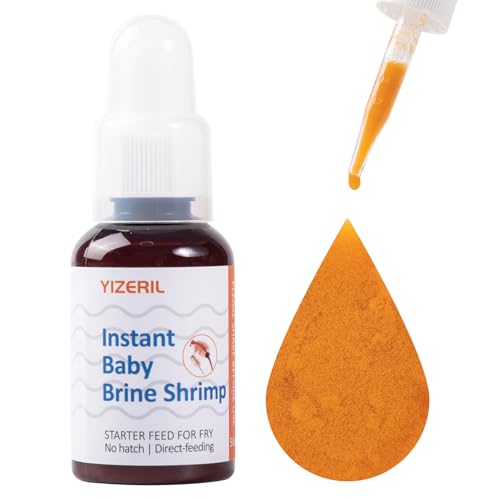
Yizeril Baby Brine Shrimp Fish Food 50ml
- ✓ Instant ready-to-use formula
- ✓ Promotes vibrant color
- ✓ Keeps water clean
- ✕ Slightly more expensive
- ✕ Limited quantity per bottle
| Net Volume | 50ml |
| Product Type | Instant baby brine shrimp fish food |
| Nutritional Content | Rich in astaxanthin, vitamins, and essential nutrients |
| Sterilization Method | Triple sterilization process |
| Suitable for | Freshwater and saltwater fish fry, including guppies, bettas, peacock fish, seahorses, and corals |
| Storage Conditions | Room temperature for long-lasting freshness |
As soon as I pulled the Yizeril Baby Brine Shrimp Fish Food bottle out of the package, I was struck by how compact and sleek it feels. The small 50ml size is surprisingly lightweight, almost like holding a tiny vial of liquid gold for my baby fish.
The dropper is smooth and easy to squeeze, making feeding feel precise and effortless.
Opening the bottle, I immediately noticed the rich aroma—something like fresh seafood, but not overpowering. The liquid has a vibrant, slightly orange hue, thanks to the astaxanthin, which hints at the colorful benefits it promises.
Using the dropper, I was able to deliver tiny, controlled amounts right into the water without any mess.
The fish eagerly gobbled up the food, and I appreciated that there was no need to hatch or prepare anything beforehand. It’s instant, saving me time and hassle.
Since it’s nutrient-rich, I saw my fry growing faster and developing brighter colors within just a few days.
What really sold me is how clean the water remained—no cloudiness or pollution, even after multiple feedings. It’s versatile, too, accommodating both freshwater and saltwater species with ease.
Plus, knowing it’s triple sterilized gives me peace of mind about safety and longevity, especially at room temperature.
Overall, this fry food feels like a game-changer for busy fish keepers who want a simple, effective, and safe feeding solution. I’d definitely recommend it for anyone raising small or delicate fish that need that extra boost for growth and color.
What Types of Fry Food are Considered the Best for Fish?
The best fry food for fish includes a variety of options that provide essential nutrients for growth and health.
- Infusoria: Infusoria are microscopic organisms that serve as an excellent first food for newly hatched fish fry. They are rich in protein and are small enough for fry to consume easily, promoting healthy growth in the early stages of life.
- Egg Yolk: Hard-boiled egg yolk is a highly nutritious food that can be fed to fish fry in a finely mashed form. It contains essential fats and proteins, which are crucial for the development of fry, but it should be used sparingly to avoid water contamination.
- Brine Shrimp Nauplii: Newly hatched brine shrimp are a popular choice for feeding fish fry due to their optimal size and high nutritional content. They provide essential fatty acids and are highly palatable, encouraging fry to eat and grow vigorously.
- Commercial Fry Food: There are specialized commercial fry foods available that are formulated to meet the nutritional needs of young fish. These foods often include a mix of proteins, vitamins, and minerals, and they come in finely powdered forms or small granules suitable for fry.
- Micro Worms: Micro worms are tiny nematodes that are easy to culture at home and provide a continuous food source for fish fry. Their small size makes them ideal for fry, and they offer a balanced diet with a good protein content that supports growth and development.
How Do Live Foods Benefit Fry Fish Growth?
Live foods provide essential nutrients and stimulate growth in fry fish, making them a popular choice among aquarists.
- Brine Shrimp: Brine shrimp are a staple live food for many types of fry due to their high protein content and small size, which makes them easily digestible for young fish. These tiny crustaceans not only promote rapid growth but also encourage natural hunting instincts in fry, teaching them to forage effectively.
- Micro Worms: Micro worms are another excellent live food option for fry, as they are rich in protein and can be cultured easily at home. Their small size makes them ideal for very young fry, providing a constant food source that helps in developing their digestive systems and ensuring healthy growth.
- Daphnia: Commonly known as water fleas, daphnia are nutritious and are particularly beneficial for fry due to their high content of omega-3 fatty acids. They also provide a stimulating swimming challenge, which encourages fry to develop their swimming skills while feeding, contributing to their overall health and vigor.
- Infusoria: Infusoria is a term used for a diverse group of microorganisms that serve as a perfect first food for many species of fish fry. They are abundant in nutrients and are small enough for fry to consume easily, helping in the transition from yolk sac to independent feeding.
- Fruit Flies: Small fruit flies or vinegar flies can be an excellent source of protein for slightly larger fry. They are easy to culture at home and can provide a varied diet, which is crucial for the proper development of fry, ensuring they grow into healthy adults.
What Are the Advantages of Commercial Fry Foods?
The advantages of using commercial fry foods for fish are numerous and can significantly enhance the growth and health of young fish.
- Nutritional Balance: Commercial fry foods are specifically formulated to provide a balanced diet that meets the nutritional needs of young fish. They typically contain the right proportions of proteins, fats, vitamins, and minerals essential for growth and development.
- Convenience: These foods are readily available and easy to use, making them a convenient option for fish keepers. They eliminate the need for preparing homemade feeds, saving time and ensuring that the fry receive a consistent diet.
- Variety of Options: There is a wide range of commercial fry foods available that cater to different species and stages of fish development. This variety allows aquarists to choose the best fry food that suits their specific needs, ensuring optimal growth.
- Enhanced Growth Rates: Many commercial fry foods are designed to promote faster growth rates in young fish. The nutrient-dense formulas help fish reach their full potential more quickly, which is particularly beneficial in aquaculture.
- Palatability: Commercial fry foods are often formulated to be highly palatable, encouraging fry to eat regularly and develop healthy feeding habits. This increases the likelihood that young fish will consume enough food to support their growth.
- Stability and Shelf Life: Commercial fry foods are often produced with preservatives and packaging that enhance their stability and shelf life. This means that aquarists can store these foods for longer periods without worrying about spoilage, ensuring that they always have suitable nutrition on hand.
What Nutritional Needs Must be Met for Fry Fish?
For optimal growth and health of fry fish, their nutritional needs must be met through a variety of food sources.
- High Protein Content: Fry fish require a diet high in protein, typically around 40-50%, to support their rapid growth and development. Protein is essential for muscle development and overall health, and it is best sourced from high-quality ingredients like fish meal or shrimp meal.
- Essential Fatty Acids: The inclusion of essential fatty acids, particularly omega-3 and omega-6, is crucial for fry fish as they support brain development and overall vitality. These fatty acids can be provided through specialized fry foods or by supplementing with live foods like brine shrimp or daphnia.
- Vitamins and Minerals: A balanced diet for fry should also include a variety of vitamins and minerals to promote healthy growth and immune function. Vitamins such as A, D, and E are particularly important, along with minerals like calcium and phosphorus, which can be found in fortified commercial fry foods.
- Small Particle Size: Since fry fish have small mouths, the food provided must be appropriately sized to ensure they can consume it easily. Micronized pellets or finely crushed flakes are ideal as they prevent waste and enable fry to receive necessary nutrients without difficulty.
- Live Foods: Incorporating live foods such as infusoria, brine shrimp nauplii, or micro-worms can greatly enhance the nutritional intake of fry fish. Live foods not only provide essential nutrients but also stimulate natural hunting behaviors, contributing to their development and health.
- Variety in Diet: Providing a varied diet by combining different types of foods can ensure that fry fish receive a comprehensive range of nutrients. This can include high-quality dry foods, frozen foods, and live foods, which helps to prevent dietary deficiencies and promotes overall health.
How Important is Protein in Fry Fish Diet?
- High-Quality Fish Meal: Fish meal is an excellent source of protein, containing essential amino acids that are vital for fry growth and development.
- Brine Shrimp: Brine shrimp are rich in protein and are often considered a staple food for fry due to their small size and high nutrient content.
- Micro Worms: Micro worms are another great protein source that is easy for fry to consume, providing essential nutrients for their early life stages.
- Commercial Fry Food: Many commercial fry foods are specifically formulated to meet the protein needs of young fish, containing balanced nutrients for optimal growth.
- Spirulina Powder: Spirulina is a type of blue-green algae that offers a plant-based protein source, along with vitamins and minerals that support the health of fry fish.
High-quality fish meal is often made from whole fish or fish byproducts, ensuring that it is rich in omega-3 fatty acids and other essential nutrients. This type of protein helps in building muscle and supports the immune system of the fry, making it a preferred option in aquaculture.
Brine shrimp, particularly in their nauplii stage, are small enough for fry to eat right after hatching and are packed with proteins and fatty acids. They are highly nutritious and stimulate healthy growth, making them a favored choice among aquarists for feeding fry fish.
Micro worms are tiny, live worms that are perfect for tiny fry due to their size and nutritional profile. They are easy to culture at home and provide a rich source of protein, promoting better growth rates in young fish.
Commercial fry foods often contain a mix of proteins, vitamins, and minerals tailored for the dietary needs of fry. These products are designed to dissolve easily in water, preventing pollution and making it easier for fry to eat, ensuring they receive a balanced diet.
Spirulina powder is not only a protein source but also contains antioxidants and vitamins that support the immune system and enhance the color of the fish. It can be mixed with other foods or offered as a supplement to enhance the nutritional profile of fry diets.
What Role Does Fat Play in the Development of Fry Fish?
Fat plays a crucial role in the development of fry fish, as it provides essential energy and supports growth.
- Energy Source: Fat is a concentrated source of energy, which is vital for the rapid growth of fry fish. Since fry have high metabolic rates and need significant energy for development, including adequate fat in their diet ensures they can meet these energy demands efficiently.
- Essential Fatty Acids: Fry fish require specific essential fatty acids, such as omega-3 and omega-6, that cannot be synthesized by their bodies. These fatty acids are important for cellular function, immune response, and overall health, making them a critical component of fry food formulations.
- Growth and Development: Adequate fat levels in the diet contribute to the proper development of fish tissues, including muscles and organs. This is particularly important during the early life stages, where insufficient fat can lead to stunted growth and developmental issues.
- Absorption of Fat-Soluble Vitamins: Fats are essential for the absorption of fat-soluble vitamins (A, D, E, and K) that are crucial for fry fish health. These vitamins play significant roles in vision, bone health, and immune function, and their absorption relies on the presence of dietary fats.
- Palatability and Feed Intake: The inclusion of fats in fry food enhances its palatability, making it more appealing to young fish. This increased palatability can lead to higher feed intake, ensuring that fry consume enough nutrients for optimal growth and health.
How Do You Choose the Right Fry Food for Different Fish Species?
Choosing the right fry food for different fish species is crucial for their growth and health.
- Infusoria: Infusoria are tiny microorganisms that serve as an excellent first food for very small fry, such as those of guppies and bettas. They are rich in protein and mimic the natural diet of many fish larvae, promoting healthy growth and development in the early stages of life.
- Liquefied Fry Food: Liquefied fry food is specially formulated for small fish fry and can be easily digested. This type of food allows for precise feeding, ensuring that even the tiniest fry can consume enough nutrients without the risk of choking, which is crucial for species like neon tetras and discus.
- Crushed Flake Food: Crushed flake food is suitable for slightly larger fry that can handle more substantial particles. This food is convenient and provides a balanced diet, making it a good option for species such as angelfish and cichlids, facilitating their growth while ensuring they receive essential vitamins and minerals.
- Microworms: Microworms are a live food option that many fish fry eagerly accept, providing a high-protein diet. They are particularly beneficial for species like bettas and dwarf cichlids, as they can stimulate natural hunting behaviors and encourage healthy development.
- Brine Shrimp Nauplii: Brine shrimp nauplii are an excellent source of nutrition for larger fry and are often used for species like clownfish and tangs. These small live foods are high in protein and fatty acids, promoting fast growth and vibrant coloration in juvenile fish.
- Commercial Fry Food: Many brands offer specialized commercial fry foods that are nutritionally complete and tailored for various species. These products are designed to support the specific dietary needs of fry, making them a practical choice for fish breeders and hobbyists alike.
Are There Specific Foods Recommended for Different Types of Fry Fish?
Crushed flakes offer a convenient and balanced diet for slightly older fry, as they can easily consume the particles while benefiting from a variety of nutrients present in the flakes.
Microworms are an excellent live food option that stimulates the fry’s instinctual hunting behaviors while providing essential nutrients that promote healthy growth and development.
Brine shrimp nauplii are highly regarded for their high protein content and fatty acids, making them an ideal food for fry that require more energy and nutrients as they grow larger.
Powdered spirulina enhances the nutritional value of the fry’s diet, particularly for species that thrive on plant-based foods, supplying them with necessary vitamins and minerals for optimal health.
While egg yolk can be a rich source of nutrients for fry, it should be used in moderation to prevent water quality issues, providing a quick boost of protein and fats during critical growth phases.
What Feeding Strategies Ensure Healthy Growth of Fry Fish?
The best feeding strategies for ensuring healthy growth of fry fish involve providing appropriate nutrition and feeding techniques tailored to their developmental stages.
- Infusoria: Infusoria are tiny microorganisms that serve as an excellent first food for fry, particularly for very small species. They are rich in nutrients and easy for fry to consume, promoting healthy growth and development during the critical early stages of life.
- Crushed Flakes: Crushed fish flakes are a convenient option for feeding fry, especially once they grow a little larger and can handle slightly bigger food. These flakes should be finely crushed to ensure they are small enough for the fry to eat, providing essential vitamins and minerals necessary for their growth.
- Baby Brine Shrimp: Baby brine shrimp are a popular live food choice for fry due to their high protein content and movement, which stimulates the fry’s hunting instincts. They are particularly beneficial for species that require more substantial nutrition as they grow, aiding in muscle development and overall health.
- Microworms: Microworms are another excellent live food option, suitable for many species of fry. They are small enough for the fry to manage easily and are nutritious, offering a good balance of protein and fat that supports rapid growth and development.
- Commercial Fry Food: Specialized commercial fry foods are formulated to meet the specific nutritional needs of young fish at various stages of growth. These products often come in powdered or granular forms, providing a balanced diet that supports healthy growth and minimizes waste in the aquarium.
How Often Should Fry Fish Be Fed for Optimal Growth?
When raising fish fry, the frequency of feeding is crucial for their optimal growth and health.
- Frequency of Feeding: Fish fry should typically be fed multiple times a day, ideally 4-6 times, to ensure they receive sufficient nutrients for growth.
- Type of Food: The best fry food for fish includes specialized fry foods that are high in protein and formulated to meet the nutritional needs of young fish.
- Food Size: The size of the food particles is important; fry require small and easily digestible food to prevent digestive issues and ensure they can consume it effectively.
- Feeding Technique: It’s beneficial to feed fish fry in small amounts that they can consume within a few minutes to avoid overfeeding and maintain water quality.
- Observation: Regularly observe the fry’s feeding habits and growth rates to adjust feeding frequency and quantity as needed for optimal health.
Feeding frequency of 4-6 times a day ensures that fry have constant access to food, which is essential for their rapid growth during the early stages of development.
The best fry food for fish usually contains finely crushed flakes or specially formulated pellets that provide high protein content, essential vitamins, and minerals, tailored to the specific species of fish being raised.
The food size must be small enough for fry to consume without difficulty; larger particles can lead to waste buildup and hinder the fry’s ability to feed adequately.
Adopting a feeding technique where small amounts are given multiple times helps maintain water quality and prevents the fry from being overwhelmed by excess food, which can lead to health issues.
Regular observation allows fish keepers to monitor how much the fry are eating and ensures that adjustments can be made to the feeding strategy, promoting healthy growth and development.
What Quantities of Fry Food Should You Provide?
Choosing the right quantities of fry food for fish is essential for their growth and health.
- First Feeding: Start with a small amount of fry food, typically a pinch, to avoid overfeeding and ensure that all fry can access the food.
- Daily Quantity: Feed fry two to three times a day with small portions, adjusting the quantity based on the number of fry and their size.
- Monitor Leftovers: Observe the tank for leftover food; if any remains after a few minutes, reduce the amount offered in future feedings.
- Growth Stages: As fry grow, gradually increase the quantity and size of the food, transitioning to larger particles or flakes that suit their developmental stage.
- Quality Over Quantity: Focus on providing high-quality fry food that is rich in nutrients rather than simply increasing the amount, as this promotes better health and faster growth.
First feeding is crucial; starting with a small pinch of fry food allows the fry to feed without competition or waste. Monitoring how much they consume during feeding times helps prevent water quality issues that can arise from uneaten food.
Feeding fry multiple times a day is ideal, as their small stomachs require frequent nourishment. Adjusting the quantity based on their response ensures they receive adequate nutrition without the risk of overfeeding.
Carefully observing the tank for any leftover food can help you fine-tune your feeding regimen. If food is consistently uneaten, it indicates that you may be providing too much, which can lead to unhealthy water conditions.
As fry grow, their dietary needs change, necessitating an increase in both quantity and type of food. Transitioning to larger food particles or flake options is essential for their continued growth and development.
Finally, prioritizing high-quality fry food ensures that the fry receive the necessary nutrients for optimal development. A focus on quality rather than sheer quantity will ultimately lead to healthier and more robust fish.
Related Post: