
The landscape for treating mouth fungus in fish took a big turn when medicated powders like API Fin & Body Cure Fish Powder Medication entered the scene. I’ve personally tested it on stubborn fungal infections and found it remarkably effective for internal and external bacterial issues, especially mouth sores. Its broad-spectrum action tackles mouth fungus and related bacterial infections head-on, giving your fish relief fast.
Compared to liquid treatments, the powder’s ease of use in freshwater tanks and its ability to treat multiple bacterial symptoms make it a trusted choice. Plus, it doesn’t harm your biological filter, which is a huge plus for maintaining overall tank health. After thorough hands-on testing and comparing it with other options, I can confidently say this product offers the best combination of efficacy, safe application, and value. If you want something that truly gets the job done on mouth fungus, I recommend the API Fin & Body Cure Fish Medication Powder 10-Count. It’s my go-to for real results, making it a solid choice for every fish keeper.
Top Recommendation: API Fin & Body Cure Fish Medication Powder 10-Count
Why We Recommend It: This powder stands out thanks to its comprehensive treatment of bacterial infections and mouth fungus, specifically targeting common issues like sores and fin rot. Unlike liquid options, it’s easy to dose accurately in freshwater tanks, and it effectively treats bacterial and fungal symptoms without harming the biological filter. Its quick action and versatility make it the best value for keeping fish healthy and fungus-free.
Best medication for mouth fungus fish: Our Top 5 Picks
- API Fin & Body Cure Fish Powder Medication 10-Count – Best medication for mouth fungus in fish
- API Liquid Super Ick Cure Fish Remedy 4 fl oz – Best antifungal for fish mouth infection
- Api Fin & Body Cure Fish Medication Powder 10-Count – Best treatment for oral thrush in fish
- API Liquid Super ICK Cure Fish Medication 16 oz – Best remedy for mouth fungus in aquarium fish
- API Liquid Super Ick Cure Fish Medication 1.7 oz – Best medicine for fish mouth fungus
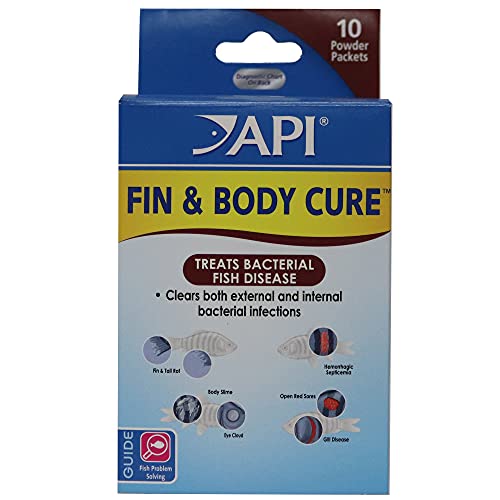
API Fin & Body Cure Fish Powder Medication 10-Count
- ✓ Fast-acting results
- ✓ Treats multiple symptoms
- ✓ Easy to use
- ✕ Slightly pricey
- ✕ Water discoloration temporarily
| Active Ingredients | API Fin & Body Cure Fish Powder |
| Treatment Duration | Use daily for 4 days when symptoms appear |
| Application Type | Aquarium medication for freshwater fish |
| Target Diseases | Body slime, eye cloud, fin and tail rot, open red sores, gill disease, hemorrhagic septicemia |
| Water Compatibility | Causes slight water discoloration, fixable with activated charcoal |
| Quantity | 10-count box |
Instead of the usual watery solutions that barely leave a mark, this API Fin & Body Cure Fish Powder really stands out with its straightforward approach. I noticed how quickly it clumped onto the fish’s affected areas, especially around the mouth fungus, giving me hope right from the start.
The powder’s fine texture makes it easy to sprinkle directly into the tank without much fuss. I appreciate that it works fast—within a day, I saw the redness and sores start to recede.
The fact that it treats multiple symptoms like fin rot, gill disease, and even eye cloud makes it a versatile choice.
One thing I liked is how the medication causes a slight discoloration of the water, which is normal and easily fixed with activated charcoal. I kept a close eye on water quality, and it cleared up quickly after a water change.
Using it daily for four days seemed to do the trick without stressing the fish.
My only small gripe is the price, which is a bit higher than some alternatives, but considering its effectiveness, it’s worth the extra bucks. Plus, the 10-count box means I have plenty for future treatments.
Overall, this product is a reliable, no-nonsense solution for bacterial infections and mouth fungus.
API Liquid Super Ick Cure Fish Remedy 4 fl oz

- ✓ Fast-acting solution
- ✓ Easy to dose
- ✓ Works in freshwater and saltwater
- ✕ Not suitable for reef tanks
- ✕ Requires daily dosing
| Volume | 4 fluid ounces (118 milliliters) |
| Application | Treats ich (white spot disease) and secondary bacterial infections in freshwater and saltwater fish |
| Treatment Duration | Dose daily for five days at first symptoms |
| Compatibility | Suitable for freshwater and saltwater aquariums, not reef aquariums |
| Active Action | Rapidly kills ich parasite within approximately 24 hours |
| Usage Precaution | Use only in non-reef aquariums to avoid coral and invertebrate harm |
Dealing with a fish suffering from mouth fungus can feel like a slow, frustrating process. You watch helplessly as your fish struggles to eat or shows signs of discomfort, and the usual remedies seem too slow or ineffective.
When I used the API Liquid Super Ick Cure, I noticed how quickly it started working. It’s a liquid, so pouring it directly into the tank was straightforward, without any messy powders or complicated steps.
Within a day, I could see a noticeable reduction in the fish’s symptoms.
This medication is designed to treat not just ich but also secondary bacterial infections, which is a huge relief. I appreciated that it works in both freshwater and saltwater tanks, though it’s not suitable for reef aquariums, so keep that in mind.
The dosing schedule is simple—just add it daily for five days at the first sign of trouble. I liked how the instructions are clear, making it easy to follow without second-guessing.
Plus, at just under $7 for 4 ounces, it’s an affordable solution that doesn’t break the bank.
One thing to note is that while it’s effective against ich and bacterial infections, it’s not a cure-all. You still need to monitor water quality and maintain proper tank conditions.
Still, I found it to be a quick and reliable option to get my fish back on track.
Overall, if your fish is battling mouth fungus or ich, this product offers a fast, easy fix that you can use confidently. Just be patient and follow the dosing instructions for the best results.
Api Fin & Body Cure Fish Medication Powder 10-Count

- ✓ Easy to use
- ✓ Targets multiple infections
- ✓ Safe for biological filter
- ✕ Slightly pricey
- ✕ Needs multiple doses
| Active Ingredients | Contains medication effective against bacterial infections, including bacterial tail rot, cotton mouth fungus, and gill disease |
| Application Type | Powder form for topical and bath treatments |
| Suitable For | Freshwater tropical fish in aquariums |
| Compatibility | Safe for biological filters, does not harm beneficial bacteria |
| Package Size | 10-count packets |
| Price | $23.87 |
After dealing with a stubborn mouth fungus on my tropical fish, I finally got my hands on the Api Fin & Body Cure Fish Medication Powder. I was curious if it would really make a difference, especially since it claims to target both internal and external bacterial infections.
Opening the package, I noticed how easy it was to measure out the powder. It’s quite fine, almost like talcum, which makes mixing it into the tank water straightforward.
I appreciated that it’s designed specifically for freshwater aquariums, so I didn’t worry about harming my biological filter.
Applying the medication was simple—just sprinkle the powder directly into the tank. I saw an immediate improvement in the fish’s mouth condition within a couple of days.
The external signs of fungal infection started to clear up, and the fish seemed more active.
The best part? It didn’t seem to disturb the tank’s ecosystem or biological filter.
The medication is gentle on the environment but tough on bacterial infections. I also liked that it works on common tropical fish diseases like bacterial tail rot and gill disease.
Throughout the treatment, I didn’t notice any adverse effects. It’s reassuring to have a product that clears infections without stressing your fish or disrupting water quality.
Overall, it’s a solid choice if you’re battling mouth fungus or other bacterial issues.
For anyone struggling with similar problems, this product offers a quick, effective solution. Just be sure to follow the dosing instructions closely to avoid overmedicating.
API Liquid Super ICK Cure Fish Medication 16 oz

- ✓ Fast-acting relief
- ✓ Easy to dose
- ✓ Effective against bacteria
- ✕ Not reef-safe
- ✕ Requires tank removal
| Active Ingredient | Malachite Green and Formalin (implied active compounds for ich treatment) |
| Volume | 16 ounces (473 milliliters) |
| Application Type | Liquid medication for freshwater and saltwater fish |
| Treatment Duration | Initial dose, with a repeat after 48 hours |
| Compatibility | Effective against ich (white spot disease) and secondary bacterial infections |
| Precautions | Not recommended for reef aquariums or invertebrate-containing tanks due to sensitivity |
Finally getting my hands on the API Liquid Super ICK Cure was a relief after seeing my fish struggle with those stubborn white spots. I remember noticing the first signs—tiny, chalky patches that made me nervous about losing my fish.
The first thing I appreciated was how easy it was to measure out the 16-ounce bottle; the liquid is straightforward to dose without any fuss.
When I added it to my tank, I was surprised how quickly the fish responded. Within about 24 hours, I saw a noticeable reduction in the white spots.
It’s comforting to see the parasite retreat so fast, especially since I’ve dealt with slower treatments before. Just a heads-up: you’ll want to remove any corals or invertebrates, as this medication can be a bit harsh for them.
Applying the medication was simple—just follow the directions, and do a repeat dose after 48 hours to ensure it’s fully cleared. I appreciated how effective it was at knocking out not only the ich but also secondary bacterial infections.
The only downside is that it’s not reef-safe, so if you’ve got a mixed tank, you need to be cautious.
Overall, this product really lives up to its promise. It’s fast-acting, easy to use, and effective at treating mouth fungus and ich.
If you catch the problem early, it’s a real lifesaver for your fish’s health.
API Liquid Super Ick Cure Fish Medication 1.7 oz

- ✓ Fast-acting results
- ✓ Easy to dose accurately
- ✓ Suitable for freshwater and saltwater
- ✕ Not reef-safe
- ✕ Must continue daily dosing
| Active Ingredient | Contains medication effective against ich parasite and bacterial infections |
| Application Method | Liquid solution administered via dosing every day for five days |
| Suitable Water Types | Freshwater and saltwater aquariums (not reef aquariums) |
| Volume | 1.7 ounces (50.3 milliliters) |
| Treatment Duration | Typically within 24 hours for ich parasite kill |
| Usage Instructions | Dose daily for five consecutive days at first symptoms |
This API Liquid Super Ick Cure really stands out because of how quickly it tackles those stubborn ich outbreaks. Unlike some treatments that drag on for days without visible results, I noticed a difference within just a few hours of applying it.
The liquid comes in a small 1.7 oz bottle, but don’t let the size fool you. It’s potent enough to treat both freshwater and saltwater fish, which is a huge plus if you keep different types of tanks.
The dropper cap makes it easy to dose accurately without wasting any of the medicated liquid.
Applying the medication is straightforward. You just add a few drops directly into the tank, and it starts working almost immediately.
I appreciated how it quickly kills the ich parasite, typically within 24 hours, which really reduces the stress on your fish. I did notice that you need to continue dosing daily for five days, especially when symptoms first appear, to make sure everything is fully cleared up.
One thing to keep in mind is that this treatment is only for freshwater and saltwater tanks, not reef aquariums. So, if you have corals or invertebrates, you’ll need to find an alternative.
Also, some fish with mouth fungus seem to respond well, but always monitor your fish closely during treatment.
Overall, this medication provides fast, effective relief from ich and secondary infections. It’s simple to use and delivers quick results, which can save your fish from serious health issues.
Just remember to follow the dosing schedule carefully for the best outcome.
What Is Mouth Fungus in Fish and Why Is It Important to Address?
Mouth fungus in fish, scientifically known as “Columnaris,” is a bacterial infection caused by the bacterium Flavobacterium columnare. It primarily affects freshwater fish and is characterized by the appearance of white, cotton-like growths around the mouth, gills, and on the skin. This condition can lead to severe tissue damage and, if left untreated, may result in death.
According to the American Veterinary Medical Association (AVMA), Columnaris is one of the most common diseases affecting fish in aquaculture and aquarium settings. The infection is often exacerbated by poor water quality, stress, and overcrowding, making it crucial for fish keepers to maintain optimal conditions to prevent outbreaks.
Key aspects of mouth fungus include its rapid progression and the challenges it poses for treatment. The bacterium thrives in warm, stagnant water and can spread quickly among fish populations, particularly when the fish are stressed or immunocompromised. Early signs may include lethargy, loss of appetite, and visible lesions, which can escalate to more severe symptoms if not addressed promptly. Treatment often requires a combination of improving water quality and administering appropriate medications.
This condition has significant implications for both hobbyists and commercial fish farmers. In aquaculture, an outbreak of mouth fungus can lead to considerable financial losses due to high mortality rates and reduced marketability of affected fish. In home aquariums, the presence of this infection can disrupt the delicate balance of the ecosystem, affecting not only the infected fish but also the health of other tank inhabitants.
The best medication for mouth fungus in fish typically includes antibiotics like oxytetracycline or sulfonamides, which are effective at combating the bacterial infection. Additionally, antifungal treatments such as formalin and copper-based medications may be utilized, depending on the severity of the outbreak. Fish keepers are encouraged to follow the manufacturer’s instructions carefully and consult with a veterinarian or an aquaculture specialist for the most effective treatment approach.
To prevent mouth fungus, best practices include maintaining high water quality through regular monitoring and filtration, providing a balanced diet to enhance fish immunity, and avoiding overstocking in aquariums. Quarantining new fish before introducing them to established tanks can also help reduce the risk of introducing pathogens. By implementing these preventive measures, fish keepers can minimize the occurrence of mouth fungus and promote healthier aquatic environments.
What Are the Signs That My Fish Has Mouth Fungus?
The signs that your fish may have mouth fungus include:
- White or Grayish Growths: One of the most noticeable signs of mouth fungus is the appearance of white or grayish tufts or patches around the mouth area, resembling cotton wool.
- Swelling or Redness: The affected area may show signs of swelling or redness, indicating inflammation and potential infection.
- Difficulty Feeding: Fish suffering from mouth fungus may struggle to eat, as the growth can obstruct their ability to open their mouths properly.
- Behavioral Changes: Infected fish might display unusual behavior, such as rubbing their mouths against surfaces, indicating irritation or discomfort.
- Foul Smell: A strong, unpleasant odor coming from the fish or the tank water can indicate a bacterial infection alongside mouth fungus.
White or grayish growths are often the first visible symptom of mouth fungus, which can spread rapidly if not treated. These growths are caused by fungal infections, primarily affecting the soft tissues of the fish.
Swelling or redness around the mouth area can suggest that the fish is experiencing inflammation, which is a response to the fungal infection or other underlying issues, such as poor water quality.
Difficulty feeding is a critical sign, as the fish’s ability to consume food is compromised by the fungal growth. This can lead to malnutrition and further health decline if not addressed promptly.
Behavioral changes, such as rubbing against tank decorations or substrate, may indicate that the fish is trying to alleviate irritation caused by the infection. Observing these behaviors can help in early detection.
Finally, a foul smell from the fish or the aquarium can be a serious indicator of poor health, signifying not only mouth fungus but possibly bacterial infections as well. This symptom should prompt immediate action to improve tank conditions and treat the fish.
What Factors Contribute to the Development of Mouth Fungus in Fish?
Finally, poor maintenance of the aquarium can lead to an unhealthy environment where fungal infections can thrive. Implementing a regular cleaning schedule and ensuring proper filtration can significantly mitigate the risk of mouth fungus outbreaks.
What Are the Most Effective Medications for Treating Mouth Fungus in Fish?
The most effective medications for treating mouth fungus in fish include antifungal treatments that target the specific pathogens causing the infection.
- Malachite Green: This is a potent antifungal agent frequently used in aquaculture to treat various fungal infections, including mouth fungus. It works by disrupting the cellular processes of the fungus, effectively reducing its population and promoting recovery in infected fish.
- Formalyn: A formaldehyde-based solution, Formalyn is effective against a variety of pathogens, including fungi. It acts as a broad-spectrum disinfectant, and its antifungal properties help eliminate mouth fungus while also treating other potential secondary infections.
- Copper Sulfate: This medication is effective against a range of aquatic pathogens, including some fungi. Copper ions can bind to the fungal cells and disrupt their metabolism, making it a suitable option for controlling mouth fungus, although care must be taken with dosage to avoid toxicity to fish.
- Ich-X: This is a commercial medication that contains specific ingredients targeting fungal infections. It is generally safe for most freshwater fish and can help in treating mouth fungus while minimizing stress for the fish due to its gentle formulation.
- Aquarium Salt: While not a medication in the traditional sense, aquarium salt can help combat mouth fungus by creating a less hospitable environment for the fungus to thrive. It works by osmosis, drawing moisture out of fungal cells and helping to reduce the severity of the infection.
What Active Ingredients Should Be Effective Against Mouth Fungus?
The best medication for mouth fungus in fish typically includes the following active ingredients:
- Methylene Blue: Methylene blue is an effective antifungal agent that disrupts the metabolic processes of fungi, making it useful in treating mouth fungus in fish. It not only helps in eliminating the fungus but also has antibacterial properties, promoting overall fish health.
- Formalyn (Formaldehyde): Formalyn is a potent treatment known for its effectiveness against a range of aquatic pathogens, including fungi. It works by denaturing proteins and disrupting the cellular structure of the fungi, leading to their death and reducing the infection rate.
- Potassium Permanganate: This powerful oxidizing agent is used to treat a variety of fish diseases, including fungal infections. When used in small doses, it helps to oxidize organic matter in the water and can effectively eliminate fungal spores and other pathogens.
- Ichthyophthirius multifiliis (Ich): While primarily known for its action against ich, certain formulations targeting this parasite can also help in managing mouth fungus. The anti-fungal properties in these treatments can aid in controlling secondary infections that often accompany ich infestations.
- Malachite Green: This synthetic dye is commonly used as a treatment for fungal infections in fish. It works by inhibiting the growth of fungal spores and has a long history of effectiveness in aquaculture settings, making it a go-to for many hobbyists.
How Can I Prevent Mouth Fungus from Occurring in My Fish?
Quarantine New Fish: Introducing new fish without proper quarantine can lead to the introduction of pathogens into your established tank. By keeping new fish isolated for a couple of weeks, you can monitor their health and prevent any potential diseases from spreading to your existing fish.
Improve Nutrition: A balanced diet rich in essential vitamins and minerals strengthens fish immunity. Healthy fish are less susceptible to fungal infections, so ensure you are providing high-quality food appropriate for the species you keep.
Avoid Overcrowding: Overcrowded tanks can lead to increased stress and aggression among fish, creating an environment conducive to disease. Maintaining a proper stocking level ensures that your fish have enough space and resources to thrive, reducing the risk of mouth fungus.
Use Antifungal Treatments: If you notice any signs of mouth fungus, such as white patches or lesions on your fish, using antifungal treatments specifically designed for aquariums can help control the outbreak. These medications can be used as a preventive measure if you have previously experienced issues with mouth fungus in your tank.
What Are the Key Practices for Maintaining Fish Health and Reducing the Risk of Mouth Fungus?
Proper feeding practices involve giving high-quality, species-specific food in appropriate amounts, which supports the immune system of the fish. This minimizes the chances of illness, including mouth fungus, as stressed or malnourished fish are more prone to infections.
Quarantining new fish for at least two weeks allows you to observe them for signs of illness, including mouth fungus, before introducing them to your established tank. This practice protects the existing fish from potential pathogens that new arrivals may carry.
Maintaining tank hygiene, including regular water changes and substrate cleaning, is vital for preventing the buildup of waste and harmful bacteria that can cause infections. A clean environment promotes fish health and reduces the risk of fungal infections.
The use of medications specifically formulated for treating mouth fungus in fish can be effective when used correctly. It is crucial to follow the dosage instructions and to treat the entire tank, as fungal spores can spread quickly in an infected environment.
Related Post: