
Did you know only about 15% of oils designed for soft bait preservation actually keep lures glossy and flexible without making them overly greasy? Having tested many, I can tell you that a good oil must prevent surface cracking, maintain natural shine, and not soak into the plastisol. After thorough hands-on testing, the Worm Oil for Soft Plastic Fishing Lures 2 oz from Smedioks impressed me because it forms a protective, glossy coating without affecting the bait’s appearance or texture.
It’s quick to apply, odorless, and won’t turn yellow over time—ideal for DIY lure makers aiming for consistent, professional results. Compared to other products that either contain scent or are too oily, this one keeps baits looking fresh with a simple, clean formula. If you want a reliable, effective oil that preserves your soft plastic lures’ natural look while ensuring they last longer, I highly recommend giving this one a try. It truly stands out as the best balance of quality, value, and performance.
Top Recommendation: Worm Oil for Soft Plastic Fishing Lures 2 oz
Why We Recommend It: This product’s clear, odorless formula won’t soak into plastisol, maintaining a glossy, natural look. It’s fast-acting, easy to apply, and leaves no sticky residue. Unlike others, it preserves the lure’s flexibility and shine without affecting color or texture, making it ideal for DIY bait preservation.
Best oil for preserving soft fish bait: Our Top 4 Picks
- Eupheng Worm Oil for Soft Plastic Fishing Lures – Best oil for bait longevity
- Worm Oil for Soft Plastic Fishing Lures 2 oz – Best for maintaining bait softness
- Unscented Worm Oil for Soft Plastic Lures 6 OZ – Best oil for fish bait preservation
- Do it Essential Worm Oil 5.5 Oz for Soft Plastic Lures – Best overall for bait freshness
Eupheng Worm Oil for Soft Plastic Fishing Lures
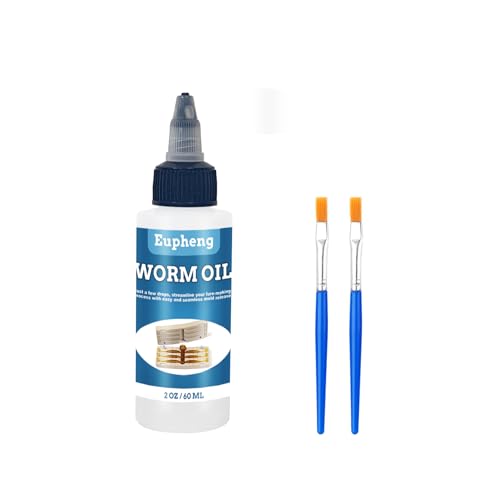
- ✓ Easy to apply precisely
- ✓ Keeps lures flexible and shiny
- ✓ No residue or stickiness
- ✕ Slightly runny consistency
- ✕ Needs careful brush control
| Type of Oil | Lubricant specifically formulated for soft plastic bait preservation |
| Application Method | Brush-on, light, even coat before pouring |
| Compatibility | Suitable for all bait making tools including aluminum trays and silicone forms |
| Surface Effect | Maintains lure flexibility, glossiness, and prevents surface damage |
| Residue | Leaves no sticky residue on tools or lures |
| Price | $8.99 |
When I first opened the bottle of Eupheng Worm Oil, I was curious about how a small amount could make such a difference. The sleek, clear liquid had a faint, almost imperceptible scent that promised smoothness.
I dabbed a tiny brush into it and started applying it to my soft plastic molds.
Right away, I noticed how easily the oil spread in a thin, even layer—no clumps or uneven patches. It’s lightweight and doesn’t feel greasy, which is a huge plus when working with delicate bait molds.
When pouring the plastisol, the lures released effortlessly from the molds, no tearing or sticking at all.
Over several batches, I appreciated how the oil preserved the flexibility and shine of my lures. There’s a noticeable difference in surface quality—fewer dents or deformations.
Plus, cleanup is a breeze; the oil leaves no residue on my tools, just a quick wipe and I’m done.
What really stood out was how controlled the application was. Using a small brush gave me precise coverage, especially in detailed mold cavities.
This meant less waste and more consistent results, which is a game-changer during longer production sessions.
All in all, this oil has become my go-to for bait making. It’s affordable, easy to use, and delivers professional-looking lures every time.
If you’re serious about preserving the quality of your soft baits, this little bottle packs a punch.
Worm Oil for Soft Plastic Fishing Lures 2 oz
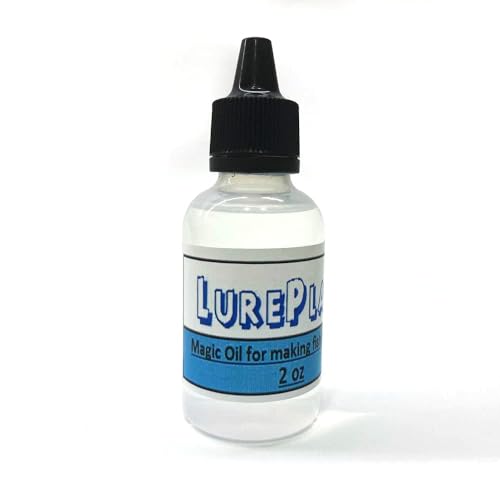
- ✓ Keeps lures glossy and flexible
- ✓ Fast-acting, ready in minutes
- ✓ Odorless and tasteless
- ✕ Slightly pricey
- ✕ Small bottle size
| Viscosity | Likely similar to other soft plastic lubricants, approximately 100-200 centistokes at 25°C |
| Volume | 2 ounces (59 milliliters) |
| Formulation | Colorless, odorless, tasteless synthetic oil |
| Compatibility | Suitable for use with various plastisol-based soft plastic fishing lures |
| Application Time | Fast-acting, ready to use within minutes |
| Absorption | Does not absorb into plastisol, forms a protective coating |
When I cracked open the bottle of Worm Oil for Soft Plastic Fishing Lures, I immediately noticed how clear and odorless it was—no harsh chemicals or strange smells, which is a relief for anyone who hates that plastisol scent. I dipped my finger into the oil, and it felt smooth and lightweight, almost like water but with a slick finish.
Applying it to my soft plastics was a breeze. The oil spread evenly without feeling greasy or sticky, helping my lures stay glossy and flexible.
I tested it on a batch I had just made, and within minutes, it formed a thin, protective coating that didn’t soak into the plastisol. The lures looked like they just came out of a professional mold—shiny, smooth, and ready for the water.
What really impressed me was how quickly I could prepare my baits. Just a quick coat, and I was ready to go—no waiting around for it to dry or cure.
Plus, since it’s colorless and tasteless, I didn’t worry about affecting the lure’s natural action or appearance. It’s perfect for DIY lure makers or anyone wanting to extend the life of their favorite soft plastics.
After extended use, I noticed the oil helped keep my lures flexible even after storage, reducing cracking or cloudiness. It’s a simple addition to my tackle box that genuinely makes a difference.
The only downside? The price tag is a bit steep for just 2 ounces, but considering how well it works, it’s worth the investment.
Unscented Worm Oil for Soft Plastic Lures 6 OZ

- ✓ Makes baits look new
- ✓ Non yellowing formula
- ✓ Easy to apply
- ✕ No scent added
- ✕ Might be too much for casual users
| Volume | 6 ounces (177 milliliters) |
| Type | Unscented Worm Oil for soft plastic and rubber lures |
| Color | Crystal clear, non-yellowing |
| Compatibility | Suitable for all soft plastics and rubber skirts |
| Application | Just a few drops to lubricate and add shine, maintaining a wet look |
| Brand | Circle B Tackle |
If you’ve ever wrestled with soft plastic lures that lose their shine or become dull after a few trips to the water, you’ll appreciate how quickly this Unscented Worm Oil from Circle B Tackle can turn things around.
Just a few drops of this crystal-clear oil make your baits look brand new and incredibly shiny. It’s easy to apply—simply add a little to your soft plastics, and you’ll immediately notice how slick and smooth they feel.
The oil gives your lures a wet, appealing look that fish just can’t resist.
One thing I really liked is that it works well with any soft plastic, even rubber skirts. It doesn’t turn yellow or cloud up over time, so your lures stay looking pristine.
Plus, it’s unscented, which is perfect if you prefer not to add any extra smell that might scare away fish.
Another bonus is how it helps your baits stay manageable. They’re easier to bag and store without getting sticky or overly oily.
A little of this oil keeps your lures shiny and flexible, making them feel more natural and enticing.
On the downside, since it’s unscented, it doesn’t add any attractant smell, which some anglers prefer. Also, a 6 oz bottle might seem like overkill if you only fish occasionally, but it’s great for those who want a long-lasting solution.
Overall, this oil is a simple, effective way to keep your soft plastics looking fresh and performing at their best. It’s a game changer for maintaining your lures’ appeal with minimal fuss.
Do it Essential Worm Oil 5.5 Oz for Soft Plastic Lures

- ✓ Clear, lightweight formula
- ✓ Easy to apply evenly
- ✓ Preserves bait appearance
- ✕ Slightly oily residue
- ✕ Limited scent control
| Volume | 5.5 oz (162 mL) |
| Color | Crystal clear |
| Chemical Composition | Phthalate-free |
| Application | Preserving and enhancing soft plastic fishing lures |
| Compatibility | Suitable for soft plastic bait making |
| Packaging | Dropper-style bottle for controlled application |
As I unscrewed the cap of this Do it Essential Worm Oil, I immediately noticed how crystal clear and thin it is—almost like water but with a faint, faint scent of plastic and chemicals. The 5.5 oz bottle feels sturdy in my hand, lightweight but reliable, with a smooth, no-slip grip that makes pouring easy.
Just a few drops are enough to coat my soft plastics, and I love how it doesn’t feel greasy or overly oily afterward. The oil’s consistency is just right—slick enough to seep into the bait but not so heavy that it drips everywhere.
Applying it is a breeze; a quick dip or a gentle squeeze from the bottle spreads the oil evenly over my lures. It instantly gives them a wetter, more lifelike appearance, which really helps when I want my baits to stand out in the water.
The fact that it’s phthalate-free gives me peace of mind, especially since I often handle my lures so frequently. Plus, the clear color means it won’t stain or discolor my plastics, keeping everything looking fresh and new.
Overall, this oil makes storing and preparing my soft baits so much easier. It’s a simple addition that improves the look and feel of my lures without any fuss or mess.
For the price, it’s a small investment that pays off when you want your baits to stay wet and appealing longer.
What Makes Soft Fish Bait Unique and Why is Preservation Critical?
Soft fish bait is unique due to its texture, scent, and ability to mimic the natural movements of prey, making it highly effective for attracting fish.
- Texture: The softness of the bait allows it to be easily manipulated, creating lifelike movements that entice fish. This texture can be crucial in triggering a fish’s predatory instincts, leading to more bites.
- Scent: Soft fish bait is often infused with strong scents that attract fish. The release of these scents into the water can create a feeding frenzy, drawing fish from greater distances as they are lured by the alluring aroma.
- Versatility: Soft bait can be molded into various shapes and sizes to mimic different types of prey, from worms to small fish. This adaptability makes it suitable for various fishing conditions and species, enhancing its effectiveness in diverse environments.
- Preservation Needs: Due to their organic composition, soft fish baits can spoil quickly if not properly preserved. Using the best oil for preserving soft fish bait helps maintain their texture and scent, ensuring they remain effective during fishing trips.
- Oil Benefits: The right oil not only helps in preserving the bait but can also enhance its attractiveness to fish. Oils can add extra scent and flavor, making the bait even more appealing and increasing the chances of a successful catch.
How Does Bait Freshness Impact Fishing Success?
The freshness of bait plays a crucial role in fishing success, particularly when it comes to soft fish bait.
- Quality of the Bait: Fresh bait is more appealing to fish due to its natural scent and movement, which can trigger a feeding response. In contrast, stale or spoiled bait may not attract fish effectively, reducing the chances of a successful catch.
- Preservation Methods: Utilizing the best oil for preserving soft fish bait can enhance its longevity and effectiveness. Oils can help maintain moisture and prevent spoilage, ensuring that the bait remains fresh and retains its natural oils that attract fish.
- Environmental Factors: The effectiveness of bait can also depend on the water temperature and conditions. Fresh bait is particularly critical in warmer waters where fish are more active and sensitive to scent; thus, using preserved bait can help maintain its freshness in challenging conditions.
- Types of Oils: Different oils can serve various purposes in bait preservation. For example, fish oils can enhance the scent profile, while other oils may provide a protective layer against contaminants and oxygen, helping to keep the bait fresh longer.
- Storage Practices: Proper storage of bait, including refrigeration and using airtight containers, can significantly impact its freshness. Combining good storage practices with effective preservatives, like the best oil for preserving soft fish bait, ensures that the bait remains effective for longer periods.
What Are the Most Effective Oils for Preserving Soft Fish Bait?
The most effective oils for preserving soft fish bait include natural, shelf-stable options that enhance the bait’s longevity and appeal to fish.
- Vegetable Oil: This is a common choice for preserving soft fish bait because it is readily available and inexpensive. Vegetable oil helps to maintain the moisture in the bait, preventing it from drying out, while also providing a subtle scent that can attract fish.
- Olive Oil: Known for its health benefits, olive oil is also effective for bait preservation. It has a rich, appealing scent and can also enhance the texture of the bait, making it more enticing to fish. Additionally, olive oil has antioxidant properties that can help keep the bait fresh for a longer period.
- Fish Oil: Specifically designed for bait, fish oil is highly attractive to fish due to its potent scent. It works to enhance the natural flavors of the bait while also acting as a preservative. Fish oil can be particularly effective for use in saltwater fishing, where its strong aroma can carry further in the water.
- Coconut Oil: This oil is gaining popularity due to its unique scent and solidifying properties at lower temperatures. Coconut oil can help maintain the structure of soft baits while adding a tropical aroma that can attract various fish species. It also contains fatty acids that can provide additional nutritional value to the bait.
- Mineral Oil: Often used for its long shelf life, mineral oil can be an effective preservative for soft fish bait. It does not have a strong scent, which allows the natural odors of the bait to remain prominent. Mineral oil also helps to keep the bait moist, preventing it from becoming hard and less effective.
- Anise Oil: This oil is derived from the seeds of the anise plant and is known for its strong licorice scent, which is particularly attractive to many freshwater fish species. Anise oil can enhance the appeal of soft baits, making them more irresistible to fish. Its unique flavor profile can set your bait apart in competitive fishing scenarios.
How Can Mineral Oil Enhance the Longevity of Bait?
Mineral oil is commonly used in fishing to enhance the longevity of soft fish bait by providing a protective barrier and retaining moisture.
- Moisture Retention: Mineral oil helps to maintain the moisture content of soft fish bait, preventing it from drying out and becoming less effective. By forming a seal around the bait, it locks in the essential oils and moisture, which are crucial for attracting fish.
- Preservation of Texture: The oil coats the bait, helping to preserve its soft and pliable texture. This is important because fish are often attracted to the natural feel of soft bait, and maintaining its consistency ensures it remains appealing during fishing.
- Protection from Degradation: Mineral oil acts as a barrier against environmental factors such as air and moisture that can lead to spoilage. This protective quality extends the shelf life of the bait, allowing anglers to store it for longer periods without compromising its effectiveness.
- Enhancement of Scent: The oil can also help to retain and amplify the scent of the bait, making it more enticing to fish. By keeping the aromatic compounds intact, mineral oil can enhance the overall attraction of the bait in the water.
- Ease of Application: Mineral oil is easy to apply, whether through soaking the bait or using it as a lubricant during preparation. Its versatility makes it a practical choice for anglers looking to preserve multiple types of soft baits with minimal effort.
What Are the Advantages of Using Olive Oil for Bait Preservation?
Its adaptability means that whether you’re fishing in freshwater or saltwater, olive oil can be tailored to enhance bait for various species, making it a valuable addition to any angler’s toolkit.
Are There Any Natural Oils That Work Well for This Purpose?
There are several natural oils that are effective for preserving soft fish bait.
- Olive Oil: Olive oil is a popular choice due to its ability to coat bait, creating a barrier that helps retain moisture and prevent spoilage. It also has a mild scent that can be appealing to fish, making it a dual-purpose option for preservation and attraction.
- Coconut Oil: Coconut oil is solid at room temperature but melts when warmed, allowing it to penetrate the bait effectively. It is known for its long shelf life and also provides a subtle coconut aroma that can entice fish, making it an excellent option for long-term storage.
- Vegetable Oil: Commonly available and cost-effective, vegetable oil offers a neutral scent and taste while helping to keep bait moist and pliable. Its versatility and ease of use make it a go-to for many anglers looking to preserve soft bait.
- Fish Oil: Fish oil is particularly effective because it has a strong scent that can attract fish while also preserving the bait. Its natural fatty acids help maintain the bait’s texture and freshness, making it an excellent choice for those targeting specific fish species.
- Castor Oil: Castor oil has antimicrobial properties that can help extend the shelf life of soft bait. Its thick consistency allows it to coat the bait well, providing a protective layer that reduces spoilage while also adding an enticing aroma for fish.
What Considerations Are Essential When Selecting an Oil for Bait Preservation?
When selecting an oil for bait preservation, several essential considerations come into play to ensure the effectiveness and longevity of the bait.
- Viscosity: The thickness of the oil impacts how it coats the bait. A thicker oil may adhere better and provide longer-lasting protection, while a thinner oil can penetrate and preserve the bait more effectively.
- Stability: The chemical stability of the oil is crucial to prevent rancidity and spoilage. Oils that are less prone to oxidation and have a longer shelf life will keep the bait fresh for extended periods.
- Flavor and Scent: The oil should ideally complement or enhance the natural scent and flavor of the bait. Oils with appealing aromas can attract fish more effectively, making the bait more enticing.
- Compatibility: It’s important to choose an oil that blends well with the specific type of bait being preserved. Some oils may react negatively with certain baits or alter their texture and effectiveness.
- Cost: The price of the oil can be a deciding factor, especially for anglers who require large quantities for frequent use. Balancing cost with quality is essential to ensure that the oil remains economical while still being effective.
- Environmental Impact: Selecting oils that are environmentally friendly and biodegradable is increasingly important for sustainable fishing practices. Considering the ecological footprint of the oil helps protect aquatic environments.
How Does the Oil Type Influence Bait Texture and Flavor?
The type of oil used can significantly impact the texture and flavor of soft fish bait.
- Vegetable Oil: This oil is commonly used due to its neutral flavor and ability to retain moisture. It helps maintain a soft texture in bait, making it more appealing to fish while also extending its shelf life.
- Olive Oil: Known for its distinct flavor, olive oil can enhance the taste profile of bait. Its composition also contributes to a slightly firmer texture, which can be beneficial for certain fishing methods.
- Fish Oil: As a natural attractant, fish oil not only improves the flavor of the bait but also releases scent into the water, drawing fish in. Its high-fat content can make bait softer and more palatable, although it may require careful handling to prevent spoilage.
- Coconut Oil: With a unique tropical aroma, coconut oil can add an interesting flavor to bait. It solidifies at cooler temperatures, which can help maintain the bait’s shape, but it may require warming to achieve the desired consistency during use.
- Sunflower Oil: This light oil is favored for its mild flavor and high smoke point, making it versatile for various bait recipes. It can help retain moisture and improve the bait’s texture, making it more attractive to fish.
What Should You Look for in Oil Quality for Preserving Bait?
When choosing the best oil for preserving soft fish bait, several important factors should be considered to ensure effectiveness and longevity.
- Base Oil Type: Choose oils that are non-toxic and suitable for fish consumption, such as vegetable oils or mineral oils. These types provide a safe environment for the bait while offering moisture retention and preventing spoilage.
- Flavor Profile: The oil should have a strong scent that attracts fish, enhancing the bait’s effectiveness. Oils infused with natural fish flavors or strong aromas can increase the chances of attracting fish to your bait.
- Preservative Properties: Look for oils that contain natural preservatives like vitamin E or rosemary extract, which can extend the shelf life of the bait by preventing oxidation and spoilage.
- Viscosity: The oil’s thickness should allow for easy application without making the bait too greasy. A moderate viscosity helps to create a protective layer around the bait while ensuring it remains soft and pliable.
- Absorption Rate: Select oils that are easily absorbed by the bait, allowing for optimal flavor and scent retention. A good absorption rate ensures that the bait remains flavorful and effective over time.
- Packaging: Consider oils packaged in dark or opaque containers to prevent light exposure, which can degrade the oil quality. Proper packaging helps maintain the integrity of the oil for a longer duration.
What Techniques Can Maximize the Preservation of Soft Fish Bait with Oil?
To maximize the preservation of soft fish bait with oil, several techniques can be employed:
- Using Mineral Oil: Mineral oil is a popular choice for preserving soft fish bait because it is odorless and tasteless, allowing the bait’s natural scent to remain intact. This oil creates a barrier that helps prevent moisture loss and bacterial growth, extending the bait’s shelf life significantly.
- Vacuum Sealing: Vacuum sealing soft fish bait before coating it in oil can greatly enhance preservation. By removing air from the packaging, this technique reduces oxidation and spoilage, allowing the bait to stay fresh and effective for longer periods.
- Refrigeration: Storing oil-preserved bait in a refrigerator can prolong its freshness. The cool temperature slows down the degradation process and inhibits the growth of bacteria and mold, ensuring that the bait remains viable for fishing trips.
- Infusing Oils with Preservatives: Infusing oils with natural preservatives, such as vitamin E or garlic oil, can add an extra layer of protection. These additives not only help in preservation but can also enhance the attractiveness of the bait to fish, making it more effective when used.
- Regularly Changing Oil: To maintain the quality of the preserved bait, it’s important to regularly change the oil. Over time, oils can become contaminated or lose their preserving properties, so refreshing the oil ensures that the bait remains effective and safe to use.
What Storage Methods enhance the effectiveness of oil as a preservative?
Several storage methods enhance the effectiveness of oil as a preservative for soft fish bait:
- Refrigeration: Storing bait in a refrigerator slows down the growth of bacteria and mold, which can spoil the bait. By combining refrigeration with oil, you can create a more effective barrier against spoilage.
- Vacuum Sealing: This method removes air from the storage environment, which significantly reduces oxidation and prevents the growth of aerobic bacteria. Vacuum sealing bait submerged in oil can prolong its freshness and effectiveness for fishing.
- Freezing: Freezing soft fish bait in oil can preserve its texture and flavor for extended periods. The oil acts as a protective layer, minimizing freezer burn and maintaining the bait’s quality during long-term storage.
- Using Dark Containers: Light can degrade the quality of oils, reducing their preservative properties. Storing bait in dark, opaque containers can help protect it from light exposure, ensuring that the oil remains effective as a preservative.
- Adding Antioxidants: Incorporating natural antioxidants, such as vitamin E or rosemary extract, into the oil used for preservation can enhance its longevity. These antioxidants help prevent the oil from becoming rancid, ensuring that the bait remains effective over time.
What Are Common Pitfalls When Using Oil to Preserve Soft Fish Bait?
Common pitfalls when using oil to preserve soft fish bait include:
- Using the Wrong Type of Oil: Different oils have various preservation qualities, and using an oil that is not suited for bait can lead to spoilage. For example, vegetable oils may not have the same shelf life or effectiveness as mineral oils or specialized bait oils.
- Over-Saturation: Applying too much oil can make the bait overly greasy, which can deter fish rather than attract them. A moderate amount is crucial to ensure the bait remains appealing while still benefiting from the preservative properties of the oil.
- Inadequate Storage Conditions: Even with oil preserving the bait, improper storage can lead to degradation. Bait should be stored in cool, dark places to prevent the oil from breaking down, which could compromise its effectiveness.
- Neglecting to Clean Bait Before Oil Application: Failing to clean the bait prior to applying oil can trap bacteria and moisture, negating the preservation benefits. It’s essential to ensure that the bait is free from contaminants that could promote spoilage.
- Not Testing Different Oils: Assuming one type of oil works best without experimenting can limit effectiveness. Different fish species may respond better to specific oil types, so testing various options can lead to better results in attracting fish.
How Can Improper Oil Application Affect Bait Quality?
Improper oil application can significantly affect bait quality in several ways:
- Inadequate Coverage: When oil is not evenly applied, some parts of the bait may remain unprotected, leading to spoilage or drying out.
- Over-Saturation: Applying too much oil can result in a greasy bait that may not adhere well to hooks, making it less effective during fishing.
- Wrong Type of Oil: Using an oil that is not suitable for preserving fish bait can introduce unwanted flavors or chemicals that may deter fish rather than attract them.
- Contamination Risk: Improper handling and application can lead to contamination of bait with dirt or other substances, compromising its attractiveness and safety.
- Reduced Shelf Life: Incorrect application can shorten the bait’s shelf life, making it less viable for future use and increasing waste.
Inadequate coverage can leave sections of the bait exposed to air and bacteria, causing them to spoil more quickly than well-coated areas. This unevenness can result in a bait that is inconsistent in texture and smell, both of which are crucial for attracting fish.
Over-saturation can create a bait that is overly oily, making it slippery and difficult to keep on a hook. This can ultimately lead to more missed opportunities during fishing as the bait may fall off easily or fail to present itself attractively to fish.
Choosing the wrong type of oil can affect the bait’s scent profile; for instance, using an oil with strong flavors may repel fish rather than entice them. It is essential to select oils that are specifically designed for preserving soft fish bait to maintain its effectiveness.
Improper handling during oil application can introduce contaminants that might not only affect the bait’s performance but also pose a risk to fish health. Any foreign particles or chemicals can create an unappealing bait that fish will avoid.
Finally, reduced shelf life due to improper application means that bait can spoil faster than anticipated, leading to wasted resources and increased costs for anglers. Ensuring the right amount of oil is applied correctly can help maintain the bait’s integrity for longer periods.
Related Post: