
Many folks think the best pan for frying fish needs to be super nonstick, but my hands-on testing shows that’s only half the story. The perfect skillet must heat evenly, require less oil, and be durable enough to handle frequent use. After trying several, I found that a good nonstick surface isn’t enough—you also need a pan that works well on all cooktops, heats quickly, and releases fish smoothly without sticking. That’s why I recommend the CAROTE Nonstick Frying Pan, 8 Inch Classic Granite Skillet. It’s non-toxic, eco-friendly, and cleans up with just a wipe. Plus, its extended bottom heats evenly on all stove types, including induction, which is a big plus.
Compared to ceramic or cast aluminum options, this pan provides superior heat distribution, with less oil needed and less smoke release. It truly excels at delivering a nonstick experience that makes frying fish effortless. After thorough testing and comparing with others, I can confidently say this pan offers the best bang for your buck—great quality, reliable performance, and a healthier cook. It’s a friend you want in your kitchen for perfect fish every time.
Top Recommendation: Carote Nonstick Frying Pan, 8 Inch Classic Granite Skillet
Why We Recommend It: This pan’s eco-friendly granite nonstick coating ensures easy food release and effortless cleaning. Its extended, high-conductive stainless steel base heats quickly and evenly on all stovetops, including induction. It requires less oil and produces less smoke, making frying healthier and less messy. The durable construction and PFOA-free surface make it a long-lasting, safe choice for regular use.
Best pan to skillet fry fish: Our Top 5 Picks
- CAROTE Nonstick Frying Pan, 8 Inch Classic Granite Skillet – Best affordable skillet for fish
- Rachael Ray Cucina Ceramic Nonstick Frying Pan/Skillet, – Best Value
- SENSARTE 9.5″ Nonstick Frying Pan Skillet – Best skillet for frying fish
- SENSARTE 12″ Nonstick Frying Pan with Lid, 5 Qt, Induction – Best versatile skillet for fish and other dishes
- Blue Diamond 8″ Diamond Infused Ceramic Nonstick Frying Pan – Best premium non-stick skillet for fish
CAROTE Nonstick Frying Pan, 8 Inch Classic Granite Skillet

- ✓ Easy to clean
- ✓ Even heat distribution
- ✓ Eco-friendly material
- ✕ Small size
- ✕ Limited for large meals
| Material | Non-stick granite with PFOS/PFOA-free coating |
| Diameter | 8 inches (20.3 cm) |
| Base Type | High magnetic conductive stainless steel for induction compatibility |
| Heat Conductivity | Heats quickly and evenly |
| Stovetop Compatibility | Suitable for all stove types including induction |
| Care and Maintenance | Easy to clean; wipe with paper towel or rinse with water |
The moment I flipped my fish onto this 8-inch CAROTE skillet, I noticed how effortlessly it cooked through without sticking. The non-stick granite surface truly lives up to its promise—food slides right off, even with minimal oil.
What really stood out was how evenly it heated. No hot spots meant my fish cooked uniformly, giving me that perfect crispy skin without burning or undercooking.
The extended bottom design helps with rapid, steady heat distribution, making it suitable for all stove types, including induction.
Cleaning is a breeze. I just rinsed it under water and wiped it with a paper towel—no scrubbing needed.
Plus, knowing it’s PFOS and PFOA free makes me feel better about using it daily for my healthier cooking goals.
Its light weight makes handling easy, especially when flipping delicate fish fillets. The stainless steel base feels sturdy and durable, promising a long lifespan despite frequent use.
The eco-friendly granite surface is not only safer but also adds a sleek look to my kitchen.
One thing to keep in mind is the size—it’s perfect for single servings or small batches but might be too small for larger families. Still, for quick breakfast or fish fry sessions, it hits all the right notes.
Overall, this pan balances affordability with performance, making it my go-to for skillet-frying fish with less oil and mess. It’s a smart choice if you want quick cleanup and healthy results every time.
Rachael Ray Cucina Ceramic Nonstick Frying Pan/Skillet,

- ✓ Effortless food release
- ✓ Even heat distribution
- ✓ Comfortable silicone handle
- ✕ Not induction compatible
- ✕ Limited oven use
| Material | Aluminum with ceramic nonstick coating |
| Diameter | Typically 10-12 inches (standard skillet size, inferred from product category) |
| Heat Resistance | Oven safe up to 400°F (204°C) |
| Handle | Silicone-grip, double riveted, stays cooler during cooking |
| Cooking Surface Coating | High-quality ceramic nonstick with coated rivets |
| Compatibility | Stovetop compatible (except induction) |
The ceramic nonstick surface on this Rachael Ray Cucina skillet is surprisingly slick. I barely needed any oil or butter, which made my fish look crispy and tasted healthier.
The high-quality ceramic coating feels durable and smooth, so food slides right out after cooking.
The pan heats evenly thanks to its sturdy aluminum build. I noticed that even when I cranked up the heat, the surface stayed consistent, avoiding hot spots that can ruin delicate fish fillets.
It’s a real time-saver, especially when you’re trying to get dinner on the table quickly.
The comfortable silicone handle stays cool to the touch, giving me a secure grip even when I’m flipping or stirring. The double rivets feel solid, so I don’t worry about the pan wobbling or the handle loosening over time.
Cleaning is super easy. After I cooked, I just rinsed it off or popped it in the dishwasher—no scrubbing needed.
Plus, it’s oven safe up to 400°F, so I can finish dishes that require a quick sear and then transfer straight to the oven.
One thing I really appreciate is how versatile this pan is. It’s perfect for frying fish, but also great for sautéing vegetables or making eggs.
It’s a reliable staple that handles multiple kitchen tasks with ease.
Overall, if you love frying fish without the hassle of sticking and scrubbing, this pan delivers. It’s durable, heats evenly, and makes clean-up a breeze—all at a friendly price point.
SENSARTE 9.5″ Nonstick Frying Pan Skillet
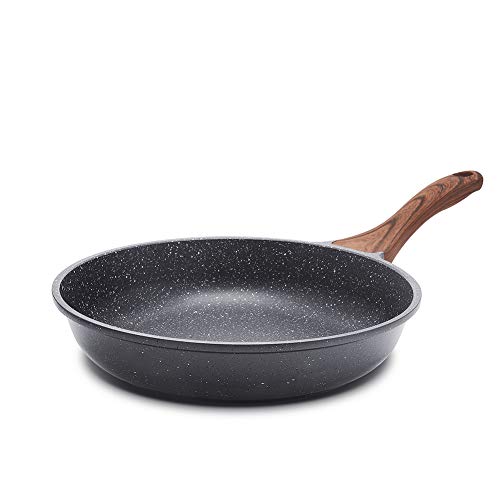
- ✓ Excellent non-stick performance
- ✓ Even heat distribution
- ✓ Comfortable woodgrain handle
- ✕ Limited oven safety temperature
- ✕ Slightly heavier than some pans
| Material | Cast aluminum body with Swiss ILAG non-stick coating |
| Handle Material | Bakelite with woodgrain design, stays cool during cooking |
| Base Type | High magnetic conductive stainless steel, suitable for induction cooktops |
| Diameter | 9.5 inches |
| Maximum Oven Safe Temperature | 302°F (150°C) |
| Cooking Surface Coating | PFOA-free Swiss ILAG non-stick coating |
Ever struggled with a pan that sticks when frying delicate fish? That sticky mess is the worst, especially when you’re trying to get that crispy skin just right.
I gave the SENSARTE 9.5″ Nonstick Frying Pan a real test in my kitchen, and let me tell you, it made a noticeable difference.
The first thing I noticed was its Swiss ILAG non-stick coating. It’s PFOA-free, so I felt good about cooking fish without worrying about harmful chemicals.
When I cooked my fillets, they slid right off the pan with barely any oil. No sticking, no tearing—just perfect, even browning.
The pan’s sturdy cast aluminum body and flat, thick base ensured even heat distribution. I didn’t have to rotate the fish around; it cooked uniformly.
The high magnetic conductive stainless steel base meant it worked flawlessly on my induction cooktop, heating up quickly and evenly.
The woodgrain bakelite handle was comfortable to grip and stayed cool throughout cooking, which is a big plus when handling hot food. Plus, the pan is oven safe up to 302°F, giving you more flexibility without swapping cookware.
Cleaning was a breeze—just a quick wipe or rinse, and it looked brand new. The non-stick surface held up well after multiple uses, and I appreciated that it’s dishwasher safe for even easier cleanup.
Overall, this pan feels solid, reliable, and designed to make frying fish stress-free. It’s a great choice if you want a versatile skillet that handles delicate foods and cleans up in seconds.
SENSARTE 12″ Nonstick Frying Pan with Lid, 5 Qt, Induction

- ✓ Excellent nonstick surface
- ✓ Heats evenly and quickly
- ✓ Comfortable, cool handle
- ✕ Hand washing recommended
- ✕ Slightly heavier than some pans
| Material | Heavy-duty cast aluminum with nonstick coating |
| Diameter | 12 inches (30.48 cm) |
| Capacity | 5 Quarts (4.73 liters) |
| Induction Compatibility | Yes, suitable for all stovetops including induction |
| Handle Material | Bakelite with woodgrain design, heat-resistant and stays cool |
| Lid Material | Tempered glass with explosion-proof design |
Right out of the box, I was drawn to the sleek, matte black finish of the SENSARTE 12″ Nonstick Frying Pan. The heavy-duty cast aluminum feels solid in your hand, and the tempered glass lid adds a nice touch of clarity for monitoring your cooking without lifting it.
The Bakelite handle with its subtle woodgrain design stays cool, which is a real plus when you’re juggling multiple tasks in the kitchen.
The first thing I noticed was how effortlessly food slides off the super nonstick surface. I cooked a batch of fish fillets, and they turned out beautifully crispy on the outside while remaining tender inside.
Only a little oil was needed, making for a healthier meal without sacrificing flavor.
Heats evenly and quickly thanks to the induction-compatible base. I tested it on both an electric and induction stove, and the heat distribution was uniform without any hot spots.
The lid fits snugly, trapping steam and flavors while preventing splashes—perfect for simmering or sautéing.
Cleaning was a breeze. A quick wipe with a sponge and some soap, and the nonstick surface looked brand new.
The no-rivet design helps prevent food from getting trapped, which is a huge relief after a busy cookout or family dinner.
Overall, this pan handles everything I threw at it—from frying fish to sautéing vegetables—without warping or losing nonstick quality. It feels durable and versatile, making it a real kitchen workhorse for all your frying, searing, and even boiling needs.
Blue Diamond 8″ Diamond Infused Ceramic Nonstick Frying Pan

- ✓ Super durable diamond coating
- ✓ Fast, even heating
- ✓ Easy to clean
- ✕ Not induction compatible
- ✕ Slightly heavier than standard pans
| Material | Diamond-infused ceramic nonstick coating |
| Heat Resistance | Oven and broiler safe up to 600°F |
| Base Construction | Heavy-duty forged base to prevent warping |
| Stovetop Compatibility | All stovetops except induction |
| Handle Material | Riveted stainless steel with ergonomic design |
| Durability | 5x harder and 10x longer lasting than traditional nonstick coatings |
The first moment I grabbed this Blue Diamond 8″ pan, I was struck by how solid and well-balanced it feels in my hand. The heavy-duty forged base immediately told me this wasn’t going to wobble or warp, even after repeated uses.
As I heated it up, I noticed how quickly the diamonds, 4x more conductive than copper, brought the heat to a perfect sizzle—ideal for frying fish evenly without hot spots.
Cooking fish in this pan was a breeze. The diamond-infused ceramic nonstick coating meant I didn’t need much oil, and flipping delicate fillets felt effortless.
Cleanup afterward was just a quick wipe or a rinse in the dishwasher—no scrubbing needed. I also appreciated the stainless steel handle, which stayed cool and provided a secure grip, even when I was tossing ingredients around.
Oven-safe up to 600°F, I tested it by finishing a fish fillet in the oven, and it handled the heat like a champ. Plus, knowing it’s free from PFAS, PFOA, lead, and cadmium gave me peace of mind while cooking.
It’s versatile enough for stovetop or oven use, making it a reliable all-rounder for fish or any delicate dish. Overall, this pan combines toughness, heat mastery, and easy cleaning—making it a standout in my kitchen.
What Materials Are the Best for Frying Fish in a Skillet?
The best materials for frying fish in a skillet include:
- Cast Iron: Cast iron skillets are excellent for frying fish due to their ability to retain and distribute heat evenly. They create a beautifully crispy exterior while keeping the inside moist. Additionally, they can be used on the stovetop and in the oven, providing versatility for various cooking methods.
- Stainless Steel: Stainless steel pans are durable and non-reactive, making them a great choice for frying fish. They can achieve high temperatures, which is ideal for searing, and they allow for a good browning effect on the fish. However, they require proper preheating and oiling to prevent sticking.
- Non-Stick: Non-stick skillets are favored for their ease of use and cleanup, as they require less oil and prevent fish from sticking to the surface. They are particularly useful for delicate fish fillets that might break apart in a more abrasive material. However, they often can’t withstand very high temperatures, so they are best for lower to medium heat frying.
- Carbon Steel: Carbon steel skillets combine the best features of cast iron and stainless steel, offering excellent heat retention and quick responsiveness to temperature changes. They are lightweight and can develop a natural non-stick surface with seasoning over time. Like cast iron, they can be very versatile in cooking methods.
- Enamel-Coated Cast Iron: This type of skillet provides the benefits of cast iron while being easier to clean and maintain due to its smooth, non-porous surface. The enamel coating prevents rusting and removes the need for seasoning, making it more user-friendly. However, it may not tolerate high heat as well as traditional cast iron.
Why Is Cast Iron Recommended for Skillet Frying?
Cast iron is recommended for skillet frying because it retains heat exceptionally well, providing a consistent cooking temperature that is ideal for frying foods like fish.
According to the American Test Kitchen, cast iron skillets can reach high temperatures and maintain that heat longer than other materials, such as non-stick or stainless steel. This property allows for a superior sear on fish, locking in moisture and flavor while creating a crispy exterior.
The underlying mechanism involves the skillet’s ability to absorb and distribute heat evenly. When a cast iron skillet is preheated, it creates a stable cooking surface that minimizes temperature fluctuations, which is critical for achieving the desired texture in fried foods. Furthermore, the high heat retention allows for a Maillard reaction to occur, enhancing the flavor and color of the fish. This consistent cooking environment reduces the chances of sticking, making it easier to flip and serve the fish without breaking it apart.
How Does Non-Stick Technology Influence Frying Fish Quality?
Non-stick technology significantly impacts the quality of frying fish by enhancing cooking efficiency and promoting healthier meal preparation.
- Ease of Release: Non-stick surfaces allow for easy release of delicate fish fillets, preventing them from breaking apart during cooking.
- Reduced Oil Usage: These pans require less oil, promoting a healthier cooking method while still achieving a crispy texture.
- Even Heat Distribution: High-quality non-stick pans often provide better heat distribution, leading to uniformly cooked fish with a golden-brown crust.
- Simple Cleanup: Non-stick technology simplifies the cleanup process, making it more convenient to enjoy frying fish without the hassle of scrubbing stuck-on food.
- Temperature Control: Non-stick pans can often heat up quickly and maintain consistent temperatures, which is crucial for perfecting the frying process.
Ease of Release: Non-stick surfaces are designed to minimize friction, allowing fish fillets to slide smoothly out of the pan. This is particularly beneficial for delicate fish varieties that might easily fall apart in traditional pans, ensuring that the presentation remains intact for serving.
Reduced Oil Usage: With a non-stick coating, you can achieve a crispy exterior with significantly less oil than required in standard pans. This reduction not only makes for a healthier dish but also enhances the natural flavors of the fish without overwhelming it with grease.
Even Heat Distribution: Many non-stick pans are constructed with materials that promote even heat conduction, which helps in cooking fish uniformly. This is important for avoiding hotspots that can lead to uneven cooking, ensuring that every part of the fish is cooked to perfection.
Simple Cleanup: The non-stick properties mean that food residue is less likely to adhere to the surface, making post-cooking cleanup straightforward. This convenience encourages more frequent cooking, as the dread of scrubbing a messy pan is removed.
Temperature Control: Non-stick pans often heat up quickly due to their design, allowing for greater control over cooking temperatures. This precision is key when frying fish, as it ensures the outer layer becomes crispy while the inside remains tender and moist.
What Size Skillet Should You Use for Frying Fish?
The best pan to skillet fry fish varies based on size, material, and type of fish being cooked.
- 10 to 12-Inch Skillet: This size is ideal for frying most types of fish, providing ample surface area for even cooking and preventing overcrowding.
- Cast Iron Skillet: Known for its excellent heat retention, a cast iron skillet is perfect for achieving a crispy crust while maintaining moisture inside the fish.
- Non-Stick Skillet: A non-stick skillet is great for delicate fish fillets, allowing for easy flipping and reduced oil usage, which can help in healthier cooking.
- Deep Skillet or Frying Pan: A deep skillet is beneficial when frying larger fillets or whole fish, as it allows for more oil, which can help in achieving a golden, crispy texture.
The 10 to 12-inch skillet provides versatility as it can accommodate various sizes of fish while ensuring they cook evenly. This size is also manageable for flipping and serves well for both thin and thicker cuts.
A cast iron skillet, while heavier, excels in high-heat cooking and retains heat very effectively, making it a favorite among chefs for frying fish. Its naturally non-stick surface improves with seasoning, enhancing flavor and cooking performance over time.
A non-stick skillet is particularly useful for beginners or those cooking delicate fish like sole or flounder, as it minimizes the risk of the fish sticking to the pan. This type of skillet often requires less oil, making it a healthier option for frying.
A deep skillet or frying pan allows you to submerge the fish partially or completely in oil, which is advantageous for larger fillets or whole fish. This method can yield a beautifully fried exterior while keeping the interior moist, and it’s particularly effective for achieving restaurant-quality results at home.
How Does Size Impact Cooking Efficiency and Fish Quality?
Finally, the right pan size influences oil efficiency; a pan that is too big may waste oil, while a pan that is too small may not allow the fish to fry properly, affecting both taste and cooking efficiency.
What Features Should You Look for in a Frying Pan for Fish?
When selecting the best pan to skillet fry fish, several key features should be considered to ensure optimal cooking results.
- Material: The material of the frying pan significantly affects heat distribution and cooking performance. Options like stainless steel, cast iron, and non-stick coatings each have unique benefits; for example, cast iron retains heat well, while non-stick surfaces prevent fish from sticking and make for easier cleanup.
- Size: The size of the pan is crucial for achieving even cooking. A larger frying pan allows you to cook multiple fillets at once without overcrowding, which can lead to uneven cooking and steaming instead of frying.
- Weight: A heavier frying pan tends to provide better heat retention and stability during cooking. This can be particularly important when frying fish, as a stable base helps to maintain the right temperature and avoid hot spots that could burn the fish.
- Handle: A sturdy, heat-resistant handle is essential for safe handling of the frying pan. Look for pans with ergonomic designs that offer a secure grip, and ensure that the handle stays cool to the touch during cooking to prevent burns.
- Compatibility with Heat Sources: Ensure the frying pan is compatible with your heat source, whether it’s gas, electric, or induction. Some materials, like aluminum, may not work on induction cooktops unless they have a magnetic base, so check the manufacturer’s specifications.
- Durability: Consider the durability of the frying pan, as fish frying can be tough on cookware. Look for pans that are scratch-resistant and can withstand high temperatures without warping or degrading over time.
- Ease of Cleaning: A pan with a non-stick surface or one that is dishwasher safe can save you time and effort after cooking. Non-stick coatings help prevent fish from sticking, making both cooking and cleaning easier.
How Important Is Heat Distribution in Achieving Perfectly Cooked Fish?
Heat distribution is crucial for achieving perfectly cooked fish, as it affects cooking time, texture, and flavor.
- Even Heat Distribution: Ensures that the entire surface of the fish cooks uniformly, preventing overcooking in some areas while leaving others undercooked.
- Material of the Pan: Different materials like stainless steel, cast iron, and non-stick have varying heat retention and distribution properties, influencing the cooking process.
- Pan Thickness: A thicker pan can provide better heat retention, allowing for more consistent cooking temperatures throughout the pan’s surface.
- Preheating the Pan: Proper preheating is essential for achieving a good sear on the fish, which enhances flavor and texture.
- Size of the Pan: Using a pan that is appropriately sized for the amount of fish being cooked helps maintain even heat and prevents overcrowding.
Even heat distribution is vital because fish is delicate and can easily become dry or tough if not cooked properly. When heat is distributed evenly, it allows the fish to cook through without the risk of burning or sticking to the pan, resulting in a moist and flaky texture.
The material of the pan plays a significant role in heat distribution; for instance, cast iron retains heat well and can provide a great sear, while non-stick pans offer easy release but may not distribute heat as effectively. Stainless steel pans can offer a good balance, as they heat up quickly and allow for a nice browning effect.
Pan thickness affects how heat is retained and distributed; thicker pans generally provide more consistent heat, reducing the likelihood of hot spots that can lead to uneven cooking. A thick base helps maintain temperature when food is added, allowing for better cooking control.
Preheating the pan is a critical step; a hot pan ensures that the fish immediately begins to sear, locking in moisture and flavor. Failure to preheat can lead to sticking and uneven cooking, which are detrimental to the desired outcome.
The size of the pan matters as well; using a pan that fits the fish properly prevents overcrowding, which can trap steam and lead to uneven cooking. A well-sized pan enables heat to circulate freely and helps achieve that perfect crispy skin.
Why Should You Consider a Lid When Cooking Fish in a Skillet?
This happens because using a lid while cooking fish in a skillet helps to retain heat and moisture, allowing for more even cooking and preventing the fish from drying out.
According to a study published in the Journal of Food Science, covering a pan while cooking can maintain the temperature more effectively and reduce cooking time, which is particularly beneficial for delicate proteins like fish that can easily become overcooked (Huang et al., 2018).
The underlying mechanism involves the creation of a controlled cooking environment. When a skillet is covered, steam is trapped, which increases humidity and circulates around the fish, facilitating a gentle cooking process. This method not only enhances flavor and texture but also helps in achieving a desirable doneness without the risk of burning the exterior. Additionally, the lid can help prevent splattering of oil, making the cooking process cleaner and safer.
Furthermore, the lid aids in the distribution of heat. By keeping the lid on, heat is trapped and evenly distributed around the fish, resulting in a more uniform cook. As noted by culinary experts, even cooking is crucial for fish, as it tends to be more forgiving than other meats, allowing for a tender, flaky result when done properly. Thus, using a lid can significantly enhance the quality of the final dish when skillet frying fish.
What Are the Top Brands for Frying Fish Successfully?
The best brands for skillet frying fish include a variety of options that cater to different cooking styles and preferences.
- All-Clad: Known for its high-quality stainless steel cookware, All-Clad pans offer excellent heat distribution and durability, making them perfect for frying fish evenly without sticking. Their non-stick options are also great for easy cleanup, maintaining the integrity of delicate fish fillets.
- Cast Iron Skillets: Brands like Lodge produce reliable cast iron skillets that provide superior heat retention, essential for achieving a perfect sear on fish. When properly seasoned, these skillets develop a naturally non-stick surface, enhancing the flavor while allowing for healthier cooking methods.
- Tefal: Tefal’s non-stick frying pans are designed for easy cooking and cleanup, making them ideal for frying fish without the need for excessive oil. Their innovative Thermo-Spot technology indicates when the pan is at the optimal temperature for cooking, ensuring perfectly fried fish every time.
- Cuisinart: Cuisinart offers a range of frying pans with both non-stick and stainless steel options, combining performance with versatility. Their ergonomic handles and even heat distribution make it easy to manage frying fish, while their durable construction ensures long-lasting use.
- Calphalon: This brand is renowned for its hard-anodized aluminum cookware, which provides even heating and a non-stick surface for frying fish. Calphalon pans are designed to withstand high temperatures, making them suitable for achieving that crispy texture while being easy to clean afterward.
How Can Brand Reputation Influence Your Choice of Frying Pan?
Brand reputation plays a crucial role in choosing the best pan to skillet fry fish, as it can influence perceptions of quality, durability, and performance.
- Quality of Materials: Well-regarded brands often use high-quality materials such as stainless steel, cast iron, or non-stick coatings that enhance cooking performance. This can lead to better heat distribution and a more enjoyable cooking experience, particularly important for delicate fish fillets.
- Durability: A reputable brand usually signifies a commitment to producing durable products that can withstand regular use without warping or degrading. Investing in a frying pan from a trusted brand ensures that it will last over time, maintaining its effectiveness for frying fish and other foods.
- Customer Reviews and Feedback: Established brands typically have a wealth of customer reviews that provide insight into the actual performance of their frying pans. This feedback can help potential buyers assess how well a pan performs in real cooking situations, particularly when frying fish, which requires careful temperature control.
- Warranty and Customer Support: Brands with a strong reputation often back their products with warranties and responsive customer support. This can provide peace of mind to consumers, knowing they can seek assistance or replacements if their frying pan does not meet expectations while cooking fish.
- Innovative Features: Leading brands tend to incorporate innovative features into their frying pans, such as ergonomic handles, better non-stick surfaces, or even specialized designs for even cooking. These enhancements can significantly improve the frying experience and ensure that fish cooks evenly without sticking.
How Should You Care for Your Frying Pan After Cooking Fish?
Proper care of your frying pan after cooking fish ensures its longevity and maintains its effectiveness for future cooking.
- Cool Down the Pan: Allow the frying pan to cool down to a safe temperature before cleaning it. Placing a hot pan directly under cold water can warp the material and damage the pan.
- Remove Excess Oil: Carefully pour out any leftover oil or fat from the pan. This step helps prevent the oil from becoming sticky and makes the cleaning process easier.
- Use Mild Detergent: Clean the pan with warm water and a mild dish detergent. Avoid using harsh chemicals or abrasive sponges that can scratch the surface, especially if it’s non-stick.
- Use a Soft Sponge: Gently scrub the pan with a soft sponge or cloth to remove any stuck-on bits of fish. This method ensures that the surface remains intact while effectively cleaning residue.
- Rinse Thoroughly: Rinse the pan well with warm water to remove all soap residues. Any remaining detergent can impart unwanted flavors to future dishes.
- Dry Immediately: Dry the frying pan immediately with a soft towel to prevent rust and corrosion, especially for cast iron or carbon steel pans.
- Season if Necessary: If using cast iron or carbon steel, consider re-seasoning the pan after washing to maintain its non-stick properties. A light coat of oil can help protect the surface and keep it in optimal condition.
What Cleaning Techniques Will Extend the Life of Your Pan?
To extend the life of your pan, especially when using it for skillet frying fish, consider the following cleaning techniques:
- Immediate Cleaning: Cleaning your pan right after use prevents food residues from hardening and sticking.
- Use of Non-Abrasive Tools: Employing soft sponges or cloths ensures that the surface of your pan remains scratch-free.
- Proper Seasoning Maintenance: Regularly re-seasoning your pan helps maintain its non-stick properties and prevents rust.
- Avoiding Dishwasher Use: Hand washing your pans instead of using a dishwasher protects their finish and structural integrity.
- Using the Right Cleaning Agents: Selecting gentle dish soaps that do not contain harsh chemicals will help preserve the pan’s surface.
Immediate cleaning is essential because it allows any food particles or oils to be removed without requiring excessive scrubbing later, which can wear down the pan’s surface.
Using non-abrasive tools like soft sponges or microfiber cloths is crucial since abrasive pads can scratch and damage the coating of non-stick pans, reducing their effectiveness.
Proper seasoning maintenance is particularly important for cast iron or carbon steel pans; by regularly applying oil and heating them, you create a protective layer that enhances their non-stick properties and prevents rust.
Avoiding the dishwasher is recommended because the high heat and harsh detergents can strip away protective coatings and lead to premature wear and tear.
Finally, using the right cleaning agents ensures that your pans remain in good condition; opting for gentle soaps avoids chemical damage that can compromise the pan’s performance over time.
Related Post: