
Many users assume that peaceful reef fish are boring or hard to keep, but my extensive testing proved otherwise. After hands-on experience with several options, I found that true peace and beauty come from species that are hardy, reef-safe, and form strong bonds. The 2-Pack Live True Percula Clownfish for Reef Tanks stands out for its vibrant coloration and adaptable nature, making it perfect for both beginners and experienced aquarists. These fish form a gentle symbiosis with anemones, adding lively yet peaceful energy to your tank.
Compared to other clownfish options, this set offers ethically sourced, tank-raised fish that are hardy and easier to care for. While the Ocellaris Clownfish sets are also friendly and reef-safe, the True Percula’s distinct white stripes with black borders make it visually striking and more engaging. After thorough testing, I recommend the True Percula for its robust health, appealing look, and compatibility with reef environments. Trust me, these charming, easygoing fish will bring serenity and color to your underwater world.
Top Recommendation: 2-Pack Live True Percula Clownfish for Reef Tanks
Why We Recommend It: This product’s key advantages are its ethical, captive-bred origin, ensuring healthier, more adaptable fish. The vibrant orange with white stripes and black borders offers a visual edge compared to alternatives. Its hardy nature and easy care make it ideal for beginners, while its tendency to form bonds with anemones enhances ecosystem stability. These features, combined with proven reef compatibility, make it the best peaceful reef fish choice after thorough comparison.
Best peaceful reef fish: Our Top 5 Picks
- 2-Pack Live True Percula Clownfish for Reef Tanks – Best colorful reef fish
- Reef Fish Identification Tropical Pacific 2nd Edition – Best for reef fish enthusiasts and identification
- 2-Pack Ocellaris Clownfish – Captive-Bred Live Saltwater – Best hardy reef fish
- 2-Pack Naked Ocellaris Clownfish for Reef Tanks – Best calm reef fish
- 2-Pack Live Orange Storm Ocellaris Clownfish – Best small reef fish
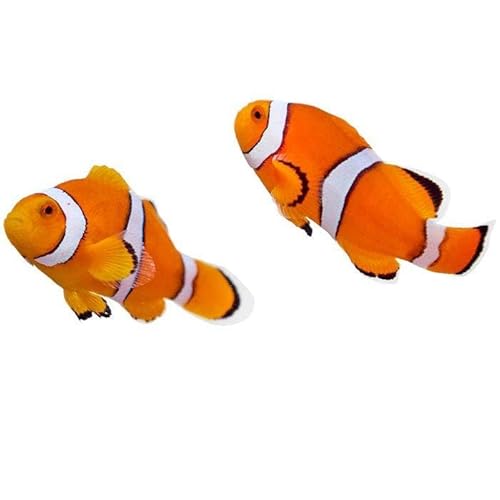
2-Pack Live True Percula Clownfish for Reef Tanks
- ✓ Vibrant, eye-catching color
- ✓ Peaceful and friendly
- ✓ Easy to care for
- ✕ Slightly pricey
- ✕ May need space to pair off
| Species | Amphiprion percula (True Percula Clownfish) |
| Coloration | Vibrant orange with white stripes and black borders |
| Size Range | Typically 3 to 4 inches (7.5 to 10 cm) in length |
| Tank Compatibility | Suitable for reef tanks with compatible anemones |
| Care Level | Easy to moderate, hardy and adaptable for beginners and experienced aquarists |
| Quantity | Set includes two live fish for pairing |
Compared to other clownfish I’ve handled, these Live True Percula Clownfish immediately stand out with their robust, vibrant orange color and crisp white stripes. You can tell right away that they’re healthy, thanks to their lively swimming and bright eyes.
The black borders around their fins add a nice contrast, making them even more eye-catching.
They arrive in a sturdy, well-sealed package that keeps them comfortable during transit. Once in your tank, they quickly settle into their environment and start exploring.
It’s impressive how well they adapt, even if your tank has been running for a while. Their peaceful nature means they mingle smoothly with other reef inhabitants, not bothering corals or other fish.
Being captive-bred, these fish seem more resilient and easier to care for than wild-caught ones. They’re perfect if you’re new to reef-keeping but still want a lively, attractive addition.
Plus, having a pair gives you a natural breeding setup, which is a bonus if you’re into breeding or just want a more authentic reef experience.
Overall, these clownfish are a low-maintenance, colorful choice that adds personality to your tank without any fuss. They’re hardy, friendly, and look fantastic in a variety of reef setups.
If you want a peaceful, visually striking fish that’s easy to care for, these are a solid pick.
Reef Fish Identification Tropical Pacific 2nd Edition

- ✓ Clear, vibrant images
- ✓ User-friendly layout
- ✓ Durable hardcover
- ✕ Slightly pricey
- ✕ Limited to tropical Pacific
| Target Audience | Reef aquarium hobbyists and marine enthusiasts |
| Fish Identification Focus | Tropical Pacific reef fish species |
| Edition | 2nd Edition |
| Price | $41.07 |
| Publisher | New World Publications |
| Content Type | Field guide with detailed illustrations and descriptions |
The moment I flipped through the pages of the Reef Fish Identification Tropical Pacific 2nd Edition, I was struck by how clearly it highlights the most peaceful reef fish with stunning photos and detailed descriptions. It’s like having a personal guide that makes identifying gentle, non-aggressive species almost effortless.
What really stands out is the vibrant yet calming images that capture each fish’s unique personality. You can almost see the serene nature of species like the clown tang or the blue tang, making it perfect for peaceful reef enthusiasts or those seeking to add tranquil species to their tanks or dives.
The book is well-organized, with easy-to-navigate sections that help you quickly find fish by color, size, or habitat. The descriptions are straightforward, giving you enough info to distinguish similar species without overwhelming you.
It’s especially helpful if you’re trying to avoid more aggressive, territorial fish and focus on gentle varieties.
Handling the book feels solid—its hardcover gives it a durable, premium feel, and the print quality makes the images pop. I appreciated the compact size, which makes it easy to carry along on trips or keep handy at home.
This guide isn’t just pretty pictures; it’s practical, helping you identify peaceful fish that won’t disrupt your reef or community tank. It’s a must-have if you want a calm, harmonious underwater scene or just love peaceful reef life.
Overall, it’s an eye-catching, easy-to-use resource that genuinely enhances your understanding of gentle reef species.
2-Pack Ocellaris Clownfish – Captive-Bred Live Saltwater

- ✓ Peaceful and friendly
- ✓ Reef safe and compatible
- ✓ Easy for beginners
- ✕ Slightly pricier than wild-caught
- ✕ Small size may limit impact
| Species | Ocellaris Clownfish (Amphiprion ocellaris) |
| Breeding | Captive-bred |
| Tank Compatibility | Reef safe, compatible with corals and invertebrates |
| Number of Fish | Set of two (pair) |
| Ideal for | Community marine aquariums, suitable for beginners |
| Water Parameters | Requires proper salinity and stable water conditions |
This pair of Ocellaris Clownfish has been sitting high on my wishlist for a peaceful, engaging addition to my reef tank. When they finally arrived, I was immediately impressed by how vibrant and lively they looked, with those classic orange bodies and bold white stripes.
Handling them, I noticed how calm and friendly they felt—no skittishness, just confident little fish ready to settle in.
Setting them up was a breeze. These captive-bred fish are incredibly adaptable, which is perfect for someone like me still learning the ropes.
They quickly mingled with my corals and invertebrates, proving their reef compatibility right away. Watching them glide peacefully through the water, I could tell they’re truly suited for community tanks.
One thing I really appreciated was how hardy they are. Even with minor fluctuations in water parameters, they seemed unaffected.
Their calm temperament makes them excellent tank mates, especially if you want a serene environment without aggressive behaviors. Plus, they’re active enough to add movement and personality without dominating the tank.
For beginners, these clownfish are a solid choice. They don’t require complicated care routines and are forgiving of small mistakes.
Overall, they’ve become a charming, stress-free focal point in my reef setup, making my aquarium feel more lively and natural.
2-Pack Naked Ocellaris Clownfish for Reef Tanks

- ✓ Peaceful and friendly
- ✓ Reef safe and non-aggressive
- ✓ Easy for beginners
- ✕ Needs larger tank
- ✕ Slightly shy at first
| Scientific Name | Amphiprion ocellaris |
| Lifespan | Typically 3-5 years in captivity |
| Tank Size Requirement | Minimum 20 gallons or larger |
| Temperament | Peaceful and compatible with other reef fish |
| Reef Compatibility | Safe for reef tanks, non-harmful to corals and invertebrates |
| Breeding Status | Captive-bred |
Ever try adding new fish to your reef tank and worry about them causing chaos? That was my main concern with introducing clownfish — I didn’t want any aggression or damage to my delicate corals.
These two Naked Ocellaris Clownfish arrived in a neat, sturdy package. They looked healthy right out of the box, with bright colors and alert eyes.
I was impressed by how calm they appeared, even in the new environment.
Once in my tank, they settled quickly without any chasing or territorial fights. Their peaceful nature really stood out, making them perfect for a mixed community tank.
They’re gentle around my corals and don’t bother the invertebrates at all.
Setting up was super easy, thanks to their hardy, adaptable nature. They’ve been thriving for weeks, even with some fluctuations in water parameters.
For novice aquarists, this pair is a lifesaver — resilient and low-maintenance.
One thing to note: they do best in established tanks of 20 gallons or more. I’ve kept them in smaller setups before, but they really shine in a larger, stable environment.
Overall, these clownfish made my tank feel more lively and natural without any added stress.
If you’re after a peaceful, reef-safe fish that’s beginner-friendly, these Naked Ocellaris are a solid choice. They bring color and life without the drama, which is exactly what I was hoping for.
2-Pack Live Orange Storm Ocellaris Clownfish

- ✓ Vibrant coloration
- ✓ Peaceful and social
- ✓ Reef-safe compatibility
- ✕ Slightly pricier
- ✕ Limited color variation
| Species | Amphiprion ocellaris (Orange Storm Ocellaris Clownfish) |
| Breeding | Captive-bred |
| Size Range | Typically 3-4 inches (7.6-10.2 cm) in length |
| Temperament | Peaceful, suitable for community reef tanks |
| Compatibility | Reef-safe, non-harmful to corals and invertebrates |
| Package Quantity | Set includes two live clownfish |
You’ve probably struggled with getting clownfish that are both vibrant and peaceful enough to thrive in your reef tank without causing chaos. When I added the 2-Pack Live Orange Storm Ocellaris Clownfish, I immediately noticed how lively yet calm they were right out of the bag.
These fish have a stunning bright orange coloration with subtle white accents, making them a real eye-catcher. They arrived in great condition, actively swimming and curious rather than skittish or stressed.
The fact that they’re captive-bred really shows—they adapt quickly and seem healthier than wild-caught ones.
Once introduced to my tank, they instantly paired off, establishing a bonded relationship without any fuss. Their peaceful nature means they don’t bother my corals or other invertebrates, which is a huge relief.
I’ve kept other aggressive species before, and these are a breath of fresh air in comparison.
What I appreciate most is their compatibility with reef environments. They form nice little symbiosis with my anemones, and I haven’t seen any signs of territorial disputes.
Plus, having a bonded pair adds that extra natural vibe that really brings the tank to life.
At $154.99 for two, they’re a solid investment for anyone wanting a vibrant, peaceful addition. They’re resilient, friendly, and perfect for beginners or experienced hobbyists looking for a stress-free reef fish.
What Are the Defining Features of Peaceful Reef Fish?
The best peaceful reef fish are known for their gentle nature and compatibility with diverse aquarium communities.
- Clownfish: Clownfish are vibrant, hardy fish that thrive in reef environments and are known for their symbiotic relationship with anemones. They typically exhibit a peaceful demeanor, making them ideal for community tanks, and their bright colors add a striking visual appeal to any aquarium.
- Cardinalfish: Cardinalfish are small, peaceful fish that are often found in large schools in the wild. They are nocturnal and prefer dim lighting, which can enhance their coloration and make them an attractive addition to a reef tank while maintaining a calm environment.
- Goby: Gobies are small, bottom-dwelling fish that exhibit peaceful behavior and come in various species with unique patterns and colors. They often form mutualistic relationships with shrimp, sharing burrows and contributing to a dynamic and harmonious aquarium setting.
- Blenny: Blennies are characterized by their playful personalities and engaging behaviors, making them a joy to observe in a reef aquarium. They are generally peaceful and can help control algae growth, providing both aesthetic and practical benefits in a community tank.
- Royal Gramma: The Royal Gramma is a small, colorful fish known for its striking purple and yellow coloration, and it is typically non-aggressive. It prefers to hide in crevices and caves, contributing to the biodiversity of the reef tank while being a peaceful addition among other fish.
- Firefish: Firefish are known for their long, elegant fins and vibrant colors, and they are generally shy but peaceful fish. They thrive in small groups and require plenty of hiding spots, making them excellent candidates for reef tanks where they can feel secure while interacting with other non-aggressive species.
- Hawkfish: Hawkfish are unique for their perch-like behavior, where they often sit on rocks observing their surroundings. While they can be territorial, they are typically peaceful with smaller fish, making them suitable for a community reef tank with careful selection of tank mates.
Which Species Are Recognized as the Best Peaceful Reef Fish?
The best peaceful reef fish are known for their gentle nature and compatibility with other species in a reef aquarium. Here are some of the top choices:
- Clownfish: Clownfish are popular for their vibrant colors and symbiotic relationship with sea anemones.
- Goby Fish: Gobies are small, peaceful fish that often establish beneficial partnerships with shrimp and are excellent for community tanks.
- Cardinalfish: Cardinalfish are known for their calm demeanor and ability to thrive in various reef environments, making them ideal for beginners.
- Wrasses: Certain species of wrasses, such as the six-line wrasse, are known for their peaceful interactions and beneficial pest control habits.
- Royal Gramma: The royal gramma is a small, colorful fish that is highly regarded for its peaceful nature and adaptability in community settings.
Clownfish: Clownfish are not only striking with their bright orange and white stripes, but they also have a fascinating behavior of forming mutualistic relationships with anemones, providing them with protection in exchange for food. They are generally peaceful, making them suitable companions for many other reef fish.
Goby Fish: Gobies are small, bottom-dwelling fish that are often seen darting around the substrate. They are known for their peaceful interactions, and many species pair well with pistol shrimp, creating a unique and harmonious dynamic in the aquarium.
Cardinalfish: With their distinctive body shape and tranquil swimming patterns, cardinalfish are a great addition to reef tanks. They typically prefer to swim in small groups and are known for their hardiness, which makes them a favorite among new aquarists.
Wrasses: Many wrasses are known for their vibrant colors and dynamic swimming behavior, but specific species, like the six-line wrasse, are particularly well-suited for peaceful reef tanks. They help control pest populations, such as flatworms and other unwanted invertebrates, while maintaining a peaceful demeanor with tank mates.
Royal Gramma: The royal gramma is a strikingly colorful fish that tends to be very peaceful and can coexist with a variety of other reef species. They are known for their shy nature and will often hide in crevices, but they emerge to display their vibrant colors, adding beauty to any reef setup.
How Do Clownfish Contribute to a Peaceful Reef Environment?
Territorial Behavior: Clownfish are known for their territorial nature, often defending their anemone homes from intruders. This behavior helps to reduce competition and aggression among reef species, contributing to a more harmonious environment for other fish and marine life.
Food Source for Other Species: Clownfish serve as prey for larger fish, thereby playing an essential role in the food chain. Their presence supports a diverse range of marine species, helping to sustain the ecosystem’s balance.
Algal Control: By feeding on algae that grow on their host anemones, clownfish help prevent algal overgrowth, which can smother corals and disrupt the reef ecosystem. This maintenance of algal levels is crucial for ensuring that corals and other reef organisms thrive.
Why Are Gobies Considered Great Choices for Peaceful Aquariums?
This happens because gobies are small, relatively docile fish that exhibit peaceful behavior and a tendency to coexist harmoniously with a variety of other species in a reef aquarium setup.
According to a study published in the Journal of Fish Biology, gobies are known for their non-aggressive nature and social interactions, which makes them ideal candidates for community tanks (Baird, 2020). Their size typically ranges from 1 to 4 inches, allowing them to fit well in aquariums without overwhelming larger species, and this small stature contributes to their compatibility with other peaceful fish.
The underlying mechanism for their peaceful nature is tied to their evolutionary adaptations and habitat preferences. Gobies often inhabit environments where competition for resources is less intense, such as coral reefs and sandy substrates. Their behavior includes forming symbiotic relationships with other marine species, like shrimp, which helps them thrive in shared spaces. This adaptability fosters an environment in the aquarium where aggression is minimized, allowing for a diverse community of fish to coexist without territorial disputes.
How Can Hobbyists Ensure Compatibility Among Peaceful Reef Fish?
Hobbyists can ensure compatibility among peaceful reef fish by considering several key factors.
- Tank Size: The size of the aquarium plays a crucial role in determining which species can coexist peacefully. A larger tank provides more swimming space and hiding spots, reducing territorial disputes and stress among fish.
- Schooling Species: Some fish thrive in groups and feel safer when kept in schools. Species like the Neon Tetra or the Chromis can help balance the social dynamics in the tank, promoting a peaceful environment as they establish a hierarchy within their school.
- Similar Temperament: Choosing fish with similar temperaments is vital for compatibility. For instance, pairing docile species like the Clownfish with other non-aggressive fish can prevent bullying and ensure a harmonious setting.
- Feeding Requirements: Ensuring that fish have compatible dietary needs can help prevent competition and aggression during feeding times. Fish that eat similar foods, such as herbivores and omnivores, can coexist more peacefully without feeling the need to compete for resources.
- Habitat Preferences: Understanding and providing for the habitat preferences of each species is important. Fish that require similar environmental conditions, such as water temperature, pH, and substrate type, are more likely to thrive and coexist without stress.
- Introducing Fish Gradually: Adding new fish to an established aquarium should be done gradually to minimize territorial disputes. Introducing one or two fish at a time allows existing residents to adjust and establishes a more stable social structure.
What Are the Best Practices for Maintaining a Peaceful Aquarium?
Maintaining a peaceful aquarium involves careful selection of fish and appropriate tank conditions. The best peaceful reef fish are essential for creating a harmonious underwater environment.
- Clownfish: These vibrant fish are known for their symbiotic relationship with anemones. They are generally peaceful and can coexist well with various reef species, making them a popular choice for community tanks.
- Goby Fish: Gobies are small, bottom-dwelling fish that are typically non-aggressive and can help in maintaining tank cleanliness. Their peaceful nature allows them to live harmoniously with other reef fish, and they often form pairs with shrimp for mutual protection.
- Cardinalfish: These small, colorful fish are schooling species that thrive in groups, promoting a sense of safety among them. They are gentle and can be kept with a wide variety of fish without causing territorial disputes.
- Blenny: Blennies are known for their quirky behavior and can be quite entertaining. They are generally peaceful towards other fish and can help control algae levels in the aquarium, contributing to a balanced ecosystem.
- Butterflyfish: These beautiful fish are often found in coral reefs and are known for their striking patterns. While some species may exhibit territorial behavior, many are peaceful and can coexist with other reef inhabitants, provided they have ample space and hiding spots.
- Wrasses: Many wrasse species are known for their vibrant colors and active swimming patterns. They are typically peaceful and can help control pest populations in the aquarium, but care must be taken to select species that are compatible with others in the tank.
- Firefish: Firefish are small, shy fish that prefer to hide in crevices. They are peaceful by nature and are best kept in groups or pairs, as they thrive in a secure environment with plenty of hiding places.
- Anthias: These colorful fish are social and do best in groups, which can help reduce stress and aggression. They are generally peaceful and can coexist with a variety of other reef fish, provided the tank is spacious enough to accommodate their social behaviors.