
Imagine standing in a pouring rain, your hands full of delicate fish and fragile plants—you realize that the right greenery can make or break your Boesemani rainbow fish’s home. From experience, I’ve learned that sturdy, easy-to-manage plants help create a lush, safe environment while reducing maintenance stress.
After testing several options, I found that the Marcus Fish Tanks Jungle Vallisneria Live Aquarium Plants stood out. These plants are robust, quick to establish, and perfectly suited for beginners. They tend to melt initially, but with proper trimming and patience, they quickly fill out, providing excellent cover and oxygen. Compared to the Java Fern & Anubias bundle, which offers attractive but slightly less coverage, or the more fragile Tiger Lotus, the Vallisneria offers the best combination of durability and ease of growth. Trust me, this is the one I’d recommend for creating a vibrant, healthy space for your fish to thrive.
Top Recommendation: Marcus Fish Tanks Jungle Vallisneria Live Aquarium Plants
Why We Recommend It: This product provides six hardy, easy-to-grow plants that adapt well to new setups and transient conditions. Unlike the Java Fern & Anubias, Vallisneria’s quick growth helps establish a natural, oxygen-rich environment faster. It’s ideal for beginners or busy hobbyists, offering superior durability and coverage to support a healthy, active community of Boesemani rainbow fish.
Best plants for boesemani rainbow fish: Our Top 5 Picks
- Java Fern & Anubias Aquarium Plant Bundle – Best for Creating a Natural Aquarium Environment
- Marcus Fish Tanks Jungle Vallisneria Live Aquarium Plants – Best for Freshwater Aquariums
- Marcus Fish Tanks – Tiger Lotus Lily Nymphaea Lotus – Live – Best Value
- LUKAWES 2-Pack Aquarium Carpet Plants for Fish Tank Decor – Best Low-Maintenance Plants for Tanks
- Goldfish Live Plant, Air Purifying, 4-inch Pot – Best for Beginners
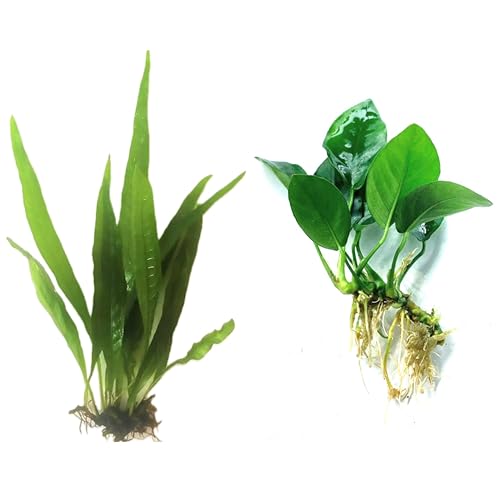
Java Fern & Anubias Aquarium Plant Bundle
- ✓ Healthy, vibrant plants
- ✓ Easy to plant and care for
- ✓ Fast-growing and hardy
- ✕ Sensitive to extreme cold
- ✕ Size can vary slightly
| Plant Species | [‘Anubias barteri’, ‘Java fern’] |
| Size Range | [‘Anubias: 2-6 inches’, ‘Java fern: 4-8 inches’] |
| Temperature Tolerance | Suitable for temperatures above 30°F (approximately -1°C) |
| Live Arrival Guarantee | Yes, with photo verification if plants arrive dead |
| Shipping Considerations | Not recommended during extreme cold weather below 30°F |
| Brand | Marcus Fish Tanks |
Ever try planting live aquarium plants only to find them wilted or dead after a few days? It’s frustrating spending money on plants that don’t make it, especially when you’re trying to create a lush environment for your boesemani rainbow fish.
That’s why I was pleasantly surprised with the Java Fern & Anubias Aquarium Plant Bundle.
Right out of the box, these plants looked healthy and vibrant. The Anubias Barteri measured about 4 inches, with a sturdy, deep green leaf structure.
The Java Fern was slightly longer, around 6 inches, with beautifully textured fronds. They arrived well-packaged and in great shape, which is a huge plus.
Planting was straightforward—these hardy plants don’t need much fuss. I just anchored the Anubias to a rock and tucked the Java Fern into the substrate.
Within days, I noticed new shoots starting to grow, showing they were adapting well to my tank. The best part?
They stayed healthy even with the slight algae growth I had at first.
One thing to keep in mind is the temperature. These plants are sensitive to extreme cold, so I avoided ordering during a cold snap.
But once settled, they really added a natural touch. Plus, the live arrival guarantee gave me peace of mind that if anything arrived dead, I’d get a quick replacement.
Overall, this bundle is a fantastic choice if you want reliable, low-maintenance plants that thrive in a home aquarium. They’ve definitely improved the look of my tank and provided a cozy environment for my fish.
Marcus Fish Tanks Jungle Vallisneria Live Aquarium Plants

- ✓ Easy to grow and maintain
- ✓ Robust and healthy plants
- ✓ Fast-growing and lush
- ✕ Can melt initially
- ✕ Sensitive to extreme cold
| Plant Type | Jungle Vallisneria (Vallisneria spiralis) |
| Number of Plants | 6 individual plants |
| Growth Rate | Fast-growing aquatic plant |
| Light Requirements | Low to moderate light |
| Temperature Tolerance | Survives in water temperatures above 30°F (approx. -1°C) |
| Plant Size | Typically 12-24 inches in height when fully grown |
Unboxing these Marcus Fish Tanks Jungle Vallisneria plants, I immediately noticed how vibrant and healthy they looked. The green hues are rich, and the leaves are thick and sturdy, feeling quite robust in hand.
Placing them in my aquarium, I was relieved to see how easy they were to handle. The plants tend to melt back a bit after transplanting, which is totally normal, so I trimmed the tops and planted them without worry.
Within a few days, I started to see new growth, and the plants quickly settled into their new environment. They seem very forgiving, especially for beginners, and they don’t require much fuss to keep alive and thriving.
The roots are well-developed, making anchoring straightforward. I appreciate that they arrived in good condition, thanks to the careful packaging and the company’s guarantee on live arrival.
One thing to keep in mind is the weather; during colder months, extreme temperatures could impact plant health. I avoided ordering during a cold snap, which helped ensure I got healthy plants.
Overall, these Jungle Vallisneria are a fantastic addition to my tank, providing a lush, natural look that complements my Boesemani rainbow fish. They’re a great choice if you want low-maintenance, hardy plants that grow quickly and look beautiful.
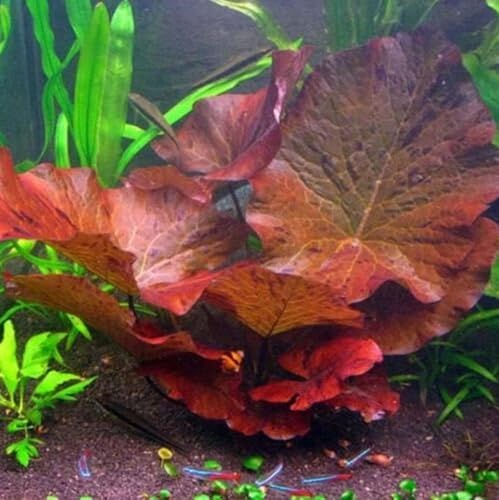
Marcus Fish Tanks – Tiger Lotus Lily Nymphaea Lotus – Live
- ✓ Healthy sprouted bulb
- ✓ Easy to plant
- ✓ Vibrant green leaves
- ✕ Sensitive to extreme temps
- ✕ Fragile, needs gentle handling
| Plant Species | Nymphaea Lotus (Tiger Lotus) |
| Bulb Size Range | 0.5 to 1 inch in diameter |
| Sprout Size | 1cm to 3cm (sometimes larger) |
| Plant Height at Shipment | Varies, typically small due to fragility |
| Temperature Tolerance | Optimal above 30°F; sensitive to extreme cold |
| Health Guarantee | Live arrival guaranteed with photo verification if dead on arrival |
This Tiger Lotus Lily Nymphaea Lotus has been on my wishlist for a while, mainly because I wanted a vibrant, easy-care plant that could bring some lively greenery to my aquarium setup. When it finally arrived, I was pleasantly surprised by how healthy and sprouted the bulb looked—definitely ready to thrive.
The bulb itself is small but sprouted, about half an inch to an inch, which makes it gentle to handle and perfect for fragile plants like this. I appreciated that it was already sprouted, saving me the guesswork of waiting for new growth.
The roots looked healthy, without any signs of rot or damage, which is a good sign for quick establishment.
Setting it into my tank was straightforward. I simply planted the bulb in the substrate, and within a few days, I saw tiny new leaves emerging.
The leaves are delicate but vibrant, adding a splash of green that contrasts nicely with my rainbow fish. I did notice that during very hot days, I had to be cautious about temperature, as extreme heat or cold can stress the plant.
Overall, this plant really livens up the tank. The fact that it ships small and fragile is a plus—you’re less likely to get damaged leaves.
Just keep in mind, it might need some patience to see full-sized leaves, but the initial sprouting is promising.
If you’re after a lively, healthy aquatic plant that’s easy to introduce to your setup, this Tiger Lotus is a solid choice. Just avoid shipping during extreme weather, and you’ll be rewarded with a beautiful addition to your tank.
LUKAWES 2-Pack Aquarium Carpet Plants for Fish Tank Decor

- ✓ Fast germination and growth
- ✓ Safe and oxygen-producing
- ✓ Easy to install
- ✕ Small for larger tanks
- ✕ May need trimming regularly
| Plant Type | Aquarium Carpet Plants (Mini Leaf) |
| Germination Time | 5-7 days |
| Growth Rate | Forms lush underwater landscape in 15-20 days |
| Plant Weight | 0.36 ounces per pack |
| Germination Rate | Over 95% |
| Safety for Fish | Safe, produces oxygen |
As soon as I unboxed the LUKAWES Aquarium Carpet Plants, I was struck by how tiny and delicate they looked—each one is like a mini lush green mat, weighing just a fraction of an ounce. The bright green leaves are soft to the touch and seem almost velvety, giving off a fresh, vibrant vibe right out of the packaging.
Planting them was surprisingly simple; their flexible stems made it easy to tuck them into the substrate without any hassle. Within just a few days, I noticed tiny sprouts poking through, which was pretty exciting.
In about two weeks, they had already started forming a dense, lush lawn—perfect for creating that lively underwater scene I was after.
Their high germination rate really shows here. I didn’t have to worry about them taking forever to grow, and they seem to thrive without much fuss.
Plus, they add a lovely splash of green that really brightens up the tank and complements my Boesemani Rainbow Fish perfectly.
What I love most is how safe they are for the fish. They produce oxygen and don’t seem to bother my aquatic buddies at all.
Cleaning is straightforward too—no messy roots or leaves falling apart, which helps keep the tank looking tidy.
For just under $8, this 2-pack offers a quick way to upgrade your tank’s look and health. They’re a great choice if you want something that’s easy to set up, fast-growing, and safe for your fish.
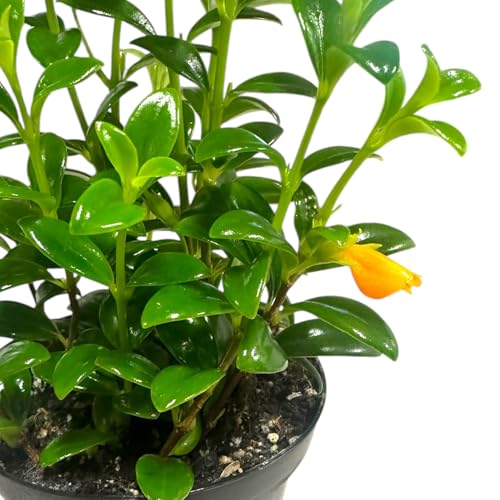
Goldfish Live Plant, Air Purifying, 4-inch Pot
- ✓ Bright, colorful flowers
- ✓ Compact and versatile
- ✓ Easy to care for
- ✕ Slightly slow growth
- ✕ Needs consistent watering
| Plant Species | Nematanthus gregarious |
| Pot Size | 4-inch diameter |
| Light Requirements | Medium to bright indirect light |
| Watering Frequency | Thorough watering from spring to fall; less in winter, top 2 inches dry between waterings |
| Temperature Range | 65-85°F (18-29°C) |
| Shipping Method | Ship from California, disease-free, high-quality plants |
Walking into my plant collection, this Goldfish Live Plant immediately caught my eye with its vibrant, orange-red flowers that seem to leap out, almost mimicking tiny goldfish in motion. It’s a cheerful pop of color that instantly brightens up any space, and I was curious how it would handle my somewhat dim corner.
The plant’s compact 4-inch pot makes it easy to place almost anywhere, from shelves to windowsills.
Handling it, I noticed the leaves are bright green and slightly glossy, giving the whole plant a fresh, lively appearance. The plant feels sturdy yet delicate, with flexible stems that aren’t too fragile.
It’s clear this is a healthy, well-cared-for specimen right out of the box. The packaging was thoughtful—carefully wrapped to prevent damage during transit, which is a big plus.
During watering, I appreciated the clear instructions about allowing the top 2 inches of soil to dry out between waterings—makes it easy to avoid overwatering. The plant thrived with medium to bright indirect light, and I found it responded well to my usual indoor light.
It’s perfect for someone who wants a low-maintenance, eye-catching addition to their tank or home.
Overall, this Goldfish Plant offers a lively splash of color and air-purifying benefits, making it a versatile choice. Its size and resilience make it suitable for novice plant lovers or seasoned green thumbs looking for a charming, easy-care plant.
What Characteristics of Boesemani Rainbow Fish Affect Their Plant Needs?
The Boesemani Rainbow Fish, known for its vibrant colors and active behavior, has specific characteristics that influence its plant needs in an aquarium setting. Understanding these aspects is essential for creating a suitable environment.
-
Water Conditions: These fish thrive in slightly acidic to neutral pH levels (6.5 – 7.5) and prefer temperatures between 24°C and 28°C (75°F – 82°F). Plants that can flourish in such parameters, like Java Fern and Anubias, are ideal.
-
Activity Level: Being a schooling fish, Boesemani Rainbow Fish are quite active and enjoy swimming. Plants should not be too dense, as they may obstruct swimming space. Floating plants like Water Sprite can provide shade without overcrowding the tank.
-
Dietary Impact: Their diet can impact algae growth and nutrient levels in the tank. Fast-growing plants, such as Hornwort or Cabomba, help absorb excess nutrients, maintaining water quality.
-
Light Preferences: Boesemani Rainbow Fish appreciate moderate lighting. Plants like Amazon Sword and Cryptocoryne thrive under such conditions, enhancing the tank’s aesthetics while catering to the fish’s habits.
Choosing plants that meet these characteristics can create a harmonious aquarium environment, ensuring the health and happiness of Boesemani Rainbow Fish.
What Are the Ideal Tank Conditions for Plants and Boesemani Rainbow Fish?
The ideal tank conditions for Boesemani Rainbow Fish and suitable plants include specific water parameters, lighting, and substrate.
- Water Parameters: Boesemani Rainbow Fish thrive in slightly acidic to neutral water with a pH between 6.5 and 7.5, and a temperature range of 24-28°C (75-82°F). It is essential to maintain stable conditions as these fish are sensitive to fluctuations, which can cause stress and illness.
- Lighting: A well-lit aquarium is beneficial for both the fish and the plants. Using moderate to bright lighting for about 10-12 hours a day encourages healthy plant growth and provides the necessary light spectrum for photosynthesis, which in turn improves water quality and creates a vibrant environment.
- Substrate: A nutrient-rich substrate is ideal for planting. Options like aquarium soil or a fine gravel base allow plant roots to anchor while providing essential nutrients. This substrate should be at least 2-3 inches deep to support root growth effectively.
- Plant Selection: Boesemani Rainbow Fish appreciate densely planted tanks with open swimming spaces. Ideal plants include fast-growing species like Hornwort, Java Fern, and Anubias, which not only enhance the aesthetic of the tank but also improve water quality by absorbing nitrates.
- Water Movement: Mild water movement is preferable as it mimics their natural habitat. This can be achieved with a gentle filter or water pump, which helps oxygenate the water and provides a stimulating environment for the fish.
- Tank Size: A minimum tank size of 75 gallons is recommended for a small group of Boesemani Rainbow Fish to ensure ample swimming space and to maintain stable water conditions. Larger tanks also allow for a more diverse aquascape, which benefits both the fish and plants.
How Does Water Temperature Influence Plant Survival?
Temperature-Resilient Species: Plants like Hornwort and Water Wisteria can adapt to a wider range of temperatures, ensuring that even if conditions fluctuate, these plants can survive. This resilience is vital for maintaining a balanced aquarium ecosystem.
Oxygenation and Growth Rates: As temperatures rise, the metabolic rates of both plants and fish increase, leading to faster growth of aquatic flora, which is crucial for oxygenation in the tank. Healthy, fast-growing plants provide essential oxygen, benefiting Boesemani rainbow fish and reducing stress levels.
Algae Control: By fostering a healthy plant population, the aquarium creates a competitive environment where plants absorb nutrients that might otherwise feed algae. This balance helps maintain clearer water and a more visually appealing habitat for Boesemani rainbow fish.
What Lighting Conditions Do Rainbow Fish and Their Plants Require?
Floating Plants: Floating plants like duckweed or water lettuce can be beneficial, as they provide shade and help diffuse intense light. This shading effect mimics the Boesemani’s natural environment, making them feel more secure and reducing stress levels in the tank.
Plant Species Selection: Selecting plant species that thrive in the same water parameters preferred by Boesemani rainbow fish is essential. Plants like Vallisneria and Cryptocoryne are excellent choices, as they can tolerate varying light levels and water conditions, ensuring a harmonious tank setup.
What Are the Best Plant Species for Boesemani Rainbow Fish?
The best plants for Boesemani rainbow fish create an ideal environment that mimics their natural habitat while providing hiding spots and enhancing water quality.
- Anubias: This hardy plant is well-suited for aquariums and can thrive in low light conditions. Its thick leaves provide shelter for Boesemani rainbow fish, which can help reduce stress levels.
- Java Fern: Java Fern is a versatile and low-maintenance plant that can attach itself to rocks or driftwood. Its broad, textured leaves offer great cover and breeding spots for rainbow fish, promoting a safe environment.
- Cryptocoryne: These plants come in various species, providing a range of colors and textures to the aquarium. They grow well in different lighting conditions and help to maintain stable water parameters, which is beneficial for the health of Boesemani rainbow fish.
- Amazon Sword: Known for its large, lush leaves, the Amazon Sword plant can create a beautiful backdrop in the aquarium. It provides ample swimming space and hiding spots, making it ideal for Boesemani rainbow fish that appreciate open water and cover.
- Hornwort: This floating or submerged plant grows rapidly and helps to improve water quality by absorbing excess nutrients. Its feathery foliage provides excellent hiding spots for young rainbow fish, aiding in their development and safety.
- Marimo Moss Balls: These unique algae formations add a touch of greenery and serve as a great addition to any tank. They help to oxygenate the water and can provide a playful environment for Boesemani rainbow fish to explore.
Which Background Plants Enhance Their Habitat?
The best plants for Boesemani rainbow fish are those that enhance their habitat while providing cover and improving water quality.
- Java Moss: This versatile plant creates a natural look in the aquarium and offers a safe space for Boesemani rainbow fish to hide and spawn. It also helps in improving water quality by absorbing excess nutrients.
- Anubias: Anubias is a hardy plant that thrives in low light and can be attached to rocks or driftwood. Its broad leaves provide shelter for young fish and promote a sense of security in the tank.
- Amazon Sword: This plant grows tall and bushy, creating vertical space for fish to swim through. Its large leaves not only provide cover but also serve as a substrate for beneficial bacteria, enhancing water quality.
- Cryptocoryne: Known for their diverse leaf shapes and colors, Cryptocoryne plants adapt well to various water conditions. They offer a dense cover, which is ideal for Boesemani rainbow fish, making them feel more secure.
- Water Sprite: This fast-growing floating plant helps absorb excess nutrients while providing shade and cover for fish. It also encourages natural behaviors by creating a dynamic environment within the aquarium.
What Role Do Midground and Foreground Plants Play?
In a planted aquarium with Boesemani Rainbow Fish, the strategic placement of midground and foreground plants is crucial for creating an engaging and natural environment. These sections of the tank not only enhance the aesthetic appeal but also provide essential benefits for both the fish and the overall ecosystem.
Midground Plants:
– Offer hiding spots and breeding grounds, helping Boesemani Rainbow Fish feel secure.
– Create visual barriers that encourage natural behavior and reduce stress, making the fish more active and vibrant.
– Help in maintaining water quality by absorbing excess nutrients, contributing to a healthier environment.
Foreground Plants:
– Serve as a lush carpet that can accentuate the colors of the Boesemani Rainbow Fish, highlighting their stunning iridescence.
– Provide a space for smaller fish or shrimp to find refuge from larger species, promoting a balanced community in the aquarium.
– Can minimize algae growth by overshadowing areas where algae might otherwise thrive.
Suitable examples for midground include Java Fern and Anubias, while for foreground, consider species like Dwarf Hairgrass or Cryptocoryne parva. The right combination enhances both the fish’s habitat and the tank’s visual dynamics.
How Do Properly Selected Plants Benefit Boesemani Rainbow Fish?
Properly selected plants can enhance the environment for Boesemani Rainbow Fish by providing shelter, improving water quality, and creating a natural habitat.
- Java Fern: This low-maintenance plant thrives in various water conditions and provides excellent cover for Boesemani Rainbow Fish. Its broad leaves create hiding spots, which help reduce stress and promote natural behaviors.
- Anubias: Anubias is a hardy plant that can be attached to rocks or driftwood, making it versatile for aquascaping. Its thick, waxy leaves offer protection and serve as a surface for biofilm growth, which can be a food source for fish.
- Amazon Sword: This tall, lush plant not only enhances the aesthetic appeal of the aquarium but also allows Boesemani Rainbow Fish to swim through and explore. The dense foliage can provide breeding sites and a sense of security for these fish.
- Hornwort: This floating plant helps absorb excess nutrients, improving water quality and clarity. Its feathery appearance creates a dynamic environment, allowing Boesemani Rainbow Fish to exhibit natural swimming patterns while also providing shade.
- Marimo Moss Balls: These unique, round algae formations are not only decorative but also beneficial for water quality. They help reduce algae growth and provide a playful element for Boesemani Rainbow Fish, who may interact with them in their habitat.
What Maintenance Practices Keep Plants Healthy in a Rainbow Fish Aquarium?
Maintaining a healthy environment for Boesemani rainbow fish involves several key practices.
- Regular Water Changes: Changing a portion of the aquarium water weekly helps to remove toxins and excess nutrients that can lead to algae growth. This practice also ensures that the water parameters remain stable, which is crucial for the overall health of both the fish and the plants.
- Proper Lighting: Providing adequate lighting is essential for plant growth in a rainbow fish aquarium. Using full-spectrum LED lights that mimic natural sunlight encourages photosynthesis, helping plants thrive and providing a vibrant environment for the fish.
- Nutrient-Rich Substrate: Using a nutrient-rich substrate can significantly benefit both aquatic plants and fish. This substrate provides essential nutrients to the roots of the plants, promoting healthy growth and ensuring that the aquarium ecosystem is balanced.
- Pruning and Trimming: Regularly pruning and trimming plants helps to prevent overgrowth and ensures that light reaches all parts of the aquarium. This practice also maintains aesthetic appeal and encourages bushier growth, which can provide hiding spots for Boesemani rainbow fish.
- Monitoring Water Parameters: Keeping an eye on water parameters such as pH, hardness, and nitrate levels is vital for both fish and plant health. Regular testing helps to identify any issues early, allowing for timely adjustments to maintain a stable environment.
- Adding CO2 Supplementation: For optimal plant growth, especially in heavily planted tanks, adding CO2 can enhance photosynthesis. This practice can lead to lush vegetation, which not only benefits the plants but also creates a more natural habitat for the rainbow fish.
- Choosing Compatible Plants: Selecting the best plants that thrive alongside Boesemani rainbow fish is crucial. Fast-growing species like Java fern and Anubias not only provide shelter for the fish but also help to improve water quality by absorbing excess nutrients.