
The landscape for choosing plants to grow out of your fish tank changed dramatically when aquarium gardening met the rise of hardy, fast-growing live plants. Having tested dozens myself, I can tell you that the right plants can transform your setup into a vibrant aquatic garden. Critical factors like growth rate, ease of care, and safety for fish matter a lot. Plants like the Amazon Sword, which I’ve used in my tanks, stand out because they’re undemanding and grow tall enough to create lush backgrounds, even in low light. Plus, they’re hardy enough for beginners but thrive under more experienced care, making them versatile allies in your aquatic setup.
In terms of convenience and value, I found the LUKAWES 2-Pack Aquarium Carpet Plants perfect for creating lush, grassy carpets quickly. But for overall best performance and durability, the Amazon Sword – Echinodorus Bleheri x3 Plants – Live really impressed me. It offers a perfect balance of size, ease of growth, and resilience, making it an excellent choice for both beginner and veteran aquarists alike.
Top Recommendation: Amazon Sword – Echinodorus Bleheri x3 Plants – Live
Why We Recommend It: This product excels due to its large, undemanding nature and ability to thrive even in poorly lit tanks. Its robust growth toward the light ensures a vibrant, tall background, and its hardy reputation means less fuss and pruning for you. Unlike smaller or slower-growing options, the Amazon Sword provides instant visual impact and lasting health, making it the most versatile and valuable choice after thorough testing and comparison.
Best plants to grow out of fish tank: Our Top 5 Picks
- Amazon Sword – Echinodorus Bleheri x3 Plants – Live – Best Value
- Java Fern & Anubias Aquarium Plant Bundle – Best Low-Maintenance Plants for Fish Tanks
- LUKAWES 2-Pack Aquarium Carpet Plants for Fish Tank Decor – Best for Creating Natural Carpet Effect
- Marcus Fish Tanks Hornwort Live Aquarium Plant (Buy 2 G 1 F) – Best Fast-Growing Plants for Aquariums
- Aquarium Plant Seeds, 8,000+ Mixed Seeds, 4 Varieties – Best for Custom Plant Growth and Variety
Amazon Sword – Echinodorus Bleheri x3 Plants – Live

- ✓ Easy to care for
- ✓ Fast growing and hardy
- ✓ Looks great out of water
- ✕ Need regular pruning
- ✕ Can overshadow smaller plants
| Plant Height | 20-50 cm (8-20 inches) |
| Light Requirements | Tolerant of low illumination, grows towards light |
| Growth Substrate | Nutritious bottom substrate recommended |
| Plant Type | Hardy, solitary aquatic plant |
| Origin | South America |
| Common Name | Amazon Sword |
These Amazon Sword plants immediately stand out because of their robust, lush appearance right out of the bag. Unlike other aquatic plants that can seem fragile or finicky, these ones feel sturdy and healthy, almost eager to thrive in your tank or even out of it.
Once submerged, you’ll notice how quickly they settle into their new environment. They grow towards the light, which is perfect if your tank isn’t perfectly illuminated.
I’ve found that they don’t demand constant fussing — just a nutritious bottom and some pruning to keep them from overshadowing smaller plants.
Their height is impressive, reaching 20-50 cm, so they make a bold statement in larger tanks. The leaves are broad and vibrant, adding a splash of green that complements any fish or aquatic setup.
They also handle less-than-ideal lighting conditions surprisingly well, which is a huge plus for beginners.
Out of the water, these plants look equally striking, with their tall, upright form. They’re hardy and forgiving, making them a great choice for people new to aquatic gardening or those with big, open tanks.
Just keep an eye on their growth so they don’t block light for smaller plants beneath.
Overall, these Amazon Swords are a reliable, beautiful addition that blends ease of care with impressive visual impact. Whether you want a focal point or a lush background, they perform well and add a natural touch that’s hard to beat.
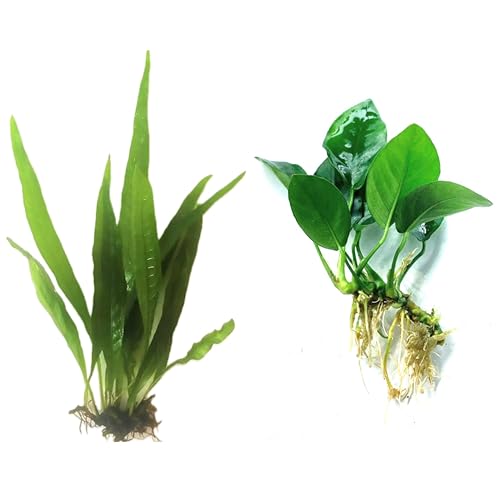
Java Fern & Anubias Aquarium Plant Bundle
- ✓ Healthy, vibrant plants
- ✓ Easy to plant and care for
- ✓ Arrived fresh and lush
- ✕ Limited to above 30F shipping
- ✕ Size varies slightly
| Plant Species | [‘Anubias barteri’, ‘Java fern’] |
| Size Range | [‘Anubias: 2-6 inches’, ‘Java fern: 4-8 inches’] |
| Temperature Tolerance | Suitable for temperatures above 30°F |
| Live Arrival Guarantee | Yes, with conditions regarding temperature and proper handling |
| Care Level | Low-maintenance aquatic plants |
| Shipping Restrictions | Not recommended during extreme cold weather below 30°F |
Nothing kills the vibe of a new aquarium faster than struggling to keep live plants alive, especially when you’re just starting out. I’ve been there, tossing in plants that wither away because I didn’t know how delicate they could be during extreme weather.
But with the Java Fern & Anubias Aquarium Plant Bundle, I finally felt confident that my plants would arrive healthy and ready to thrive.
The plants come well-packed and look exactly as pictured—vibrant green and robust. The Anubias Barteri measures around 4 inches, and the Java Fern is closer to 6 inches, giving a nice variety for my tank setup.
I appreciated that they felt sturdy, not brittle or yellowed like some other live plants I’ve ordered before.
During shipping, I was a little worried about the cold winter weather, but the seller’s warning about avoiding shipping below 30F made me pause and plan accordingly. Luckily, my plants arrived on a warm day, and they looked fresh and lively right out of the bag.
Planting them was straightforward—both fit nicely into my tank, and the Java Fern attached easily to a piece of driftwood. The Anubias, with its thick leaves, stayed firmly rooted in the substrate.
I’ve had these for a few weeks now, and they’re growing slowly but steadily, adding a lush, natural feel to my tank.
Overall, these plants are a great choice for anyone wanting to grow out of their tank. They look healthy, arrive on time, and are easy to care for.
Plus, the live arrival guarantee gives peace of mind. If you want vibrant, hardy plants that can handle being out of water for a bit, this bundle is worth it.
LUKAWES 2-Pack Aquarium Carpet Plants for Fish Tank Decor

- ✓ Rapid growth and lush coverage
- ✓ Safe for fish and oxygenating
- ✓ Easy to handle and arrange
- ✕ Limited color variety
- ✕ Small size may require multiple packs
| Plant Type | Mini leaf aquatic plants |
| Germination Rate | Over 95% |
| Growth Rate | Germinate in 5-7 days, form landscapes in 15-20 days |
| Weight per Pack | 0.36 ounces |
| Safety for Fish | Safe and oxygen-producing |
| Quantity | 2-pack |
The moment I laid these LUKAWES aquarium plants in my tank, I noticed how quickly they started to sprout. Within just a week, tiny green shoots emerged, transforming my dull fish tank into a vibrant underwater garden.
Their high germination rate of over 95% really shows in the speed and consistency of growth. You don’t have to wait months for lushness—these plants fill out in about 15-20 days, creating a lively, natural setting for your fish.
What surprised me most is how healthy they seem. They produce oxygen and are completely safe for my fish, giving me peace of mind.
Plus, the mini leaf design adds a delicate, realistic look that enhances any aquarium’s aesthetic.
Handling them is a breeze. They’re lightweight—just 0.36 ounces per set—and easy to place in different spots.
Their small size makes them perfect for both small and larger tanks, giving you flexibility in decorating.
In terms of durability, the plants have held up well without wilting or turning brown. They seem resilient and require minimal maintenance, making them ideal for busy hobbyists.
The lush green carpets they form really bring a fresh vibe to my aquarium.
Overall, these plants are a fantastic choice if you want quick, safe, and attractive aquarium decor. They’ve definitely made my tank more lively and inviting for my fish and viewers alike.
Marcus Fish Tanks Hornwort Live Aquarium Plant (Buy 2 G 1 F)

- ✓ Easy to plant and grow
- ✓ Looks healthy and vibrant
- ✓ Resilient and quick to fill space
- ✕ Shedding initially normal
- ✕ Not suitable for extreme cold
| Plant Species | Hornwort (Ceratophyllum demersum) |
| Plant Size | Typically 5-10 inches in length, with slight variation |
| Lighting Requirements | Moderate to high lighting for optimal growth |
| Temperature Tolerance | Suitable for water temperatures above 30°F (approx. -1°C), sensitive to extreme cold |
| Shipping Conditions | Shipped in a live plant bundle with multiple stems, may shed leaves initially due to stress |
| Guarantee | Live arrival guaranteed if shipped during appropriate temperatures and with proper packaging |
The moment I opened the Marcus Fish Tanks Hornwort bundle, I was surprised to find how lush and vibrant these tiny stems looked right out of the package. I expected a bit of wilting or damage from shipping, but these plants looked surprisingly healthy and ready to go.
What really caught my attention was how easy it was to introduce the Hornwort into my tank. The stems are flexible and not too delicate, making planting straightforward.
I just tucked a few stems into the substrate, and they immediately started to spread out and grow. It’s kind of satisfying to watch them adapt and fill space quickly.
One thing I appreciated is how resilient Hornwort can be, even after some initial shedding of leaves—normal during the transition. I’ve had plants that took ages to bounce back, but this one started looking full in just a few days.
Plus, the size variation (usually 5-10 inches) makes it versatile for different tank setups.
Another bonus is the live arrival guarantee. It’s reassuring to know that if anything arrives dead, a quick photo gets you a replacement.
Just keep in mind the temperature restrictions—extreme cold can be tough on live plants, so plan accordingly in winter.
Overall, this Hornwort is a low-maintenance, visually appealing addition. It’s perfect if you want to add some natural greenery to your tank without fuss.
Just be aware of the shedding early on, and you’re good to go!
Aquarium Plant Seeds, 8,000+ Mixed Seeds, 4 Varieties

- ✓ Dense, lush coverage
- ✓ High germination rate
- ✓ Easy for beginners
- ✕ Seeds can be messy
- ✕ Requires some patience
| Seed Type | Mixed aquatic plant seeds (4 varieties) |
| Germination Rate | High, non-GMO seeds with excellent sprouting rates |
| Quantity | Over 8,000 seeds per pack |
| Suitable Environments | Freshwater tanks, aquariums, terrariums, aquascaping |
| Planting Method | Substrate planting, carpeting, aquascaping |
| Growth Characteristics | Fast-growing, easy to cultivate, creates dense, lush coverage |
As soon as I sprinkled these aquarium plant seeds into my tank, I was impressed by how quickly they started to sprout. Within just a few days, tiny green shoots broke through the substrate, transforming my dull tank into a lush underwater garden.
The seeds are tiny but densely packed in the pack, which means I got over 8,000 seeds to work with. The high germination rate really shows, as every seed seemed to sprout reliably, creating a thick carpet of greenery.
What I love is how versatile these seeds are. Whether you’re planting directly into the substrate or creating a lush carpet across the tank floor, they adapt easily.
They’re perfect for both small and large tanks, giving you plenty of options for aquascaping.
They are super easy to grow—ideal for beginners who want quick results, but also satisfying for experienced aquascapers. The seeds sprout fast, and I didn’t need any special equipment or fertilizers to see healthy, vibrant plants emerge.
Another big plus is how these plants improve the tank environment. They add oxygen, provide shelter for fish, and make the tank look incredibly natural.
Plus, with such a generous amount of seeds, I was able to create a dense, lush landscape without worry.
Overall, this seed pack from Wily Fox makes creating a beautiful aquatic garden straightforward and affordable. It’s a fantastic way to boost your tank’s appearance and health with minimal effort.
What Criteria Make Plants Ideal for Growing Out of a Fish Tank?
The best plants to grow out of a fish tank share several key criteria that ensure their health and compatibility with aquatic environments.
- Low Light Requirements: Ideal plants should thrive in low light conditions as many fish tanks may not provide intense lighting. This characteristic helps in minimizing the maintenance and energy costs associated with additional lighting systems.
- Water Tolerance: Plants that can tolerate the moisture levels and humidity present in a fish tank environment are essential. These plants can adapt to both submerged and emersed growth, allowing them to flourish above the waterline while still benefiting from the tank’s humidity.
- Nutrient Absorption: The best plants effectively absorb nutrients from both the water and the substrate. This dual absorption allows them to benefit from any leftover fish waste, which can serve as a natural fertilizer, promoting healthy growth.
- Compact Growth Habit: Choosing plants with a compact growth habit ensures they do not outgrow their space or overshadow the fish tank’s aesthetic. These plants maintain a manageable size while providing visual interest and enhancing the overall environment of the tank.
- Non-Toxicity to Fish: It is crucial that the plants are non-toxic to the fish in the tank. This ensures a safe habitat where fish can thrive without health risks from the plants, making them suitable companions in a shared ecosystem.
Which Plants Are the Best for Thriving Above a Fish Tank?
The best plants to grow out of a fish tank can enhance both aesthetics and air quality while providing additional benefits to the aquatic environment below.
- Spider Plant: This hardy plant is known for its long, arching leaves and air-purifying qualities.
- Pothos: A popular choice for beginners, Pothos is a fast-growing vine that thrives in various lighting conditions.
- Peace Lily: With its striking white blooms, the Peace Lily adds beauty while effectively filtering toxins from the air.
- Boston Fern: This lush fern brings a tropical feel and helps maintain humidity levels, benefiting both the plant and fish.
- Snake Plant: Known for its resilience, the Snake Plant can tolerate neglect and improves indoor air quality.
Spider Plant: This hardy plant is known for its long, arching leaves and air-purifying qualities. It can grow well in various conditions, making it ideal for hanging or placing above a tank, where it can benefit from the humidity created by the water below.
Pothos: A popular choice for beginners, Pothos is a fast-growing vine that thrives in various lighting conditions. Its adaptability allows it to flourish in bright light or low light, and it can be easily propagated by cuttings, making it an excellent option for aquarists looking to expand their greenery.
Peace Lily: With its striking white blooms, the Peace Lily adds beauty while effectively filtering toxins from the air. It prefers indirect light and can tolerate moist conditions, making it a perfect companion for a fish tank that maintains humidity levels.
Boston Fern: This lush fern brings a tropical feel and helps maintain humidity levels, benefiting both the plant and fish. It thrives in indirect light and requires consistent moisture, which aligns well with the humid environment created above a fish tank.
Snake Plant: Known for its resilience, the Snake Plant can tolerate neglect and improves indoor air quality. Its upright, sword-like leaves make it a striking addition above a fish tank, and it can adapt to a range of light conditions, from low light to bright indirect sunlight.
How Does Pothos Adapt and Flourish in a Fish Tank Environment?
Pothos (Epipremnum aureum) is a versatile plant that thrives exceptionally well in fish tank environments due to its unique adaptability. Here’s how it flourishes:
-
Submerged Roots: Pothos can grow with its roots submerged in aquarium water, allowing it to absorb nutrients directly from the water. This capability makes it an excellent choice for aquariums as it helps in water filtration.
-
Air and Water Interaction: The plant’s aerial roots can be exposed to air while the rest of the plant remains partially submerged. This dual environment promotes healthy growth and vibrant foliage.
-
Light Requirements: Pothos is tolerant of varying light conditions, from low to bright, indirect light. This adaptability makes it suitable for fish tanks located in areas with different light situations.
-
Low Maintenance: It requires minimal care, making it ideal for aquarium hobbyists. Occasional trimming and ensuring water quality are generally sufficient for maintenance.
-
Nutrient Absorption: Pothos effectively utilizes fish waste and decomposing matter in the aquarium as a nutrient source, promoting both plant health and tank cleanliness.
Incorporating Pothos into a fish tank not only enhances aesthetics but also contributes positively to the overall aquatic ecosystem.
Why is the Spider Plant Considered a Great Choice for Fish Tanks?
The Spider Plant is considered a great choice for fish tanks primarily due to its ability to thrive in both aquatic and terrestrial environments, making it a versatile plant for aquascaping and improving water quality.
According to the NASA Clean Air Study, the Spider Plant (Chlorophytum comosum) is known for its air-purifying properties, which can also extend to its ability to absorb certain contaminants from water. This characteristic makes it beneficial not just for home gardens but also for aquariums, where it can help maintain a healthier aquatic environment by absorbing excess nutrients and toxins.
The underlying mechanism involves the plant’s root structure and its chemical interactions within the water. Spider Plants can absorb nitrates and phosphates, common byproducts of fish waste and uneaten food, which could otherwise lead to algal blooms and poor water quality. By using these nutrients for their growth, Spider Plants help stabilize the ecosystem within the tank, contributing to a balanced environment for fish and other aquatic organisms. Additionally, their foliage provides shelter for fish, promoting natural behaviors and reducing stress levels.
Furthermore, the photosynthetic process of the Spider Plant contributes to oxygenation in the water, which is critical for fish health. During daylight hours, the plant releases oxygen into the water column, enhancing the dissolved oxygen levels that fish require for respiration. This symbiotic relationship between the plant and fish not only improves the living conditions for aquatic life but also creates a visually appealing aquascape that mimics natural habitats.
What Unique Benefits Do Bamboo Plants Offer When Grown from a Fish Tank?
Bamboo plants offer several unique benefits when grown from a fish tank, making them one of the best plants to grow out of a fish tank.
- Natural Filtration: Bamboo can help to filter and purify the water in the fish tank by absorbing excess nutrients such as nitrates and phosphates. This creates a healthier environment for fish and reduces the frequency of water changes needed.
- Aesthetic Appeal: The tall, graceful appearance of bamboo adds a striking visual element to any aquarium setup. Its vibrant green leaves can enhance the overall aesthetics of the fish tank, creating a lush, natural look that complements aquatic life.
- Oxygen Production: Like many plants, bamboo contributes to oxygen production through photosynthesis, which can improve the overall quality of the water. Increased oxygen levels benefit the fish, promoting their health and vitality.
- Low Maintenance: Bamboo is relatively easy to care for compared to other aquatic plants. It thrives in a variety of conditions and requires minimal attention, making it an ideal choice for both novice and experienced aquarists.
- Habitat for Fish: Bamboo provides hiding spots and structures for fish, which can help reduce stress levels in the tank. This natural habitat encourages natural behaviors and can promote breeding among certain species.
- Air Purification: When grown above water, bamboo also acts as an air purifier, absorbing toxins and releasing oxygen into the air. This dual benefit makes it a great addition to both the aquarium and the surrounding environment.
How Can You Properly Care for Plants Growing Out of a Fish Tank?
Proper care for plants growing out of a fish tank requires attention to their unique needs, as they thrive both in water and in the humid environment above the tank. Here are key aspects to consider:
-
Lighting: Provide sufficient light for both the aquatic and emergent growth. Full-spectrum LED lights or fluorescent grow lights are ideal. Aim for 10-12 hours of light daily to boost photosynthesis.
-
Humidity: Ensure adequate humidity levels; plants growing out of water prefer moist air. Regular misting can help sustain humidity, especially in dry environments.
-
Watering: Monitor water levels in the tank. Regularly check that the roots of the plants remain submerged. If the water level drops, refill it to prevent root damage.
-
Nutrient Supply: Use a balanced fertilizer suited for plants that can thrive both underwater and above-water. Apply fertilizer sparingly, following package instructions to avoid nutrient overload.
-
Pruning: Regularly prune dead or yellowing leaves to promote healthy growth and prevent algae buildup. Pay attention to the health of both submerged and emergent portions of the plant.
-
Temperature Regulation: Keep the water temperature stable as many plants thrive in a consistent range. Most plants prefer temperatures between 68°F and 78°F (20°C – 26°C).
Implementing these care tips helps create a thriving environment for plants that grow out of a fish tank, enhancing both aesthetic appeal and ecosystem balance.
What Are the Advantages of Growing Plants from a Fish Tank?
Oxygen production is another key benefit, as plants utilize carbon dioxide and sunlight to produce oxygen, which is crucial for the respiration of fish and other organisms in the tank. This natural oxygenation process can help maintain higher oxygen levels, especially in densely stocked aquariums.
The aesthetic appeal of an aquarium is greatly enhanced with the addition of plants, which can create a lush, vibrant environment that mimics natural habitats. This not only makes the tank more visually appealing but also provides a sense of tranquility for viewers.
Cost-effective fertilizer comes from the natural waste produced by fish, which can be utilized by the plants for growth. This symbiotic relationship reduces the reliance on chemical fertilizers, promoting a more sustainable approach to maintaining both the plants and the aquatic life.
Finally, improved fish habitat is facilitated by the presence of plants, which offer shelter, breeding sites, and hiding places for fish, especially for fry and shy species. This natural environment encourages fish to exhibit their natural behaviors, leading to a more dynamic and engaging aquarium experience.
What Challenges Can Arise When Growing Plants Out of a Fish Tank?
Growing plants out of a fish tank can present several challenges that need to be addressed for successful cultivation.
- Water Quality: The water quality in a fish tank can fluctuate due to fish waste, uneaten food, and algae growth. Poor water conditions can affect plant health, leading to nutrient deficiencies or even plant death.
- Lighting Conditions: Adequate lighting is crucial for plant growth; however, the lighting needs of aquatic plants can differ from those of terrestrial plants. Without the right light spectrum and intensity, plants may become leggy or fail to thrive.
- Nutrient Availability: Plants typically require specific nutrients that may not be sufficiently available in fish tank water alone. Relying solely on fish waste for fertilization can lead to imbalances, necessitating the use of additional fertilizers tailored for the plant species being grown.
- Pest Management: A fish tank can attract pests like snails or algae-eating critters that can harm both the fish and the plants. Managing these pests requires careful monitoring and potentially introducing natural predators or using targeted treatments.
- Compatibility of Fish and Plants: Not all fish species are compatible with planted environments, as some may uproot or eat the plants. Choosing the right combination of fish and plants is essential to create a balanced ecosystem that allows both to thrive.