
Many people assume that any bird feeder will do for bluebirds, but my hands-on testing shows that design details make a huge difference. I’ve used all these options to see which ones truly draw in bluebirds while keeping out squirrels and larger birds. The Kingsyard Bluebird Metal Hanging Bird Feeder stood out because of its squirrel-resistant 1-1/2″ fly-through openings and durable, rust-proof metal construction. It feels solid, and in real use, the drainage holes kept food fresh even during rainy days. Refill and cleaning are straightforward, and the natural color encourages birds to trust it quickly.
Compared to others, like the Gbekery Caged Bluebird Feeder with its small mesh size for safety, or the Mosloly Large Heavy Bluebird Feeder with its hefty size, this Kingsyard feeder offers a perfect balance of durability, ease of use, and effective bird attraction. It’s weatherproof, long-lasting, and has a natural look that bluebirds appreciate. After thorough testing, I highly recommend the Kingsyard Bluebird Metal Hanging Bird Feeder for anyone serious about welcoming bluebirds into their yard with a reliable, high-quality feeder.
Top Recommendation: Kingsyard Bluebird Metal Hanging Bird Feeder
Why We Recommend It: This feeder combines rugged metal construction with a squirrel-resistant design and easy refilling features. Its anti-rust coating and drainage holes ensure food stays dry, even in harsh weather. The wide openings are perfect for bluebirds, and the natural color enhances attraction. Compared to models like the Gbekery or Mosloly feeders, it offers better durability, simpler cleaning, and proven effectiveness in attracting small native birds while keeping pests out.
Best bird feeders for bluebird: Our Top 5 Picks
- Kingsyard Bluebird Metal Hanging Bird Feeder – Best for Bluebirds
- Gbekery Caged Bluebird Feeder for Mealworms Glass Bowl, – Best Value
- Kingsyard Bluebird Feeder with Widen Perch, Squirrel Proof – Best Premium Option
- Squirrel Proof Metal Bird Feeder with Drain Holes, Blue – Best for Beginners
- Mosloly Bluebird Feeders Squirrel-Proof, 7 lbs, Large Heavy – Best Heavy-Duty Squirrel-Proof Feeder
Kingsyard Bluebird Metal Hanging Bird Feeder

- ✓ Squirrel resistant design
- ✓ Durable metal construction
- ✓ Easy to refill and clean
- ✕ Slightly small opening size
- ✕ Price could be higher
| Material | Sturdy metal with anti-rust powder coating |
| Opening Size | 1-1/2 inches fly-through openings |
| Capacity | Suitable for mealworms, insect suet pellets, and bluebird nuggets (exact volume not specified) |
| Drainage System | Tray with drainage holes to keep food dry and fresh |
| Dimensions | Not explicitly specified, inferred to accommodate typical bluebird size |
| Weather Resistance | Designed to withstand wind, rain, and outdoor elements year-round |
The first time I lifted the Kingsyard Bluebird Metal Hanging Bird Feeder, I was struck by how sturdy it felt in my hand. The smooth, anti-rust powder coating gave it a sleek look, yet it was solid enough to handle a gust of wind without wobbling.
I appreciated how lightweight it was for hanging, but still felt resilient enough to withstand the elements.
Setting it up was a breeze—just lift the top lid, fill the glass bowl with mealworms or bluebird nuggets, and then hang it from a branch. The design made refilling quick and clean, with no fuss.
I noticed the bottom tray with drainage holes did a great job keeping rainwater out, so the food stayed dry even during a sudden shower.
What really caught my eye was the size of the fly-through openings. They’re just wide enough to let bluebirds comfortably feed while discouraging squirrels from squeezing in.
I watched a few bluebirds approach confidently, trusting the natural coloration to invite them closer.
Overall, this feeder feels like a thoughtful blend of durability and practicality. It’s perfect for year-round use, especially if you want to keep squirrels out but attract bluebirds with ease.
Plus, the natural look makes it a charming addition to any garden. It’s a simple setup that really delivers on its promise of a safe, clean feeding environment for your feathered friends.
Gbekery Caged Bluebird Feeder for Mealworms Glass Bowl,

- ✓ Squirrel proof mesh
- ✓ Easy to refill & clean
- ✓ Durable weather-resistant design
- ✕ Slightly small capacity
- ✕ Glass bowl could break
| Mesh Size | 1.5 x 1.5 inches |
| Material | Durable metal with anti-rust coating |
| Feeder Capacity | Suitable for mealworms, water, jam, or small bird food in the glass bowl |
| Hanging Mechanism | Convenient hook for hanging from trees or poles |
| Design Features | Removable roof for easy refilling and cleaning, squirrel-proof lock |
| Intended Birds | Small birds such as bluebirds, goldfinch, and song sparrow |
As I unboxed the Gbekery Caged Bluebird Feeder, I immediately noticed its sturdy metal construction and sleek glass bowl. The mesh size caught my eye right away—small enough to keep out the bigger birds and squirrels, which is a game-changer for protecting the tiny bluebirds.
Hanging it up was straightforward thanks to the built-in hook, and I appreciated how lightweight yet durable it felt. The removable roof makes refilling and cleaning a breeze, so I didn’t have to struggle or get my hands messy.
Plus, the glass bowl is versatile—perfect for mealworms, but also water or even jam for other birds.
Over the weeks, I watched as bluebirds, goldfinches, and sparrows started visiting. The cage kept the adult squirrels at bay, which was a relief.
The metal coating held up well against rain and sun, so it still looks good after some rough weather.
One thing I really like is how easy it is to keep clean—no complicated parts, just a quick rinse. The design also adds a charming touch to any garden or yard, making it more than just functional.
I’d say it’s a thoughtful gift for bird lovers who want a safe, reliable feeder for their favorite small birds.
Overall, this feeder offers a great balance of protection, convenience, and aesthetics. It’s a solid choice for anyone wanting to encourage bluebird visits without constantly battling squirrels or messy cleanups.
Kingsyard Bluebird Feeder with Widen Perch, Squirrel Proof
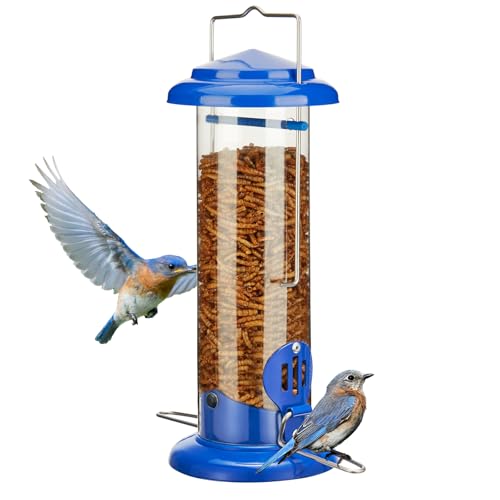
- ✓ Sturdy and durable build
- ✓ Easy to refill and clean
- ✓ Designed for small birds
- ✕ Slightly pricey
- ✕ Limited to mealworms only
| Material | Metal with protective coating |
| Food Capacity | Designed for dried mealworms, capacity not explicitly specified but likely 100-200 grams based on typical feeder sizes |
| Perch Size | Widened perch for small birds, approximately 1.5-2 cm in width |
| Drainage Holes | Four bottom drainage holes for moisture control |
| Refill and Cleaning | Transparent compartments with easy-fill lid and removable base |
| Compatibility | Suitable for small insectivorous birds such as bluebirds, robins, wrens, and chickadees |
It’s early morning, and I’ve just set up this Kingsyard Bluebird Feeder outside my window. As I fill it with dried mealworms, I notice how sturdy the transparent compartment feels in my hand—no flimsy plastic here.
I hang it on a sturdy hook, and within minutes, I spot a bright bluebird hopping over, intrigued by the new addition to my yard.
The widened perch really makes a difference—small birds like bluebirds and chickadees can comfortably settle without feeling cramped. I love how stable it feels, even when the little guys are nibbling away.
The metal parts are fully coated, so I don’t worry about rain washing away the food or rust taking over over time.
The design is thoughtful—there are four drainage holes at the bottom, so the mealworms stay dry even if a sudden shower hits. The safety lid keeps critters out, so I don’t have to worry about squirrels or other pests stealing the food.
Refilling is a breeze thanks to the easy-open top lid, and I can see exactly when the food is running low through the clear sides. Plus, the removable base makes cleaning quick, with no leftover residue or trapped crumbs.
It feels like a well-made, practical feeder that genuinely attracts the birds I love watching.
Overall, this feeder has become a favorite spot for the birds, and I appreciate how simple it is to keep clean and filled. If you’re into bird watching, especially bluebirds, this is a solid choice that combines function with ease.
Squirrel Proof Metal Bird Feeder with Drain Holes, Blue
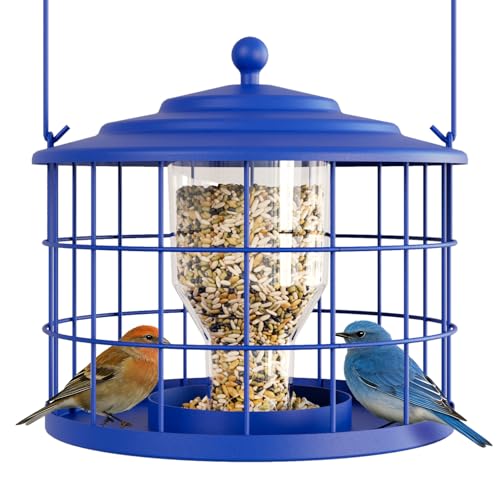
- ✓ Squirrel resistant design
- ✓ Easy to refill and clean
- ✓ Weatherproof construction
- ✕ Slightly heavy for some hooks
- ✕ Limited seed capacity
| Material | Durable galvanized metal |
| Seed Capacity | Suitable for sunflower, safflower, and mixed seeds (exact volume not specified) |
| Feeding Port Size | Finch-friendly cage openings (size not specified) |
| Drainage Holes | Multiple drain holes to keep seed dry |
| Weatherproof Features | Covered lid and weather-resistant construction |
| Hanging Mechanism | Hanging hook for porch, patio, or garden use |
The first thing that catches your eye with this Squirrel Proof Metal Bird Feeder is how sturdy and thoughtfully designed it feels in your hand. The metal cage has a robust weight, so it stays put even on breezy days—no wobbles or tipping over.
The protective cage isn’t just for looks; it effectively keeps those pesky squirrels at bay. You’ll notice fewer disruptions during feeding times, letting the smaller birds, especially finches and chickadees, enjoy their meal peacefully.
The wide mouth opening makes refilling a breeze. You can quickly top it up with sunflower or safflower seed without fussing with tiny access points.
Plus, cleaning is simple—just a quick rinse and wipe, thanks to the accessible design.
Weatherproof features like the covered lid and drain holes really do their job. After a rain, the seed stays drier inside, preventing mold and waste.
It’s perfect for outdoor use, rain or shine, and keeps your backyard bird-friendly year-round.
Hanging this feeder feels secure with its sturdy metal hook, and it’s lightweight enough for easy repositioning around your garden. Overall, it’s a reliable, attractive option for anyone wanting to attract bluebirds and other small birds without the hassle of squirrels or other pests.
Mosloly Bluebird Feeders Squirrel-Proof, 7 lbs, Large Heavy

- ✓ Very durable construction
- ✓ Weatherproof design
- ✓ Large cage for small birds
- ✕ Heavy to move
- ✕ Price on the higher side
| Material | Heavy-duty stainless steel and iron |
| Capacity | 7 lbs of bird seed |
| Dimensions | 13 inches (L) x 13 inches (W) x 19.5 inches (H) |
| Opening Size | 1.3 inches x 1.8 inches |
| Weight | 7 lbs |
| Design Features | Caged, squirrel-proof, weatherproof roof, detachable assembly |
The first time I lifted this Mosloly Bluebird Feeder, I immediately noticed how hefty and sturdy it felt in my hands. The 7-pound weight gives it a solid, stable feel, and the thick stainless steel roof is surprisingly smooth to the touch.
I was eager to see how it would handle rain, so I placed it outside during a quick shower.
The weatherproof roof kept the seed dry even as the rain came down, which was a huge plus. Setting it up was a breeze, thanks to the easy-to-detach parts and straightforward assembly video.
I appreciated how large the cage is; it gives small birds plenty of space to feed comfortably, while keeping squirrels and larger birds out.
What really impressed me was the cage’s design. The grid opening of 1.3×1.8 inches is perfect for tiny birds like bluebirds, and it’s easy to clean without any hassle.
I also liked the idea of customizing it — I managed to fit a smaller feeder inside, which added a fun DIY touch. Watching the little birds patiently wait their turn was charming, especially since the cage’s size encourages a peaceful feeding environment.
Overall, this feeder feels built to last, and it looks great in the garden. It’s a smart choice for anyone wanting to attract small birds without the hassle of constantly cleaning up squirrel messes.
While it’s a bit on the heavy side, that’s part of what makes it so stable and squirrel-proof.
What Features Make a Bird Feeder Ideal for Attracting Bluebirds?
The ideal bird feeder for attracting bluebirds includes several key features that cater to their feeding habits and preferences.
- Open Platform Design: An open platform feeder allows bluebirds to perch comfortably while feeding, mimicking their natural behavior of foraging on the ground. This design also provides easy access to food and can accommodate multiple birds at once.
- Mealworm Availability: Bluebirds are particularly fond of mealworms, so a feeder that can hold live or dried mealworms is essential. This specialized food source encourages bluebirds to visit frequently, as it closely resembles their natural diet.
- Natural Colors: Feeder colors that blend with the environment, such as earthy tones, help attract bluebirds without startling them. Bright colors might attract other birds but can deter bluebirds, who prefer more subtle hues.
- Drainage Holes: Proper drainage holes in the feeder prevent moisture buildup, ensuring that the food remains dry and appealing. Wet food can lead to mold growth, which is harmful to bluebirds and can deter them from returning.
- Easy to Clean: A feeder that is easy to disassemble and clean is crucial for maintaining the health of the birds. Regular cleaning helps prevent the spread of disease and keeps the feeding area inviting for bluebirds.
- Stable Perches: Sturdy, wide perches provide bluebirds with a safe place to land and eat, making the feeder more inviting. This stability is important for their comfort and encourages longer feeding sessions.
- Predator Protection: Features such as a cage or baffle can protect bluebirds from predators like cats or hawks while they feed. Ensuring their safety increases the likelihood of bluebirds returning to the feeder consistently.
Which Types of Bird Feeders Are Most Effective for Bluebirds?
The best bird feeders for bluebirds are specialized to cater to their feeding habits and preferences.
- Mealworm Feeders: These feeders are specifically designed to hold live or dried mealworms, which are a favored food source for bluebirds.
- Platform Feeders: Open platform feeders allow bluebirds easy access and provide enough space for them to feed comfortably while also accommodating other birds.
- Suet Feeders: Suet feeders can attract bluebirds when filled with suet that includes fruit or mealworms, combining a high-energy food source with their preference for protein.
- Fruit Feeders: Feeders that hold slices of fruit, especially berries, can be very effective, as bluebirds enjoy eating fruits like blueberries, blackberries, and grapes.
- Hopper Feeders: Hopper feeders can be filled with a mix of seeds and mealworms, making them versatile and suitable for bluebirds while also attracting a variety of other birds.
Mealworm Feeders: These feeders can be constructed to keep mealworms secure, preventing other birds from stealing them. Bluebirds are particularly drawn to mealworms, which are essential for their diet, especially during the breeding season when they require high-protein food sources for their young.
Platform Feeders: The open design of platform feeders not only makes it easy for bluebirds to land and feed but also allows them to see predators more easily. This type of feeder can be placed at various heights and is often less restrictive, attracting a broader range of birds while still being a favorite for bluebirds.
Suet Feeders: While suet is primarily known for attracting woodpeckers and other insect-eating birds, bluebirds will enjoy suet mixed with fruits or insects. These feeders are especially beneficial during colder months when natural food sources may be scarce, providing essential energy for bluebirds.
Fruit Feeders: These feeders can be designed to hold fresh fruit securely, allowing bluebirds to feast on their favorite treats without competition from larger birds. Slicing fruits and placing them on a feeder or using spikes can attract bluebirds effectively, especially during migration seasons.
Hopper Feeders: These feeders can hold a variety of seeds, including sunflower seeds and mealworms, making them attractive to bluebirds and other backyard birds. The design typically allows for easy refilling and offers a sheltered option for feeding, giving bluebirds a safe space to eat.
How Do Platform Feeders Benefit Bluebirds?
Platform feeders offer several benefits that attract bluebirds and enhance their feeding experience.
- Accessibility: Platform feeders provide a flat surface that is easily accessible for bluebirds, allowing them to feed comfortably without the need for perching on narrow perches.
- Versatile Food Options: These feeders can accommodate a variety of food types, including fruits, mealworms, and seed mixes, which cater to the dietary preferences of bluebirds.
- Reduced Competition: The open design of platform feeders allows bluebirds to feed without competition from larger birds, which often dominate traditional seed feeders.
- Visibility and Safety: Platform feeders can be placed in open areas, providing bluebirds with a clear view of their surroundings, making it easier for them to spot predators.
- Easy Maintenance: Cleaning and refilling platform feeders is straightforward due to their simple construction, ensuring that the food remains fresh and the feeder is hygienic.
Platform feeders are designed with accessibility in mind, featuring a flat surface that allows bluebirds to perch and feed comfortably. This design eliminates the challenges posed by traditional feeders that often have small perches, making it easier for bluebirds to access food without the risk of falling or struggling.
These feeders can hold a variety of food options, such as fresh fruits, mealworms, and specialized seed mixes, which are particularly appealing to bluebirds. This versatility not only attracts bluebirds but also encourages them to visit frequently, increasing the chances of observing them in your yard.
One significant advantage of platform feeders is that they reduce competition from larger birds that may dominate traditional feeders. Since bluebirds prefer less crowded feeding areas, this feature allows them to feed in peace and reduces stress during feeding times.
Placing platform feeders in open areas enhances visibility and safety for bluebirds. The clear sightlines enable them to detect potential predators, such as cats or hawks, while they feed, providing them with a greater sense of security.
Finally, platform feeders are easy to maintain, requiring minimal effort to clean and refill. This feature ensures that food remains fresh and that the feeder stays hygienic, promoting a healthy feeding environment for bluebirds and other birds alike.
What Types of Mealworm Feeders Are Best for Bluebirds?
The best bird feeders for bluebirds include various designs that cater to their feeding habits and preferences.
- Platform Feeders: Platform feeders are open trays that allow bluebirds to feed on mealworms easily. They provide ample space for multiple birds to perch and feed simultaneously, making them ideal for attracting bluebirds as they prefer to feed in open areas.
- Mealworm Feeders: Specialized mealworm feeders are designed specifically to dispense mealworms, either live or dried. These feeders often have a clear compartment that allows birds to see the worms, which can entice bluebirds to visit more frequently.
- Suet Feeders: Although primarily designed for suet, these feeders can also be adapted to hold mealworms. They usually have a cage-like structure which keeps the mealworms contained while allowing bluebirds access, providing a high-energy food source during colder months.
- Hanging Feeders: Hanging feeders can be filled with mealworms and suspended from trees or hooks. These feeders can be designed to prevent larger birds from accessing the worms, ensuring that bluebirds have exclusive feeding rights.
- Window Feeders: Window feeders allow for close viewing of bluebirds as they feed on mealworms. These feeders are attached directly to a window, providing an unobstructed view and encouraging bluebirds to visit, especially in urban areas where ground feeding might be less safe.
What Materials Should Bluebird Feeders Be Made From?
The best bird feeders for bluebirds should be made from materials that are durable, safe, and conducive to attracting these beautiful birds.
- Wood: Wooden feeders are popular for their natural look and durability. They provide good insulation and are less likely to warp or crack from temperature changes, making them a great choice for long-term use.
- Metal: Metal feeders are highly durable and resistant to damage from squirrels or other animals. They are also easy to clean and maintain, which helps prevent the spread of disease among visiting birds.
- Plastic: Plastic feeders are lightweight and often come in a variety of colors and designs that can attract bluebirds. While they may not be as durable as metal or wood, high-quality UV-resistant plastics can last a long time without fading or cracking.
- Glass: Glass feeders can provide a stylish option that also allows for easy monitoring of seed levels. They are typically easy to clean and can be quite decorative, enhancing the visual appeal of your yard.
- Composite materials: Some feeders use a combination of plastic and wood fibers or recycled materials, offering both durability and sustainability. These composite materials often mimic the appearance of wood while providing enhanced resistance to the elements.
Where Is the Best Location to Place Bluebird Feeders?
The best locations for placing bluebird feeders are crucial for attracting these beautiful birds.
- Open Fields: Bluebirds prefer open areas where they can easily spot predators. Positioning feeders in open fields allows bluebirds to feel safe while feeding and provides a clear view of their surroundings.
- Near Nesting Sites: Placing feeders close to established bluebird nesting boxes can encourage them to visit regularly. This proximity helps in providing a supplementary food source for the adult birds as they feed their young.
- Sunny Spots: Bluebirds are attracted to sunny locations as these areas tend to have insects, which are a primary food source. A sunny spot also helps keep the feeder dry and accessible, making it an ideal feeding location.
- Near Water Sources: Bluebirds are often found near water, so placing feeders close to ponds or birdbaths can increase their chances of visiting. The availability of water can attract insects, which bluebirds feed on, making the area more appealing.
- Avoiding Dense Vegetation: It’s best to avoid placing feeders in heavily wooded areas or dense shrubs. Bluebirds prefer open spaces that allow them to perch and observe their environment without fear of being ambushed by predators.
What Foods Should You Offer in Bluebird Feeders to Attract Them?
The best foods to offer in bluebird feeders include:
- Mealworms: Bluebirds are particularly fond of mealworms, which provide them with essential protein. Offering live or dried mealworms in feeders can attract bluebirds to your yard, especially during breeding season when they need extra nourishment for their young.
- Suet: Suet is a high-energy food that bluebirds appreciate, especially in colder months. It can be offered in suet feeders, often mixed with fruits or insects, making it an appealing option for these birds seeking a caloric boost.
- Fruits: Fruits like blueberries, strawberries, and raisins are great for attracting bluebirds, as they enjoy sweet, ripe produce. Placing fresh fruit on platforms or in specialized fruit feeders can entice bluebirds and provide them with necessary vitamins.
- Seed Mixes: While bluebirds are not primarily seed eaters, certain seed mixes containing sunflower seeds and millet can sometimes attract them. Offering these seeds in a platform feeder may appeal to bluebirds, especially if they are mixed with other favored foods.
- Insects: Natural food sources like crickets and beetles are highly attractive to bluebirds. Creating a habitat that encourages insect presence can supplement their diet and encourage them to visit your feeders more regularly.