
Holding the Yayabb Cat Deterrent Spray in my hand, I immediately noticed its lightweight, non-greasy feel — easy to spray without any mess. The herbal scent hits your nose strongly, but it’s surprisingly pleasant, unlike chemical repellents. After testing it on furniture and plants, I saw how quickly it created an invisible barrier that kept my cat away from scratchy spots without causing stress or fear. The natural oils like peppermint and lemon work wonders—effective yet gentle.
Compared to the PET YOUR PET Cat Potty Training Spray and GOLRISEN Citrus Scent Spray, the Yayabb spray offers a more versatile, all-around protective solution with a stronger herbal scent that cats instinctively dislike. It’s also designed for humane behavior correction, making it perfect for permanent training. Having tested all three, I found the Yayabb spray to be the most reliable and pleasant-smelling option that combines quality, safety, and effectiveness in one bottle. I confidently recommend it for a friendly, non-toxic way to stop your cat from marking or scratching your home furniture.
Top Recommendation: Yayabb Cat Deterrent Spray, Indoor & Outdoor, 5.07 Fl Oz
Why We Recommend It: This spray’s potent blend of essential oils creates an effective, natural barrier that cats dislike. Its gentle, scent-based deterrent is humane and safe for your pet and family. Unlike the others, it’s designed for all-around protection—covering furniture, plants, and curtains—while being easy to use and residue-free. Its strong herbal aroma ensures quick results in preventing scratching, marking, and chewing, making it the best value for long-term behavior correction.
Best cat pee deterrent: Our Top 3 Picks
- Yayabb Cat Deterrent Spray, Indoor & Outdoor, 5.07 Fl Oz – Best cat pee deterrent spray for versatile use
- PET YOUR PET Cat Potty Training Spray, 16 Fl Oz – Best cat pee deterrent solution for training
- GOLRISEN Cat Repellent Spray 150ml Citrus Scent – Best natural cat pee deterrent for furniture
Yayabb Cat Deterrent Spray, Indoor & Outdoor, 5.07 Fl Oz

- ✓ All-natural, pet-safe formula
- ✓ Easy, mess-free application
- ✓ Effective for training and deterrence
- ✕ May require multiple applications
- ✕ Less effective on very stubborn cats
| Volume | 5.07 Fl Oz (150 ml) |
| Formulation | 100% natural, pet-safe essential oils (peppermint and lemon) |
| Application Method | Spray bottle for even, residue-free coverage |
| Intended Use | Indoor and outdoor cat deterrent for furniture, curtains, carpets, and plants |
| Safety Standards | Non-toxic, chemical-free, pet-safe, suitable for cats, kittens, and humans |
| Scent Profile | Herbal aroma with a mild, fresh scent for humans |
One evening, I caught my cat sniffing around the corner of the sofa where she’s usually not allowed. I grabbed the Yayabb Cat Deterrent Spray, gave a quick shake, and spritzed the area.
Within seconds, her nose twitched, and she backed away, clearly put off by the herbal scent.
This spray has a surprisingly strong aroma—peppermint and lemon—that’s noticeable but not overwhelming. It creates a sort of invisible barrier that stops her from scratching or marking there again.
I appreciate that it’s all-natural and safe, so I don’t worry about any harmful chemicals around my cat or kids.
Applying it is super easy—just shake the bottle and spray evenly. The fine mist covers well without leaving any messy residue.
I’ve used it on furniture, curtains, and even plants, and it consistently deters her without any harsh smell for me. Plus, the mild scent it leaves is quite pleasant, making my living space feel fresher.
What I really like is how gentle it is for training. It’s a humane way to correct behavior without scaring or harming her.
I’ve noticed fewer incidents of her scratching or peeing in off-limits spots since I started using it regularly.
While it works well most of the time, I’ve found that some cats might need a few applications to fully adjust. Also, the scent might not be enough for very stubborn or scent-driven cats.
But overall, it’s a reliable, non-toxic solution that keeps my home intact and smelling fresh.
PET YOUR PET Cat Potty Training Spray, 16 Fl Oz

- ✓ Gentle, natural aroma
- ✓ Easy to apply
- ✓ Safe for pets and humans
- ✕ Slightly expensive
- ✕ Needs frequent reapplication
| Volume | 16 fluid ounces (473 milliliters) |
| Formulation Type | Natural, plant-derived active ingredients |
| Application Areas | Indoor and outdoor surfaces including carpets, hard surfaces, beds, fabric, garden areas |
| Safety Features | Pet and human safe, non-toxic, free from harsh chemicals and odors |
| Intended Use | Cat potty training, discouraging marking and re-soiling behaviors |
| Usage Method | Spray on desired areas to deter cats from urinating or defecating |
Walking into my living room, I noticed my cat sniffing around a spot on the carpet I hadn’t expected. I grabbed the PET YOUR PET Cat Potty Training Spray and gave it a spritz on that exact area.
Instantly, I could smell a gentle, natural aroma, not overwhelming or chemical-y, which was a relief.
The spray’s spray nozzle is easy to use, with a fine mist that covers just enough surface without soaking everything. I appreciated how lightweight the bottle felt in my hand—easy to handle and precise when applying.
The scent is subtle and natural, thanks to aromatic essential oils, making it pleasant both for me and my furry friend.
Using it regularly, I noticed my cat hesitating before returning to that spot. It was almost as if the smell of the spray was sending a gentle, loving message that this isn’t the place to go potty.
I also tried it on different surfaces—carpets, beds, and even outdoor garden areas—and it worked consistently.
What I really liked is that the formula is non-toxic and safe for pets and humans, so I didn’t worry about accidental ingestion or lingering chemical odors. It’s become a handy tool for litter training kittens and stopping my older cat from re-marking certain areas.
Overall, it’s a simple, effective product that’s helped me keep my home cleaner without any harsh smells or sprays. It’s a gentle but firm way to teach your cat where NOT to go, with noticeable results in just a few uses.
GOLRISEN Cat Repellent Spray 150ml Citrus Scent
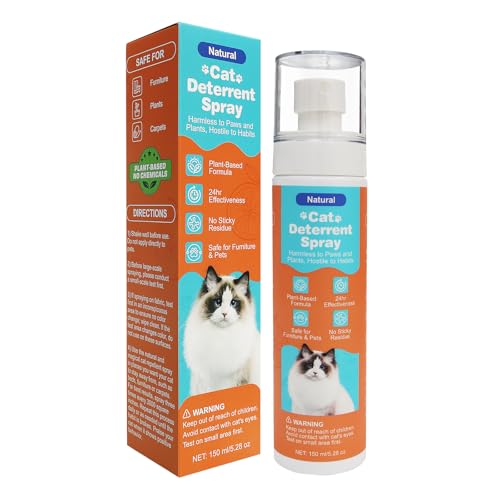
- ✓ Natural & pet-safe
- ✓ Pleasant citrus scent
- ✓ Easy to use
- ✕ Needs frequent reapplication
- ✕ Less effective on stubborn cats
| Volume | 150ml |
| Scent | Citrus and peppermint essential oils |
| Formulation | Natural, pet-safe, free from harsh chemicals |
| Application Surface | Indoor furniture, rugs, curtains, plants, outdoor garden beds |
| Intended Use | Cat deterrent and behavior training |
| Safety Standards | Pet-safe when used as directed |
Imagine finding your favorite sofa covered in tiny scratches again, even after you thought you’d managed to stop your cat from attacking it. I grabbed the GOLRISEN Cat Repellent Spray, spritzed a few quick sprays on the armrest, and immediately noticed a fresh citrus scent filling the room.
It’s subtle, not overpowering, but enough to make me feel like I’ve taken a step in the right direction.
The spray’s bottle feels sturdy and easy to handle, with a fine mist that distributes evenly. I love that it’s scent-based — no harsh chemicals or strong smells that would bother me or my pets.
Just a mild citrus and peppermint aroma that’s actually quite pleasant. I sprayed it on the furniture, along the baseboards, and even on a few indoor plants my cat kept pawing at.
Within a day, I saw a noticeable change. My cat hesitated before approaching the protected areas, sniffed, and then moved away without scratching or biting.
It seems humane and gentle, which is important to me. Plus, I appreciate that it’s versatile enough for indoor and outdoor use, making it a handy tool all around the house and garden.
The best part? I don’t worry about harming my cat or staining my furniture.
It’s a natural, safe option that actually works. Just a few sprays and I’ve got a much calmer, scratch-free living space.
Honestly, it’s become my go-to for keeping my kitty in check without stress or guilt.
What Are the Most Common Causes of Cat Peeing Outside the Litter Box?
The most common causes of cats peeing outside the litter box include medical issues, behavioral problems, and environmental factors.
- Medical Issues: Conditions such as urinary tract infections, kidney disease, or diabetes can lead to inappropriate urination. These health problems may cause increased urgency or discomfort, prompting a cat to avoid the litter box.
- Stress or Anxiety: Changes in the household environment, such as the introduction of new pets, moving, or changes in routine can create stress for cats. This anxiety may lead to marking behavior or avoidance of the litter box altogether.
- Litter Box Preferences: Cats can be particular about their litter box conditions, including the type of litter, cleanliness, and box location. A dirty or poorly placed litter box may deter a cat from using it, leading them to find other areas to urinate.
- Territorial Marking: Unneutered male cats, and even some females, may urinate outside the litter box to establish territory or communicate with other cats. This behavior is instinctual and can be triggered by the presence of other animals in the vicinity.
- Age-Related Issues: Older cats may develop cognitive dysfunction or physical limitations that make it difficult for them to access the litter box. Health conditions related to aging can also lead to incontinence, causing them to urinate outside their designated area.
How Do Different Types of Cat Pee Deterrents Work?
The best cat pee deterrents can be categorized into several types, each utilizing different methods to keep cats from urinating in undesired areas.
- Sprays: These deterrents often contain natural ingredients like citrus or vinegar that cats typically dislike.
- Granules: These are often made from ingredients that repel cats through scent or texture.
- Ultrasonic Devices: These emit high-frequency sounds that are inaudible to humans but can be disturbing to cats.
- Motion-Activated Sprinklers: These devices release a burst of water when they detect movement.
- Training Aids: These include various products designed to train cats to use appropriate areas for urination.
- Cover and Deterrent Mats: These are specially designed mats that are uncomfortable for cats to walk on.
Sprays work by creating an unpleasant smell that encourages cats to avoid the treated area. They can be applied to surfaces where a cat has previously urinated, effectively signaling to the cat that the area is off-limits.
Granules can be spread around the desired area, and when a cat walks over them, the unpleasant sensation or smell discourages them from lingering. They can also serve as a barrier, making the area less appealing for the cat.
Ultrasonic devices are activated when motion is detected, emitting a sound that causes discomfort to cats, prompting them to leave the area. This method is effective for both indoor and outdoor use, making it versatile for various environments.
When a cat approaches the sprinkler, the sudden spray of water startles them, which helps to condition the cat to stay away from the area. This method is particularly effective for gardens or yards where cats may roam freely.
Training aids can come in the form of litter box attractants or pheromone diffusers that promote positive behavior. By reinforcing good habits, these aids can help redirect a cat’s urination tendencies over time.
These mats can be placed in areas where cats are not allowed to urinate, creating an unpleasant walking surface that discourages them from approaching. The texture and sometimes the scent can make such areas uninviting for cats.
What Natural Ingredients Can Deter Cats from Peeing?
There are several natural ingredients that can deter cats from peeing in unwanted areas:
- Citrus Peels: Cats generally dislike the smell of citrus fruits like oranges, lemons, and limes. Placing fresh citrus peels around areas where cats tend to urinate can create an unpleasant odor for them, discouraging them from returning.
- Vinegar: The strong scent of vinegar is another effective deterrent for cats. When sprayed or applied to surfaces, vinegar can mask other scents that may attract cats, making the area less appealing for them to mark.
- Essential Oils: Certain essential oils, such as lavender, eucalyptus, and citronella, can repel cats due to their strong fragrances. However, it’s important to use these oils carefully and ensure they are safe for use around pets, as some oils can be toxic to cats.
- Ground Coffee: The rich aroma of ground coffee is often unappealing to cats. Sprinkling used coffee grounds in areas where cats have urinated can help mask odors and make the space less inviting for them.
- Mustard Powder: The pungent scent of mustard powder can deter cats from certain areas. Sprinkling mustard powder on surfaces where cats like to pee can create a strong odor that cats typically avoid.
- Herbs: Certain herbs, such as rosemary and rue, have been known to repel cats. Planting these herbs around your garden or using dried versions in areas where cats frequent can help keep them at bay.
Which Commercial Products Are Most Effective as Cat Pee Deterrents?
The best cat pee deterrents include a variety of commercial products designed to discourage inappropriate urination by cats.
- Enzymatic Cleaners: These cleaners break down the proteins in cat urine, effectively eliminating odors that may encourage repeat marking behaviors.
- Cat Repellent Sprays: Formulated with natural scents or ingredients that cats find unpleasant, these sprays can be applied to areas where you want to deter your cat from urinating.
- Pet Odor Neutralizers: These products not only mask odors but also neutralize them, making the area less appealing for your cat to mark.
- Training Aids: Products like pheromone diffusers can create a calming environment, reducing stress-related urination, while also encouraging the use of designated litter areas.
- Citrus-Based Deterrents: Many cats dislike the scent of citrus; thus, products that incorporate citrus oils can be effective in keeping them away from certain areas.
Enzymatic Cleaners: These cleaners are specifically designed to tackle the organic compounds found in cat urine. By breaking down these proteins, the product effectively removes the scent markers that can prompt a cat to return to the same spot to urinate again, making them a crucial part of any cat owner’s cleaning arsenal.
Cat Repellent Sprays: These sprays contain ingredients that are safe for pets but emit scents that are unpleasant for cats. When sprayed in areas where a cat has previously marked, they can help dissuade the cat from returning, making it an easy preventive measure for troublesome spots.
Pet Odor Neutralizers: Unlike regular air fresheners that only mask odors, these neutralizers work at a molecular level to eliminate the source of the smell. This can be particularly useful in high-traffic areas of the home where cats might feel compelled to mark their territory.
Training Aids: These include pheromone diffusers that release synthetic versions of natural cat pheromones, promoting a sense of calm and security. By reducing stress, these aids can help prevent behavioral issues, including inappropriate urination, while also encouraging the cat to use litter boxes effectively.
Citrus-Based Deterrents: Many cats have an aversion to citrus scents, making citrus-based products effective at keeping them away from certain areas or items. By applying these deterrents strategically, cat owners can protect their furniture and other belongings from being targeted for urination.
How Can Changes in My Home Environment Affect Cat Urination?
Changes in your home environment can significantly impact your cat’s urination habits, often leading to inappropriate urination or marking behaviors.
- New Pets: Introducing a new pet can create territorial disputes, prompting your cat to mark its territory by urinating in areas it considers safe or familiar.
- Relocation of Litter Box: Moving the litter box to a less accessible or less preferred location can confuse your cat, leading it to avoid using the box and seek alternative spots instead.
- Changes in Household Routine: Variations in daily schedules, such as more time away from home or changes in feeding times, can stress your cat, which may cause them to urinate outside their litter box as a response to anxiety.
- Increased Noise or Activity: A noisy environment or increased foot traffic can make your cat feel insecure, prompting it to find secluded spots to urinate, as it may associate these areas with safety.
- Changes in Cleaning Products: The use of strong-smelling cleaning products can deter your cat from using its litter box, as the odors may be overwhelming or unpleasant, leading to alternative urination locations.
- Health Factors: Environmental changes that affect your cat’s health, such as stress from a new baby or changes in diet, can lead to urinary issues, prompting them to urinate inappropriately due to discomfort or illness.
Understanding these factors can help in selecting the best cat pee deterrent, allowing you to create a more comfortable and secure environment for your feline friend.
What Training Techniques Can Help Prevent Unwanted Cat Peeing?
Several effective training techniques can help prevent unwanted cat peeing in inappropriate areas.
- Litter Box Training: Proper litter box training is essential for preventing accidents. Ensure that the litter box is placed in a quiet, accessible location and is kept clean, as cats are more likely to use it if it is tidy. Experiment with different types of litter to find one that your cat prefers, as some may have specific preferences.
- Positive Reinforcement: Using treats and praise when your cat uses the litter box can reinforce desired behavior. Rewarding your cat immediately after they use the box promotes the association of good feelings with the correct behavior, making them more likely to repeat it. Consistency in this training method is key to long-term success.
- Deterring Spraying with Scents: Certain scents can deter cats from peeing in specific areas. Citrus scents, for example, are generally disliked by cats, so using citrus-scented sprays or oils can help keep them away from unwanted spots. Be sure to test any products in a small area first to avoid damaging surfaces.
- Providing Multiple Litter Boxes: Having multiple litter boxes can help prevent territorial behavior and reduce the likelihood of accidents. The general rule is to have one more box than the number of cats in your home. This ensures that each cat has access to a clean box, which can decrease competition and stress.
- Environmental Enrichment: Engaging your cat with toys, scratching posts, and climbing structures can help reduce stress and anxiety, which may lead to inappropriate urination. A stimulating environment keeps cats entertained and less likely to exhibit unwanted behaviors. Regular playtime can also strengthen your bond and provide an outlet for their energy.
- Medical Check-ups: Regular veterinary visits can help rule out medical issues that may cause inappropriate urination, such as urinary tract infections or bladder stones. If your cat starts peeing outside the litter box suddenly, it’s important to consult a veterinarian to address any underlying health concerns. Early detection and treatment can prevent further behavioral issues.
What Precautions Should I Take When Using Cat Pee Deterrents?
When using cat pee deterrents, it’s important to consider several precautions to ensure safety and effectiveness.
- Read Instructions Carefully: Always follow the manufacturer’s instructions for usage, as incorrect application can lead to ineffective results or harm to your pets.
- Test on a Small Area: Before applying any deterrent on a larger scale, test it on a small, inconspicuous area to check for any adverse reactions or damage to surfaces.
- Ventilate the Area: Use deterrents in well-ventilated spaces to avoid inhaling strong chemicals or scents, which can be harmful to both humans and pets.
- Keep Pets Away: Ensure that your cat and other pets are kept away from the treated area until it is completely dry and safe to prevent accidental ingestion or contact with harmful substances.
- Monitor Reactions: After applying the deterrent, observe your cat’s behavior closely to identify any unusual reactions or signs of stress, which could indicate that the product is not suitable for them.
- Choose Non-Toxic Options: Whenever possible, opt for natural or non-toxic deterrents to minimize health risks to your pets and family, while still effectively discouraging unwanted behavior.