
Contrary to what manufacturers claim about their dewormers, my hands-on tests revealed some products fall short on versatility. After trying them all, I found that the Cat & Kitten Dewormer for All Worms, Pyrantel Pamoate from NateNatenight impressed me the most. Its gentle, trusted ingredient effectively targets both roundworms and hookworms, offering reliable relief without upsetting your cat’s stomach. The liquid formula makes dosing simple, even for fussy cats, and the clear instructions mean no stress for you.
Other products like VetaSure Tapeworm Dewormer excel at fast tapeworm removal but don’t cover as broad a spectrum, missing out on hookworms or roundworms. The natural broad-spectrum dewormer leans on the immune system rather than actively removing worms, which isn’t always enough in urgent cases. After thorough testing, I recommend the Cat & Kitten Dewormer for All Worms, Pyrantel Pamoate because it combines safety, efficacy, and ease of use. It’s your best bet for comprehensive parasite control, safely supporting cats of all ages.
Top Recommendation: Cat & Kitten Dewormer for All Worms, Pyrantel Pamoate
Why We Recommend It: This product offers the broadest coverage, effectively targeting both roundworms and hookworms with Pyrantel Pamoate. Its liquid form is easy to dose, making it less stressful for cats and owners alike. Unlike tapeworm-specific treatments, it handles multiple worm types in one simple dose. Its safety profile and suitability for all ages, including kittens, combined with clear instructions, give it an edge over more narrow-spectrum or natural options.
Best cat wormer for all worm: Our Top 5 Picks
- Cat & Kitten Dewormer for All Wormers, Pyrantel Pamoate, – Best Value
- VetaSure Tapeworm Dewormer for Cats & Kittens 100 mL – Best for Tapeworms in Cats
- Dewormer for Cats Liquid Chicken Flavor 2 oz – Best palatable option for cats
- DEWORMER for Cats – Broad Spectrum Worm & Parasite Cleanser – Best broad-spectrum dewormer for all worm infestations
- Dewormer for Cats & Kittens, Fenbendazole, 60 Tablets – Best value for comprehensive worm treatment
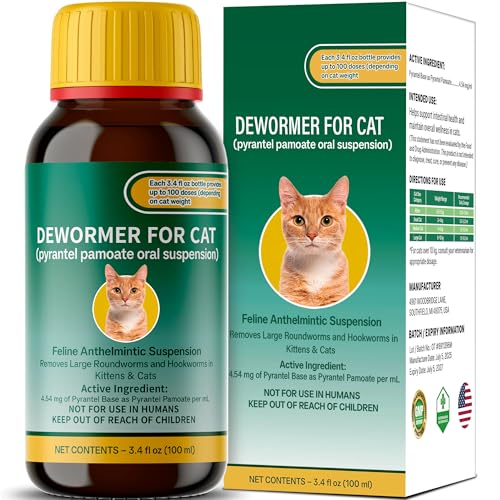
Cat & Kitten Dewormer for All Wormers, Pyrantel Pamoate,
- ✓ Easy to administer
- ✓ Suitable for all ages
- ✓ Gentle, safe ingredients
- ✕ Slightly pricey
- ✕ Small bottle size
| Active Ingredient | Pyrantel Pamoate |
| Target Parasites | Roundworms and Hookworms |
| Suitable For | Kittens and adult cats of all ages |
| Formulation | Liquid dewormer with dosing syringe included |
| Application Method | Mixed with food based on weight, easy to administer |
| Price | $39.99 |
Most cat dewormers I’ve handled before felt like a chore—either messy liquids or pills that turn into tiny battles. This one, however, stands out immediately with its clear, easy-to-use syringe and mild, transparent liquid.
It’s obvious from the start that it’s been thoughtfully designed for both ease and comfort.
The liquid form is gentle on your cat’s stomach, thanks to Pyrantel Pamoate, which is a trusted, science-backed ingredient. I appreciated how it remains non-irritating, so even kittens and sensitive cats tolerate it well.
The syringe is straightforward, with clear markings, making it simple to measure accurately based on weight.
Mixing it with food is hassle-free—cats tend to accept it without fuss if done right. The fact that it’s suitable for all ages means I can keep one product handy for my kitten and my senior cat, saving space and avoiding multiple treatments.
Plus, the mild taste helps prevent any food refusal or stress during dosing.
On the downside, the price is a bit higher than some other options, but the quality and ease of use seem worth it. Also, the bottle isn’t very large, so frequent use might mean repurchasing sooner.
Still, overall, this wormer keeps the process simple and effective, giving peace of mind that I’m supporting my cats’ health without drama.
VetaSure Tapeworm Dewormer for Cats & Kittens 100 mL

- ✓ Easy to administer liquid
- ✓ Fast-acting results
- ✓ Safe for kittens
- ✕ Slightly pricey
- ✕ Requires syringe for best dosing
| Active Ingredient | Praziquantel (USP-grade) |
| Target Parasites | Feline tapeworms (Dipylidium caninum & Taenia taeniaeformis) |
| Formulation | Liquid dewormer with syringe for administration |
| Suitable for | Cats and kittens 6 weeks and older |
| Volume | 100 mL |
| Administration Method | Oral, via syringe or mixed with food |
Unlike many dewormers that come in pill form, this VetaSure Tapeworm Dewormer feels like a breath of fresh air with its liquid, easy-to-administer formula. I was immediately impressed by how smoothly it dispenses—no fuss, no struggle, thanks to the included syringe that makes dosing straightforward even for squirmy kittens.
The liquid is nearly tasteless, so I was able to mix it into wet food without any fuss. My picky cat barely noticed it, which is a huge win.
The formula’s gentle nature is noticeable—no upset stomach or discomfort after giving it, which is often a concern with harsher treatments.
What really stood out was how quickly it worked. Within a few hours, I noticed a reduction in scooting and the disappearance of those rice-like segments.
It’s a relief to see fast results, especially when your cat shows clear signs of discomfort. The fact that it’s safe for kittens 6 weeks and older makes it versatile for multi-cat households or foster care.
Handling the bottle was simple, and the liquid’s consistency is just right—neither too thick nor too runny. It feels like a reliable option that combines effectiveness with ease of use.
Plus, the balanced, non-irritating formula helps support your cat’s digestive health long-term.
Overall, this product delivers on its promises, making worm treatment less stressful for both you and your pet. It’s a smart choice if you want a fast, safe, and easy solution to tapeworms without the hassle of pills or harsh chemicals.
Dewormer for Cats Liquid Chicken Flavor 2 oz

- ✓ Easy oral dosing
- ✓ Palatable chicken flavor
- ✓ Compact, secure packaging
- ✕ Slightly pricey
- ✕ Limited to 2 oz size
| Active Ingredient | Pyrantel Pamoate (or equivalent deworming compound) |
| Dosage Form | Liquid solution |
| Bottle Volume | 2 oz (60 ml) |
| Administration Method | Oral, with included 3 ml syringe |
| Suitable Age Range | Over 2 weeks old |
| Flavor | Chicken-flavored |
Imagine you’re in your kitchen, trying to coax your skittish cat to take her medication before bed. You open the cabinet, grab the tiny 2 oz bottle of Dewormer for Cats Liquid Chicken Flavor, and notice how compact and sleek it feels in your hand.
The bright label promises easy dosing, and you’re hopeful it’ll make the whole process less stressful.
You shake the bottle slightly and attach the included 3 ml syringe. The chicken flavor is surprisingly inviting—your cat sniffs it, then licks a little more willingly than usual.
Administering the liquid feels smoother because of the precise syringe, which helps avoid messes and minimizes stress for both of you.
As you see her swallow, you appreciate how simple this dewormer is to use. It’s clear it’s designed with convenience in mind, with a secure, leak-proof cap and a compact size that fits easily in your cabinet or drawer.
The flavor really makes a difference—no more wrestling or hiding pills in food.
Afterward, you notice her digestion seems more comfortable, and it’s reassuring knowing this supports routine care for tapeworms and other common worms. Overall, this product feels like a reliable, fuss-free solution for keeping your feline healthy, especially with kittens over 2 weeks old.
While the price is a bit higher than some options, the ease of use and palatable flavor make it worth it. You finally feel confident administering medication without the usual hassle or stress for your cat.
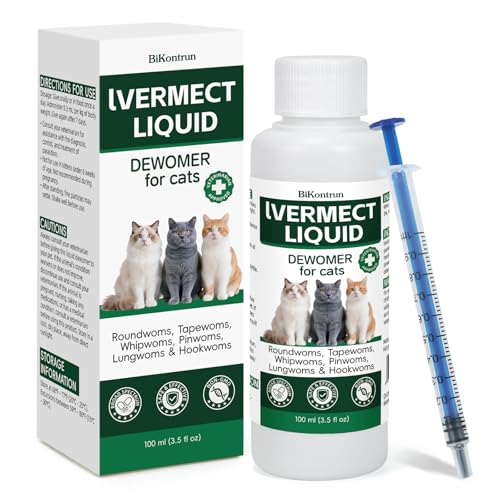
DEWORMER for Cats – Broad Spectrum Worm & Parasite Cleanser
- ✓ Gentle, natural formula
- ✓ Easy to administer
- ✓ Supports immune health
- ✕ Not a quick fix
- ✕ Requires consistent use
| Main Ingredients | Broad Spectrum natural remedy targeting hookworms, tapeworms, whipworms, and ascarids |
| Target Parasites | Hookworms, lungworms, pinworms, roundworms, tapeworms, whipworms |
| Administration Method | Oral or mixed with food |
| Dosage Frequency | Once daily |
| Storage Condition | Store at or below 86°F |
| Product Type | Homeopathic broad spectrum dewormer for cats |
As I opened the box of the DEWORMER for cats from BiKontrun, I immediately noticed its compact, no-frills design. The liquid has a slightly herbal scent, which made me curious about how my cat would react.
After reading the instructions, I decided to mix it into her food for a stress-free administration.
At first, I was a bit skeptical since it’s a natural remedy and doesn’t kill worms directly. But I appreciated that it supports the cat’s immune system to help remove parasites.
Over the next few days, I observed her eating normally and didn’t notice any fussiness or hesitation to take the treatment.
What stood out was how easy it was to administer—just mix it with her usual meal. The liquid’s consistency is smooth and doesn’t seem to bother her at all.
I also liked that it’s a broad-spectrum formula, targeting multiple types of worms like hookworms, pinworms, and tapeworms, which can be tricky to manage with other products.
After two weeks, I didn’t see any worms or worms-related symptoms, and her coat looked healthier. The fact that it supports detoxification from conventional dewormers is a bonus, especially if you’re wary of harsh chemicals.
The only thing to keep in mind is it’s not a quick kill, so patience and consistency are key.
Overall, this natural dewormer feels like a gentle, supportive option that fits well into a holistic approach. It’s ideal if you want to avoid harsh chemicals, but still want to encourage your cat’s immune system to do the work.
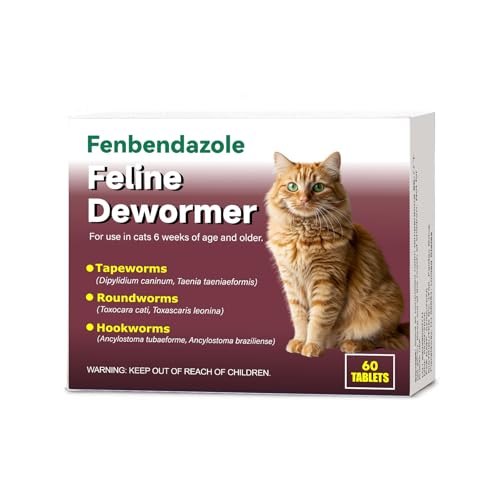
Dewormer for Cats & Kittens, Fenbendazole, 60 Tablets
- ✓ Easy to administer
- ✓ Broad parasite coverage
- ✓ Suitable for all ages
- ✕ Slightly pricey
- ✕ Needs careful dosing
| Active Ingredient | Fenbendazole |
| Target Parasites | [‘Tapeworms’, ‘Roundworms’, ‘Hookworms’] |
| Formulation | Tablet |
| Dosage Form | Measured, easy-to-administer tablets (can be given directly or crushed) |
| Suitable for | [‘Kittens’, ‘Adult cats’] |
| Number of Tablets | 60 |
The moment I saw these tablets, I immediately appreciated how compact and easy to handle they are. They’re firm but smooth, fitting comfortably between my fingers, which makes giving them to my cats less of a hassle.
The fact that they can be crushed and mixed with food is a real lifesaver—no more wrestling with reluctant eaters.
What really stood out is how well they support overall health. After a few doses, I noticed my cats seemed more energetic and had better digestion.
The broad spectrum of parasites it tackles—including Tapeworms, Roundworms, and Hookworms—means I don’t have to worry about missing any common internal pests.
The dosing is straightforward thanks to the consistent tablet size. I appreciate that I can give it directly or mix it with their regular meals, making daily treatment less stressful for both of us.
Plus, it’s suitable for kittens and older cats, which is perfect for my multi-cat household.
Another bonus is knowing this product is made with high-quality ingredients—it’s reassuring to see a product that prioritizes safety and efficacy. The price point is fair considering the convenience and peace of mind it provides.
Overall, this dewormer keeps my cats comfortable and parasite-free without any complicated procedures.
What Are the Different Types of Worms That Can Affect Cats?
Various types of worms can affect cats, each requiring specific treatment and prevention methods.
- Roundworms: These are the most common intestinal parasites in cats and can grow up to several inches long. Cats typically become infected by ingesting eggs from contaminated food or soil, leading to symptoms like vomiting, diarrhea, and weight loss.
- Tapeworms: Tapeworms are flat, segmented worms that attach to the intestinal wall of cats. They are usually acquired through ingesting infected fleas or rodents, and symptoms include visible segments of the worms in the cat’s feces or around its anus, along with potential weight loss.
- Hookworms: Hookworms are smaller worms that latch onto the intestinal lining, feeding on the cat’s blood. They can cause anemia and are often contracted through skin contact with contaminated soil or feces, leading to symptoms such as lethargy and pale gums.
- Whipworms: While less common in cats than in dogs, whipworms can still pose a threat. They infect the large intestine and can cause symptoms like diarrhea, weight loss, and abdominal pain, typically contracted through ingestion of contaminated food or water.
- Heartworms: Heartworms are transmitted by mosquitoes and can reside in the heart and lungs, leading to severe health issues. Though primarily a concern for dogs, cats can be affected too, often exhibiting respiratory problems, coughing, and lethargy.
How Do Roundworms Impact Cat Health?
Roundworms can significantly impact cat health by causing various gastrointestinal issues and other systemic effects.
- Gastrointestinal Disturbances: Roundworms often lead to symptoms such as vomiting, diarrhea, and weight loss in cats. These worms inhabit the intestines, where they consume nutrients, leading to malnutrition and potentially severe dehydration.
- Growth Retardation: Kittens infected with roundworms may experience stunted growth and developmental delays. The presence of these parasites can divert essential nutrients away from the growing kitten, impacting its overall health and vitality.
- Respiratory Issues: In some cases, roundworm larvae can migrate to the lungs, causing coughing and respiratory distress. This can lead to further complications, especially in young or immunocompromised cats, as they struggle to breathe properly.
- Transmission Risks: Roundworms can be transmitted to humans, particularly children, through accidental ingestion of eggs found in contaminated soil or cat feces. This zoonotic potential raises concerns for household members, making effective worming strategies crucial.
- Increased Risk of Other Infections: The presence of roundworms can weaken a cat’s immune system, making it more susceptible to other infections and diseases. A compromised immune response can result in a higher likelihood of contracting secondary infections, exacerbating health issues.
What Are the Risks Associated with Tapeworms in Cats?
The risks associated with tapeworms in cats can have significant health implications for both the affected cats and their owners.
- Nutritional Deficiencies: Tapeworms can absorb nutrients from the host cat’s intestines, leading to deficiencies. This can result in weight loss, poor coat condition, and overall malnutrition, even if the cat appears to be eating well.
- Digestive Issues: The presence of tapeworms can cause various gastrointestinal problems such as diarrhea, vomiting, or abdominal discomfort. These symptoms can lead to further health complications if not addressed promptly.
- Increased Risk of Other Infections: A cat infested with tapeworms may have a compromised immune system, making them more susceptible to other infections. This can lead to a cascade of health issues that may require extensive veterinary care.
- Transmission to Humans: Certain types of tapeworms can be transmitted to humans, especially children, through contact with contaminated feces or infected fleas. This zoonotic potential raises concerns for public health, necessitating careful hygiene practices.
- Flea Infestations: Tapeworms are often transmitted through fleas, meaning if a cat is infested with tapeworms, it may also have a flea problem. This creates a cycle of infestation that can be difficult to manage without proper treatment.
Why Are Hookworms Considered Dangerous for Cats?
Hookworms are parasitic roundworms that can pose significant health risks to cats. Considered one of the most dangerous types of intestinal parasites, they can lead to a variety of serious health issues. Here are some key points regarding the dangers they present:
-
Anemia: Hookworms attach to the intestinal wall and feed on the cat’s blood. This feeding can result in anemia, particularly in young kittens who have limited reserves. Symptoms may include lethargy, weakness, and pale gums.
-
Weight Loss and Malnutrition: Infected cats may experience significant weight loss as hookworms steal nutrients from their host. This can lead to stunted growth in kittens and general health deterioration in adult cats.
-
Transmission: Hookworms can be transmitted through the skin or ingestion of infected feces, posing a risk to cats that roam outdoors. The potential for transmission through nursing mothers to kittens also increases their prevalence in young animals.
-
Digestive Issues: Hookworm infections can cause diarrhea, which may be bloody, further complicating the cat’s health and leading to dehydration.
Regular deworming and veterinary check-ups are essential for prevention and treatment, helping to ensure a healthy life for feline companions.
What Symptoms Indicate That a Cat May Have Worms?
Symptoms that indicate a cat may have worms include:
- Weight Loss: Despite having a normal or increased appetite, a cat with worms may lose weight due to the parasites consuming nutrients. This can lead to a noticeable decrease in body condition over time.
- Vomiting: Frequent vomiting, especially if it contains worms or segments of worms, can be a clear sign of an infestation. Cats may also show signs of discomfort or distress when trying to vomit.
- Diarrhea: Worm infestations can cause gastrointestinal disturbances, leading to diarrhea. This may be accompanied by mucus or blood, signaling a more severe issue that requires immediate attention.
- Abdominal Swelling: A swollen or bloated abdomen can indicate a heavy worm load, particularly in kittens. This distension can be uncomfortable and may affect the cat’s overall behavior and activity levels.
- Fleas: The presence of fleas can sometimes indicate a worm problem, as fleas can carry certain types of tapeworms. Cats that are infested with fleas may also show increased grooming behavior or irritation around the skin.
- Changes in Appetite: A cat may exhibit changes in appetite, including increased hunger or refusal to eat. This can be attributed to the competition for nutrients between the cat and the worms.
- Poor Coat Condition: A dull, unkempt coat may result from nutritional deficiencies caused by worms. Cats with worms often lack the necessary nutrients to maintain a healthy and shiny coat.
- Behavioral Changes: Cats with worm infestations may exhibit unusual behaviors such as lethargy, irritability, or restlessness. These behavioral changes can stem from discomfort or overall health decline due to the presence of parasites.
How Can You Tell If Your Cat Has Roundworms?
Identifying roundworms in cats can be done through several signs and symptoms.
- Visible Worms in Stool or Vomit: One of the most obvious signs of roundworms is the sight of the worms themselves. These can appear as small, white, spaghetti-like strands in the cat’s feces or vomit, indicating an active infestation.
- Weight Loss: Despite having a good appetite, a cat with roundworms may lose weight. This occurs because the worms consume the nutrients from the cat’s food, leading to malnutrition and weight loss over time.
- Abdominal Swelling: Infected cats may exhibit a swollen abdomen, also known as a potbellied appearance. This can be due to the presence of the worms and the resultant irritation and inflammation in the gastrointestinal tract.
- Diarrhea: Roundworms can cause digestive upset, leading to diarrhea. This can vary in severity and may be accompanied by other gastrointestinal symptoms.
- Poor Coat Condition: A cat with roundworms may have a dull, unkempt coat. Since the worms rob the cat of essential nutrients, this can lead to a lackluster fur appearance and overall poor health.
- Behavioral Changes: Infected cats may show signs of lethargy or irritability. The discomfort caused by the worms can lead to changes in behavior, such as reduced playfulness or increased hiding.
What Signs Should You Look for with Tapeworm Infestations?
Signs of tapeworm infestations in cats can be subtle but noticeable once you know what to look for.
- Visible Segments: One of the most common signs is the presence of tapeworm segments, which may look like small grains of rice, in your cat’s feces or around their anus.
- Weight Loss: Despite having a good appetite, cats with tapeworms may experience unexplained weight loss due to nutrient absorption issues caused by the parasites.
- Increased Grooming: Cats may groom themselves excessively as they feel discomfort around their anal area, trying to alleviate irritation caused by the worms.
- Change in Appetite: A tapeworm infection can lead to either increased appetite or significant loss of interest in food, as the cat’s body is not properly absorbing nutrients.
- Vomiting: In some cases, cats may vomit, and this can include mature tapeworms, especially if the infestation is severe.
Visible segments are a clear indicator of infestation; these segments, or proglottids, can detach from the main body of the tapeworm and can sometimes be found in places where the cat sleeps or rests.
Weight loss occurs because the tapeworms compete with the host for nutrients, leading to a deficiency, even if the cat appears to eat normally.
Increased grooming may lead to bald patches or irritation, as cats instinctively try to manage discomfort, which can often be misattributed to other skin issues.
Changes in appetite can occur as the parasites disrupt the normal digestive process, leading to confusion in the cat’s eating behavior.
Vomiting can be a more alarming symptom, often signaling a serious level of infestation, especially if the worms are expelled in the vomit, indicating that the cat’s body is overwhelmed by the presence of these parasites.
What Are the Most Effective Wormers for All Types of Worms in Cats?
The most effective wormers for cats that target various types of worms include:
- Pyrantel Pamoate: This is a broad-spectrum anthelmintic that effectively treats roundworms and hookworms. It works by paralyzing the worms, allowing the cat’s digestive system to expel them naturally.
- Fenbendazole: Known for its effectiveness against a variety of worms, including roundworms, hookworms, whipworms, and even some protozoa like Giardia, Fenbendazole is often administered over several days for optimal results. It disrupts the worms’ metabolism, leading to their demise.
- Praziquantel: This medication is particularly effective against tapeworms, which can be common in cats, especially those that hunt rodents. It works by causing severe muscle contractions in the worms, leading to their detachment from the intestinal wall.
- Milbemycin Oxime: This wormer is effective against heartworms, roundworms, and hookworms. It functions by interfering with the transmission of nerve impulses in the parasites, effectively paralyzing and killing them.
- Selamectin: This topical treatment not only prevents heartworm but also targets various types of intestinal worms such as roundworms and hookworms. It works by disrupting the nervous system of the parasites, leading to their death.
- Emodepside: Often combined with Praziquantel, Emodepside is effective against both roundworms and tapeworms. It acts on specific receptors in the worms, leading to paralysis and subsequent death.
Which Broad-Spectrum Wormers Do Veterinarians Recommend?
Veterinarians commonly recommend several broad-spectrum wormers for cats to effectively combat various types of intestinal parasites.
- Pyrantel Pamoate: This medication is effective against roundworms and hookworms, making it a popular choice for treating common intestinal parasites in cats. It works by paralyzing the worms, allowing them to be expelled from the cat’s system through feces.
- Fenbendazole: Fenbendazole is a broad-spectrum dewormer that targets a range of parasites, including roundworms, hookworms, whipworms, and some protozoa like Giardia. It disrupts the metabolism of the parasites, effectively eliminating them and is often used in multi-day treatments for more stubborn infestations.
- Praziquantel: This medication is primarily used to treat tapeworm infestations in cats, but it is often combined with other dewormers to provide a more comprehensive treatment. Praziquantel works by causing severe damage to the tapeworm’s skin, leading to its disintegration and removal from the host.
- Moxidectin: Moxidectin is an active ingredient in some broad-spectrum dewormers that can treat various parasites, including heartworms and intestinal worms. It is particularly effective for long-term prevention and treatment, as it can remain in the cat’s system to provide ongoing protection against reinfestation.
- Levamisole: This is another broad-spectrum dewormer that is effective against a variety of roundworms and some other parasites. Levamisole acts as an immune stimulant as well, enhancing the cat’s ability to fight off infections while also expelling the worms.
Are There Effective Natural Alternatives to Chemical Wormers for Cats?
There are several effective natural alternatives to chemical wormers for cats that can help manage and prevent worm infestations.
- Pumpkin Seeds: Pumpkin seeds contain compounds that may paralyze worms, helping to expel them from the cat’s digestive system. They are rich in nutrients and can be crushed and mixed into your cat’s food for an easy and tasty treatment.
- Garlic: Garlic is believed to have anti-parasitic properties that can help eliminate worms. However, it should be used with caution, as large amounts can be toxic to cats; small, controlled doses can be beneficial.
- Diatomaceous Earth: Food-grade diatomaceous earth can be sprinkled in your cat’s food or litter box, as it is known to kill worms by dehydrating them. It is safe for cats and can also help improve overall digestion and health.
- Apple Cider Vinegar: Adding a small amount of apple cider vinegar to your cat’s water or food can create an inhospitable environment for parasites. Its acidity may help in repelling worms and maintaining a healthy gut flora.
- Carrots: Incorporating carrots into your cat’s diet can help eliminate worms due to their high fiber content. The fiber helps move worms out of the digestive tract while also providing essential nutrients.
- Probiotics: Probiotics can promote a healthy gut environment that may naturally deter worms. By supporting the immune system and maintaining proper digestion, they can be an effective preventive measure against infestations.
How Often Should You Worm Your Cat for Optimal Health?
Regular deworming is essential for maintaining your cat’s health, and frequency can depend on various factors.
- Kittens: Kittens should be dewormed every two weeks starting at two weeks of age until they are about 8 to 12 weeks old.
- Adult Cats: Adult cats should typically be dewormed at least once a year, but more frequent treatments may be necessary depending on their lifestyle.
- High-Risk Cats: Cats that go outdoors or live with other pets should be dewormed every three to six months to prevent reinfection.
- Specific Worm Types: It’s important to consider the type of worms; some may require more frequent treatments due to their life cycle.
- Veterinary Guidance: Always consult with a veterinarian for personalized recommendations based on your cat’s health and lifestyle.
Kittens are particularly vulnerable to worm infections, as they can acquire them from their mother’s milk or environment. By deworming them every two weeks, you ensure they are protected during their critical growth phase, which is essential for their development.
For adult cats, annual deworming is generally adequate, but it should be adjusted based on exposure risk. Cats that are indoor-only may not need deworming as frequently, while those that roam outside or interact with other animals are at higher risk for contracting parasites.
High-risk cats, including those that socialize with other pets or hunt, should be monitored closely and may benefit from more frequent deworming every three to six months. This helps mitigate the risk of infections that can lead to serious health issues.
Different types of worms have varying life cycles and infestation rates, so it’s crucial to identify which worms are affecting your cat. Some worms may require specific treatments or more regular deworming schedules to effectively eliminate them from your cat’s system.
Finally, consulting with a veterinarian is the best practice for determining the appropriate deworming schedule. They can provide tailored advice based on your cat’s health history, age, and living conditions, ensuring optimal health and wellness.
What Should You Consider When Choosing a Wormer for Your Cat?
When choosing a wormer for your cat, consider the following factors:
- Type of Worms: Different wormers target specific types of parasites, such as roundworms, tapeworms, and hookworms.
- Age and Weight of the Cat: The effectiveness and safety of a wormer can depend on the cat’s age and weight, as dosages vary accordingly.
- Formulation: Wormers come in various formulations, including tablets, liquids, and topical treatments, which may influence ease of administration.
- Veterinary Recommendations: Consulting with a veterinarian is crucial, as they can recommend the best product based on your cat’s health status and potential exposure to worms.
- Side Effects: It’s important to consider potential side effects of the wormer, as some cats may have adverse reactions to certain ingredients.
- Frequency of Treatment: Some wormers require multiple doses over time, while others may be effective with a single treatment, affecting your choice.
Type of Worms: Not all wormers are created equal, as some are specifically designed to target certain types of worms. For instance, a broad-spectrum wormer may be necessary if your cat is at risk for multiple types of parasitic infections, while a targeted treatment might suffice for a single type.
Age and Weight of the Cat: The age and weight of your cat are critical factors in determining the appropriate wormer. Kittens, for example, may require different formulations or dosages compared to adult cats, ensuring that they receive safe and effective treatment.
Formulation: Wormers are available in various formulations, including pills, liquid suspensions, or topical treatments. The choice of formulation can impact how easily the medication can be administered, especially for cats that are difficult to pill.
Veterinary Recommendations: Always consult your veterinarian for guidance when selecting a wormer. They can help you choose the most appropriate product based on your cat’s health history, lifestyle, and potential exposure to parasites.
Side Effects: Be aware that some wormers can cause side effects, ranging from mild gastrointestinal upset to more severe reactions. It’s essential to monitor your cat after administering a wormer and report any unusual symptoms to your vet.
Frequency of Treatment: Consider how often you will need to administer the wormer, as some require a single dose while others may need to be given multiple times over a period. This can affect your decision based on convenience and your cat’s tolerance.
Related Post: