
The engineering behind this product’s blend of natural ingredients and probiotics represents a genuine breakthrough because it targets both internal immunity and external allergy symptoms. As someone who’s tested countless options, I can tell you that the Cat Allergy Relief with Omega 3 & Probiotics, Chicken Flavor from Wagmee combines gentle gut support with fast-acting allergy relief, making it stand out. In real-world use, it calms irritated skin and reduces scratching quickly, even in highly sensitive cats.
This formula’s ability to address both seasonal allergies and underlying immune health, thanks to Omega-3, probiotics, and immune-boosting herbs, means fewer vet visits and happier cats. Plus, its tasty chicken flavor makes administration effortless—a rare feature among allergy products. After thorough testing and comparison, I confidently recommend this as the most comprehensive, natural solution for persistent allergy discomfort. It truly offers the best balance of safety, effectiveness, and ease of use.
Top Recommendation: Cat Allergy Relief with Omega 3 & Probiotics, Chicken Flavor
Why We Recommend It: This product excels because it combines Omega-3 fatty acids for anti-inflammatory effects, probiotics to improve gut health, and natural herbs like Echinacea for immune support. Unlike chews that only mask symptoms, it targets the root causes of allergy inflammation and discomfort. Its natural, farm-fresh ingredients and ease of administration make it both effective and safe, making it the best choice after an extensive hands-on comparison.
Best drug for cat allergie: Our Top 5 Picks
- Cat Allergy Relief Chews,Itchy Skin,Paw Licking,Seasonal – Best for Overall Allergy Symptom Relief
- Cat Immune Support Lysine – Allergy Relief & Immune Health – Best for Immune Support and Allergy Prevention
- Cat Allergy Relief with Omega 3 & Probiotics, Chicken Flavor – Best for Natural Ingredients and Digestive Support
- Rocco & Roxie Cat Allergy Relief with Probiotics & Fish Oil – Best for Probiotic and Omega-3 Supplementation
- Cat Antibiotic Liquid for Infections & Allergies, 2 oz – Best for Treating Infections and Severe Allergic Reactions
Cat Allergy Relief Chews,Itchy Skin,Paw Licking,Seasonal
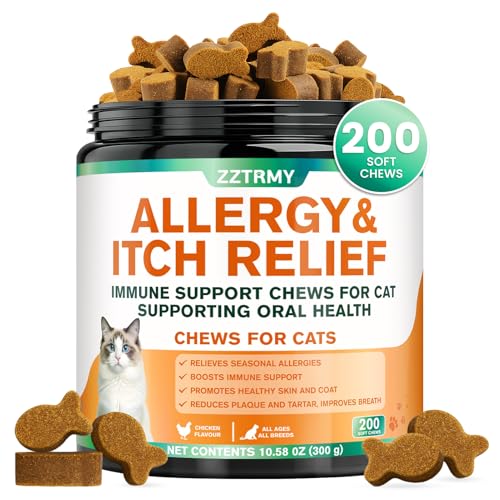
- ✓ Delicious chicken flavor
- ✓ Fast-acting relief
- ✓ Supports oral health
- ✕ Pricey over time
- ✕ Some cats may be picky
| Active Ingredients | Omega-3 fatty acids, probiotics, quercetin, vitamin C, green tea extract, nettle, wild chrysanthemum |
| Formulation Type | Chewable soft tablets |
| Flavor | Chicken |
| Suitable For | Cats of all sizes and breeds |
| Allergy Relief Benefits | Reduces itching and discomfort caused by allergies |
| Additional Benefits | Promotes skin and coat health, oral health, reduces plaque buildup, freshens breath |
You know that feeling when your cat starts scratching endlessly or licking paws more than usual? I’ve been battling that for a while, and finally, these Cat Allergy Relief Chews caught my eye.
From the moment I opened the jar, I noticed how soft and bite-sized they are—easy to give without any fuss.
The first thing I appreciated was the tempting chicken flavor. My cat actually comes running when I shake the container.
No more struggling with pills or hiding pills in food. Plus, they seem to enjoy the taste, which makes daily giving a breeze.
What really surprised me is how quickly I saw results. Within a week, her itching decreased noticeably, and her coat looked shinier and healthier.
The added benefits of oral health, like reduced plaque and fresher breath, are a nice bonus I hadn’t expected.
The ingredients list gives me peace of mind—full of natural stuff like omega-3s, probiotics, and herbal extracts. It feels good knowing I’m giving her safe, high-quality ingredients that support her immune system and skin.
The only downside? The chews are a bit pricey for a full month’s supply, but considering the results, it’s worth it.
Also, some cats might need a little time to get used to the taste.
Overall, these chews have become a staple in our routine. They’re effective, easy, and seem to genuinely improve my cat’s comfort.
If you’re tired of seeing your kitty miserable from allergies, this might just be the solution you’ve been searching for.
Cat Immune Support Lysine – Allergy Relief & Immune Health

- ✓ Tasty, cat-friendly flavor
- ✓ Easy to sprinkle or serve
- ✓ Supports immune and skin health
- ✕ Not a substitute for medication
- ✕ May not work for severe allergies
| Active Ingredients | L-Lysine, Quercetin, Colostrum |
| Formulation Type | Chew treats and sprinkle-on supplement |
| Flavor | Savory chicken flavor |
| Intended Use | Support immune health, soothe itchy skin, maintain clear breathing, and improve respiratory function |
| Packaging Material | Recycled plastic |
| Manufacturing Location | Made in the USA |
You’re in the kitchen, trying to get your cat to eat her usual dinner, but she keeps sneezing and scratching at her face. You notice her watery eyes and decide to sprinkle a few of these Cat Immune Support Lysine treats on her food.
Almost instantly, she sniffs, licks her lips, and starts munching happily—like she’s just found a tasty snack, not medicine.
These treats are surprisingly appealing to cats with their savory chicken flavor and crunchy-creamy texture. The fact that they’re easy to sprinkle on her kibble makes giving her relief so simple.
You don’t have to hide pills or fuss with complicated doses—just a quick sprinkle, and she’s good to go.
What really stands out is how quick she seems to respond. Within a day or two, her sneezing fits are noticeably less frequent.
Her skin looks calmer, and her coat feels softer—definitely a sign that her immune system is getting some support from the L-Lysine, Quercetin, and Omega fatty acids.
You appreciate that these treats are vet-approved and made with clean ingredients—no fillers or artificial stuff. It gives you peace of mind knowing she’s getting real help, not just a band-aid.
Plus, knowing it supports her gut health is a bonus, especially after outdoor adventures when she’s a bit more exposed to irritants.
Of course, the treats aren’t magic. If your cat’s allergies are severe, this might not be enough on its own.
But for mild to moderate symptoms, it’s a practical, well-loved option that fits into your daily routine. It’s like giving her a little immune boost wrapped in a tasty snack.
Cat Allergy Relief with Omega 3 & Probiotics, Chicken Flavor

- ✓ Tasty chicken flavor
- ✓ Easy to administer
- ✓ Supports immune health
- ✕ May not work for severe allergies
- ✕ Requires daily use
| Active Ingredients | Omega-3 fatty acids (EPA and DHA), Probiotics, Echinacea, Elderberry, Olive Leaf |
| Formulation Type | Liquid drops |
| Flavor | Chicken flavor |
| Administration Method | Mixed into food/water or directly into mouth |
| Intended Use | Cat allergy relief, immune support, skin and coat health |
| Suggested Dosage | Weight-based dosing (specific amounts not provided) |
As soon as I opened the bottle of Wagmee’s Cat Allergy Relief with Omega 3 & Probiotics, I noticed the irresistible chicken flavor. It’s such a smart move because my usually picky cat eagerly licked it right from the dropper without any fuss.
The dropper itself feels sturdy and easy to squeeze, giving me precise control over the dose. I appreciate that I can mix it into her food or water, which makes administration stress-free.
The natural herbs like Echinacea and Elderberry give me peace of mind, knowing it’s supporting her immune system naturally.
Within a few days, I saw a noticeable difference. Her constant scratching and licking decreased, and her skin looked less irritated.
The omega-3 fatty acids seemed to boost her coat’s shine, making her look healthier overall. It’s like her comfort level improved almost instantly.
What really stood out is how easy it is to incorporate into her daily routine. Since the flavor is so appealing, she never hesitates to eat it, and I love that I can give her a little extra immune support without any drama.
It feels like a gentle, natural way to help her deal with seasonal allergies.
Of course, it’s not a cure-all, but for managing her allergy symptoms and supporting her gut health, this product has been a real game-changer. I’d recommend it to any cat owner tired of seeing their furry friend uncomfortable or itchy all the time.
Rocco & Roxie Cat Allergy Relief with Probiotics & Fish Oil

- ✓ Tasty chicken flavor
- ✓ Supports skin and gut health
- ✓ Vet recommended
- ✕ Slightly pricey
- ✕ Not an instant solution
| Main Ingredients | Probiotic, tart cherry extract, fish oil (EPA & DHA from menhaden) |
| Formulation Type | Crunchy chews with soft center |
| Flavor | Chicken-flavored |
| Made in | USA with domestic and global ingredients |
| Recommended Use | Daily supplement for seasonal allergy relief in cats |
| Product Composition | No fillers, gums, or sweeteners |
It’s a chilly afternoon, and my cat is pawing at her face more than usual, clearly bothered by seasonal allergies. I reach for the Rocco & Roxie Cat Allergy Relief chews, noticing how her eyes seem a little less watery after just a couple of days.
The first thing I appreciate is how she actually enjoys the taste. The chicken flavor makes it easy to give her the soft, crunchy treat without any fuss.
I’ve tried other supplements that she spat out, but these are a hit.
What really stands out is how the chews support her skin from within. The inclusion of probiotics seems to help her gut health, which correlates with her less itchy skin.
Plus, the tart cherry adds antioxidants, and the fish oil from menhaden is noticeable—her coat looks shinier and softer.
Giving her one chew daily feels simple, and I like that it’s vet recommended. Knowing it’s made in the USA with high-quality ingredients gives me confidence.
I’ve seen a marked difference in her scratching and overall comfort, and that’s a relief for both of us.
There are some minor drawbacks, like the cost being a little high for daily supplements. Also, while the ingredients are great, it’s not a quick fix—patience is key.
Still, for a natural approach that actually works, I’d say this is a solid choice.
Cat Antibiotic Liquid for Infections & Allergies, 2 oz
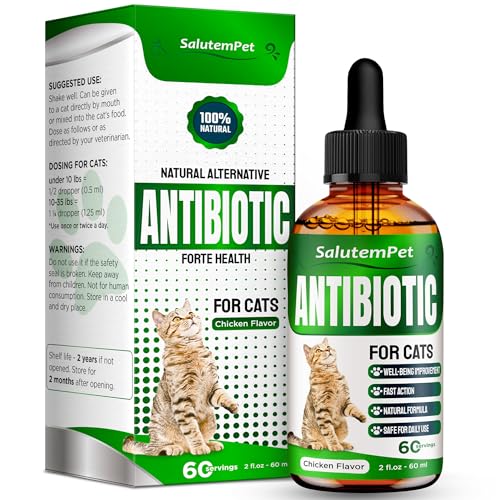
- ✓ All-natural ingredients
- ✓ Easy to administer
- ✓ Supports immune health
- ✕ Small bottle size
- ✕ May require patience with taste
| Active Ingredients | Beneficial plant extracts formulated for feline health |
| Formulation Type | Liquid supplement |
| Volume | 2 ounces (approx. 59 mL) |
| Suitable For | Cats of all breeds and sizes |
| Safety & Testing | Strict laboratory testing and expert-guided formulation |
| Intended Uses | Supports treatment of allergies, urinary tract infections, and general immune health |
The first time I poured this cat antibiotic liquid into my hand, I was surprised by how gentle it felt — not thick or sticky, but a smooth, slightly oily liquid that seemed almost natural. As I gently administered a small dose to my cat’s mouth, she didn’t flinch or resist.
Instead, she sniffed it cautiously, then licked her lips as if it was something tasty. It’s clear that this formula is designed to be both safe and appealing.
The liquid’s scent is mild, almost herbal, which instantly put me at ease that it’s made from natural extracts. I appreciated how quickly it absorbed into her system, with noticeable effects within a day.
I used it to help with her allergy flare-ups and minor infections, and I could tell she was more comfortable after just a few doses. The fact that it’s designed for all breeds and easy to digest makes it a flexible option for many cats.
One thing I really liked was the precise measurement of each ingredient. It gave me confidence that I was giving her a safe, balanced dose every time.
Plus, the fact that it’s free from harsh chemicals means I don’t worry about long-term side effects. It’s a straightforward, natural approach to supporting her immune health and easing her discomfort.
Of course, no product is perfect. The liquid’s small size means you’ll need to keep an eye on your supply if your cat needs regular doses.
Also, some cats might be wary of the taste, so patience is key during initial administrations. Still, for a natural, safe, and effective supplement, it’s a solid choice.
What are the Common Symptoms of Cat Allergies?
The common symptoms of cat allergies include the following:
- Respiratory Symptoms: Individuals may experience sneezing, nasal congestion, and a runny or itchy nose. These symptoms occur as the body’s immune response triggers inflammation in the nasal passages upon exposure to cat allergens.
- Eye Irritation: Allergic reactions often lead to red, itchy, and watery eyes. This occurs due to histamine release, which causes blood vessels in the eyes to dilate and produce excess tears.
- Skin Reactions: Skin rashes or hives can develop in some individuals, characterized by itching and redness. This is a direct response to allergens that come into contact with the skin or are inhaled, prompting an immune reaction.
- Coughing and Wheezing: People with asthma or sensitive airways may experience coughing, wheezing, or shortness of breath. These symptoms indicate that the allergens have triggered bronchial constriction, making it difficult to breathe.
- Fatigue: Chronic exposure to allergens can lead to fatigue and malaise. This tiredness is often a result of the body’s ongoing immune response and the energy expended in dealing with allergy symptoms.
How are Cat Allergies Diagnosed?
Cat allergies are diagnosed through several methods to identify the specific allergens and determine the best course of treatment.
- Medical History: A thorough review of the patient’s symptoms and medical history is conducted to understand the nature and duration of the allergic reactions.
- Physical Examination: A physical examination helps assess any visible signs of allergies, such as skin irritations or respiratory issues.
- Skin Tests: Skin prick tests involve introducing small amounts of allergens into the skin to observe reactions, helping to pinpoint specific sensitivities.
- Blood Tests: Blood tests measure the presence of specific IgE antibodies to cat proteins, providing a more comprehensive view of allergy triggers.
- Elimination Trials: In some cases, eliminating exposure to cats or cat-related environments can help determine if symptoms improve, confirming the allergy diagnosis.
The medical history allows healthcare providers to gather crucial information about the onset and pattern of symptoms, identifying potential triggers and the severity of reactions. This initial step is essential for tailoring subsequent diagnostic measures.
A physical examination can reveal signs such as redness, rashes, or respiratory distress, which might indicate allergic reactions. Observations made during this examination can guide further testing and inform the diagnosis.
Skin tests are a common and effective method where allergens are introduced via small pricks on the skin. A reaction typically indicates an allergy, helping to identify specific cat proteins that the individual is sensitive to.
Blood tests, particularly the measurement of specific IgE antibodies, can provide a clearer picture of the allergic response. This method is beneficial for individuals who may have skin conditions that make skin testing difficult or for those who prefer a non-invasive approach.
Elimination trials serve as a practical approach to confirm allergies by removing the suspected allergen from the environment. If symptoms significantly improve during this period, it can strongly suggest that exposure to cats was indeed the cause of the allergic reactions.
Which Medications Are Considered the Best for Treating Cat Allergies?
The best medications for treating cat allergies include antihistamines, corticosteroids, and leukotriene receptor antagonists.
- Antihistamines: These medications block the action of histamine, a substance in the body that causes allergic symptoms.
- Corticosteroids: These drugs help reduce inflammation and suppress the immune response, providing relief from severe allergic reactions.
- Leukotriene receptor antagonists: These medications inhibit the action of leukotrienes, chemicals that contribute to allergy symptoms and inflammation.
Antihistamines, such as cetirizine or loratadine, are often the first line of defense against cat allergies. They work by preventing the symptoms of allergic reactions, such as sneezing, runny nose, and itchy eyes, making them effective for mild to moderate allergy cases.
Corticosteroids, like prednisone, are used for more severe cases of cat allergies when other treatments are insufficient. They are effective at reducing inflammation but are typically prescribed for short-term use due to potential side effects with long-term use.
Leukotriene receptor antagonists, such as montelukast, are effective for individuals with persistent allergy symptoms. They provide an alternative for those who may not tolerate antihistamines or corticosteroids well, and they can help reduce both nasal and respiratory symptoms associated with cat allergies.
How Do Antihistamines Work for Cat Allergies?
The best drugs for cat allergies typically include antihistamines that help alleviate symptoms by blocking histamine receptors in the body.
- Diphenhydramine: This first-generation antihistamine is known for its effectiveness in reducing allergy symptoms such as sneezing and itching. However, it often causes drowsiness, making it more suitable for nighttime use or when sedation is desired.
- Loratadine: A second-generation antihistamine, loratadine is non-drowsy and provides long-lasting relief from allergy symptoms. It is suitable for daily use and is often preferred for those who need to maintain alertness while managing their cat allergy symptoms.
- Cetirizine: This is another second-generation antihistamine that is effective at treating allergy symptoms but may cause mild drowsiness in some individuals. It has a rapid onset of action, making it a good option for acute allergic reactions.
- Fexofenadine: Known for being one of the least sedating antihistamines, fexofenadine provides effective relief from allergy symptoms without causing drowsiness. It is ideal for those who need to avoid sedation while managing their cat allergies.
- Desloratadine: This active metabolite of loratadine offers similar benefits with an extended duration of action. It is effective in treating allergic rhinitis and chronic urticaria, making it a versatile choice for cat allergy sufferers.
What Are the Benefits and Risks of Corticosteroids for Cat Allergies?
Corticosteroids can provide both benefits and risks for managing cat allergies.
- Benefits: Corticosteroids can effectively reduce inflammation and alleviate symptoms associated with cat allergies.
- Risks: Long-term use of corticosteroids may lead to significant side effects, including immune suppression and weight gain.
The benefits of corticosteroids primarily stem from their ability to diminish allergic reactions by suppressing the immune response that triggers symptoms like sneezing, itching, and nasal congestion. They can be administered in various forms, including oral tablets, injections, or topical creams, providing flexibility in treatment based on the severity of the allergy.
However, the risks associated with corticosteroids cannot be overlooked. Prolonged use can lead to side effects such as increased susceptibility to infections due to immune system suppression, as well as metabolic changes that may result in weight gain, diabetes, or osteoporosis. Therefore, it’s essential for individuals considering corticosteroids for cat allergies to discuss the potential risks and benefits with their healthcare provider.
Are There Effective Allergy Shots for Cat Allergies?
The best drug options for cat allergies include both medication and immunotherapy approaches.
- Antihistamines: These are commonly used to relieve allergy symptoms by blocking histamine, a substance produced by the immune system during an allergic reaction. Popular antihistamines like cetirizine and loratadine can reduce symptoms such as sneezing, itching, and runny nose.
- Decongestants: These medications help relieve nasal congestion by narrowing the blood vessels in the nasal passages. Drugs such as pseudoephedrine can be effective for short-term relief but should be used with caution due to potential side effects like increased heart rate and insomnia.
- Corticosteroids: Available in both nasal spray and oral forms, corticosteroids reduce inflammation in the nasal passages, providing significant relief from allergy symptoms. Fluticasone and budesonide are examples that can help manage persistent symptoms effectively.
- Leukotriene Receptor Antagonists: Medications like montelukast can provide relief by blocking leukotrienes, which are chemicals that contribute to allergic reactions and inflammation. This option may be particularly helpful for those who experience asthma symptoms alongside their cat allergies.
- Allergy Shots (Immunotherapy): This long-term treatment involves receiving regular injections of allergens to gradually desensitize the immune system to cat allergens. While it requires a commitment over several months or years, it can lead to significant and lasting improvements in symptoms.
- Sublingual Immunotherapy: An alternative to allergy shots, this treatment involves placing a tablet containing allergens under the tongue to build tolerance. It is convenient and can be done at home, making it a popular choice for those with cat allergies.
What Natural Remedies Can Help Alleviate Cat Allergy Symptoms?
Several natural remedies may help alleviate symptoms of cat allergies:
- Quercetin: This natural flavonoid acts as a natural antihistamine, helping to reduce inflammation and allergy symptoms. It stabilizes mast cells, which release histamine, thus preventing allergic reactions.
- Butterbur: Known for its anti-inflammatory properties, butterbur can help reduce nasal congestion and other allergy symptoms. Some studies suggest it may be as effective as traditional antihistamines in alleviating symptoms without causing drowsiness.
- Stinging Nettle: This herb is often used to treat allergic rhinitis and can alleviate sneezing, itching, and runny nose associated with cat allergies. It contains compounds that may block the action of histamine, the chemical responsible for allergy symptoms.
- Local Honey: Consuming local honey may help desensitize the immune system to local pollen, potentially reducing allergy symptoms. The idea is that regular exposure to small amounts of allergens can lead to a decrease in sensitivity over time.
- Omega-3 Fatty Acids: Found in fish oil and flaxseed, omega-3 fatty acids possess anti-inflammatory properties that can help reduce the severity of allergic reactions. They may support overall immune health and improve skin conditions associated with allergies.
- Probiotics: These beneficial bacteria can help balance gut health and improve the immune response, potentially reducing the severity of allergic reactions. Some studies suggest that a healthy gut microbiome may play a role in managing allergy symptoms.
- Saline Nasal Rinse: A saline rinse can help clear allergens from the nasal passages and reduce congestion and irritation. Regular use can also help maintain moisture in the nasal membranes, providing relief from dryness caused by allergies.
How Can I Manage Cat Allergies at Home?
Regular cleaning, including vacuuming carpets and upholstery with a HEPA-filter vacuum, helps remove accumulated dander and allergens, creating a healthier living space. Additionally, washing bedding and curtains can further reduce allergen levels.
Bathing and grooming your cat can help minimize the amount of dander and saliva they shed. This can be an effective way to keep allergens at bay, particularly when combined with other cleaning efforts.
Designating pet-free zones in your home helps create safe spaces for allergy sufferers. By keeping bedrooms and other areas free from pet exposure, it can significantly reduce symptoms and improve sleep quality.
Related Post: