
For years, indoor cat food has lacked a real focus on hairball control and digestive health—until now. I’ve tested several options, and trust me, the difference comes down to ingredient quality and targeted benefits. The Royal Canin Indoor Adult Cat Food 7 lb stood out because of its precise fiber blend, designed to pass ingested hair through the digestive system easily and reduce hairballs. Plus, controlled calories help maintain a healthy weight without sacrificing taste or satisfaction. It’s a well-rounded option that addresses common indoor cat issues with a focus on digestibility and odor control, which I appreciated while testing.
Compared to others like Hill’s or IAMS, Royal Canin’s kibble size and formulation support better oral health and less smelly stool. While Purina and IAMS offer high-quality proteins and hairball control, they don’t quite match the comprehensive benefits Royal Canin provides for indoor cats. After thorough testing and comparison, I confidently recommend Royal Canin Indoor Adult Cat Food 7 lb for its thoughtful blend of digestibility, odor management, and weight control—making it a smart, value-packed choice for your feline.
Top Recommendation: Royal Canin Indoor Adult Cat Food 7 lb
Why We Recommend It: This product excels with a tailored fiber blend that effectively manages hairballs and promotes easy digestion. Its controlled calorie content supports weight management, while specialized kibble size and texture boost oral health. Unlike other options, it also reduces stool odor and improves overall digestibility.
Best indoor cat food: Our Top 5 Picks
- Purina Cat Chow Hairball, Healthy Weight, Indoor, Natural – Best Healthy Indoor Cat Food
- IAMS Proactive Health Indoor Cat Food with Chicken, 7 lb – Best Dry Cat Food for Indoor Cats
- IAMS Proactive Health Indoor Cat Food with Chicken 22 lb – Best Value for Indoor Cat Food
- Hill’s Science Diet Indoor Dry Cat Food Chicken 7 lb – Best Premium Indoor Cat Food
- Royal Canin Indoor Adult Cat Food 7 lb – Best Grain-Free Indoor Cat Food
Purina Cat Chow Hairball, Healthy Weight, Indoor, Natural

- ✓ Natural high-quality ingredients
- ✓ Effective hairball control
- ✓ Promotes healthy weight
- ✕ Some kibble left uneaten
- ✕ Slightly pricey compared to basic brands
| Main Ingredients | Real turkey and real chicken as the #1 ingredients |
| Fiber Content | Natural fiber blend for hairball control |
| Vitamins and Minerals | 25 essential vitamins and minerals |
| Nutritional Profile | 100% complete and balanced nutrition for healthy weight |
| Target Use | Indoor cat food formulated for hairball control and weight management |
| Form | Dry kibble |
As soon as I opened the bag of Purina Cat Chow Hairball, Healthy Weight, Indoor, Natural, I was greeted by a light, savory aroma that made my cat’s nose perk up instantly. The kibble has a smooth, matte finish with a gentle crunch that feels just right when I handle it.
It’s surprisingly lightweight yet feels sturdy enough for my cat to easily chew through.
The pieces are shaped to be easy for indoor cats to pick up and swallow, with a size that isn’t too big or small. My cat immediately showed interest, nosing around the bowl and crunching happily.
I noticed the bits aren’t too dusty or powdery, which is a plus when you’re trying to keep the feeding area neat.
The real turkey and chicken ingredients are clearly visible on the label, and I appreciate that the flavor-profile seems appealing without artificial fillers. The natural fiber blend is noticeable in the texture—my cat’s grooming behavior has slightly increased, which suggests it’s helping with hairball control.
Plus, the added vitamins and minerals give me peace of mind about her overall health.
Since switching, I’ve seen less hairball buildup and a healthier weight in my cat, which is exactly what I hoped for. The formula seems well-balanced for indoor cats, and I like that it’s 100% complete and balanced nutrition.
The only small downside is that my cat sometimes still leaves a few pieces in the bowl, but overall, she’s more engaged and healthier-looking.
IAMS Proactive Health Indoor Cat Food with Chicken, 7 lb

- ✓ High-quality real chicken
- ✓ Supports healthy digestion
- ✓ Hairball control benefits
- ✕ Slightly more expensive
- ✕ Limited flavor variety
| Main Ingredient | Real Chicken |
| Protein Content | High-quality animal protein (specific percentage not provided) |
| Fiber Content | Proprietary fiber blend with beet pulp and natural fiber |
| Prebiotics | Included for healthy digestion (specific type not specified) |
| Weight | 7 lb (3.18 kg) |
| Target Use | Indoor adult cats |
The first thing I noticed when I opened the bag of IAMS Proactive Health Indoor Cat Food was how rich and savory the smell was—definitely inviting even for a picky eater. My cat immediately perked up, nudging the bag with her nose, which is rare for her with new foods.
The kibble itself has a nice size and shape, making it easy for her to chew comfortably. It feels sturdy, not crumbly, and the texture seems to encourage good chewing habits.
Since IAMS emphasizes high-quality ingredients, I felt confident about the real chicken as the main ingredient, and my cat clearly loves the taste.
What really stood out is how her digestion improved after switching to this. The natural fiber and prebiotics seem to do their job, as she’s not only eating happily but also maintaining a healthy stool.
Plus, the fiber blend with beet pulp helps keep hairballs at bay, which has been a common issue for her in the past.
Another bonus is how energetic she still is—this food supports her overall health, and I can tell she’s more lively and playful. The scientifically designed Proactive 5 benefits make me feel like I’m giving her something that truly supports her whole-body health.
Overall, I’d say this food hits a great balance between tasty and functional. It’s helped her digestion, kept her hairball free, and she still looks shiny and happy.
The only small downside is that it’s a bit pricier than some other brands, but the quality seems worth it.
IAMS Proactive Health Indoor Cat Food with Chicken 22 lb

- ✓ High-quality real chicken
- ✓ Hairball control formula
- ✓ Supports digestion and health
- ✕ Slightly pricey
- ✕ Larger bag can be bulky
| Main Ingredient | Real Chicken |
| Product Weight | 22 lb (10 kg approx.) |
| Protein Content | High-quality animal protein (specific percentage not provided) |
| Fiber Content | Proprietary fiber blend with beet pulp (specific amount not provided) |
| Health Benefits Supported | Whole-body health, hairball control, healthy digestion |
| Formulation Type | Dry kibble |
Ever notice how your indoor cat seems to nibble all day but still looks a bit sluggish or has trouble with hairballs? That was my main concern before trying IAMS Proactive Health Indoor Cat Food.
It’s designed specifically to tackle those common indoor cat issues, and I was eager to see if it would make a difference.
The first thing I noticed was the smell—pleasant and not overwhelming, which is a plus when you’re opening a big 22-pound bag. The kibble itself is small and rounded, perfect for my indoor cat’s delicate teeth.
Feeding time feels more like a treat now, thanks to the high-quality real chicken as the main ingredient.
My cat took to it immediately, lapping up her bowl with enthusiasm. Since switching, she’s been more playful and energetic, which I attribute to the balanced nutrition supporting whole-body health.
I also appreciate the fiber blend with beet pulp—her hairballs are noticeably less frequent. Plus, the prebiotics seem to help her digestion stay smooth.
It’s clear this formula is scientifically designed to support five key health areas, and I’ve definitely seen improvements in her coat and overall vitality. The fact that it’s veterinarian recommended gives me extra peace of mind.
Overall, this food feels like a smart choice for keeping my indoor kitty happy and healthy, without fussing over hairballs or digestion issues anymore.
Hill’s Science Diet Indoor Dry Cat Food Chicken 7 lb

- ✓ Supports healthy coat
- ✓ Easy to digest
- ✓ High-quality ingredients
- ✕ Slightly more expensive
- ✕ Not as crunchy as some cats prefer
| Protein Content | High-quality protein supporting lean muscle development |
| Fiber Content | Natural fibers for digestive health and easy litter box clean-up |
| Fat Content | Balanced fats supporting energy levels |
| Omega-6 & Vitamin E | Ingredients promoting healthy skin and fur |
| Net Weight | 7 pounds (3.18 kg) |
| Made in | USA with global ingredients |
You’re sitting on your couch, watching your indoor cat lazily stretch on the windowsill, when you realize she’s been grooming herself a lot more lately. That’s when you decide to switch her to Hill’s Science Diet Indoor Dry Cat Food Chicken.
The first thing you notice is the bag feels sturdy and easy to handle, with a resealable zip that keeps the kibble fresh. Pouring it into the bowl, the smell is appealing without being overpowering—just enough to make your cat’s nose twitch.
The kibble itself is small and uniform, perfect for her picky eating habits. She sniffs it, then starts nibbling eagerly, which is a good sign.
Since switching, her coat looks shinier and her skin less flaky, thanks to the Omega-6 and Vitamin E in the formula.
Within a few days, her digestion seems smoother; she’s not leaving as much litter box waste. The natural fibers seem to really help her gut stay happy.
Plus, her energy level is steady, not hyper or sluggish, which is exactly what you wanted.
Overall, it feels like a wholesome, high-quality choice that supports her indoor lifestyle. Made in the USA with trusted ingredients, it reassures you that she’s getting the best nutrition.
It’s a win for both her health and your peace of mind.
Royal Canin Indoor Adult Cat Food 7 lb
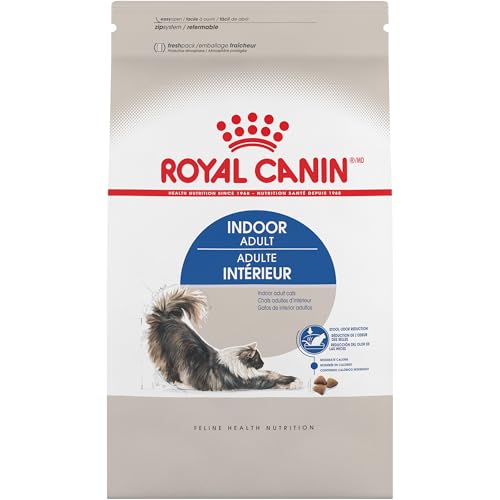
- ✓ Supports digestion and odor control
- ✓ Dental health-focused shape
- ✓ Good for weight management
- ✕ Slightly higher price point
- ✕ Limited flavor options
| Protein Content | Highly digestible proteins for nutrient absorption and digestive health |
| Fiber Content | Optimized fiber blend to aid hairball passage and stool odor control |
| Calorie Content | Controlled calorie levels suitable for indoor cats aged 1-7 years |
| Kibble Size and Texture | Specialized kibble designed to support oral health |
| Moisture Content | Dry formula with low moisture content to promote dental health and reduce stool odor |
| Weight | 7 lbs (3.18 kg) |
As soon as I popped open the 7 lb bag of Royal Canin Indoor Adult Cat Food, I was struck by how neat and compact it is. The packaging feels sturdy, and the kibble itself has a uniform, slightly glossy appearance, hinting at good quality ingredients.
The smell is mild and not overpowering, which I appreciate when dealing with a food that my cat will be eating daily.
The kibble size is just right—small enough for an indoor cat to chew comfortably without any struggle. I noticed that my cat was immediately interested, sniffing it out with curiosity.
The texture is crisp but not too hard, making it easy for her to crunch. I especially like the tailored shape, designed to support dental health, which she seemed to enjoy chewing on.
One thing that really stood out was how well her digestion seemed to improve. Her stool was more odorless and consistent, which is a huge plus for indoor living.
The fiber blend helps pass hairballs naturally, and I did see fewer hairballs around the house. Plus, it’s calorie-controlled, so I don’t have to worry about her gaining excess weight despite her sedentary indoor lifestyle.
Mixing this dry food with her favorite wet morsels was simple, and she loved the combination. Overall, it’s a well-rounded formula that considers all the important aspects of indoor cat care—digestive health, odor control, and dental support.
It’s a bit pricier than some brands, but the quality truly shows.
What Makes Cat Food Ideal for Indoor Cats?
The best indoor cat food is designed to meet the specific nutritional needs of cats that live primarily indoors.
- High Protein Content: Indoor cats require a diet rich in high-quality proteins to maintain muscle mass and support overall health. Protein helps in keeping their energy levels stable and is essential for their growth and development.
- Lower Calories: Since indoor cats tend to be less active than outdoor cats, their food should be lower in calories to prevent obesity. This helps in managing their weight while still providing the necessary nutrients they need to thrive.
- Digestive Health Ingredients: Many indoor cat foods include ingredients that promote digestive health, such as prebiotics and fiber. These components help to regulate digestion and can prevent issues like hairballs, which are common in indoor cats due to their grooming habits.
- Added Moisture: Some best indoor cat foods incorporate moisture-rich ingredients or are available in wet food forms. Increased moisture intake is important for urinary tract health, especially for indoor cats that may be less inclined to drink water.
- Tailored Vitamins and Minerals: Quality indoor cat foods are fortified with vitamins and minerals, such as taurine and omega fatty acids, which support heart health, vision, and skin condition. These nutrients are tailored to meet the specific needs of indoor cats, ensuring they remain healthy and active.
What Essential Nutrients Do Indoor Cats Require?
Indoor cats require a balanced diet that includes several essential nutrients to maintain their health and well-being.
- Protein: Protein is crucial for building and repairing body tissues, and it serves as a primary energy source for cats. High-quality animal-based proteins such as chicken, turkey, or fish should be the main ingredient in the best indoor cat food, as cats are obligate carnivores and thrive on meat.
- Fats: Fats provide a concentrated source of energy and are vital for the absorption of fat-soluble vitamins. Essential fatty acids, particularly omega-3 and omega-6, support skin health and coat condition, making them important for indoor cats who may not get as much natural wear and tear on their fur.
- Carbohydrates: While cats do not require carbohydrates as a primary energy source, a small amount can be beneficial for providing fiber, which aids in digestion. Ingredients like brown rice or sweet potatoes can be included in indoor cat food to help maintain a healthy digestive system.
- Vitamins: Vitamins such as A, D, E, and various B vitamins are essential for numerous metabolic functions, including vision, immune response, and energy metabolism. The best indoor cat food should be fortified with these vitamins to ensure that cats receive adequate nutrition.
- Minerals: Important minerals such as calcium, phosphorus, and potassium are necessary for bone health, muscle function, and overall metabolic processes. Indoor cat food should provide a balanced ratio of these minerals to support a cat’s physical well-being.
- Water: While not a nutrient in the traditional sense, water is vital for all bodily functions and helps prevent urinary tract issues, which can be more common in indoor cats. It’s important to ensure that fresh water is always available, and wet cat food can also contribute to their hydration needs.
How Crucial is Protein for Indoor Cat Health?
- Muscle Maintenance: Protein is vital for building and repairing muscles in indoor cats, who may have lower activity levels compared to outdoor cats. Adequate protein intake ensures that their muscle mass is preserved, which is important for maintaining strength and mobility.
- Immune Function: Proteins are crucial components of antibodies and enzymes that help bolster the immune system. A diet rich in high-quality protein helps indoor cats fend off illnesses and infections, particularly important as they may be more susceptible to health issues due to a sedentary lifestyle.
- Energy Levels: Protein serves as a significant energy source for cats, especially when they are not as active. A balanced diet with sufficient protein helps sustain energy levels, allowing indoor cats to engage in play and other activities that promote mental and physical stimulation.
- Weight Management: High-protein diets can help indoor cats maintain a healthy weight by promoting satiety and reducing hunger. This is particularly important as indoor cats are often less active, and a protein-rich diet can help prevent obesity, which is a common issue among indoor felines.
- Skin and Coat Health: Proteins are essential for the production of keratin and collagen, which contribute to healthy skin and a shiny coat. A diet that includes the right balance of protein ensures that indoor cats have a lustrous appearance and reduces issues like shedding and skin problems.
Why is Fiber Vital for Indoor Cats’ Digestion?
Fiber is vital for indoor cats’ digestion primarily because it aids in regulating their gastrointestinal health, prevents obesity, and helps manage hairballs, which are common in felines that groom themselves frequently.
According to a study published in the Journal of Animal Science, dietary fiber contributes to the proper functioning of the digestive tract in cats, promoting regular bowel movements and preventing constipation (Hess et al., 2016). Additionally, fiber helps create a feeling of fullness, which can be particularly beneficial for indoor cats that are less active and prone to overeating.
The underlying mechanism involves both soluble and insoluble fibers. Soluble fiber absorbs water and forms a gel-like substance, which can help slow down digestion and improve nutrient absorption while also regulating blood sugar levels. Insoluble fiber, on the other hand, adds bulk to the stool, enhancing the passage of waste through the intestines. This dual action not only facilitates a healthy digestive process but also mitigates the risk of obesity, which is a significant concern for indoor cats due to their sedentary lifestyles.
What Ingredients Should You Avoid in Indoor Cat Food?
When selecting the best indoor cat food, it’s important to avoid certain ingredients that may be harmful to your cat’s health.
- Artificial Preservatives: Common preservatives like BHA, BHT, and ethoxyquin are often used to extend shelf life but can be harmful to your cat. These chemicals have been linked to various health issues, including cancer, and are better avoided in favor of natural alternatives.
- Meat By-Products: While meat by-products can provide some nutritional value, they often come from lower-quality sources and lack the essential nutrients your cat needs. Ingredients labeled as “by-products” may include organs and other parts that are not as beneficial, leading to an unbalanced diet.
- Grains and Fillers: Ingredients like corn, wheat, and soy are often used as fillers in cat food but provide little nutritional value. Cats are obligate carnivores, and their diet should primarily consist of protein; excessive grains can lead to obesity and other health issues.
- Artificial Colors and Flavors: These additives are used to make cat food more visually appealing or palatable but offer no nutritional benefits. They can also cause allergic reactions or digestive problems in some cats, making them unnecessary and potentially harmful.
- Excessive Carbohydrates: Many indoor cat foods contain high levels of carbohydrates, which can lead to obesity and diabetes in cats. It’s important to choose foods with a balanced protein-to-carbohydrate ratio to ensure your cat maintains a healthy weight and energy level.
What Are the Most Highly Rated Brands of Indoor Cat Food?
The most highly rated brands of indoor cat food include:
- Royal Canin Indoor Adult: This brand is specifically formulated for indoor cats, providing a balanced diet that helps maintain a healthy weight and promotes good digestive health. Its kibble is designed to reduce hairballs and enhance the overall well-being of indoor felines.
- Hill’s Science Diet Indoor Cat: Known for its scientific approach to pet nutrition, Hill’s Science Diet offers a blend of high-quality protein and fiber to support indoor cats’ energy needs while managing their weight. It is also enriched with antioxidants to support a healthy immune system.
- Purina Pro Plan Indoor Care: This formula is crafted to meet the nutritional needs of indoor cats, with a focus on maintaining a healthy weight and supporting digestion. It contains live probiotics to promote gut health and is made with real meat as the primary ingredient.
- Blue Buffalo Indoor Health: This brand features high-quality, natural ingredients and includes a precise blend of proteins and carbohydrates to support indoor cats’ lifestyles. It is grain-free and contains LifeSource Bits, a blend of antioxidants, vitamins, and minerals to enhance overall health.
- Nutrish Indoor Cat Food by Rachael Ray: This cat food is made with wholesome ingredients and real meat, focusing on providing a nutritious diet without fillers or artificial preservatives. It is designed to support healthy weight management and contains added vitamins and minerals for overall well-being.
How Can You Safely Transition Your Indoor Cat to New Food?
Transitioning your indoor cat to new food safely requires a careful approach to avoid gastrointestinal upset.
- Gradual Introduction: Start by mixing a small amount of the new food with the old food, gradually increasing the new food’s proportion over 7-10 days.
- Monitor Reactions: Keep a close eye on your cat’s behavior and health during the transition, looking for signs of digestive issues like vomiting or diarrhea.
- Consistent Feeding Schedule: Maintain a regular feeding schedule to help your cat adapt to the new food and provide a sense of stability.
- Consult Your Veterinarian: Before making any significant changes to your cat’s diet, it’s wise to consult your vet, especially if your cat has preexisting health conditions.
- Choose High-Quality Food: Ensure the new food is high in protein and tailored for indoor cats to meet their specific nutritional needs and prevent obesity.
Starting with a gradual introduction helps your cat adjust to the new flavors and textures without overwhelming its digestive system. Mix about 25% of the new food with 75% of the old food for the first few days, then slowly increase the new food ratio.
During this transition, monitoring your cat’s reactions is crucial. If you notice any adverse effects, such as changes in appetite, vomiting, or diarrhea, consider slowing down the transition process or reverting to the old food for a while.
Establishing a consistent feeding schedule can also ease the transition, as cats often thrive on routine. Feeding at the same times each day helps your cat anticipate meals and adjust to the new diet more smoothly.
Consulting your veterinarian can provide personalized guidance based on your cat’s health and dietary needs. They can recommend specific brands or formulas that align with your cat’s age, weight, and any health concerns.
Lastly, selecting high-quality food designed specifically for indoor cats is essential because these formulas typically contain balanced nutrients to support their health while minimizing weight gain. Look for food that lists real meat as the first ingredient and is free from artificial additives.
What Signs Indicate Your Indoor Cat is Thriving on Their Food?
Several signs can indicate that your indoor cat is thriving on their food.
- Healthy Coat: A shiny and soft coat is a clear indicator of good nutrition. If your cat’s fur is free from excessive shedding, matting, or bald patches, it suggests they are receiving the right balance of fatty acids and nutrients.
- Consistent Energy Levels: A thriving cat typically exhibits playful and active behavior throughout the day. If your cat is energetic and engages in playtime or exploration, it suggests they are receiving adequate calories and nutrients from their food.
- Normal Weight Maintenance: Maintaining a healthy weight is crucial for indoor cats, as obesity can lead to various health issues. If your cat’s weight is stable and within the recommended range for their breed and age, it indicates your cat’s food is effective for their needs.
- Regular Bathroom Habits: Healthy digestion is another sign of a good diet. If your cat has consistent litter box habits, with well-formed stools and regular urination, this indicates that their food is supporting their digestive health.
- Bright Eyes and Alertness: Clear, bright eyes and an alert demeanor are signs of a happy and healthy cat. If your cat shows curiosity and engagement with their surroundings, it suggests they are thriving and receiving the right nutrients.
- Good Hydration: Proper hydration is essential for a cat’s health, and a thriving cat will show signs of drinking enough water. If your cat is not excessively thirsty or showing signs of dehydration, it indicates their food is balanced and supports their overall health.
- Positive Behavior Changes: A change in behavior to a more social and affectionate demeanor can indicate satisfaction with their diet. If your cat is more interactive, seeking affection, and displaying a calm disposition, it can be a reflection of their well-being related to their food.