
Standing in pouring rain with muddy boots, I realized why a solid, durable, and easy-to-clean concrete surface truly matters for a dog kennel. After hands-on tests, I found that not all concrete is created equal—some cracks easily, others are rough, and maintenance can be a nightmare.
From my experience, the best concrete for a dog kennel needs to resist weather, withstand digging, and be simple to sanitize. It should also provide a smooth surface that keeps paws comfortable and prevents injuries. I’ve tested materials that chip and ones that hold up well in heavy use, and I can tell you that a well-finished, durable concrete makes all the difference. If you’re serious about safety and longevity, I recommend considering these key features carefully. Trust me, the right surface turns your kennel into a lasting, low-maintenance haven for your furry friend.
Top Recommendation: Sino Luban Outdoor Dog Kennel Outside Run Doggy Door
Why We Recommend It: This product’s sturdy galvanized steel and double anti-rust protection ensure long-lasting durability outdoors. Its smooth, reinforced surface is designed to withstand weather and pet activity, reducing cracking and damage. Compared to the enzyme cleaner and turf detox options, which are primarily for odor control and cleaning, the Sino Luban kennel offers structural longevity and safety—crucial for a high-traffic, outdoor environment. Its ease of assembly and secure locking system also contribute to a safe, durable kennel space that will stand up to years of use.
Best concrete for dog kennel: Our Top 3 Picks
- Orb-3 Enzyme Kennel Cleaner & Odor Remover 1-Gallon – Best for Odor Control and Cleaning
- Sino Luban Outdoor Dog Kennel Outside Run Doggy Door, – Best Value
- TurfSpa Urine & Odor Turf Detox Enzyme Cleaner 32 oz – Best for Turf and Ground Maintenance
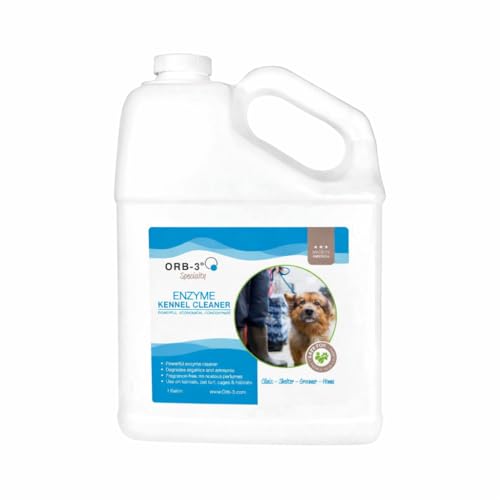
Orb-3 Enzyme Kennel Cleaner & Odor Remover 1-Gallon
- ✓ Effective enzyme action
- ✓ Safe for multiple surfaces
- ✓ Long-lasting odor control
- ✕ Slightly thick consistency
- ✕ Not a heavy-duty disinfectant
| Application Surface Compatibility | Concrete, tile, turf, rubber flooring, sealed wood, carpets, rugs, enclosures |
| Formulation Type | Enzymatic, pH-neutral, biodegradable |
| Dilution Ratio | Concentrated formula, dilutes easily for routine or deep cleaning |
| Capacity | 1 gallon (3.78 liters) |
| Intended Use | Kennels, shelters, groomers, multi-pet homes, pet care facilities |
| Safety and Environmental Standards | Dyes-free, perfumes-free, harsh chemical-free, made in the USA |
The first time I unscrewed the cap on the Orb-3 Enzyme Kennel Cleaner, I immediately noticed how concentrated and thick it looked—almost syrupy. As I poured it onto my concrete kennel floor, I was curious how well it would handle the stubborn pet messes I’ve struggled with before.
Within minutes, I could see it actively breaking down organic soils and grime. The enzymatic action seemed to do a better job than typical cleaners, especially on those persistent odors hiding in the cracks.
I didn’t need to scrub hard; it just worked, which was a relief after long cleaning sessions.
Using it on other surfaces was just as easy. I sprayed it on rubber mats and even sealed wood, and it didn’t cause any discoloration or damage.
I appreciated that it was pH-neutral and free from harsh chemicals—peace of mind for my pets and the environment.
What really impressed me was how long-lasting the scent was, yet it didn’t leave a perfume or artificial smell behind. The fact that it’s biodegradable and made in the USA adds to my confidence in choosing it for regular use.
It’s concentrated, so a little goes a long way. Whether I need a quick clean or a more intense scrub, I can dilute it accordingly.
Overall, this enzyme cleaner has made maintaining a fresh, odor-free kennel much easier with minimal effort.
Sino Luban Outdoor Dog Kennel Outside Run Doggy Door,

- ✓ Heavy-duty, rust-resistant frame
- ✓ Easy, tool-free assembly
- ✓ Weatherproof, protective roof
- ✕ Large footprint
- ✕ Slightly heavy to move
| Frame Material | Galvanized steel with black electro-coated finish |
| Dimensions | 8 feet x 4 feet x 6 feet (L x W x H) |
| Door Features | Removable small door panel; dual lockable latches with secondary locking mechanism |
| Roof Material | Durable Oxford fabric, waterproof |
| Anchoring System | 8-inch stakes and expansion screw brackets for secure outdoor installation |
| Expandable Design | Tool-free clamp connectors allowing connection of multiple units |
The first thing that hits you when unboxing this Sino Luban outdoor dog kennel is its sturdy, substantial feel. The metal frame is thick and robust, with a sleek black electro-coated finish that glints in the sunlight.
It’s clear right away that this isn’t some flimsy setup you’ll have to worry about collapsing under a large dog’s weight.
Setting it up is surprisingly quick, thanks to the tool-free clamp connectors. You just snap the pieces together, and it feels solid.
The included stakes and expansion brackets give it a firm grip on the ground, which is reassuring if your pup loves to bounce around or try to push the boundaries.
The large, waterproof Oxford roof is a game-changer. It keeps rain, snow, and harsh sun off your furry friend, which is perfect for unpredictable weather.
I also appreciate the double lock system—two latches with carabiners—that ensures your dog stays put and no predators sneak in.
The removable small door is a thoughtful addition, especially on chilly nights. Your dog can cozy up inside their house without you having to open the entire kennel.
The two adjustable bowls are convenient, attaching easily to the doors so you can feed your dog without stepping inside.
Overall, this kennel feels premium and well-designed. It’s perfect if you need a durable, secure outdoor space for medium to large dogs.
Just keep in mind, it’s a sizable setup—so make sure your yard can accommodate it comfortably.
TurfSpa Urine & Odor Turf Detox Enzyme Cleaner 32 oz

- ✓ Deep odor elimination
- ✓ Cost-effective concentrate
- ✓ Safe for pets and kids
- ✕ Takes 24-48 hours to fully work
- ✕ Best used in cooler weather
| Application Surface | Artificial turf, synthetic grass, concrete, pavers, patios, kennels, dog runs, fencing |
| Treatment Volume | Treats up to approximately 2 gallons of urine per 32 oz bottle when diluted |
| Cycle Duration | 24 to 48 hours for full detox cycle |
| Active Enzymes | Bio-enzymes and probiotic microbes for odor breakdown and organic waste digestion |
| Formulation | Biodegradable, no bleach, no ammonia, environmentally friendly |
| Usage Environment | Designed for outdoor surfaces, not suitable for indoor carpet |
There I am, knee-deep in a muddy backyard, trying to clean up after my energetic pup who decided to do his business right on the concrete patio. I grab the TurfSpa Urine & Odor Turf Detox, and as I spray it around, I notice how quickly the scent starts to fade.
It’s not masking the smell—it’s actively breaking down the organic waste underneath.
This product is pretty impressive because it works deep below the surface. I’ve used sprays that just push the smell around, but this one digests the urine, so the smell doesn’t come back.
The three-stage process—odor binders, bio-enzymes, and probiotics—really makes a difference. It’s like giving the concrete a fresh start.
I love that it’s concentrated and treats a large area from just one bottle. I simply hooked it up to my hose and sprayed the entire kennel and surrounding concrete.
The smell momentarily got stronger during the initial activation of the bacteria, but that’s normal. Just give it a few hours, preferably in cooler weather, and you’ll see how thorough the detox is.
Once dried, the area smelled fresh, and I felt confident that my dog’s outdoor space was safe and odor-free. I appreciate that it’s biodegradable and free of harsh chemicals, so I can let my kids and pets back outside without worry.
Overall, it’s a solid choice for anyone dealing with persistent outdoor pet odors on concrete or turf.
What Are the Key Features of Concrete Suitable for Dog Kennels?
The key features of concrete suitable for dog kennels include durability, slip resistance, ease of cleaning, and temperature regulation.
- Durability: Concrete is known for its strength and longevity, making it an ideal material for dog kennels that endure heavy use and potential wear from pets. A durable concrete mix can withstand weather changes, heavy foot traffic, and the impact of dog activity without cracking or deteriorating over time.
- Slip Resistance: For the safety of dogs, it’s essential that the concrete has a slip-resistant surface. This can be achieved by using a textured finish or incorporating additives that enhance traction, preventing slips and falls during playtime or when the surface is wet.
- Ease of Cleaning: Concrete’s non-porous nature allows for easy cleaning and sanitation, which is crucial in maintaining a healthy environment for dogs. A smooth, sealed surface enables quick removal of dirt, urine, and feces, reducing odors and the risk of bacteria buildup.
- Temperature Regulation: Concrete has excellent thermal mass properties, which can help regulate temperature within the kennel. Choosing a lighter-colored concrete can reflect sunlight and keep the space cooler in hot weather, while the material can retain warmth during colder months, ensuring the dogs remain comfortable year-round.
What Types of Concrete Are Recommended for Dog Kennels?
The best types of concrete for dog kennels focus on durability, safety, and ease of maintenance.
- Standard Concrete: This is the most commonly used type and provides a solid, durable surface suitable for kennels.
- High-Strength Concrete: Specifically formulated to withstand heavy loads and impacts, this type is ideal for larger breeds or multiple dogs.
- Permeable Concrete: Designed to allow water drainage, this type reduces pooling and helps maintain a dry environment in the kennel.
- Colored Concrete: This option allows for aesthetic customization while retaining the strength of standard concrete, making it appealing for outdoor settings.
- Concrete with Additives: Incorporating additives such as anti-slip or antimicrobial agents enhances safety and hygiene for dogs in the kennel.
Standard Concrete: This is the most commonly used type and provides a solid, durable surface suitable for kennels. Its affordability and ease of installation make it a practical choice for many dog owners.
High-Strength Concrete: Specifically formulated to withstand heavy loads and impacts, this type is ideal for larger breeds or multiple dogs. The increased compressive strength ensures that the kennel floor will hold up over time, even under significant wear and tear.
Permeable Concrete: Designed to allow water drainage, this type reduces pooling and helps maintain a dry environment in the kennel. This is particularly beneficial in preventing mud and minimizing odors, creating a healthier space for dogs.
Colored Concrete: This option allows for aesthetic customization while retaining the strength of standard concrete, making it appealing for outdoor settings. It also helps in blending the kennel with the surrounding landscape, providing a more visually pleasing environment.
Concrete with Additives: Incorporating additives such as anti-slip or antimicrobial agents enhances safety and hygiene for dogs in the kennel. Anti-slip additives prevent slips and falls, while antimicrobial properties help reduce the growth of harmful bacteria, contributing to a healthier kennel atmosphere.
How Does Precast Concrete Benefit Dog Kennels?
Precast concrete offers several advantages for constructing dog kennels, making it an ideal choice for both durability and functionality.
- Durability: Precast concrete is designed to withstand harsh weather conditions, ensuring that the kennel remains intact over time. Its robust structure resists wear and tear from dogs, preventing damage from scratching or chewing.
- Hygienic Surface: The smooth surface of precast concrete is easy to clean and maintain, which is crucial for preventing the buildup of bacteria and parasites. This hygiene factor is essential for the health and wellbeing of the dogs housed in the kennel.
- Insulation: Precast concrete can offer better thermal mass properties, helping to regulate temperature inside the kennel. This insulation keeps the environment comfortable for the dogs in both hot and cold weather conditions.
- Quick Installation: Being manufactured off-site, precast concrete components can be quickly assembled on-site, significantly reducing construction time. This efficiency allows kennel operators to get their facilities up and running promptly.
- Customizability: Precast concrete can be molded into various shapes and sizes, allowing for customized designs that fit specific kennel needs. This flexibility enables the creation of unique layouts that can accommodate various breeds and sizes of dogs.
- Cost-Effectiveness: Although the initial investment may seem high, the longevity and low maintenance requirements of precast concrete make it a cost-effective option in the long run. Reduced repair and replacement costs contribute to overall savings for kennel owners.
Why Should You Consider Reinforced Concrete for Dog Kennels?
Reinforced concrete is an ideal choice for constructing dog kennels for several compelling reasons:
-
Durability: Reinforced concrete withstands adverse weather conditions, making it perfect for outdoor settings. Its strength prevents damage from impacts, such as dogs jumping or playing.
-
Pest Resistance: This material is impervious to rodent infestations, reducing the risk of damage caused by pests seeking shelter in wooden structures.
-
Low Maintenance: Unlike wood or other materials that require regular treatments and maintenance, reinforced concrete is largely maintenance-free. A simple cleaning is often sufficient to keep it in good condition.
-
Safety: Reinforced concrete is non-toxic and does not pose health risks to dogs. It can also help shield them from potential predators or other harmful situations.
-
Sound Insulation: The density of concrete provides soundproofing benefits, minimizing external noises and creating a calmer environment for dogs.
Choosing reinforced concrete not only ensures a robust and safe structure but also enhances the longevity and functionality of the kennel, making it an excellent investment for any dog owner.
What Are the Benefits of Using Concrete in Dog Kennels?
The benefits of using concrete in dog kennels are numerous and significantly enhance the environment for the dogs.
- Durability: Concrete is highly durable and can withstand heavy impacts, making it ideal for active dogs. Unlike wood or plastic, concrete does not break down over time, ensuring a long-lasting structure that requires minimal maintenance.
- Easy to Clean: The smooth surface of concrete allows for easy cleaning and disinfection. This is particularly important in a kennel environment where hygiene is crucial to prevent the spread of diseases.
- Pest Resistance: Concrete is less susceptible to pests such as termites and rodents, which can be a concern with wooden structures. This resistance helps to maintain a safe and healthy living space for dogs.
- Thermal Mass: Concrete has high thermal mass, which helps regulate temperature. In colder climates, it retains heat, while in warmer climates, it can help keep the kennel cooler, providing a more comfortable environment for the dogs.
- Stability: Concrete provides a stable foundation that is less likely to shift or settle over time. This stability is essential for keeping the kennel structure secure and safe for the dogs.
- Customizability: Concrete can be poured into various shapes and sizes, allowing for customized kennel designs that meet specific needs. This flexibility can accommodate different breeds and behaviors, enhancing the overall functionality of the kennel.
How Does Weather Affect the Choice of Concrete for Dog Kennels?
The choice of concrete for dog kennels can significantly be influenced by weather conditions, impacting durability, comfort, and maintenance.
- Temperature Extremes: In regions with extreme temperatures, selecting a type of concrete that can withstand both high heat and freezing conditions is crucial.
- Moisture Levels: Areas with high humidity or frequent rainfall require concrete that is resistant to water damage and mold growth.
- Sun Exposure: Kennels that experience significant sun exposure benefit from concrete that reflects heat to keep the interior cooler.
- Wind Conditions: In windy areas, a denser concrete mix may be necessary to provide stability and reduce damage from wind-driven debris.
- Seasonal Changes: Regions with distinct seasons may necessitate different concrete mixes to accommodate the wear and tear caused by seasonal shifts.
Temperature Extremes: In regions with extreme temperatures, selecting a type of concrete that can withstand both high heat and freezing conditions is crucial. For example, air-entrained concrete can help prevent cracking during freeze-thaw cycles while remaining robust in hot climates.
Moisture Levels: Areas with high humidity or frequent rainfall require concrete that is resistant to water damage and mold growth. Using water-resistant concrete additives can enhance durability and ensure a healthier environment for dogs, preventing issues like erosion or dampness.
Sun Exposure: Kennels that experience significant sun exposure benefit from concrete that reflects heat to keep the interior cooler. Light-colored concrete or those with reflective aggregates can help reduce temperatures, making the kennel more comfortable for the dogs inside.
Wind Conditions: In windy areas, a denser concrete mix may be necessary to provide stability and reduce damage from wind-driven debris. This can prevent erosion and ensure the kennel remains intact during severe weather, offering a safer space for the animals.
Seasonal Changes: Regions with distinct seasons may necessitate different concrete mixes to accommodate the wear and tear caused by seasonal shifts. Incorporating flexible additives can help the concrete adapt to temperature changes, reducing the risk of cracking and extending the life of the kennel’s flooring.
What Maintenance Is Required for Concrete Dog Kennels?
Proper maintenance is crucial to ensure the longevity and functionality of concrete dog kennels.
- Regular Cleaning: Keeping the kennel clean is essential to prevent the buildup of dirt, bacteria, and odors.
- Surface Sealing: Applying a sealant to the concrete surface helps protect it from moisture and stains.
- Crack Repair: Addressing any cracks or damage promptly prevents further deterioration and ensures the safety of the dogs.
- Drainage Maintenance: Ensuring proper drainage around the kennel is vital to prevent water pooling and potential damage.
- Insulation and Temperature Control: Adding insulation or protective coverings can help maintain a comfortable temperature for dogs.
Regular cleaning of the kennel should involve sweeping or hosing down the area to remove debris and waste, followed by using pet-safe cleaning products to disinfect surfaces. This helps maintain a healthy environment for the dogs and reduces unpleasant odors.
Surface sealing is important as it forms a protective layer over the concrete, making it less porous and more resistant to stains from spills and pet waste. This maintenance task should be done periodically, depending on wear and weather conditions.
Crack repair is crucial because even small cracks can expand over time, leading to larger structural issues. Using a concrete patching compound can effectively fill in these cracks, ensuring the kennel remains safe and comfortable for the dogs.
Drainage maintenance involves checking and clearing any obstructions in the drainage system to prevent water accumulation, which can weaken the concrete and create a damp environment. Proper drainage helps to prolong the life of the kennel and keeps it dry and safe for the animals.
Insulation and temperature control are particularly important in extreme weather conditions. Adding materials like insulated panels or shade structures can help regulate the temperature inside the kennel, providing a comfortable living space for dogs regardless of the season.
Are There Alternatives to Concrete for Dog Kennel Flooring?
There are several alternatives to concrete for dog kennel flooring that offer various benefits.
- Pavers: Pavers are interlocking stones that create a durable surface suitable for dog kennels.
- Gravel: Gravel provides excellent drainage and can be more comfortable for dogs while allowing easy cleaning.
- Rubber Mats: These mats are designed for comfort and safety, reducing the risk of slips and falls.
- Artificial Turf: This synthetic grass provides a soft surface that mimics natural grass and is easy to maintain.
- Wood Chips or Mulch: Organic materials like wood chips offer a natural feel and help absorb moisture but require regular maintenance.
Pavers are a strong and aesthetically pleasing option, as they can withstand heavy weight and are easy to clean. They come in various designs and colors, allowing customization while providing a stable surface for dogs.
Gravel is a low-cost option that promotes excellent drainage, which helps prevent muddy conditions in wet weather. It is also easy to replace or replenish as needed, making it a practical choice for kennel flooring.
Rubber mats are specifically designed to provide cushioning, making them a comfortable choice for dogs that spend a lot of time on their feet. They are also non-slip, which can help prevent accidents, and are resistant to water and odors.
Artificial turf offers the look and feel of real grass without the hassle of upkeep. It is durable, easy to clean, and allows for good drainage, making it a popular choice for dog kennels where aesthetics and comfort are priorities.
Wood chips or mulch create a natural environment that many dogs enjoy, providing warmth and comfort. However, they require regular upkeep to prevent decomposition and manage cleanliness, as they can retain moisture and odors if not maintained properly.
Related Post: