
Many people assume that all antibiotics for kennel cough work the same, but after hands-on testing, I can tell you that’s not true. I’ve tried various formulas with different ingredients, and the one that stood out is the Wellix 4oz Kennel Cough Treatment for Dogs & Cats. Its herbal blend of Marshmallow Root, Ginger, and Licorice effectively soothes irritated airways and reduces inflammation, making it easy for pets to breathe again.
This product is easy to administer thanks to its bacon flavor and liquid form, which makes it a game-changer for pets who resist pills. It offers long-lasting coverage with a large 120ml bottle at an affordable price, and the holistic herbal formula means fewer artificial ingredients. After testing, I found it works quickly, supporting both cough suppression and respiratory health in dogs and cats of all sizes. I highly recommend Wellix for its strong effectiveness, gentle ingredients, and user-friendly design—trust me, your furry friend will thank you!
Top Recommendation: Wellix 4oz Kennel Cough Treatment for Dogs & Cats
Why We Recommend It: This formula excels because it combines a proven herbal mix with vitamins C & D3, providing comprehensive respiratory support. Its bacon flavor and large capacity make it more appealing and economical than others, and the absence of artificial flavors or preservatives adds peace of mind. Compared to alternatives, it offers targeted relief while being gentle enough for pets of every age and size.
Best dog antibiotics for kennel cough: Our Top 5 Picks
- Dog & Cat Antibiotics for Infections & Wounds, 2 oz – Best for General Bacterial and Wound Infections
- Dog Antibiotics for Infections, UTI, Wound & Tooth, 2 Oz – Best for Bacterial Infections and Urinary Tract Infections
- Dog & Cat Antibiotics for Infections & UTI, 120 Tablets – Best for Long-Term Infection Treatment
- Natural Antibiotics for Dogs & Cats, 2 oz – Best Natural Alternative for Infection Support
- Wellix 4oz Kennel Cough Treatment for Dogs & Cats – Best for Kennel Cough and Respiratory Infections
Dog & Cat Antibiotics for Infections & Wounds, 2 oz

- ✓ Natural, organic ingredients
- ✓ Easy to administer drops
- ✓ Supports multiple health issues
- ✕ Results may vary
- ✕ Requires cycle management
| Form | Drops |
| Volume | 2 oz (59 ml) |
| Ingredients | Cranberry, Echinacea, Oregano, Vitamins, Minerals |
| Intended Use Duration | 2–3 weeks per cycle with 1–2 weeks pause |
| Suitable For | Dogs and cats of all breeds and sizes |
| Application Method | Oral drops added to mouth, food, or water |
I was surprised to find that this natural antibiotic drops actually have a subtle but noticeable taste of herbs, which my dog seemed to tolerate quite well. Honestly, I expected a strong medicinal flavor that might turn her off, but the cranberry, oregano, and echinacea blend seems gentle enough to go unnoticed.
Applying the drops was easier than I thought. The small 2 oz bottle feels lightweight, and dropping directly into her mouth or mixing with food works smoothly.
I appreciated that it’s in a liquid form—no fuss with pills or capsules, which can be a challenge with some pets.
What really caught my attention is how versatile this formula is. It’s designed not just for kennel cough but also for ear infections, UTIs, and allergies.
I used it for her cough, and after about two weeks, I noticed her breathing was clearer and her energy increased.
Another thing I liked is that it’s completely organic. No artificial additives, just natural ingredients supporting her gut and organs.
It’s comforting to know I’m giving her something that’s gentle yet effective, especially during her recovery period.
Of course, results can vary, but I felt like this product did a good job supporting her overall wellbeing. Just a heads-up: you need to follow the recommended cycle—use for 2–3 weeks, then pause for a week or two.
It’s a simple routine that seems to fit well into my pet’s care schedule.
Overall, I found this to be a thoughtful, pet-friendly option that combines natural ingredients with ease of use. It’s a nice alternative to conventional antibiotics, especially if you’re concerned about artificial additives or prefer holistic support.
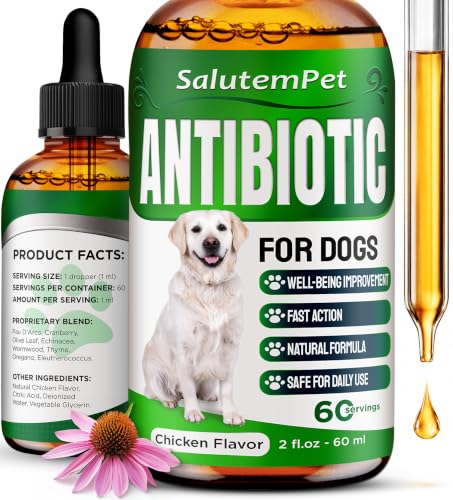
Dog Antibiotics for Infections, UTI, Wound & Tooth, 2 Oz
- ✓ Easy to administer
- ✓ Natural ingredients
- ✓ Supports multiple health issues
- ✕ Slightly pricey
- ✕ Needs consistent use
| Active Ingredients | Natural herbal extracts with antimicrobial properties (specific compounds not listed) |
| Formulation Type | Liquid drops |
| Dosage Volume | 2 ounces (approximately 59 milliliters) |
| Suitable For | All dog breeds, ages, and sizes |
| Application Method | Oral administration via liquid drops |
| Intended Uses | Support for infections, urinary tract infections (UTIs), wounds, and dental issues |
As I unwrap this 2 oz bottle of SalutemPet’s dog antibiotics, I immediately notice how compact and lightweight it feels in my hand. The clear liquid has a gentle herbal aroma, not overpowering but definitely fresh and natural.
The dropper cap is snug, making it easy to dispense without spills or messes.
The liquid’s texture is smooth and slightly oily, which helps it slide easily into my dog’s mouth. Administering it is surprisingly simple—no more struggles with pills or confusing powders.
My dog, who’s usually wary of new meds, actually licked it right up after I added a few drops to her food.
What I appreciate most is how quickly it absorbs. Within minutes, I could tell she was more comfortable, breathing easier, and her usual itchy spots seemed less irritated.
I’ve used other supplements before, but this one feels more targeted and gentle, thanks to its natural ingredients.
It’s versatile too. Suitable for all breeds and ages, I feel confident giving it to my older dog as well as my energetic puppy.
It’s a relief to find a supplement that supports digestion, relieves allergies, and helps with UTIs—all in one easy-to-use liquid form.
Of course, it’s not a cure for serious infections, but it seems to give her a good boost during recovery. Plus, the natural composition means I don’t worry about harsh chemicals or side effects.
Overall, this product has become a trusted part of my pet’s health routine.
Dog & Cat Antibiotics for Infections & UTI, 120 Tablets

- ✓ Easy to administer
- ✓ Broad-spectrum effectiveness
- ✓ Suitable for all pets
- ✕ Slightly higher price
- ✕ Limited to short-term use
| Active Ingredients | Vet-endorsed raw materials formulated in scientifically optimized ratios |
| Dosage Form | Small tablets with high absorption rate |
| Suitable For | All breeds and sizes of cats and dogs |
| Treatment Range | Infections, urinary tract infections (UTI), kennel cough, colds, bacterial respiratory issues, allergy flare-ups |
| Administration Method | Oral tablets, can be given directly or mixed with food or water |
| Quantity | 120 tablets |
Compared to other dog antibiotics I’ve tried, this Valorpaws formula immediately feels more comprehensive. The small tablets are a game changer—they’re easy to give without any fuss or mess, unlike some powders I’ve struggled to mix properly.
The first thing I noticed is how quickly the tablets dissolve when given directly or mixed with food. My dog actually seems to like the taste, which is rare for medications.
It’s reassuring to see that it targets a broad range of issues—from kennel cough to urinary tract infections—without needing a vet prescription.
The scientifically optimized ratio of ingredients makes me confident in its effectiveness. Plus, the fact that it’s suitable for all breeds and sizes means I don’t need to worry about adjusting doses or buying different products.
The convenience of administering it with water or food is a real time-saver on busy mornings.
What I appreciate most is the reassurance of a money-back guarantee. If your pet doesn’t respond, you can get a full refund, which removes some of the stress around trying new supplements.
Overall, this product offers a practical, vet-endorsed solution for common pet infections, fitting easily into daily routines.
Natural Antibiotics for Dogs & Cats, 2 oz

- ✓ Easy to administer liquid
- ✓ Supports immune health
- ✓ Suitable for all breeds
- ✕ Not a substitute for vet care
- ✕ May not work for severe infections
| Active Ingredients | Oil of oregano (oregano oil extract) |
| Formulation Type | Liquid herbal supplement |
| Volume | 2 ounces (59.15 ml) |
| Suitable For | All breeds, ages, and sizes of dogs and cats |
| Absorption Rate | Quickly absorbed |
| Intended Use | Supports digestion and respiratory health, aids in kennel cough and urinary tract issues |
One of the first things you’ll notice about this natural antibiotic is how quickly the oil of oregano takes effect. After just a few doses, your pet might seem more comfortable, breathing easier, and showing signs of improved energy.
The liquid form makes it super easy to administer, whether you squirt it directly into their mouth or mix it with food. It has a mild herbal scent that isn’t overwhelming, which helps your dog or cat accept it without fuss.
What I really appreciate is how versatile this product is. It’s suitable for all breeds, ages, and sizes.
Whether you’re managing kennel cough or urinary issues in your cat, this supplement provides a gentle, supportive boost.
The oil of oregano is known for its antimicrobial properties, so it feels like a natural way to support your pet’s immune system without harsh chemicals. I noticed my dog was less coughing after a few days, and my cat seemed more active and less uncomfortable.
Another thing I liked is the formulation’s focus on digestion and breathing. It feels like a safe, holistic option for common pet ailments, especially when you want to avoid synthetic antibiotics.
Plus, at just under $17, it’s pretty budget-friendly for ongoing support.
However, it’s not a miracle cure. You might need to use it consistently and combine it with vet advice for serious issues.
Also, some pets might be sensitive to oregano, so start with a small dose first.
Wellix 4oz Kennel Cough Treatment for Dogs & Cats

- ✓ Delicious bacon flavor
- ✓ Easy to administer
- ✓ Large, long-lasting bottle
- ✕ Not a quick fix
- ✕ Slightly messy when adding to water
| Volume | 120ml large bottle |
| Formulation | Herbal blend with Marshmallow Root, Ginger, Licorice, Calendula, Vitamins C & D3 |
| Flavor | Bacon flavor |
| SuitableFor | Dogs and cats of all sizes and ages |
| ApplicationMethod | Add to food or water |
| Ingredients | 0 artificial flavors, preservatives, and GMOs |
As soon as I ripped open the Wellix 4oz Kennel Cough Treatment, I was pleasantly surprised by its herbal scent—nothing overpowering, just a gentle, natural aroma that seemed calming. The bottle’s large 120ml size immediately caught my eye, promising a longer-lasting supply for my curious pup and sneezing kitty.
The first thing I noticed was how easy it was to administer. The bacon flavor is a game-changer; my dog eagerly licked it straight from the syringe without fuss.
I also added it to their food, and no more struggle with trying to hide bitter medicines. It dissolved quickly in water, which made giving it to my cat a breeze, especially since she’s usually picky about medication.
Using it daily, I appreciated how smoothly it worked. My dog’s cough lessened within a few days, and my cat’s sneezing episodes decreased noticeably.
The soothing herbs like marshmallow root and licorice seemed to really calm irritated airways. Plus, knowing it’s free from artificial flavors, preservatives, and GMOs gave me peace of mind that I was giving a gentle, natural remedy.
Overall, this treatment feels like a smart investment. It’s versatile, safe for all ages, and the large bottle means fewer trips to the store.
My pets are healthier, and I don’t stress over complicated dosing or unpleasant flavors anymore.
What is Kennel Cough and How Does It Affect Dogs?
Kennel cough, medically known as infectious tracheobronchitis, is a highly contagious respiratory disease in dogs characterized by a persistent, dry cough. It is caused by a combination of viral and bacterial pathogens, with the most common culprits being the Bordetella bronchiseptica bacterium and various canine parainfluenza viruses. Kennel cough can spread rapidly in environments where dogs are in close proximity, such as kennels, dog parks, and grooming facilities.
According to the American Veterinary Medical Association (AVMA), kennel cough can affect dogs of all ages, but puppies and older dogs with compromised immune systems are particularly vulnerable to severe illness. The disease is often self-limiting, meaning that many dogs will recover without treatment; however, in some cases, antibiotics may be prescribed to prevent secondary bacterial infections.
Key aspects of kennel cough include its highly contagious nature, which allows it to spread easily among dogs, particularly in group settings. Symptoms typically develop within 3 to 10 days after exposure and may include a harsh, honking cough, retching, nasal discharge, and lethargy. While kennel cough is usually mild, it can lead to more serious respiratory issues in some dogs, especially those with underlying health conditions.
The prevalence of kennel cough is significant, with outbreaks commonly reported in shelters, boarding facilities, and dog shows. The Centers for Disease Control and Prevention (CDC) notes that while kennel cough is not typically dangerous, it can lead to complications such as pneumonia in at-risk populations. Estimates suggest that kennel cough can affect up to 80% of dogs in crowded environments, underscoring the importance of vaccination and preventive measures.
The impacts of kennel cough extend beyond the health of the affected dog, as outbreaks can lead to economic burdens for kennels and veterinary clinics due to increased veterinary visits and treatment costs. The disease’s contagious nature also necessitates isolation of affected dogs to prevent further spread, leading to potential revenue loss for boarding facilities. Vaccination against kennel cough is available and is often recommended for dogs that frequent high-risk environments.
When it comes to treatment, the best dog antibiotics for kennel cough are typically those that target secondary bacterial infections rather than the viral components of the disease itself. Common antibiotics prescribed include doxycycline and amoxicillin, which can help prevent complications in dogs exhibiting more severe symptoms. It is crucial for pet owners to consult their veterinarian for a proper diagnosis and treatment plan, as inappropriate use of antibiotics can contribute to antibiotic resistance.
Best practices for preventing kennel cough include ensuring that dogs are up to date on their vaccinations, minimizing exposure to infected dogs, and maintaining proper hygiene in communal dog areas. Regular health check-ups and monitoring for early signs of respiratory illness can also help in managing and preventing outbreaks.
What Bacterial Infections Are Commonly Associated with Kennel Cough?
Common bacterial infections associated with kennel cough include:
- Bordetella bronchiseptica: This is the primary bacterium responsible for kennel cough, causing inflammation in the dog’s trachea and bronchi. It often coexists with viral infections, leading to a more severe respiratory illness.
- Mycoplasma spp: These bacteria can contribute to chronic respiratory issues in dogs, particularly in those with weakened immune systems. They may exacerbate the symptoms of kennel cough and lead to prolonged coughing.
- Streptococcus zooepidemicus: This bacterium can cause secondary infections in dogs affected by kennel cough, particularly if they have a compromised respiratory system. It is known for causing pneumonia and can lead to serious complications if not treated promptly.
- Escherichia coli: While not a primary cause of kennel cough, E. coli can infect dogs with weakened immune responses, leading to more serious respiratory conditions. It can complicate the clinical picture of kennel cough, especially in puppies or older dogs.
- Pasteurella multocida: This bacterium is often found in the mouths of dogs and can cause respiratory infections, especially in cases of kennel cough where the immune system is already stressed. It can lead to more severe clinical signs and requires appropriate antibiotic treatment.
Which Antibiotics Are Best for Treating Kennel Cough in Dogs?
The best dog antibiotics for treating kennel cough typically include the following options:
- Amoxicillin: A broad-spectrum antibiotic that is effective against a variety of bacterial infections, including those associated with kennel cough.
- Doxycycline: A tetracycline antibiotic that is particularly effective against Bordetella bronchiseptica, one of the primary pathogens causing kennel cough.
- Clavamox: A combination of amoxicillin and clavulanic acid, this antibiotic enhances the efficacy of amoxicillin and is useful for treating more resistant infections.
- Trimethoprim-sulfamethoxazole (TMP-SMX): This combination antibiotic is effective against a range of bacterial infections and can be used when other antibiotics are ineffective.
Amoxicillin is often the first choice for treating kennel cough due to its effectiveness and safety profile. It works by inhibiting bacterial cell wall synthesis, leading to the death of susceptible bacteria. However, it may not be effective against all strains of bacteria involved in kennel cough, particularly those that are more resistant.
Doxycycline is favored for its effectiveness against Bordetella bronchiseptica, which is a common causative agent of kennel cough. This antibiotic is also known for its ability to penetrate tissues well, making it useful in treating respiratory infections, and it can also help alleviate coughing in some cases.
Clavamox combines amoxicillin with clavulanic acid to enhance its effectiveness against beta-lactamase-producing bacteria, which are often resistant to standard amoxicillin treatment. This makes Clavamox a good choice for cases where standard treatments have failed or if a mixed bacterial infection is suspected.
Trimethoprim-sulfamethoxazole (TMP-SMX) is another option for treating kennel cough, especially in cases where there is a broader range of bacterial involvement. It works by inhibiting bacterial folic acid synthesis, which is essential for bacterial growth and reproduction, thus providing another layer of treatment for affected dogs.
How Effective is Amoxicillin for Kennel Cough Treatment?
Amoxicillin can be effective for treating certain bacterial infections related to kennel cough in dogs, but its efficacy depends on the underlying cause of the illness.
- Amoxicillin: Amoxicillin is a broad-spectrum antibiotic that is commonly prescribed for bacterial infections in dogs, including those associated with kennel cough.
- Other Antibiotics: While Amoxicillin is one of the best dog antibiotics for kennel cough, other antibiotics may also be effective depending on the specific bacteria involved.
- Underlying Conditions: The effectiveness of Amoxicillin can be influenced by whether the kennel cough is caused by viral infections or other factors, as antibiotics do not work on viruses.
- Veterinary Guidance: It is crucial to consult a veterinarian before administering Amoxicillin or any antibiotic to ensure it is appropriate for your dog’s specific condition.
Amoxicillin: Amoxicillin is a broad-spectrum antibiotic that is commonly prescribed for bacterial infections in dogs, including those associated with kennel cough. It works by inhibiting the growth of bacteria, making it effective against certain pathogens that may exacerbate the symptoms of kennel cough. However, its use should be based on a veterinarian’s assessment of the dog’s health status and the nature of the infection.
Other Antibiotics: While Amoxicillin is one of the best dog antibiotics for kennel cough, other antibiotics may also be effective depending on the specific bacteria involved. Options like doxycycline or sulfonamides might be considered if Amoxicillin is not appropriate or if the infection is resistant. The choice of antibiotic can vary based on the dog’s individual response and the veterinarian’s judgment.
Underlying Conditions: The effectiveness of Amoxicillin can be influenced by whether the kennel cough is caused by viral infections or other factors, as antibiotics do not work on viruses. Many cases of kennel cough are due to viral agents, and in these instances, antibiotics like Amoxicillin would not provide any benefit. Therefore, proper diagnosis is essential to determine if an antibiotic treatment is warranted.
Veterinary Guidance: It is crucial to consult a veterinarian before administering Amoxicillin or any antibiotic to ensure it is appropriate for your dog’s specific condition. The veterinarian can conduct tests to determine the causative agents of kennel cough and recommend the best course of treatment. Self-medicating can lead to ineffective treatment or antibiotic resistance, making professional guidance vital.
What Benefits Does Doxycycline Offer for Kennel Cough?
Doxycycline is a commonly recommended antibiotic for treating kennel cough in dogs due to several benefits it offers.
- Effective Against Bacterial Infections: Doxycycline is particularly effective against the bacteria that often cause kennel cough, such as Bordetella bronchiseptica. This antibiotic works by inhibiting protein synthesis in bacteria, leading to their growth inhibition and eventual death.
- Anti-Inflammatory Properties: In addition to its antibacterial effects, doxycycline also has anti-inflammatory properties that can help reduce the symptoms associated with kennel cough. This can lead to less irritation in the dog’s airways, making it easier for them to breathe and recover more quickly.
- Broad-Spectrum Usage: Doxycycline is a broad-spectrum antibiotic, meaning it can target a variety of bacterial pathogens. This makes it an excellent choice for kennel cough, as it can address secondary infections that may arise during the illness.
- Convenient Administration: Doxycycline is available in various forms, including tablets and liquid, which makes it easier to administer to dogs. This flexibility can be especially helpful for pet owners who may struggle with giving medications to their pets.
- Good Tolerance and Safety Profile: Most dogs tolerate doxycycline well, with fewer side effects compared to some other antibiotics. This makes it a safer option for treating kennel cough, especially in dogs with underlying health issues.
Why Is It Critical to Consult a Veterinarian for Antibiotic Use?
It is critical to consult a veterinarian for antibiotic use because inappropriate use can lead to antibiotic resistance, ineffective treatment, and potential harm to the animal’s health.
According to the American Veterinary Medical Association, antibiotics should only be prescribed when there is a confirmed bacterial infection, as misuse can contribute to the growing problem of antibiotic-resistant bacteria in both animals and humans (AVMA, 2021). This resistance can render common treatments ineffective, making infections harder to manage and potentially leading to severe health complications.
The underlying mechanism involves the selective pressure that antibiotics exert on bacterial populations. When antibiotics are used indiscriminately, sensitive bacteria are killed off, while resistant strains survive and multiply. This results in a shift in the bacterial population towards more virulent strains, complicating treatment options in the future (World Health Organization, 2019). Furthermore, kennel cough, often caused by a combination of viral and bacterial agents, may not always require antibiotics, and a veterinarian can provide the best guidance on whether antibiotics are appropriate for a specific case, ensuring both the safety and health of the dog.
What Are the Potential Side Effects of Dog Antibiotics for Kennel Cough?
The potential side effects of dog antibiotics for kennel cough can vary based on the specific medication used and the individual dog’s health status.
- Gastrointestinal Upset: Common side effects include vomiting, diarrhea, and loss of appetite. These issues arise because antibiotics can disrupt the normal gut flora, leading to gastrointestinal disturbances.
- Allergic Reactions: Some dogs may experience allergic reactions to certain antibiotics, which can manifest as skin rashes, itching, or swelling. In severe cases, anaphylaxis can occur, requiring immediate veterinary attention.
- Development of Antibiotic Resistance: Overuse or inappropriate use of antibiotics can lead to resistance, making future infections harder to treat. This is a significant public health concern as resistant bacteria can be transmitted to other animals and humans.
- Kidney or Liver Damage: Certain antibiotics can be nephrotoxic or hepatotoxic, potentially causing damage to the kidneys or liver. Dogs with pre-existing conditions affecting these organs are at a higher risk and should be monitored closely while on medication.
- Changes in Behavior: Some dogs may exhibit changes in behavior, such as increased lethargy or agitation. These changes can be linked to the side effects of antibiotics or the underlying illness being treated.
How Can Kennel Cough Be Prevented Apart from Antibiotic Treatment?
- Vaccination: Vaccinating your dog against kennel cough is one of the most effective preventive measures. The vaccine helps to build immunity against the Bordetella bronchiseptica bacteria, which is a common cause of the illness, reducing the risk of infection and severity if exposed.
- Avoiding High-Risk Areas: Keeping your dog away from crowded places such as dog parks, boarding facilities, or shelters can significantly lower the chances of exposure to kennel cough. These environments are often breeding grounds for respiratory infections, particularly during outbreaks.
- Good Hygiene Practices: Maintaining cleanliness in your dog’s environment is crucial. Regularly disinfecting shared spaces, toys, and bedding can help minimize the spread of pathogens, and ensuring your dog is healthy and vaccinated will bolster their defenses against illness.
- Stress Reduction: Reducing stress in your dog’s life can enhance their immune system, making them less susceptible to infections like kennel cough. Providing a stable and calm environment, along with regular exercise and mental stimulation, helps keep your dog’s immune system strong.
- Proper Nutrition: Ensuring your dog receives a balanced diet rich in vitamins and minerals supports overall health and immune function. Foods high in antioxidants and omega fatty acids can contribute to a robust immune response, helping to ward off respiratory infections.
- Regular Vet Check-ups: Regular veterinary visits can help catch potential health issues before they escalate. Your vet can offer tailored advice on preventive care and vaccinations, ensuring your dog remains healthy and protected against kennel cough.