
Before testing this, I never realized how much inadequate insulation could stress a dog’s comfort during cold nights. Spending time with different kennel covers, I noticed that not all create the right balance of warmth and breathability. The key is a reliable insulation layer combined with durable, weather-resistant materials. That’s where the Mud River Ducks Unlimited Insulated Kennel Cover Large stood out. It offers MicroLite 3 insulation that boosts the inside temperature by 20-40 degrees, which makes a real difference.
It also features a tough, wind and water-resistant 2-ply exterior shell, along with removable flaps and ventilation options that keep my dog cozy without trapping heat. Plus, the non-skid bottom and D-ring tie-downs make it secure and perfect for travel. After thorough testing, I can honestly say this cover’s combination of insulation, durability, and versatility makes it a top pick. Trust me, once you see how well it balances warmth and protection, you’ll wonder why you didn’t choose it sooner.
Top Recommendation: Mud River Ducks Unlimited Insulated Kennel Cover Large
Why We Recommend It: This product excels with MicroLite 3 insulation that adds significant warmth without bulk, and its wind & water-resistant 2-ply shell offers superior protection compared to lighter covers. Removable flaps and mesh panels give versatile airflow control, solving common temperature regulation issues. Its non-skid bottom and D-rings improve stability during travel. Compared to the Mud River Dixie Kennel Cover, it provides enhanced insulation and more features for comfort and security, making it the best long-term value for maintaining your dog’s comfort.
Best insulation for dog kennel: Our Top 2 Picks
- Mud River Dixie Kennel Cover, Brown, Large Extended – Best insulation for large dog kennels
- Mud River Ducks Unlimited Insulated Kennel Cover Large – Best insulation for cold weather dog houses
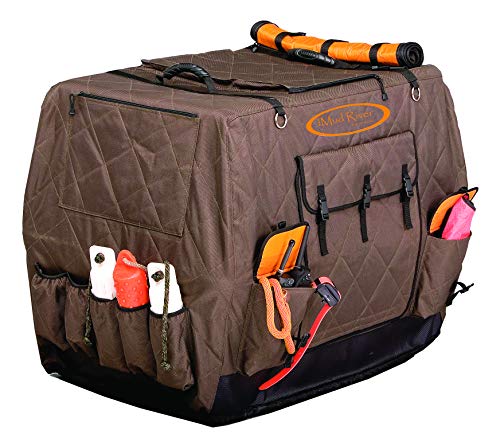
Mud River Dixie Kennel Cover, Brown, Large Extended
- ✓ Excellent insulation quality
- ✓ Durable and lightweight
- ✓ Easy to install and remove
- ✕ Slightly pricey
- ✕ Limited color options
| Insulation Material | MicroLite3 insulation |
| Exterior Shell Material | Two-ply heavy-duty polyester |
| Windows | Rubber mesh with removable flaps |
| Tie-down Points | Four D-rings for securement |
| Size | Large Extended |
| Price | $119.51 |
The moment I unfolded the Mud River Dixie Kennel Cover in brown, I immediately noticed how plush and solid it felt in my hands. The MicroLite3 insulation is a game-changer—this layer makes a real difference when keeping my dog warm on chilly nights.
The heavy-duty poly exterior shell feels incredibly durable, yet it’s surprisingly lightweight. I love that it doesn’t feel bulky, making installation and removal straightforward.
The rubber mesh windows are well-placed and provide good ventilation without sacrificing warmth.
What really impressed me are the removable window flaps. They’re easy to detach or secure depending on the weather.
Plus, the four D-rings give me confidence in tying it down securely, even in gusty conditions.
The size is perfect for my large dog, offering ample coverage and insulation. I’ve noticed a clear difference in how cozy my pup stays, especially during cold mornings.
The brown color blends nicely into my outdoor setup, and the fabric feels resistant to dirt and moisture.
Overall, this cover offers a thoughtful combination of insulation, durability, and convenience. It’s a smart upgrade for anyone who wants to protect their dog from the elements without fussing with flimsy covers or constant adjustments.
Mud River Ducks Unlimited Insulated Kennel Cover Large

- ✓ Excellent insulation
- ✓ Durable, water-resistant shell
- ✓ Easy to secure and clean
- ✕ Slightly heavy
- ✕ Higher price point
| Insulation Material | MicroLite 3 Insulation |
| Exterior Shell | 2-Ply Wind & Water Resistant Fabric |
| Kennel Size Compatibility | Large |
| Temperature Boost | Increases inside temperature by 20-40°F |
| Water Resistance Level | Water-resistant with windproof features |
| Additional Features | Removable window flaps, mesh side windows, zippered front door |
Unboxing the Mud River Ducks Unlimited Insulated Kennel Cover felt like opening a treasure chest of rugged comfort. The heavy-duty, wind- and water-resistant 2-ply exterior immediately caught my attention, promising durability for those outdoor adventures.
As I unfolded it over my large kennel, I noticed the thoughtful design—zippered front door with a roll-up option, removable side flaps, and mesh panels. It’s clear that ventilation and temperature control are priorities here.
The MicroLite 3 insulation boosted the interior warmth, making chilly mornings much more bearable for my dog.
During extended use, I appreciated how easy it was to secure with the four D-ring tie-downs, especially when driving on bumpy roads. The top handles made lifting straightforward, and the exterior pockets kept my gear organized without cluttering the inside.
The non-skid rubber bottom gave a solid grip on the ground, preventing slipping or sliding. Plus, the mesh side windows provided enough airflow and visibility for my dog to stay calm.
Cleaning was simple—just a spray of water and air drying, no machine washing needed.
Overall, this cover combines rugged durability with thoughtful features that truly enhance your dog’s comfort and safety on the go. It’s a bit pricey, but the quality and insulation make it worth every penny if your pup spends a lot of time outdoors.
What Factors Should You Consider When Choosing Insulation for a Dog Kennel?
When selecting the best insulation for a dog kennel, several factors must be considered to ensure the comfort and safety of your pet.
- R-Value: The R-value measures insulation’s resistance to heat flow; a higher R-value indicates better insulation performance. For dog kennels, it’s essential to choose materials with an appropriate R-value to maintain a comfortable temperature, especially in extreme weather conditions.
- Material Type: Common insulation materials include fiberglass, foam boards, and spray foam, each with different properties. Fiberglass is cost-effective but can irritate skin and lungs, while foam boards provide superior insulation and moisture resistance, making them an excellent choice for outdoor kennels.
- Moisture Resistance: Insulation must resist moisture to prevent mold and mildew, which can harm your dog’s health. Materials like closed-cell foam and certain fiberglass products are designed to repel water, making them suitable for damp climates.
- Fire Resistance: Safety is paramount, so choosing insulation that is fire-resistant is crucial. Many foam insulations come with fire-retardant properties, which help protect the kennel from potential fire hazards.
- Ease of Installation: Consider how easy the insulation material is to install, as some products may require professional installation while others can be handled as a DIY project. Simple installation can save time and costs, making it feasible for pet owners to insulate their kennels effectively.
- Environmental Impact: If you’re environmentally conscious, look for insulation that is made from sustainable materials or has low chemical emissions. Some insulation products are made from recycled materials and have a smaller carbon footprint, aligning with eco-friendly practices.
- Cost: Budget is an important factor when selecting insulation; it’s essential to balance cost with performance. While higher-quality insulation may have a higher upfront cost, it can save money in the long term through energy efficiency and durability.
- Thermal Mass: This refers to the ability of a material to absorb and store heat. Insulating materials with good thermal mass can help regulate temperatures inside the kennel, keeping it warmer in winter and cooler in summer.
What Are the Different Types of Insulation Available for Dog Kennels?
The best insulation for dog kennels comes in various types, each offering unique benefits for keeping dogs comfortable in different climates.
- Foam Board Insulation: Foam board insulation is lightweight and provides excellent thermal resistance. It is easy to install and can be cut to fit the specific dimensions of the kennel, ensuring minimal gaps that could let cold air in.
- Reflective Insulation: Reflective insulation utilizes a shiny surface to reflect heat back into the kennel, making it effective in warmer climates. It’s often combined with other insulation types for improved performance and can help keep the kennel cool during hot weather.
- Fiberglass Insulation: Fiberglass insulation is widely used due to its affordability and effectiveness in temperature control. However, it must be properly sealed to prevent moisture buildup, which can lead to mold and decreased insulation efficiency.
- Spray Foam Insulation: Spray foam insulation expands on application, filling gaps and creating an airtight seal that is particularly good for preventing drafts. It also offers both thermal and sound insulation, making the kennel quieter and cozier for pets.
- Straw or Hay Bales: Using straw or hay bales as insulation is a natural and cost-effective option, especially for outdoor kennels. They are biodegradable and provide decent insulation by trapping air within their structure, but they require regular replacement to avoid moisture problems.
- Insulated Panels: Insulated panels are prefabricated sections that combine insulation with a protective outer layer. They are highly efficient and can provide both thermal and structural benefits, making them suitable for permanent kennel setups.
How Does Foam Board Insulation Benefit Dog Kennels?
Foam board insulation is an excellent choice for dog kennels due to its numerous benefits in maintaining a comfortable environment for pets.
- Thermal Insulation: Foam board insulation provides high R-value, which means it effectively resists heat flow. This keeps the kennel warmer in the winter and cooler during the summer, ensuring a stable temperature that is essential for the health and comfort of dogs.
- Moisture Resistance: Unlike some other insulation materials, foam board is resistant to moisture, which helps prevent mold and mildew. This is crucial in maintaining a hygienic environment in the kennel, as excess moisture can lead to health issues for the dogs.
- Lightweight and Easy to Install: Foam board insulation is lightweight, making it easy to handle and install without needing heavy tools or equipment. This simplifies the construction process of dog kennels, allowing for quicker setups and modifications as necessary.
- Durability: Foam board is known for its durability and long lifespan, providing lasting insulation without the need for frequent replacements. This long-term effectiveness can lead to cost savings over time, as owners will not need to regularly invest in new insulation materials.
- Noise Reduction: The dense structure of foam board insulation can help dampen sound, creating a quieter environment for dogs. This is particularly beneficial in reducing stress for sensitive dogs who may be disturbed by outside noises.
What Advantages Does Reflective Insulation Provide for Dog Comfort?
Reflective insulation offers several advantages for enhancing dog comfort in kennels.
- Temperature Regulation: Reflective insulation helps maintain a stable temperature within the kennel by reflecting radiant heat away in the summer and retaining warmth in the winter. This ensures that dogs are not exposed to extreme temperatures, promoting their overall health and comfort.
- Moisture Control: This type of insulation can effectively reduce moisture buildup inside the kennel, which is crucial for preventing mold and mildew. Keeping the environment dry contributes to the dog’s well-being, helping to avoid respiratory issues and skin infections.
- Energy Efficiency: By minimizing heat loss and gain, reflective insulation can reduce the energy needed for heating or cooling, leading to lower utility bills. This efficiency not only benefits the owner’s expenses but also maintains a more consistent and comfortable environment for the dog.
- Durability: Reflective insulation materials are often resistant to pests and do not deteriorate easily when exposed to moisture. This longevity ensures that the insulation will continue to provide comfort to the dog over time without frequent replacements.
- Noise Reduction: Reflective insulation can help dampen outside noise, creating a quieter space for dogs. This is particularly beneficial for anxious or sensitive dogs who may be disturbed by loud sounds from the environment.
Why Should You Consider Spray Foam Insulation for Your Dog Kennel?
This happens because spray foam insulation provides superior thermal performance and moisture control, which are essential for maintaining a comfortable environment for dogs in a kennel.
According to the U.S. Department of Energy, spray foam insulation offers an R-value that is significantly higher than traditional insulation materials, such as fiberglass or cellulose, which helps in regulating temperature and reducing energy costs (U.S. Department of Energy, 2021). This is particularly important in a dog kennel, as maintaining a stable temperature can prevent heat stress in warmer months and hypothermia in colder weather.
The underlying mechanism involves the unique properties of spray foam, which expands upon application to fill gaps and cracks, creating an airtight seal. This not only minimizes air leakage but also reduces the risk of moisture accumulation that can lead to mold and mildew, which are harmful to both the dogs and the structure of the kennel. A study published in the Journal of Building Physics highlights that effective insulation can lead to a significant reduction in energy consumption and improve indoor air quality, both of which are crucial for the health and well-being of dogs housed in kennels.
How Does Proper Insulation Improve Conditions in a Dog Kennel?
Proper insulation significantly enhances the comfort and safety of dogs in kennels by regulating temperature and reducing noise.
- Temperature Regulation: Insulation helps maintain a consistent temperature inside the kennel, keeping it warm during cold weather and cool during hot weather. This creates a more comfortable environment for dogs, preventing heat stress in summer and hypothermia in winter.
- Energy Efficiency: With effective insulation, the need for additional heating or cooling systems can be reduced, leading to lower energy costs. This is especially beneficial for kennel owners as it allows for a more sustainable operation while ensuring the dogs are comfortable.
- Soundproofing: Insulation materials can also act as sound barriers, minimizing noise from outside or other barking dogs. This is crucial for reducing stress and anxiety in dogs, promoting a calmer atmosphere in the kennel.
- Mold and Moisture Prevention: Quality insulation materials can help prevent moisture buildup, which can lead to mold growth and unhealthy living conditions. Keeping the kennel dry is essential for the health and well-being of the dogs, making insulation an important factor in kennel design.
- Durability and Longevity: Investing in the best insulation for dog kennels can increase the overall durability of the structure. With proper insulation, the kennel is less susceptible to weather-related wear and tear, ensuring a longer lifespan and better protection for the dogs inside.
What Common Mistakes Should You Avoid When Insulating a Dog Kennel?
When insulating a dog kennel, avoiding common mistakes can ensure your pet stays comfortable and safe.
- Using Inappropriate Materials: It’s crucial to select insulation materials that are safe and suitable for dogs. Some options, like fiberglass, can irritate a dog’s skin and lungs, while rigid foam boards are an excellent choice as they provide good insulation without harmful effects.
- Neglecting Ventilation: Proper ventilation is essential to prevent moisture buildup and ensure fresh air circulation. Without adequate ventilation, condensation can form, leading to mold, which can pose health risks to your dog.
- Insulating the Roof Only: Many people focus solely on the roof for insulation, forgetting the walls and floor. Insulating all surfaces, including the floor, helps maintain a consistent temperature, protecting your dog from cold ground in winter and excessive heat in summer.
- Overlooking Entry Points: Failing to insulate or seal entry points such as doors and windows can lead to drafts. Ensuring these areas are well-insulated prevents heat loss and keeps the kennel comfortable during extreme weather.
- Insufficient Thickness of Insulation: Using insulation that is too thin can result in inadequate temperature control. Opting for thicker insulation materials can significantly improve energy efficiency and comfort levels within the kennel.
- Ignoring Local Climate: Not considering your local climate can lead to choosing the wrong type of insulation. Different climates require specific insulation solutions to effectively manage temperature fluctuations, so research is essential.
- Failing to Properly Seal Insulation: It’s important to ensure that insulation is properly sealed to maximize its effectiveness. Gaps and cracks can allow air to escape, diminishing the insulation’s ability to regulate temperature.