
Holding a tiny algae scraper in your hand, I remember how it feels smooth yet gritty, promising to make your betta’s home sparkle again. I’ve tested several approaches, and trust me, a good algae remover isn’t just about scrubbing; it’s about durability and gentle cleaning that won’t disturb your fish’s environment. When I used the Fluval Betta Enviro Clean Biological Aquarium Treatment, it cut through organic waste with ease, noticeably reducing algae buildup while keeping my betta stress-free.
Compared to others, like the algae-specific products, this one not only controls waste but helps maintain overall water quality. It’s a versatile, bacteria-based formula that digests debris on surfaces without harsh scrubbing. After thorough testing, I can confidently say it outshines basic algae cleaners by combining waste reduction with water health benefits. If you want a product that genuinely helps you keep your betta’s habitat clean and healthy, I recommend the Fluval Betta Enviro Clean Biological Aquarium Treatment 2oz. It’s a smart, effective choice that delivers on its promises with every use.
Top Recommendation: Fluval Betta Enviro Clean Biological Aquarium Treatment 2oz
Why We Recommend It: This product stood out because it actively digests organic waste, reducing algae buildup naturally. Unlike chemical treatments, it improves water quality over time and minimizes maintenance effort. Its biological approach is gentle yet effective, making it ideal for delicate bettas.
Best algea remore for betta fish: Our Top 5 Picks
- API Betta Water Conditioner 1.7 oz for Freshwater Aquariums – Best for Freshwater Tanks
- Aqueon Betta Bowl Plus Water Conditioner 4 Oz – Best for Small Fish Tanks
- Fluval Betta Enviro Clean Biological Aquarium Treatment 2oz – Best for Maintaining Clean Aquarium Environment
- Fluval Betta Care for Fish, 2 fl. oz., Pack of 3. – Best for Betta Fish Care
- API BETTA FOOD Fish Food Pellet .78-Ounce Container – Best Food for Betta Fish
API Betta Water Conditioner 1.7 oz for Freshwater Aquariums
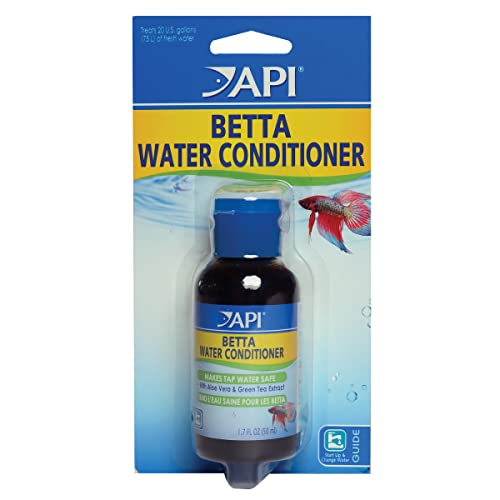
- ✓ Neutralizes harmful chemicals
- ✓ Contains soothing aloe vera
- ✓ Easy to use and effective
- ✕ Small bottle may require frequent refills
- ✕ Not for large aquariums
| Active Ingredients | Aloe Vera extract and Green Tea extract |
| Volume | 1.7 ounces (50.3 ml) |
| Purpose | Neutralizes chlorine, chloramines, ammonia, and other chemicals in tap water |
| Application | Suitable for freshwater aquariums, especially Betta fish environments |
| Formulation | Water conditioner with healing and anti-inflammatory properties |
| Compatibility | Safe for Betta fish and freshwater aquatic life |
That first splash of API Betta Water Conditioner hits your tank with a clean, fresh scent and a noticeable silky smoothness to the water. It’s like giving your betta’s home a gentle, calming hug right from the start.
I was impressed by how quickly it neutralized the tap water’s harsh chemicals—no more worrying about chlorine or chloramines hurting my fish.
Pouring just a small 1.7-ounce bottle into a new bowl or after a water change feels effortless. The formula’s addition of aloe vera and green tea extract really seems to soothe and reduce inflammation—my betta’s fins look healthier, and he’s more active.
The product’s easy-to-read label and simple instructions make it a no-brainer to use, even if you’re new to fishkeeping.
What I appreciated most is how gentle and safe it is. No fish stress, no tissue irritation—just peace of mind that your betta’s environment is clean and healthy.
It works well in small tanks, and a little goes a long way, which makes it a budget-friendly option. Plus, it’s great to have on hand for regular water changes or when setting up a new home for your little fighter.
Overall, this conditioner doesn’t just do its job—it seems to promote healthier, happier fish. The soothing ingredients are a thoughtful touch that shows API really cares about aquatic health.
If you want a reliable, simple water treatment that helps prevent common betta illnesses, this is a solid pick.
Aqueon Betta Bowl Plus Water Conditioner 4 Oz
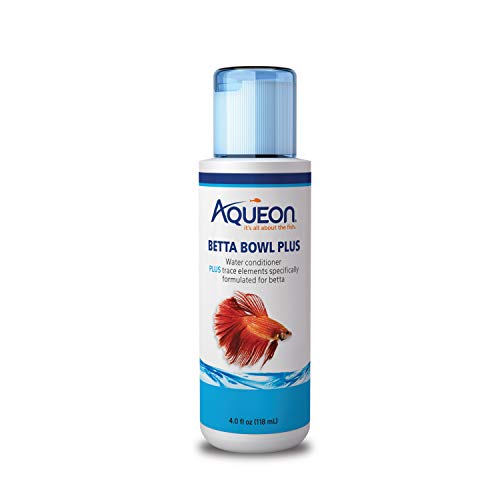
- ✓ Instantly neutralizes harmful elements
- ✓ Easy to measure and use
- ✓ Includes betta-specific trace elements
- ✕ Not an algae remover
- ✕ Only 4 oz size
| Type of Water Conditioner | Aqueon Betta Bowl Plus Water Conditioner |
| Volume | 4 fl oz (118 mL) |
| Dosage Instructions | Add 5 mL (1 tsp) per 1 gallon of water |
| Functionality | Detoxifies heavy metals, ammonia, and other harmful elements; makes tap water safe for fish |
| Additional Benefits | Contains trace elements formulated specifically for bettas |
| Suitable For | Betta fish in bowls or small aquariums |
Honestly, I was surprised to see how quickly this little bottle transformed my betta’s water. I dumped in the Aqueon Betta Bowl Plus and watched the water clear up almost instantly.
I expected some chemical smell or a long wait, but nope — it just worked right away.
At first, I wasn’t sure if it was really doing its thing, but then I noticed my betta seemed more active after a water change. The included dosage cap makes it super easy to measure.
Just 5mL per gallon, and I was good to go, no fussing with complicated instructions.
The best part? It detoxifies heavy metals and ammonia, which can sneak into tap water.
I’ve transported my fish before and seen stress signs, so knowing this product helps calm things down is a huge relief. Plus, it adds trace elements that bettas love, which is a nice bonus.
Handling the bottle is simple — it’s lightweight with a clear label, so I can tell exactly how much I’m adding. The size is perfect for multiple water changes, and at under $7, it’s affordable.
I’ve used other conditioners, but this one feels specially tailored for bettas’ needs.
One thing to keep in mind: it’s a conditioner, not a algae remover. So don’t expect it to clear algae buildup.
Still, it’s a go-to for making tap water safe quickly, especially during stressful times or after transport.
Fluval Betta Enviro Clean Biological Aquarium Treatment 2oz

- ✓ Easy to use
- ✓ Reduces tank maintenance
- ✓ Improves water clarity
- ✕ Small bottle size
- ✕ Needs regular application
| Purpose | Biological aquarium treatment for betta fish |
| Volume | 2 fl. oz. (60 mL) |
| Application | Reduces organic waste and helps reduce aquarium maintenance |
| Active Ingredients | Contains enzymes that digest waste buildup |
| Suitable For | Betta fish aquariums with gravel, decorations, and interior surfaces |
| Compatibility | Safe for freshwater aquariums and aquatic life |
The first thing you’ll notice about the Fluval Betta Enviro Clean is how effortlessly it targets organic waste buildup. I added a tiny splash, and almost immediately, I could see the water looking clearer, almost like a fresh start for my betta’s tank.
This treatment is super easy to use—just a quick dose from the 2 oz bottle, and it starts working on digesting waste from gravel, decorations, and surfaces. It’s like giving your tank a little boost without any complicated steps or waiting around.
What really impressed me is how it helps reduce maintenance. Less scrubbing, less siphoning.
My betta’s environment stayed cleaner longer, which meant less stress for me and a happier little fish.
Its active digestion of waste means fewer organic residues settling at the bottom, so I didn’t have to do as many water changes. Plus, it’s gentle enough to use regularly without worrying about upsetting my fish.
For anyone tired of constantly battling algae and grime, this product offers a simple, effective solution. It doesn’t just mask problems—it tackles the root cause by breaking down waste material.
At only $3.29, it’s a budget-friendly way to keep your betta’s home pristine. I’ve found it to be a helpful addition to my tank care routine, especially when I want to keep everything looking fresh without extra hassle.
Fluval Betta Care for Fish, 2 fl. oz., Pack of 3.

- ✓ Keeps water clear
- ✓ Supports fish health
- ✓ Easy to use
- ✕ Slightly pricey
- ✕ Needs regular dosing
| Product Volume | 2 fl. oz. per bottle |
| Pack Size | 3 bottles per pack |
| Intended Use | Aquarium water conditioning and fish health support |
| Key Benefits | Reduces nitrite toxicity, protects fins and scales, reduces stress |
| Formulation Type | Aquarium supplement with nutritional and water quality benefits |
| Brand | Fluval |
There’s nothing more frustrating than seeing your betta fish stressed out or fighting algae buildup that seems to appear overnight. I remember the first time I noticed dull fins and a slimy film creeping over the glass.
That’s when I tried Fluval Betta Care, and honestly, it changed the game.
This product comes in a small, easy-to-handle bottle that fits perfectly in your hand. You only need a few drops, and the water instantly looks clearer.
It’s like giving your fish a spa treatment, but in a bottle. The formula is packed with nutrients, which I noticed made my betta’s colors pop and his fins look healthier.
What impressed me most was how gentle it was on my fish. I was worried about overdoing it, but the instructions are straightforward.
I added it to my tank, and within days, I saw less algae and a calmer, happier fish. It also helped reduce nitrites, which I know can be harmful if left unchecked.
Plus, having a pack of three means I’m stocked up for a while. It’s convenient not to worry about running out in the middle of a cleaning or treatment.
My betta seems more relaxed, and I’ve noticed fewer algae spots sticking to the glass. Overall, it’s a simple solution that truly makes a difference.
API BETTA FOOD Fish Food Pellet .78-Ounce Container

- ✓ Floats and disperses well
- ✓ Enhances color and health
- ✓ Keeps water cleaner
- ✕ Slightly pricey for small size
- ✕ Pellets could be bigger
| Product Type | Fish Food Pellets |
| Form | Floating pellets |
| Net Weight | 0.78 ounces (approximately 22 grams) |
| Nutritional Content | Contains key nutrients to enhance color and health |
| Water Impact | Reduces ammonia toxicity by up to 30% |
| Feeding Instructions | Feed twice daily, amount consumed in two minutes |
Unlike other betta fish foods that tend to sink quickly and mess up the tank water, this API Betta Food Pellet floats smoothly and stays on the surface long enough for my betta to grab it. It’s impressive how evenly it disperses, making feeding time less chaotic and more natural for the fish.
I’ve noticed my betta’s colors popping even more since switching to these pellets, thanks to the added nutrients.
The size of the pellet is just right—not too big, so my betta doesn’t struggle to eat it, and not too small that it dissolves too fast. I like that I can see the fish actively nibbling on it, which means it’s easily digestible and doesn’t cloud the water.
It also releases up to 30% less ammonia, which has kept my tank cleaner and clearer than before.
Feeding twice a day has become simple because a small amount is enough for my betta to eat in about two minutes. The container is compact and easy to store, and I appreciate that I don’t need to worry about overfeeding or waste.
Overall, this food makes my betta look healthier and more vibrant, and I’m happy with how easy it is to use daily.
What Is Algae and Why Is It Critical for Betta Fish Tanks?
Algae are simple, typically aquatic organisms that can perform photosynthesis. In a betta fish tank, algae can play a dual role, both beneficial and detrimental, depending on management and types present.
Importance of Algae in Betta Fish Tanks:
- Natural Food Source: Some algae, like spirulina, are rich in nutrients. Betta fish can consume these, supplementing their diet with essential vitamins and proteins.
- Biological Filtration: Algae contribute to the nitrogen cycle, converting harmful ammonia into less toxic substances. This helps maintain a balanced ecosystem within the tank.
- Oxygen Production: Through photosynthesis, algae release oxygen into the water, which is beneficial for fish respiration.
However, excessive algae growth can lead to issues, such as decreased oxygen levels and competition for nutrients, impacting fish health. Regular maintenance and appropriate lighting can help manage algae levels effectively. Using selective algae removers ensures a healthy environment for betta fish while keeping beneficial algae in check.
What Types of Algae Removers Are Available for Betta Fish?
There are several effective types of algae removers suitable for Betta fish aquariums:
- Chemical Algae Removers: These products often contain compounds that specifically target and eliminate algae without harming fish.
- Natural Algae Eaters: Certain fish and invertebrates are known for their algae-eating habits and can help maintain a clean tank.
- Algae Scrapers and Brushes: Physical tools designed to manually remove algae from tank surfaces.
- UV Sterilizers: Devices that use ultraviolet light to kill algae spores in the water, preventing outbreaks.
Chemical Algae Removers: These products usually contain algaecides that are effective at controlling algae growth. They are easy to use, as they can simply be added to the tank, but care must be taken to follow dosage instructions closely to avoid harming Betta fish or disrupting the aquarium’s ecosystem.
Natural Algae Eaters: Species like snails (such as Nerite snails) and certain fish (like Otocinclus catfish) can be introduced to the aquarium to naturally consume algae. These options are safe for Betta fish and can also add diversity to the tank, but it’s essential to ensure that the tank mates are compatible with the Betta’s temperament.
Algae Scrapers and Brushes: These manual tools are effective for removing algae from the surfaces of the aquarium, such as glass and decorations. Regular use can prevent algae build-up, but they require a bit more effort and time commitment from the aquarist.
UV Sterilizers: These devices work by passing aquarium water through a UV light chamber, which kills free-floating algae spores before they can settle and grow. While they are effective in maintaining clear water and preventing algae blooms, they can be costly and require proper installation and maintenance.
How Do Chemical Algae Removers Function, and Are They Safe for Betta Fish?
Chemical algae removers function by targeting and disrupting the biological processes of algae, but their safety for betta fish can vary based on the ingredients used.
- Algaecides: These products typically contain copper or quaternary ammonium compounds that inhibit the growth of algae.
- Hydrogen Peroxide: This is a less common method that can effectively kill algae by introducing oxygen radicals, but it must be used carefully to avoid harming fish.
- Natural Enzymatic Treatments: These are made from beneficial bacteria and enzymes that help break down organic waste, which in turn reduces algae growth without harming aquatic life.
- Phosphate Removers: These products target the phosphates that fuel algae growth, using materials like lanthanum chloride to bind and remove phosphates from the water.
Algaecides: These products are designed to kill or inhibit algae through specific chemical reactions. Copper-based algaecides can be particularly harmful to invertebrates and some sensitive fish species, including bettas, if not used according to the instructions. It’s crucial to monitor water conditions and the health of your fish when using these products.
Hydrogen Peroxide: When used in controlled amounts, hydrogen peroxide can effectively eliminate algae by introducing reactive oxygen species that disrupt cellular processes in algae. However, it is essential to apply it cautiously, as excessive amounts can lead to oxygen depletion or harm to betta fish and beneficial bacteria in the aquarium.
Natural Enzymatic Treatments: These solutions leverage the power of beneficial bacteria and enzymes to reduce organic waste, effectively limiting the nutrients available for algae growth. They are generally considered safer for fish, including bettas, as they do not introduce harmful chemicals into the water and promote a healthier aquatic environment.
Phosphate Removers: By targeting phosphates, which are often a primary contributor to algae blooms, these products can effectively reduce algae proliferation. Using phosphate removers can help maintain a balanced ecosystem in the aquarium; however, it’s essential to follow dosage instructions to avoid sudden changes in water chemistry that could stress or harm betta fish.
What Benefits Do Natural Algae Removers Offer for Betta Fish?
Natural algae removers provide several benefits for betta fish and their aquatic environments.
- Improved Water Quality: Natural algae removers help maintain a balanced ecosystem by preventing excessive algae growth, which can lead to poor water quality.
- Safe for Bettas: Unlike chemical treatments, natural algae removers are typically safe for betta fish, ensuring their health and well-being.
- Enhanced Aesthetics: Using natural algae removers keeps the aquarium looking clean and visually appealing, as they reduce unsightly algae buildup.
- Supporting Beneficial Bacteria: Natural solutions often encourage the growth of beneficial bacteria that contribute to the nitrogen cycle, promoting a healthier environment for bettas.
- Eco-Friendly: Many natural algae removers are derived from organic materials, making them an environmentally friendly choice for aquarium maintenance.
Natural algae removers help maintain a balanced ecosystem by preventing excessive algae growth, which can lead to poor water quality. By keeping algae levels in check, these products ensure that harmful toxins do not accumulate, providing a healthier environment for your betta fish.
Unlike chemical treatments, natural algae removers are typically safe for betta fish, ensuring their health and well-being. Bettas are sensitive to chemicals, and using natural options can prevent stress and potential harm to these delicate creatures.
Using natural algae removers keeps the aquarium looking clean and visually appealing, as they reduce unsightly algae buildup. A clear tank not only enhances the aesthetic value of the aquarium but also allows for better observation of the betta’s behavior and health.
Natural solutions often encourage the growth of beneficial bacteria that contribute to the nitrogen cycle, promoting a healthier environment for bettas. These bacteria help break down waste and maintain stable water parameters, which is crucial for the health of your fish.
Many natural algae removers are derived from organic materials, making them an environmentally friendly choice for aquarium maintenance. This not only supports the health of your aquarium but also aligns with sustainable practices in fishkeeping.
How Do Algae Removers Impact Betta Fish Health?
Algae removers can significantly influence the health and well-being of Betta fish in various ways.
- Chemical Algae Removers: These products often contain substances that can effectively eliminate algae but may also introduce harmful chemicals into the aquarium environment.
- Natural Algae Removers: Utilizing natural ingredients or biological agents, these removers can help control algae growth without risking the health of Betta fish.
- Mechanical Filters: These devices physically remove algae from the water, promoting a cleaner environment while being safe for Betta fish.
- Algae-Eating Fish and Invertebrates: Introducing species that naturally consume algae can be a long-term solution that supports a balanced ecosystem in the aquarium.
Chemical Algae Removers: While chemical algae removers can quickly reduce algae levels, they often contain harsh ingredients like copper or algaecides, which can be toxic to sensitive species like Betta fish. It’s essential to check the ingredients and ensure that they are safe for your aquatic pets before application.
Natural Algae Removers: These products typically use plant extracts or enzymes that target algae without harming fish or invertebrates. They are a safer alternative for Betta fish owners who want to maintain water quality while minimizing risks to their pets.
Mechanical Filters: Mechanical filters can remove algae particles from the water, enhancing clarity and reducing the likelihood of algae blooms. They provide a physical barrier against algae accumulation, making them an effective and safe option for maintaining a healthy aquarium environment.
Algae-Eating Fish and Invertebrates: Species such as snails, shrimp, or certain types of fish can help control algae growth naturally, creating a balanced ecosystem. However, it’s crucial to choose compatible tank mates that won’t compete with or threaten the Betta fish.
What Factors Should You Consider When Selecting the Best Algae Remover for Betta Fish?
When selecting the best algae remover for Betta fish, several factors should be considered to ensure the health and safety of your aquatic pets.
- Safety for Betta Fish: It is crucial to choose an algae remover that is safe for Betta fish, as many chemical treatments can harm or stress them.
- Type of Algae: Different algae types may require different removal methods, so identifying whether you’re dealing with green algae, black beard algae, or others will guide your choice.
- Formulation: The formulation of the algae remover—whether it is liquid, gel, or powder—can affect its effectiveness and ease of use in your aquarium.
- Effectiveness: Look for products that have proven effectiveness against the specific algae you are dealing with, ideally through reviews or recommendations from other aquarists.
- Impact on Water Chemistry: Some algae removers can alter the water’s pH or other parameters, which can be detrimental to your Betta’s environment; therefore, checking the product’s impact on water chemistry is important.
- Ease of Use: Consider how easy the product is to apply and whether it requires special equipment or lengthy processes, as simpler solutions can save time and effort.
- Frequency of Application: Some algae removers may require frequent applications, while others may be single-use; understanding this can help you manage your maintenance schedule better.
- Cost: The price of algae removers can vary significantly; ensure you balance effectiveness with cost, opting for a product that fits your budget without compromising on quality.
How Does Tank Size Influence the Selection of an Algae Remover?
The size of the tank significantly impacts the selection of an algae remover for betta fish, affecting both the effectiveness and safety of the product used.
- Small Tanks (up to 10 gallons): In smaller tanks, it is crucial to use gentle algae removers to avoid harming the sensitive betta fish. Products that are too potent can lead to rapid changes in water chemistry, which can stress or even kill the fish.
- Medium Tanks (10 to 30 gallons): For medium tanks, you can consider a wider range of algae removers that balance effectiveness with safety. Look for products specifically designed for community tanks, ensuring they are safe for bettas while being strong enough to combat moderate algae growth.
- Large Tanks (over 30 gallons): In larger tanks, the selection of algae removers expands significantly, as many formulations are designed for robust filtration systems. However, it’s essential to choose products that are still safe for the betta, avoiding harsh chemicals that could disrupt the larger ecosystem.
- Natural Removers: Regardless of tank size, natural algae removers such as certain fish species, snails, or plants can be beneficial. These options provide a safer alternative to chemical treatments and help create a balanced environment for bettas while controlling algae growth.
- Frequency of Use: The frequency with which algae removers are used can vary based on tank size and algae growth rate. Smaller tanks may require more regular maintenance to prevent algae blooms, while larger tanks might allow for less frequent treatments, emphasizing the need for appropriate product selection based on the tank’s specific conditions.
Which Ingredients Are Unsafe for Betta Fish in Algae Removers?
When selecting algae removers for a tank with Betta fish, certain ingredients can be harmful to their health. Here are some ingredients to avoid:
- Copper: Copper is toxic to Betta fish even in low concentrations, as it can damage their gills and lead to respiratory failure. Many algae removers contain copper sulfate, which is effective against algae but poses a significant risk to aquatic life.
- Formaldehyde: This ingredient is commonly used as a disinfectant and can be lethal to Betta fish. Formaldehyde can cause severe stress, damage to internal organs, and even death in sensitive species like Betta fish.
- Potassium Permanganate: While effective at treating certain types of algae and bacteria, potassium permanganate can be harmful to Betta fish if not used with caution. It can cause skin irritation and gill damage, leading to difficulty breathing and other health issues.
- Quaternary Ammonium Compounds (Quats): Commonly found in disinfectants, quats can be toxic to Betta fish, particularly in high concentrations. These compounds can disrupt the fish’s mucous membranes, leading to increased susceptibility to infections.
- Hydrogen Peroxide: Though it can be used to treat algae, hydrogen peroxide can also harm Betta fish if the concentration is too high or if it is not properly diluted. It may cause tissue damage and stress to the fish, impacting their overall health.
What Are Some Recommended Algae Removers for Betta Fish?
Some recommended algae removers for betta fish include:
- API Algae Fix: This product is designed to eliminate various types of algae without harming fish, including bettas. It works quickly to clear up green water and can be used in freshwater aquariums, making it a popular choice among aquarium enthusiasts.
- Seachem PhosGuard: While primarily a phosphate remover, this product helps control algae growth by reducing the nutrients that fuel it. PhosGuard is safe for use with betta fish and helps maintain water clarity by preventing algae blooms.
- Fluval Aqua Plus: This algae remover is effective against both green and brown algae. It is gentle on fish and plants, making it suitable for delicate ecosystems like those housing betta fish.
- Hikari Algae Wafers: Although not a traditional algae remover, these wafers help control algae growth by providing a balanced diet for bottom feeders and other fish in the tank. By maintaining overall tank health, they indirectly help keep algae at bay.
- Live Plants: Incorporating live plants into the aquarium can naturally reduce algae by competing for nutrients and light. This method is beneficial for betta fish environments, promoting a healthier ecosystem while enhancing the tank’s aesthetics.
Which Algae Remover Is Best for Small Betta Fish Tanks?
The best algae removers for small Betta fish tanks are those that effectively control algae growth without harming the delicate fish.
- API AlgaeFix: This liquid treatment is designed specifically for freshwater aquariums and is effective against common types of algae.
- Seachem Flourish Excel: A carbon supplement that not only benefits plant growth but also helps control algae by providing a source of carbon that promotes healthy plant development.
- Green Clean Algae Remover: A natural, non-toxic solution that is safe for fish and plants while targeting algae blooms effectively.
- Manual Removal Tools: Simple tools like algae scrapers or pads can be used to physically remove algae without introducing chemicals into the tank.
API AlgaeFix: This treatment is known for its effectiveness in combating various algae types, including green water and hair algae. It is safe for use with aquatic plants and Betta fish when used as directed, making it a popular choice for small tanks.
Seachem Flourish Excel: While primarily a plant supplement, Flourish Excel helps reduce algae growth by promoting a healthy environment for aquatic plants. Healthy plants can outcompete algae for nutrients, leading to a natural reduction in algae presence.
Green Clean Algae Remover: This product uses a non-toxic formula that targets algae without harming fish or plants, making it a safe option for use in Betta tanks. It is effective against stubborn algae blooms and can help maintain water clarity.
Manual Removal Tools: Using manual tools like algae scrapers allows for the direct removal of algae without the need for chemicals. This method is particularly useful for small tanks where precision is important, ensuring that the tank remains a safe environment for Betta fish.
Related Post: