
For years, small fishbowl designs lacked the stability and clarity needed for a worry-free experience, which is why I’m excited about the Pawfly 3-Gallon Clear Plastic Fish Bowl Aquarium. I’ve tested it myself, and its thick, BPA-free PET plastic feels solid and safe, even in busy households. The high transparency allows for a crystal-clear view of your fish, and the broad 8-inch base provides excellent stability—fewer tip-overs, more peace of mind.
Compared to smaller or less durable options, this bowl’s spacious 3-gallon size gives your solitary fish plenty of room to swim without feeling cramped. Its versatility means it can double as a decorative piece or even a mini display. After thorough testing, I found it offers the best balance of durability, size, and visual appeal—making it perfect for keeping bettas, goldfish, or guppies happy and healthy. Trust me, this is the dependable, stylish choice for your fish’s home.
Top Recommendation: Pawfly 3-Gallon Clear Plastic Fish Bowl Aquarium
Why We Recommend It: It offers a sturdy, BPA-free PET construction, ensuring safety and durability. Its spacious 3-gallon volume provides ample swim space, unlike smaller bowls that can cause stress or health issues for fish. The broad, stable base prevents tip-overs, and high transparency guarantees a beautiful view. After comparing with 0.5-gallon and 1-gallon options, its size and robustness make it the best choice for long-term solitary fish care.
Best fish for solitary fishbowl: Our Top 5 Picks
- Pawfly 3-Gallon Clear Plastic Fish Bowl Aquarium – Best for Solitary Fish in a Larger Bowl
- Pawfly 0.5 Gal Mini Plastic Fish Bowl Aquarium – Best for Small Fish in Compact Spaces
- Geelin 1 Gallon Plastic Fishbowl Tank – Best for Single Fish in a Moderate-Sized Bowl
- InnoHHustle 30oz Mini Plastic Fish Bowl Aquarium Kit – Best for Beginners Keeping a Single Fish
- FoldTier Fishbowl Craft Kit with Goldfish, 12 Sets – Best for Multiple Small Fish or Creative Fishkeeping
Pawfly 3-Gallon Clear Plastic Fish Bowl Aquarium

- ✓ Crystal-clear transparency
- ✓ Stable, slip-resistant base
- ✓ Durable, BPA-free plastic
- ✕ Limited space for larger fish
- ✕ Not suitable for long-term use
| Material | PET plastic, BPA-free and odorless |
| Capacity | 3 gallons (approximately 11 inches diameter x 9.3 inches height) |
| Base Dimensions | 8 inches wide for stability |
| Dimensions | Diameter: 11 inches; Height: 9.3 inches |
| Intended Fish Types | Small fish such as bettas, goldfish, and guppies |
| Additional Uses | Candy jar, party favor holder, vase, storage container |
One of the first things you’ll notice about the Pawfly 3-Gallon Fish Bowl is its thick, crystal-clear plastic that feels sturdy yet lightweight. It’s surprisingly transparent, giving you an unobstructed view of your fish’s every move, which makes watching them swim so much more enjoyable.
The wide 8-inch base provides excellent stability, so you won’t have to worry about accidental tip-overs on your desk or shelf. It feels solid on any flat surface, and the rounded shape adds a charming touch to your space.
Plus, the 11-inch diameter gives enough room for small fish like bettas or guppies without feeling cramped.
Handling the bowl is a breeze thanks to its smooth, BPA-free PET material. If you’re worried about bumps or drops, rest assured—this fishbowl can withstand a few knocks without cracking or cracking.
It’s perfect for homes with little ones or pets who might be curious.
Beyond fish, this versatile globe works as a pretty vase, candy jar, or even a decorative storage piece. Its simple design makes it easy to incorporate into different décor styles.
I also like how it’s a great gift option—just fill it with colorful fish or decorative stones for an eye-catching surprise.
At $30.99, it’s a solid choice for anyone wanting a low-maintenance, attractive solitary fishbowl. It’s easy to clean, and the transparent plastic keeps your little aquatic friend in full view.
Just keep in mind, it’s best for small, hardy fish—larger or more active species might need a bigger tank.
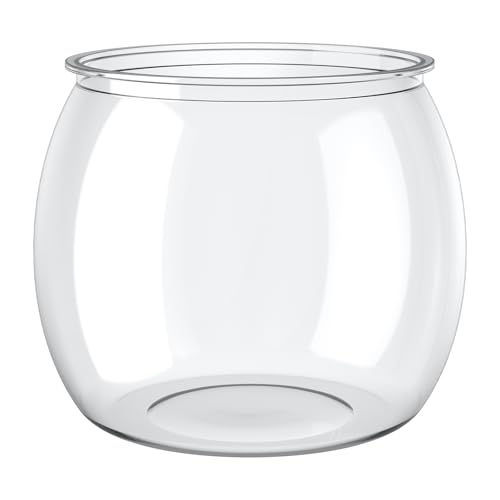
Pawfly 0.5 Gal Mini Plastic Fish Bowl Aquarium
- ✓ Durable, thick plastic build
- ✓ Crystal-clear transparency
- ✓ Wide, stable base
- ✕ Not suitable for long-term housing
- ✕ Limited space for larger fish
| Material | PET plastic, BPA-free, odorless |
| Capacity | 0.5 gallons (approximately 1.89 liters) |
| Dimensions | 6.5 inches diameter x 5.6 inches height |
| Base Width | 4.5 inches |
| Intended Use | Temporary housing for small fish such as bettas, goldfish, and guppies; not suitable for long-term or permanent use |
| Additional Uses | Candy jar, party favor holder, vase, storage container |
The moment I picked up the Pawfly 0.5 Gal Mini Plastic Fish Bowl, I noticed how surprisingly sturdy it felt in my hand. Its thick PET plastic, free of BPA and odors, gives off a reassuring weight that makes it feel more durable than typical tiny tanks.
I set it down on my desk and was impressed by its crystal-clear transparency—every detail of my tiny fish’s graceful swim was sharp and vibrant.
Filling it with water and a small betta, I immediately appreciated how stable the broad 4.5-inch base was. No wobbling or tipping over as I gently poked around.
The rounded shape and compact size, measuring about 6.5 inches across and 5.6 inches tall, make it perfect for quick setups or isolated fish, especially when you need to quarantine or give your pet a cozy spot during cleaning.
Using it as a decorative piece was a fun bonus. I turned it into a mini vase with fresh flowers, and it instantly brightened my space.
Its versatility means you’re not just limited to fish—think candy holder, party favor, or even a small storage jar. Just keep in mind, it’s really best for short-term use or display, not a permanent home for your fish.
Overall, this tiny bowl feels like a little gem—affordable, reliable, and full of potential for various uses. It’s perfect for isolating a small fish or adding a touch of nature to your desk, but don’t expect it to replace a full-sized tank for long-term living.
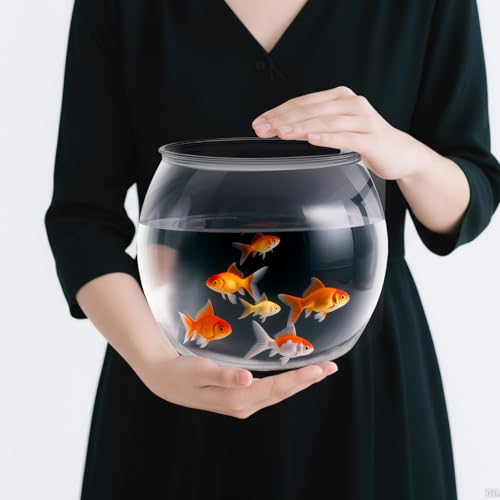
Geelin 1 Gallon Plastic Fishbowl Tank
- ✓ Durable shatter-resistant plastic
- ✓ Spacious panoramic view
- ✓ Versatile decoration options
- ✕ Requires frequent water changes
- ✕ Slightly less transparent than glass
| Material | PET plastic (shatter-resistant, durable) |
| Capacity | 1 gallon (approximately 3.78 liters) |
| Dimensions | 6.3 x 6.3 x 6.69 inches |
| Shape | Round with panoramic view design |
| Intended Use | Suitable for solitary fish, aquatic plants, or creative terrarium projects |
| Safety Features | Shatterproof construction for safety and longevity |
Many people assume that a small fishbowl like this Geelin 1 Gallon Plastic Fishbowl Tank isn’t suitable for anything more than a tiny, fragile pet. I’ve found that’s not quite true.
This bowl feels surprisingly sturdy in your hand, thanks to its PET plastic construction, which is shatter-resistant and safe for a variety of aquatic life.
The 6.3-inch diameter and 6.69-inch height give you more room than you might expect. It’s enough space for a single, solitary fish like a betta or a small goldfish, and the panoramic shape really lets you appreciate every angle of your aquatic setup.
The clear plastic means no distortion, so your fish and plants look vibrant from any side.
What really stands out is how versatile this bowl is. You could turn it into a mini terrarium or even a stylish centerpiece with succulents or decorative stones.
The rounded design adds a modern touch that fits well in any home or office environment. Plus, the plastic construction makes it lightweight and easy to move around without worry.
However, it’s important to remember that small aquariums like this require regular water changes to keep the water clean and clear. Also, while the plastic is durable, it’s not as transparent as glass, which might bother some aquarists looking for a crystal-clear view.
Still, for a safe, attractive, and versatile small habitat, this fishbowl performs well and looks good doing it.
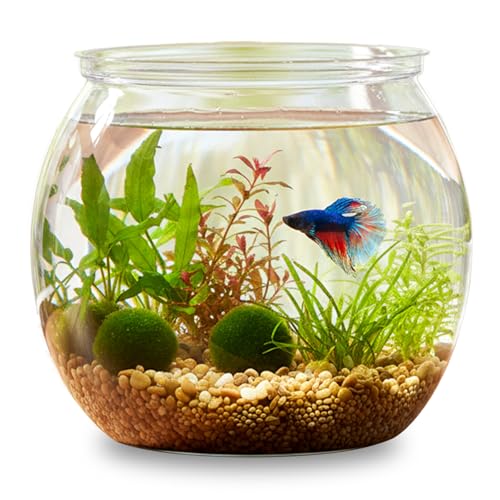
InnoHHustle 30oz Mini Plastic Fish Bowl Aquarium Kit
- ✓ Crystal-clear visibility
- ✓ Impact-resistant and durable
- ✓ Versatile and multi-functional
- ✕ Looks less elegant than glass
- ✕ Limited space for larger fish
| Capacity | 30 ounces (887 milliliters) |
| Material | High-quality, impact-resistant plastic |
| Design Features | Crystal-clear transparency for visibility |
| Intended Use | Suitable for small fish such as betta fish |
| Dimensions | Compact size suitable for small aquatic habitats |
| Ease of Maintenance | Smooth surfaces for quick cleaning |
For ages, I’ve eyed that tiny 30oz plastic fish bowl, imagining all the ways I could jazz up my space or even use it practically. When I finally got my hands on the InnoHHustle Mini Fish Bowl, I was curious if it would live up to the hype.
Right away, I noticed how sleek and transparent it looks—super clear, with a smooth surface that feels sturdy in your hand.
The plastic is surprisingly impact-resistant, so I didn’t have to worry about accidental knocks or drops. It’s lightweight but feels sturdy enough to handle daily use.
The size is perfect for a solitary fish, like a betta, giving enough room without overwhelming your desk or shelf. Its versatility shines—use it as a mini aquarium, candy display, or even as a cute beverage server at parties.
Cleaning is a breeze because of the smooth, untextured surface. A quick rinse with soap and water keeps it looking fresh and clear.
I also love the multi-purpose aspect—it’s not just for fish but can be a decorative centerpiece or storage container. Plus, at just under nine bucks, it’s a fantastic budget-friendly option for anyone wanting a small, stylish habitat or display piece.
One thing to keep in mind: since it’s plastic, it doesn’t have the same aesthetic as glass, and some might prefer that look. Also, for a solitary fish, it’s just right—anything bigger might feel cramped.
Overall, it’s a versatile little bowl that combines function and style in a simple, durable package.
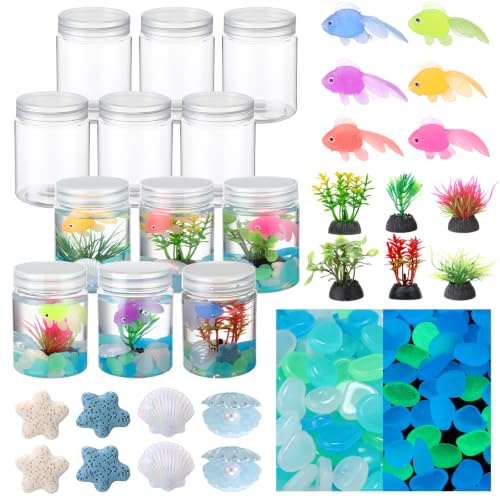
FoldTier Fishbowl Craft Kit with Goldfish, 12 Sets
- ✓ Easy to assemble
- ✓ Colorful, realistic fish
- ✓ Great for educational fun
- ✕ Small size limits realism
- ✕ Plastic materials feel cheap
| Fish Bowl Material | Durable plastic, approximately 5.8 × 7.5 cm |
| Goldfish Size | Approximately 4.5 cm long |
| Artificial Plants Height | 4–5 cm |
| Decorative Stones Size | About 5–10 mm in diameter |
| Resin Starfish Size | Approximately 20–27 mm |
| Number of Sets | 12 sets of fish bowls, fish, plants, stones, and shells |
Many people assume that a simple plastic fishbowl is just a basic container, but this FoldTier Fishbowl Craft Kit proves otherwise. I was surprised at how much creativity and fun can be packed into such a small set.
The colorful plastic fish and artificial plants instantly caught my eye, making the setup feel lively despite its tiny size.
The fish bowls are sturdy yet lightweight, about 5.8 by 7.5 centimeters, making them easy to handle and assemble. The rubber goldfish is surprisingly realistic-looking, and I appreciated how reusable it is—no worries about it fading or losing its charm after multiple setups.
The glowing stones add a magical touch, especially in low light, and the resin starfish give the tank a charming coastal vibe.
Putting everything together is straightforward. I found the process of stacking the rocks, nestling the plants, and adding the shells to be almost meditative.
Filling the bowl with water and placing the fish was simple, and screwing the lid on kept everything secure. It’s a great activity for kids or even adults who love DIY projects.
This kit isn’t just decorative; it’s a mini educational experience. Building the fishbowl teaches basic care and responsibility, which makes it perfect for classrooms or thoughtful gift-giving.
Plus, you can use these sets for parties, craft classes, or holiday decorations. It’s a small, versatile way to brighten up any space or activity.
What Characteristics Should You Consider When Choosing Fish for a Solitary Fishbowl?
- Size: The size of the fish is crucial as it needs to be appropriate for the limited space of a fishbowl.
- Temperament: The temperament of the fish should be peaceful to avoid stress and aggression in the confined environment.
- Water Requirements: Understanding the water conditions, such as pH and temperature, is essential for the health of the fish.
- Feeding Habits: Consideration of the fish’s dietary needs helps to avoid overfeeding and waste buildup in the small tank.
- Activity Level: Choosing a fish with a moderate activity level ensures that it can thrive in a confined space without becoming stressed.
Size: Fish that grow too large may not thrive in a small fishbowl and can suffer from stunted growth or health issues. Smaller species, ideally under 3 inches, are better suited as they will have enough room to swim comfortably without overcrowding the bowl.
Temperament: Peaceful fish, such as bettas or certain types of guppies, are preferable because aggressive fish can stress out or harm themselves in a small and solitary environment. Choosing species known for their calm nature will lead to a more harmonious setup.
Water Requirements: Each fish species has specific water quality needs, including pH levels and temperature ranges. Knowing these requirements helps maintain a stable environment, which is critical in a fishbowl where changes can happen rapidly.
Feeding Habits: Overfeeding can lead to excess waste and deteriorate water quality quickly in a small bowl. Selecting fish that have manageable feeding habits makes it easier to maintain a clean environment while ensuring the fish receive adequate nutrition.
Activity Level: Fish with a moderate activity level are ideal for a solitary fishbowl as they can enjoy swimming without exhausting themselves or becoming overly stressed. Highly active species may require more space to exhibit their natural behavior and can become frustrated in a small setting.
Which Small Fish are Most Suitable for a Solitary Environment?
The best fish for a solitary fishbowl typically include species that thrive alone and are small in size.
- Betta Fish: Known for their vibrant colors and flowing fins, Betta fish are a popular choice for solitary environments. They are territorial and prefer to live alone, making them ideal for a fishbowl setup.
- Neon Tetra: Neon Tetras are small, colorful fish that add beauty to any bowl. While they are social in nature, they can adapt to solitary living if provided with adequate space and proper care.
- Guppy: Guppies are hardy and adaptable fish that can survive in a solitary environment. They are easy to care for and come in various colors, though keeping a single male is recommended to avoid breeding and aggression.
- P Betta (Plakat): This variant of Betta fish has shorter fins and is equally as beautiful. Plakats tend to be more active swimmers and can thrive alone, making them suitable for smaller setups.
- Endler’s Livebearer: Endler’s Livebearers are small, colorful fish that can live happily alone. They are less aggressive than other livebearers and can bring a lively presence to a solitary bowl.
Betta fish are a popular choice for solitary environments due to their vibrant colors and unique personalities. Males are particularly aggressive towards each other, reinforcing the need for solitary living. They thrive in smaller tanks with proper filtration and water quality management.
Neon Tetras are appreciated for their striking blue and red coloration. Although they prefer to be in schools, they can adapt to a solitary environment if their needs are met, including a well-maintained water quality and diet.
Guppies are known for their ease of care and lively nature. While they usually thrive in groups, a single male guppy can be kept in a fishbowl without issues, provided there are no females to breed with, which can lead to overcrowding.
Plakat Bettas are a shorter-finned variety that offers the same stunning visuals as their long-finned counterparts but are typically more active. They are well-suited for solitary living and can adapt well to various water conditions.
Endler’s Livebearers, similar to guppies, are small and colorful, making them an appealing choice for a solitary bowl. They are generally peaceful and do not require companions to thrive, which makes them suitable for a smaller aquatic environment.
Are There Any Specific Peaceful Fish Recommended for Solitary Bowls?
There are several peaceful fish that are well-suited for solitary bowls, providing a serene and low-maintenance aquatic environment.
- Betta Fish: Betta fish are vibrant and come in a variety of colors, making them a popular choice for solitary bowls. They are known for their relatively low care requirements, but it’s important to keep them alone as they can be territorial and aggressive towards other fish.
- Neon Tetra: Neon tetras are small, peaceful fish that add a splash of color to any fishbowl. While they thrive in schools, a single neon tetra can still do well in a solitary bowl, provided the tank is appropriately sized and maintained, as they enjoy swimming in clean water.
- Guppies: Guppies are cheerful and colorful fish that adapt well to solitary environments. They are easy to care for and can thrive alone, though they are social creatures and may exhibit more vibrant behaviors when kept in small groups.
- White Cloud Mountain Minnow: This species is hardy and can thrive in a variety of water conditions, making them suitable for solitary bowls. They are small and peaceful, often displaying interesting behaviors without the need for companionship.
- Pygmy Corydoras: These tiny catfish are peaceful bottom dwellers that can live happily in solitary bowls. They help keep the tank clean by scavenging leftover food, and their small size allows them to fit comfortably in smaller environments.
What Care Requirements Must Be Met for Solitary Fish in a Bowl?
When keeping solitary fish in a bowl, several care requirements must be considered to ensure their health and well-being.
- Tank Size: The size of the bowl is crucial; a minimum of 5 gallons is recommended for most solitary fish to provide sufficient space for swimming and reducing stress.
- Water Quality: Maintaining high water quality is essential, which includes regular water changes and using a water conditioner to remove harmful chemicals and chlorine.
- Filtration: Even in a bowl, having a small filter can help aerate the water and remove toxins, ensuring a healthier environment for the fish.
- Temperature Control: Keeping the water at a stable temperature suitable for the species is critical, often requiring a heater for tropical fish species.
- Feeding: Proper feeding is necessary, providing high-quality fish food appropriate for the species while avoiding overfeeding to prevent water pollution.
- Decor and Hiding Spots: Adding decorations and plants can help create a more natural environment, providing the fish with places to hide and reducing stress.
- Regular Monitoring: Regularly checking the fish for signs of illness and performing routine water tests for pH, ammonia, and nitrite levels is vital for early detection of any issues.
Each of these requirements is important to create a suitable environment for solitary fish in a bowl, as they help replicate their natural habitat and promote good health.
How Does Tank Size Affect the Well-being of Solitary Fish?
- Space for Swimming: Adequate tank size provides enough space for solitary fish to swim freely, which is essential for their physical health and mental stimulation.
- Water Quality: Larger tanks have a greater volume of water, which helps in maintaining stable water parameters, reducing the toxicity of waste products, and promoting a healthier environment.
- Stress Reduction: A spacious tank can reduce stress levels by allowing solitary fish to establish territories and exhibit natural behaviors, which can be hindered in cramped conditions.
- Oxygen Levels: Bigger tanks typically have a larger surface area for gas exchange, ensuring that solitary fish have access to sufficient oxygen, which is vital for their survival.
- Temperature Stability: Larger volumes of water tend to maintain temperature stability better than smaller tanks, helping create a more comfortable environment for solitary fish.
Water Quality: Smaller tanks can quickly accumulate waste and harmful chemicals, leading to poor water quality. Larger tanks dilute waste products more effectively, making it easier to maintain a healthy aquatic environment.
Stress Reduction: Solitary fish can become stressed in confined spaces, leading to anxiety and aggression. A larger tank allows them to find safe zones and retreat if they feel threatened, fostering a sense of security.
Oxygen Levels: In a small tank, the oxygen levels can fluctuate rapidly due to a limited water volume. Larger tanks help to ensure that oxygen levels remain consistent, promoting better health and activity in solitary fish.
Temperature Stability: Smaller tanks can experience rapid temperature changes, which can be harmful to fish. A larger tank provides a buffer against temperature fluctuations, helping to keep the water conditions stable and suitable for solitary fish.
What Are the Potential Benefits of Keeping Fish Alone in a Fishbowl?
Easier maintenance is another significant advantage; a solitary fishbowl requires less frequent cleaning and simpler filtration systems. This makes it more manageable for beginners or those with limited time for aquarium upkeep.
Enhanced visibility allows fish owners to connect with their pets on a deeper level. Observing the fish’s behavior becomes a more engaging experience, as the owner can notice subtle changes in behavior that might indicate health issues.
Personalized care is facilitated by focusing on just one fish, allowing owners to adjust feeding schedules, monitor health closely, and provide specific environmental conditions that cater to the fish’s species needs.
Lastly, less aggression is a critical factor for certain species that may not coexist peacefully. By keeping a fish alone, the risk of territorial disputes and resultant stress is completely eliminated, ensuring a healthier living environment.
How Can Having Sole Fish Enhance the Aesthetic Value of Your Space?
Having sole fish can significantly enhance the aesthetic value of your space by adding vibrant colors, movement, and a sense of tranquility.
- Betta Fish: Known for their striking colors and flowing fins, Betta fish are a popular choice for solitary fishbowls. They are low-maintenance and can thrive in a small environment, making them ideal for enhancing the visual appeal of limited spaces.
- Goldfish: Goldfish are classic decorative fish that bring a sense of elegance and charm to any bowl. With their bright orange hues and graceful swimming patterns, they can create a lively focal point in your room.
- Guppies: Guppies are small, colorful fish that can add a playful element to your fishbowl. Their varied color patterns and social nature make them visually interesting, although they can thrive better in groups, they can still provide a lively aesthetic when housed alone.
- Neon Tetra: With their vibrant blue and red stripes, Neon Tetras can bring a burst of color to any solitary fishbowl. They are small, peaceful fish that can create a serene atmosphere, making them a delightful addition to your decor.
- Zebra Danio: Zebra Danios are hardy fish known for their distinct striped pattern. Their active swimming style adds dynamic movement to the bowl, enhancing the overall aesthetic and making the space feel more lively.
What Mistakes Should Be Avoided When Selecting Fish for a Solitary Fishbowl?
When selecting fish for a solitary fishbowl, it’s crucial to avoid several common mistakes to ensure the health and well-being of your aquatic pet.
- Choosing Aggressive Species: Selecting fish that are known to be aggressive can lead to stress and potential harm. Aggressive species may attack or bully other fish, which is detrimental in a confined space like a fishbowl where retreat options are limited.
- Ignoring Size Compatibility: It’s important to consider the size of the fish in relation to the bowl. Larger fish require more space to thrive, and placing them in a small bowl can lead to stunted growth and health issues.
- Overcrowding the Bowl: Placing more than one fish in a solitary fishbowl can lead to overcrowding, which affects water quality and increases stress levels. Each fish needs a certain amount of space to swim freely and establish its territory.
- Neglecting Water Requirements: Different fish species have varying water temperature and pH needs. Failing to research these requirements can result in a poor living environment, leading to health problems and a shortened lifespan for the fish.
- Ignoring Filtration Needs: Many fish require a filtered environment to maintain clean water. Choosing fish without considering the filtration capabilities of a fishbowl can lead to rapid deterioration of water quality, which is harmful to the fish.
- Not Considering Diet: Every fish species has specific dietary needs, and some may require live or frozen food that can be challenging to provide in a solitary setup. Neglecting to accommodate these needs can lead to malnutrition and poor health.
- Overlooking Compatibility with Other Fish: If considering adding more than one fish, it’s essential to research their compatibility. Some fish may not coexist peacefully, which can lead to stress, injury, or death.
- Forgetting Regular Maintenance: A solitary fishbowl requires regular maintenance, including water changes and cleaning. Many first-time fish owners underestimate the time and effort needed to keep the bowl clean and the fish healthy.