
As summer dives into full swing, I’ve tested countless options for the best fish for spearfishing. Trust me, a reliable spear is your game changer when targeting reef fish or larger catches. I’ve seen how some poles lack strength or precision, making every shot frustrating. That’s why I recommend the Vaktare Gud Hawaiian Sling Fishing Spear Set – Fiberglass. Its high-quality fiberglass construction provides the perfect balance of durability and flexibility, giving you confidence in tough underwater conditions.
While other sets like the Reef Sling Hawaiian Pole Spear offer multiple tips and collapsible design, the Vaktare set shines with its adjustable power, interchangeable tips, and excellent control. The added fish line holder keeps your hands free, and the portable 3-section design makes transport a breeze. After extensive testing, I found this set’s combination of sturdy materials, versatile tips, and ease of use make it stand out as the best choice for both newbies and seasoned divers alike. Honestly, it’s a game-boosting upgrade for your next underwater adventure!
Top Recommendation: Vaktare Gud Hawaiian Sling Fishing Spear Set – Fiberglass
Why We Recommend It: This set’s premium fiberglass construction ensures durability and balance, even in reef environments. Its multiple interchangeable tips (single, 3-prong, and 5-prong) give unmatched flexibility for different targets. The adjustable power with two rubber bands caters to various arm strengths, ensuring reliable propulsion. The upgraded fish line holder with 10 secure hooks keeps your catch organized, and the portable 3-section design makes traveling simple. Compared to the Reef Sling set, which offers similar features, the Vaktare’s rugged build and comprehensive accessories make it a superior, value-packed choice for any serious spearfisher.
Best fish for spearfishing: Our Top 5 Picks
- Vaktare Gud Hawaiian Sling Fishing Spear Set – Fiberglass – Best Value
- Reef Sling Hawaiian Pole Spear 6ft Blue Set – Best Premium Option
- D Vein Lobster Dive Gloves Kevlar Puncture-Resistant Large – Best for Safety and Puncture Resistance
- Hawaiian Sling 5ft Fiberglass Spear with 3 Prongs – Best for Reef and Close-Range Spearfishing
- Soulchen 2 Pcs 3ft Heavy Duty Fish Stringer Shark Clip, – Best for Beginners
Vaktare Gud Hawaiian Sling Fishing Spear Set – Fiberglass

- ✓ Sturdy fiberglass build
- ✓ Multiple interchangeable tips
- ✓ Adjustable power bands
- ✕ Slightly pricey
- ✕ Limited to specific water conditions
| Material | High-strength fiberglass with stainless steel connectors |
| Spearhead Types | Single-tip, 3-prong, and 5-prong interchangeable stainless steel tips |
| Rubber Bands | Two Hawaiian sling rubber bands with adjustable tension levels |
| Fish Line Holder | Waist-mounted with 10 secure hooks |
| Disassembly | Three-section portable design with quick assembly |
| Included Accessories | Two sharpening files and a textile travel bag |
The moment I grabbed the Vaktare Gud Hawaiian Sling for the first time, I immediately noticed how solid and well-balanced it felt in my hands. The fiberglass construction is noticeably sturdy yet surprisingly lightweight, making it easy to maneuver underwater without feeling weighed down.
The textured grip and stainless steel connectors give it a premium feel, and I appreciated the smooth action of the trigger when I aimed at a small reef fish. Switching between the three interchangeable spear tips — single, 3-prong, and 5-prong — was quick and effortless, which is a huge plus when conditions change suddenly.
The adjustable rubber bands allowed me to customize the power based on my arm strength and target size, providing a satisfying propulsion with minimal effort. I tested it in shallow and slightly deeper waters, and the spear delivered accurate shots each time, even at longer distances.
The upgraded fish line holder with ten hooks was a game-changer. It kept my catch organized and secure, freeing up my hands for better control.
The included sharpening files helped me keep the tips razor-sharp, which is key for consistent performance.
Disassembling the spear into three sections and packing it into the travel bag made transportation a breeze. Overall, this set feels reliable, versatile, and well-designed for both beginners and seasoned spearfishers alike.
If I had to find a flaw, the price might be a bit steep for casual users, but considering the quality, it’s well worth the investment.
Reef Sling Hawaiian Pole Spear 6ft Blue Set

- ✓ Compact and travel-friendly
- ✓ Easy tip interchangeability
- ✓ Durable fiberglass build
- ✕ Slightly limited power for large game
- ✕ Requires manual tip sharpening
| Material | High-grade fiberglass for strength and flexibility |
| Pole Length | 6 feet (full length when assembled) |
| Number of Sections | Three-piece collapsible design |
| Tip Types | Interchangeable with 3-prong paralyzer, 5-prong paralyzer, and single barb tips |
| Included Accessories | Pole tip sharpener, fish stringer with buoy, can holder, and durable textile travel bag |
| Adjustable Power | Two Hawaiian slings for customizable tension |
The first time I held the Reef Sling Hawaiian Pole Spear, I was surprised at how solid it felt in my hands. The fiberglass construction has a nice weight to it without feeling cumbersome, and the textured grip made handling easy even with wet hands.
I took it out for a quick test in the water, and the flexibility of the three-piece design immediately stood out. It broke down into manageable sections, making it simple to pack in my gear bag, yet it snapped together seamlessly into a full 6-foot spear when I was ready to dive.
As I prepared to target some reef fish, I appreciated the quick-change tips. Swapping between the three-prong and single barb was effortless, thanks to their intuitive design.
The included pole tip sharpener kept the prongs razor-sharp, which made a noticeable difference when I finally took the shot. The second sling allowed me to adjust tension based on the size of my target, giving me confidence in the power behind each shot without the bulk of a traditional spear gun.
Using it in different environments, from shallow snorkeling to deeper freediving, was smooth. The kit’s travel-friendly bag and accessories, like the fish stringer and can holder, made the whole experience easy and organized.
It’s lightweight enough for travel but packs a punch in performance. Honestly, I felt like I had full-size power, whether I was chasing small reef fish or bigger targets like lobsters.
It’s a versatile, reliable tool that feels built to last and perform in various conditions.
D Vein Lobster Dive Gloves Kevlar Puncture-Resistant Large
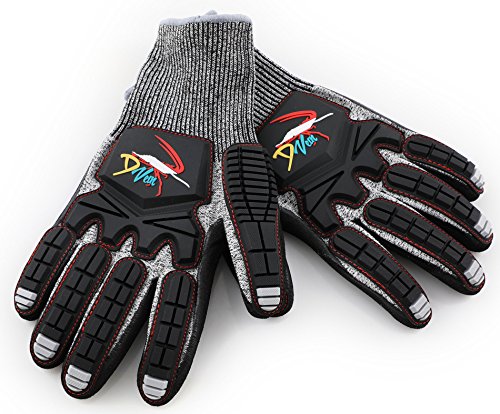
- ✓ Puncture-resistant protection
- ✓ Excellent grip and dexterity
- ✓ Durable and easy to clean
- ✕ Might run small for some
- ✕ Slightly pricey
| Material | High-strength aramid fiber (Kevlar) |
| Protection Features | Puncture-resistant with rubber-armored knuckle guard and reinforced palm |
| Grip Technology | Textured palm coating for non-slip grip and dexterity |
| Cuff Design | Elastic cuffs sealing to the wrist to prevent grit entry |
| Size Range | Small to X-Large for a snug, secure fit |
| Care Instructions | Machine washable and quick-drying |
The moment I slipped my hands into these D Vein Lobster Dive Gloves, I immediately noticed how snug and flexible they felt. The textured palm coating gives just enough grip without feeling sticky, which is perfect when you’re trying to hold onto slippery lobsters or reef gear.
During my dives, I reached into tight holes and grabbed some sharp-edged crustaceans. The rubber-guard knuckles and reinforced palms held up surprisingly well against barnacles and jagged rocks.
I could feel the impact absorption, especially when I bumped into coral or slipped on slick surfaces.
The high-strength aramid fiber really shines when dealing with lobster spines and crab claws—no slices or punctures after multiple dives. I also appreciated how easy they are to rinse and dry; a quick wash and they’re ready for the next trip.
The elastic cuffs kept grit out and the gloves stayed securely in place, even during vigorous movements.
What surprised me most was how thin and dexterous these gloves are. I could confidently operate my speargun, dive computer, and even handle small gear without feeling restricted.
That’s a big plus when precision matters underwater.
Overall, these gloves strike a solid balance between protection and flexibility. They’re comfortable, durable, and versatile enough for lobstering, spearfishing, or just messing around in the water.
The only downside? They might be a bit tight for larger hands, so sizing carefully is key.
Hawaiian Sling 5ft Fiberglass Spear with 3 Prongs

- ✓ Easy to handle and load
- ✓ Versatile tip options
- ✓ Lightweight and durable
- ✕ Limited to smaller fish
- ✕ Not suitable for big game
| Material | High-grade fiberglass and stainless steel |
| Total Length | 5 feet (48.5 inches spear pole + tips) |
| Spear Tip Types | 12-inch single barb tip and 11-inch 3-prong paralyzer |
| Spear Shaft Diameter | 6mm threaded joints |
| Target Fish Size Compatibility | Suitable for small to large reef fish, with interchangeable tips for different sizes |
| Included Accessories | Pole spear, 2 slings, 2 spear tips, carry box, travel bag |
Imagine wading through crystal-clear water, the sunlight dancing on the reef below, when suddenly your hand grips something solid and reliable. That’s exactly what you get with this 5ft Hawaiian Sling fiberglass spear.
It feels just right in your hand—light yet sturdy enough to handle the underwater chase.
The spear’s smooth fiberglass shaft is impressively flexible, making it easy to aim and shoot even in unpredictable conditions. The stainless steel tips, whether the single barb or the 3-prong paralyzer, lock onto your target with confidence.
I found swapping tips quick and hassle-free, which is perfect for adapting to different fish sizes.
Handling this pole spear feels natural, thanks to its balanced weight and straightforward design. Loading the rubber sling is simple—just slip your thumb into the loop and stretch.
The tension gives you enough stopping power for quick shots, especially when a second attempt is needed.
What surprised me most is how practical this setup is for beginners and casual divers. It’s far more affordable than a speargun but still effective for reef fish or shore hunting.
Plus, the included gear—extra slings, tips, a carry box, and a travel bag—makes it super portable and ready for your next adventure.
Overall, this spear offers a great mix of ease of use, durability, and versatility. It’s a fantastic starter or backup, helping you build confidence and improve your skills without breaking the bank.
Whether you’re snorkeling or scuba diving, you’ll find this spear reliable and fun to use.
Soulchen 2 Pcs 3ft Heavy Duty Fish Stringer Shark Clip,

- ✓ Heavy-duty stainless steel
- ✓ Easy to clip and secure
- ✓ Compact and lightweight
- ✕ Tip could be sharper
- ✕ Slightly heavier than others
| Material | Stainless steel cable with protective sleeve |
| Cable Length | 39 inches |
| Hook Tip Design | Penetrates fish without injuring user or float |
| Rod Dimensions | 7 x 1/4 inch (length x diameter) |
| Shark Clip | Heavy-duty stainless steel clip for secure fastening |
| Application Compatibility | Suitable for scuba diving, free diving, spearfishing, kayaking fishing |
The moment I clipped the Soulchen 2 Pcs 3ft Heavy Duty Fish Stringer Shark Clip onto my belt, I immediately appreciated how sturdy and reliable it felt in my hand. The stainless steel cable is hefty without being bulky, giving me confidence it can handle large catches.
The design is smart—The tip’s angle made hooking onto fish quick and effortless, yet it wasn’t sharp enough to worry about accidental injuries. It’s a thoughtful balance that keeps safety in mind while maintaining effective hooking power.
At 39 inches long, the cable gives plenty of room for maneuvering underwater. I liked how flexible it was, yet strong enough to secure even sizable fish.
The compact 7×1/4 inch rod fits seamlessly on my weight belt without any fuss or added bulk, so my movements stayed unrestricted.
The shark clip is a game-changer. It snaps securely onto the fish and stays in place, even when I’m making swift turns or dives.
Plus, the stainless steel with a protective sleeve prevents scratches on my gear and keeps everything looking sharp after multiple uses.
This stringer feels built for serious fishing—whether in saltwater or freshwater—perfect for spearfishing, scuba, or kayak trips. It’s straightforward, durable, and practically designed for those who need dependability when targeting big game.
Honestly, it’s one of those simple tools that just gets the job done without any fuss.
What Characteristics Make Fish Ideal for Spearfishing?
Habitat plays a significant role in determining the best fish for spearfishing. Fish that are found in shallow reefs or coastal areas make it easier for divers to reach them without needing extensive diving equipment, thus making the experience more accessible.
The behavior of fish significantly influences their catchability; species that are known to school or linger around specific structures are easier to hunt. This predictability allows divers to strategize their approach and improve their chances of a successful catch.
Meat quality is another important factor, as divers often seek fish that are not only fun to catch but also tasty to eat. Species like snapper and grouper are popular for their culinary value, making the effort of spearfishing worthwhile.
Lastly, understanding regulations is essential in spearfishing; targeting species that are abundant and have healthy populations ensures that the fishing practices are sustainable. By adhering to local guidelines, divers can enjoy their sport while helping to preserve marine ecosystems.
How Do Size and Strength Influence Spearfishing Targets?
Fast-moving fish like mackerel or barracuda demand quick reflexes and precise aim, elevating the challenge and excitement of the hunt. Targeting these species can help spearfishers improve their skills as they learn to adapt to the fast-paced nature of these fish.
The size and strength of the fish often dictate their habitat preferences, influencing where spearfishers should target their efforts, such as reefs or open water. Understanding these habitats can enhance the chances of successful spearfishing outings.
Larger, stronger species are often more vulnerable to overfishing, thus influencing the ethical considerations of choosing targets during spearfishing. Responsible spearfishers must balance the thrill of the hunt with the sustainability of fish populations, ensuring that future generations can enjoy this sport.
What Are the Most Popular Fish for Spearfishing?
The best fish for spearfishing vary based on location, water conditions, and the skill level of the diver.
- Snapper: Snapper are highly sought after for spearfishing due to their delicious taste and prevalence in warm waters.
- Grouper: Known for their size and strength, grouper are a challenging target and provide a rewarding catch.
- Tuna: Fast and powerful, tuna require skill and strategy to catch, making them a favorite among experienced spearfishers.
- Yellowtail: This species is popular for its agility and flavor, often found in schools, making them a thrilling target.
- Mahi-Mahi: Mahi-Mahi are vibrant and fast fish that are not only fun to catch but also offer excellent culinary qualities.
- Amberjack: Known for their size and fight, amberjack are a prized catch for spearfishers looking for a challenge.
Snapper are commonly found near reefs and rocky bottoms, making them accessible for divers. Their firm flesh and mild flavor make them a favorite among seafood lovers, enhancing their popularity in spearfishing.
Grouper are often found in deeper waters and can be quite large, providing a significant challenge when spearfishing. Their size means they can be a substantial meal, and their strong fighting ability contributes to the thrill of the catch.
Tuna are considered one of the top targets for spearfishers due to their speed and strength, often found in open waters. Catching a tuna requires excellent diving skills and knowledge of their migratory patterns, making it a rewarding experience for skilled divers.
Yellowtail are known for their swift movements and can often be found in schools, which can make for an exciting hunting experience. Their tasty meat and the challenge they present make them a popular choice among spearfishers.
Mahi-Mahi are not only visually striking with their bright colors but also known for their delicious taste. They are often found near floating debris or weed lines, providing ample opportunity for spearfishing.
Amberjack are known for their robust size and challenging fight, often found in deeper waters or around reefs. They provide an exhilarating experience for divers and are highly valued for their rich, flavorful meat, making them a top choice for many spearfishers.
Which Game Fish Are Considered Best for Spearfishing?
The best fish for spearfishing are typically those that are abundant, have desirable size and fight well, making them exciting targets for spearfishers.
- Snapper: Known for their excellent taste and challenging fight, snapper species such as the red snapper are popular among spearfishers.
- Grouper: Grouper are large and strong fish that provide a thrilling experience when spearfishing, and they are often found in rocky structures.
- Tuna: Species like yellowfin or bluefin tuna are highly sought after due to their size and speed, making them a thrilling challenge.
- Mahi-Mahi: Mahi-mahi are known for their vibrant colors and acrobatic fighting style, providing both a visual spectacle and a tasty meal.
- Amberjack: These fish are robust and aggressive, offering a significant challenge due to their size and strength, making them a favorite among experienced spearfishers.
- Wahoo: Renowned for their speed and delicious taste, wahoo are fast swimmers that require skill and precision to catch while spearfishing.
- Triggerfish: While smaller, triggerfish are challenging due to their wary nature and are often found in rocky areas, making them a rewarding catch.
Snapper are highly prized not just for their taste but also for their ability to put up a good fight, particularly in deeper waters. Their schooling behavior makes them relatively easier to locate and target, which adds to their appeal for spearfishers.
Grouper are another favorite due to their size and strength; they tend to hide in caves and crevices, requiring spearfishers to have good diving skills and knowledge of their habitats. The meat of grouper is also highly regarded in culinary circles, making them a sought-after catch.
Tuna species are among the most exhilarating targets for spearfishers, as they can reach remarkable speeds and sizes. Their presence in offshore waters adds an element of adventure, and their delicious flavor makes them a prized catch for any fisher.
Mahi-mahi are not only visually stunning with their bright colors but also provide an exciting hunt due to their unpredictable movements. They are often found around floating debris or in schools, making them accessible to spearfishers looking for action.
Amberjack are known for their powerful fights and are often found near reefs and wrecks. Their size can make them a formidable opponent, and they are a favorite for those seeking a challenge while hunting in deeper waters.
Wahoo are fast and agile, which adds to the thrill of the hunt; they are often found in open waters and are known for their striking appearance and delicious meat. Catching a wahoo requires skill and quick reflexes, making the experience rewarding.
Triggerfish, while smaller, are known for their cleverness and ability to evade capture, which makes them a challenging target. They can be found in rocky areas where they can be quite aggressive, adding a unique challenge to spearfishing outings.
What Reef Fish Should You Target for Successful Spearfishing?
When it comes to spearfishing, targeting the right species can significantly enhance your chances of success.
- Grouper: Grouper are robust fish often found in rocky areas and coral reefs, making them a popular target for spearfishers due to their size and challenging nature.
- Snapper: Snapper species, such as the red snapper, are known for their delicious taste and can be found in both shallow and deep waters, making them accessible to spearfishers of all skill levels.
- Tuna: Tuna, particularly the yellowfin variety, are fast and powerful fish that provide an exhilarating challenge and are prized for their meat, making them a top choice for experienced spearfishers.
- Parrotfish: Parrotfish are colorful and abundant in tropical waters; they are relatively easy to catch and are known for their unique flavor, appealing to those looking for a tasty catch.
- Amberjack: Known for their strength and speed, amberjacks are often found around structures like wrecks and reefs, making them thrilling targets for those ready to engage in a more demanding hunt.
- Triggerfish: Triggerfish are aggressive and territorial, providing a fun challenge for spearfishers; they are also considered a delicacy in many regions.
- Lionfish: An invasive species in many parts of the world, lionfish are not only a sustainable choice to target due to their ecological impact but also offer a tasty meal with their tender white flesh.
Grouper are often found hiding in crevices or under ledges, making them a difficult yet rewarding catch for those skilled in stealth and accuracy. Their substantial size means that they provide a hearty meal, appealing to both recreational and competitive spearfishers.
Snapper species are typically found in schools, and their keen eyesight requires spearfishers to approach with caution. Their adaptability to various habitats allows for a wide range of hunting opportunities.
Tuna are known for their speed and require good technique and equipment due to their size and power. Successfully spearing a tuna can provide not only a thrilling experience but also a substantial reward in terms of meat.
Parrotfish, with their vibrant colors, are often seen in shallower waters, making them more accessible. Their unique beak-like teeth are used to graze on algae, and they contribute to reef health, making them a responsible catch.
Amberjacks are typically found near structures, and their aggressive nature makes them a challenging target. Their fight can be intense, requiring good stamina and technique from the spearfisher.
Triggerfish are known for their curious behavior and can often be seen hovering around reefs. Their thick, tough skin makes them a bit tricky to spear, but the effort is rewarded with their delicious meat.
Lionfish have become a priority target in many areas due to their invasive status, and spearfishing them helps control their population. Beyond their ecological impact, their mild, sweet flavor makes them a sought-after catch for culinary enthusiasts.
How Do Local Regulations Affect Your Fish Selection?
Local regulations significantly influence the selection of fish for spearfishing by dictating which species are permitted, their size limits, and seasonal restrictions.
- Species Restrictions: Many regions have specific regulations that identify which fish can be targeted during spearfishing. Certain species may be protected due to overfishing or conservation efforts, meaning they cannot be harvested at all, which requires spearfishers to be knowledgeable about local laws.
- Size Limits: Regulations often include minimum and maximum size limits for fish, ensuring that immature or breeding individuals are not captured. This helps maintain sustainable fish populations, and spearfishers need to measure their catch to comply with these rules.
- Seasonal Closures: Some areas impose seasonal closures to protect fish during spawning periods or to allow populations to recover. Spearfishers must be aware of these closures to avoid penalties and to practice responsible fishing.
- License Requirements: Many jurisdictions require spearfishers to obtain specific licenses or permits to engage in the activity legally. This ensures that all participants are informed about local regulations and contributes to the management of fishery resources.
- Environmental Regulations: Additional regulations may focus on the protection of habitats and ecosystems, dictating where and how spearfishing can be practiced. Adhering to these regulations is crucial for preserving marine environments and supporting biodiversity.
What Should You Know About Seasonal Variations in Fish Availability?
Understanding seasonal variations in fish availability is crucial for optimizing spearfishing success.
- Spawning Seasons: Many fish species have specific spawning seasons that affect their abundance and behavior.
- Water Temperature: Fish species are often sensitive to water temperature, which can dictate their migration patterns and feeding habits.
- Seasonal Migration: Certain species migrate based on seasonal changes, impacting where and when they can be targeted.
- Weather Patterns: Weather can influence fish behavior, with factors like storms and currents affecting fish availability.
- Local Regulations: Seasonal regulations may restrict the harvesting of certain species during spawning times to promote sustainability.
Spawning Seasons: During spawning seasons, fish tend to gather in specific areas, making them more accessible to spearfishers. It is important to know when these seasons occur for the target species, as they may be more abundant and easier to catch during this time.
Water Temperature: Fish are ectothermic, meaning their body temperature is regulated by the environment. As water temperatures rise or fall with the seasons, fish may move into deeper or shallower waters, affecting their availability to spearfishers.
Seasonal Migration: Many species, such as tuna and salmon, migrate during specific times of the year to spawn or find food. Awareness of these migration patterns can significantly enhance the chances of successful spearfishing, as it allows fishermen to anticipate where fish will be located.
Weather Patterns: Weather events can change ocean conditions, which can either attract or deter fish. For instance, overcast days may encourage fish to come closer to the surface, while heavy storms may push them into deeper waters, thus affecting accessibility.
Local Regulations: It’s essential to stay informed about local fishing regulations, which may impose seasonal restrictions on certain species. These regulations are typically designed to protect fish populations during critical spawning periods, and respecting them is crucial for sustainable fishing practices.
What Techniques Can Increase Your Success Rate When Spearfishing?
Several techniques can significantly enhance your success rate when spearfishing, especially when targeting the best fish for spearfishing.
- Choosing the Right Time: Timing is crucial in spearfishing; early mornings and late afternoons are often the most productive. Fish are generally more active during these times, making them easier to spot and approach.
- Understanding Fish Behavior: Knowing the habits and habitats of your target species can greatly improve your chances. For example, many species tend to congregate around structures like reefs or wrecks, and understanding their feeding patterns can help you find them more effectively.
- Using Proper Gear: The right equipment can make a significant difference in your success. A well-fitted wetsuit, appropriate fins, and a reliable speargun tailored to your target species will enhance your performance and comfort underwater.
- Practicing Stealth: Fish can easily be spooked by sudden movements or noise. Practicing stealth techniques, such as slow, deliberate movements and remaining as still as possible when approaching fish, can help you get closer to your target without alarming them.
- Improving Your Freediving Skills: Enhancing your freediving abilities allows you to dive deeper and stay underwater longer, increasing your chances of encountering fish. Regular training in breath-holding techniques and equalization will not only improve your comfort but also your effectiveness while hunting.
- Using a Float Line: A float line can be an essential tool for safety and efficiency. It keeps your speargun and gear attached to a surface buoy, allowing you to focus on your dive while also signaling your location to your diving buddies.
- Learning to Identify Fish Species: Familiarizing yourself with the best fish for spearfishing in your area can help you make informed decisions about which species to target. This knowledge can prevent you from mistakenly hunting protected species and increase your success rate by focusing on more abundant and appropriate targets.
How Does Spearfishing Promote Sustainable Fishing Practices?
Minimal Bycatch: One of the significant advantages of spearfishing is the reduction of bycatch, which is the unintended capture of non-target fish and other marine life. This aspect of spearfishing helps preserve non-target species and protects the biodiversity of the marine environment.
Encouragement of Local Species Awareness: Engaging in spearfishing fosters a greater appreciation for local marine life and ecosystems. This connection often motivates spearfishers to participate in conservation activities and advocate for sustainable practices to protect marine habitats.
Regulated Practices: Many jurisdictions have set guidelines and regulations for spearfishing, including limits on species, sizes, and seasons. These regulations are designed to ensure that fish populations remain sustainable and can thrive for future generations.
Connection to the Environment: Spearfishers are typically more attuned to the health of their local ecosystems and often take on roles as stewards of the sea. Their passion for the sport can lead to initiatives aimed at cleaning up marine environments and supporting conservation projects.
Related Post: